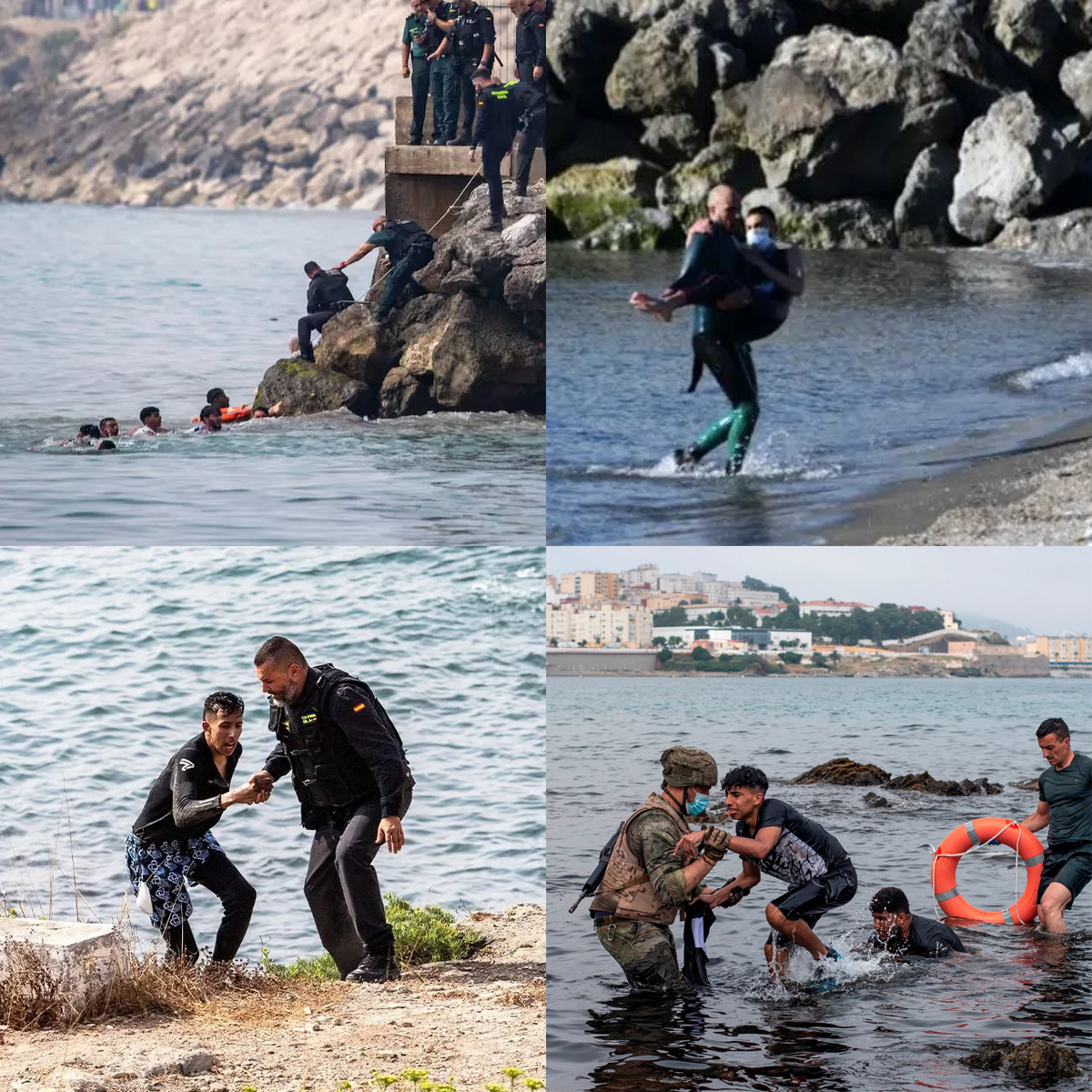
Algunos en Washington, Tel Aviv y Rabat, y también unos cuantos que crecen a su sombra en Madrid, querían imágenes de nuestras fuerzas de seguridad y fuerzas armadas ametrallando niños en las playas.
Estas son las imágenes que se llevan. Esta es la lección que España les da.
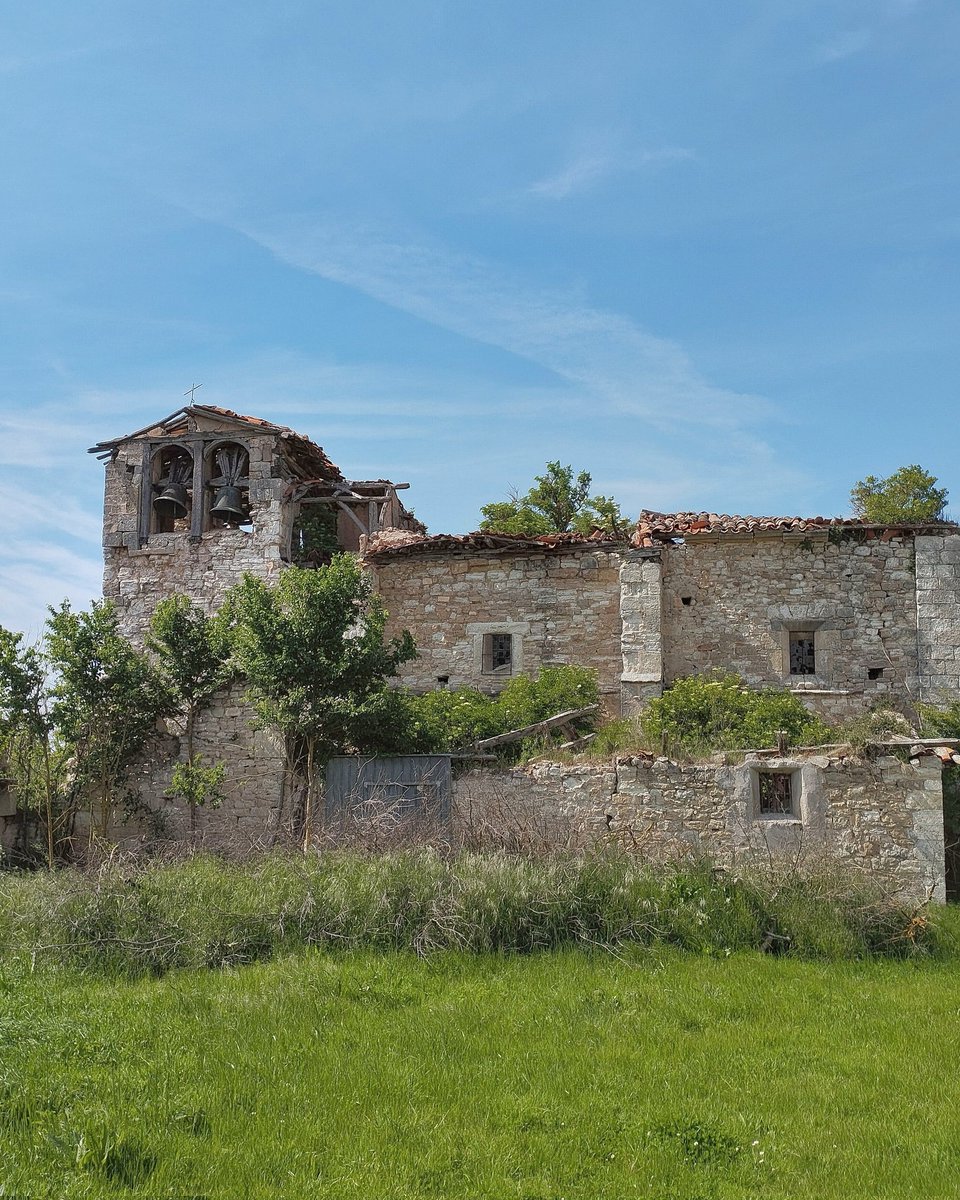
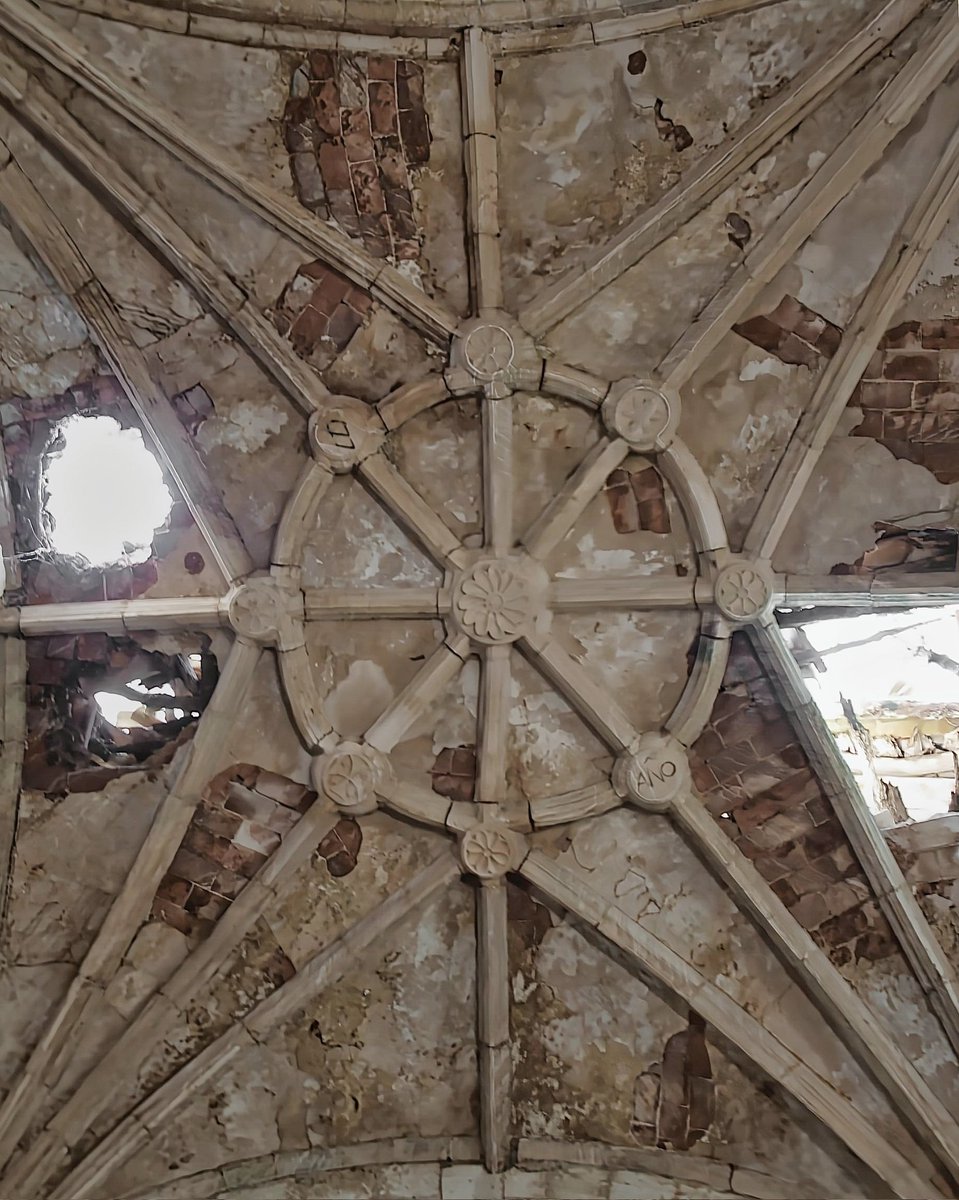
La iglesia de la Natividad de Nuestra Señora de Hiniestra (Burgos) pide ayuda desesperadamente. Quizás no aguante otro invierno y en unos meses estemos lamentando otra pérdida patrimonial irreversible. Toda la información aquí
https://t.co/wolDc7YwVO
The Spanish Prime Minister is not speaking from theory. Europe has seen this movie before.
In 2003, Spain itself was part of the small circle that stood beside Washington at the Azores Summit alongside the United States and the United Kingdom to push the invasion of Iraq. That decision was taken without clear UN authorization and eventually led to one of the most destabilizing episodes of the modern Middle East.
What followed did not produce the democracy, security, or stability that were promised. Instead, Iraq descended into insurgency and civil war, and the ripple effects created one of the most serious waves of insecurity Europe had faced since the Cold War era.
And Europe paid a price for it.
The Iraq war fractured the Western alliance itself. It created deep political divisions inside the European Union and between Europe and the United States. Even analysts at the time described the war as causing lasting rifts between Washington, Europe, and the broader Islamic world.
Then came the security consequences on European soil. The Madrid train bombings in 2004, which killed 193 people, were widely interpreted as part of the backlash tied to Spain’s involvement in the Iraq war. Politically, that war also contributed to the collapse of the government that supported the invasion.
Economically and strategically, Europe bore many of the shocks. War-driven instability in the Middle East repeatedly pushed oil prices higher and threatened recession risks globally.
Meanwhile, the American system kept doing what it always does during conflict: mobilizing its vast military-industrial ecosystem. Wars expand defense spending, stimulate weapons production, and channel enormous government expenditure into U.S. industry and contractors.
So when Sánchez says “No to war”, it is not merely a moral slogan.
It is a memory.
A memory of a war sold with grand narratives about weapons of mass destruction and democracy that were never found, a war that destabilized an entire region, fractured alliances, radicalized movements, and produced decades of insecurity that Europe had to live with.
And if you step back and observe the pattern, you will notice something unsettling.
When these wars end, it is rarely Washington that carries the long-term social consequences.
It is Europe that receives the refugee waves.
It is Europe that absorbs the political radicalization.
It is Europe that sits geographically closer to the instability that follows.
So when the Spanish Prime Minister says “No to repeating the mistakes of the past”, he is essentially reminding the world of a lesson Europe learned the hard way:
The men who start wars in Washington rarely live next door to the chaos that follows.
Europe does.
No creo que me equivoque si afirmo que el 99% de la población mundial solo queremos vivir en paz y armonía, tener lo suficiente para vivir sin pasar hambre ni frío y compartir nuestra vida con nuestros seres queridos.
Pero el 1% más rico y poderoso se empeña en no dejarnos.
Mi mayor decepción laboral fue entender que no basta con hacer bien tu trabajo ni con amar lo que haces. A veces, si no encajas, no caes bien o no te alineas con el ego de quien lidera, todo tu esfuerzo deja de ser suficiente, incluso cuando cumples y das lo mejor de ti.
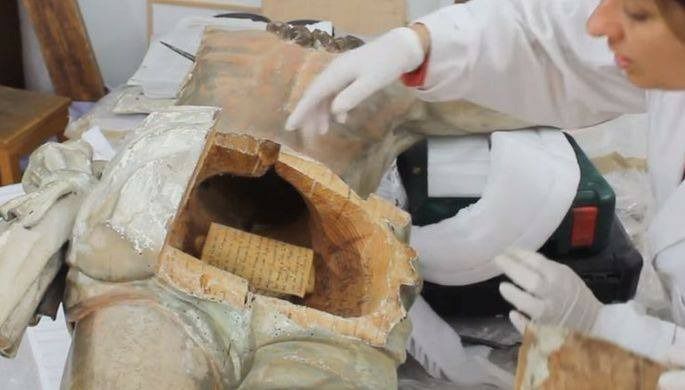
Una “cápsula del tiempo” en las nalgas de Cristo.
Se trata de dos pergaminos escritos por las dos caras en los que un capellán describió, en 1777, cómo vivía la gente de la época. El descubrimiento tuvo lugar en una iglesia de la localidad burgalesa de Sotillo de la Ribera (Castilla y León, España).
El documento, escrito con pulcra caligrafía, se extrajo del interior de las nalgas de la talla de un Cristo del siglo XVIII y está firmado por el capellán de la catedral de Burgo de Osma (Soria), Joaquín Mínguez. Las responsables del hallazgo son dos restauradoras de la empresa Da Vinci Restauro, que bajaron la imagen del Cristo del altar y retiraron un paño que protegía la parte trasera de la talla. Explican a la prensa que los pergaminos contienen información económica, política, religiosa y cultural.
@Swinxy Y añado, que antes de tener walkman, lo escuchaba en el bus que me llevaba al colegio!!!. La primera vez que lo escuche fue en el bus del cole, cuando salió Agila, la última hace dos años en el concierto de Valladolid.