"This exciting, original, life-affirming book will change your understanding of the way the natural world works." ―Sy Montgomery
THE CALL OF THE HONEYGUIDE by @RRobDunn is available August 26! Learn more: https://t.co/F6lTnyxtMO
⭐ Starred Review ⭐ “A gorgeous, authoritative, and philosophical directive to stop destroying the mutualisms of life.” ―@KirkusReviews
THE CALL OF THE HONEYGUIDE by @RRobDunn is on sale August 26! Learn more: https://t.co/F6lTnyxtMO
#Mutualism
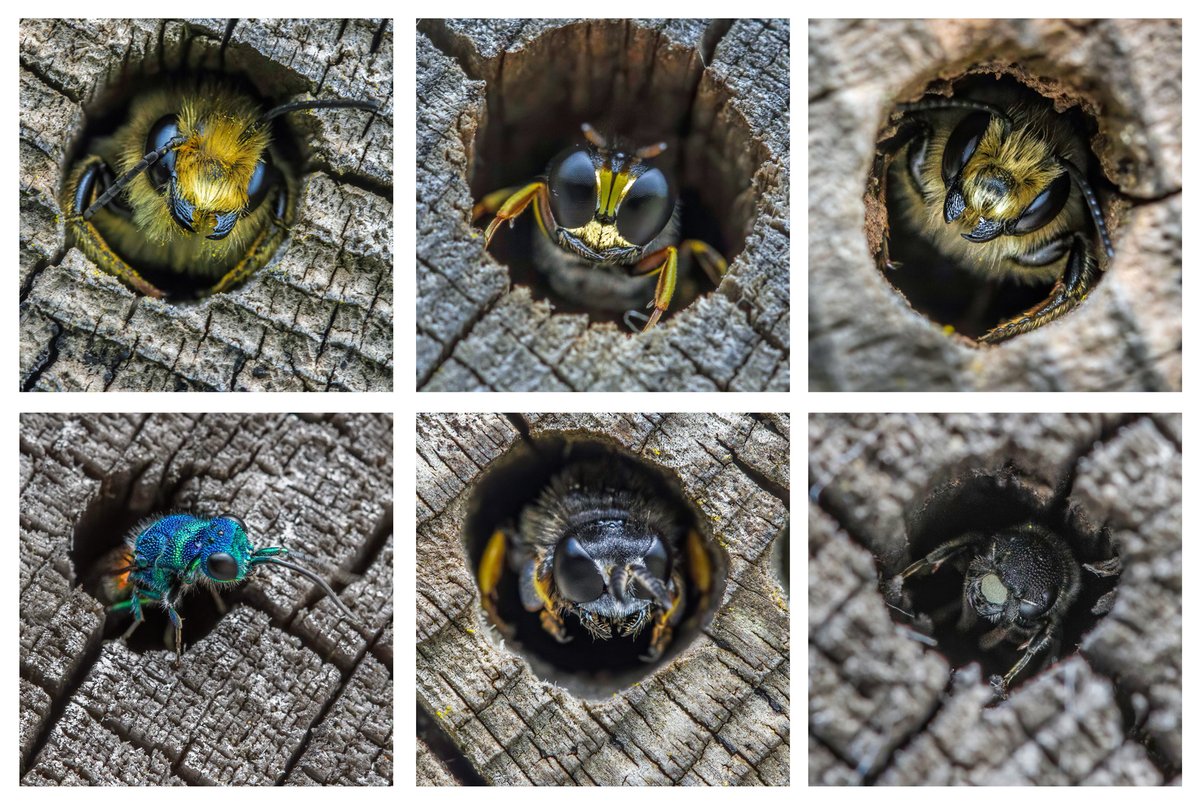
Some of the guests in our bee-hotel this weekend. We offer rooms 2mm to 10mm in diameter that attract mason and leafcutter bees; and other solitary bees/wasps (including parasitic/cuckoo species). Also get a range of interlopers that just need a room for the night. #Staffs
⭐Starred Review⭐ THE CALL OF THE HONEYGUIDE by @RRobDunn earns a wonderful review from @PublishersWkly! They say that the book is "stunning," calling it "a triumph of popular science.” Read more below ↴ https://t.co/r2BTz1b6pK
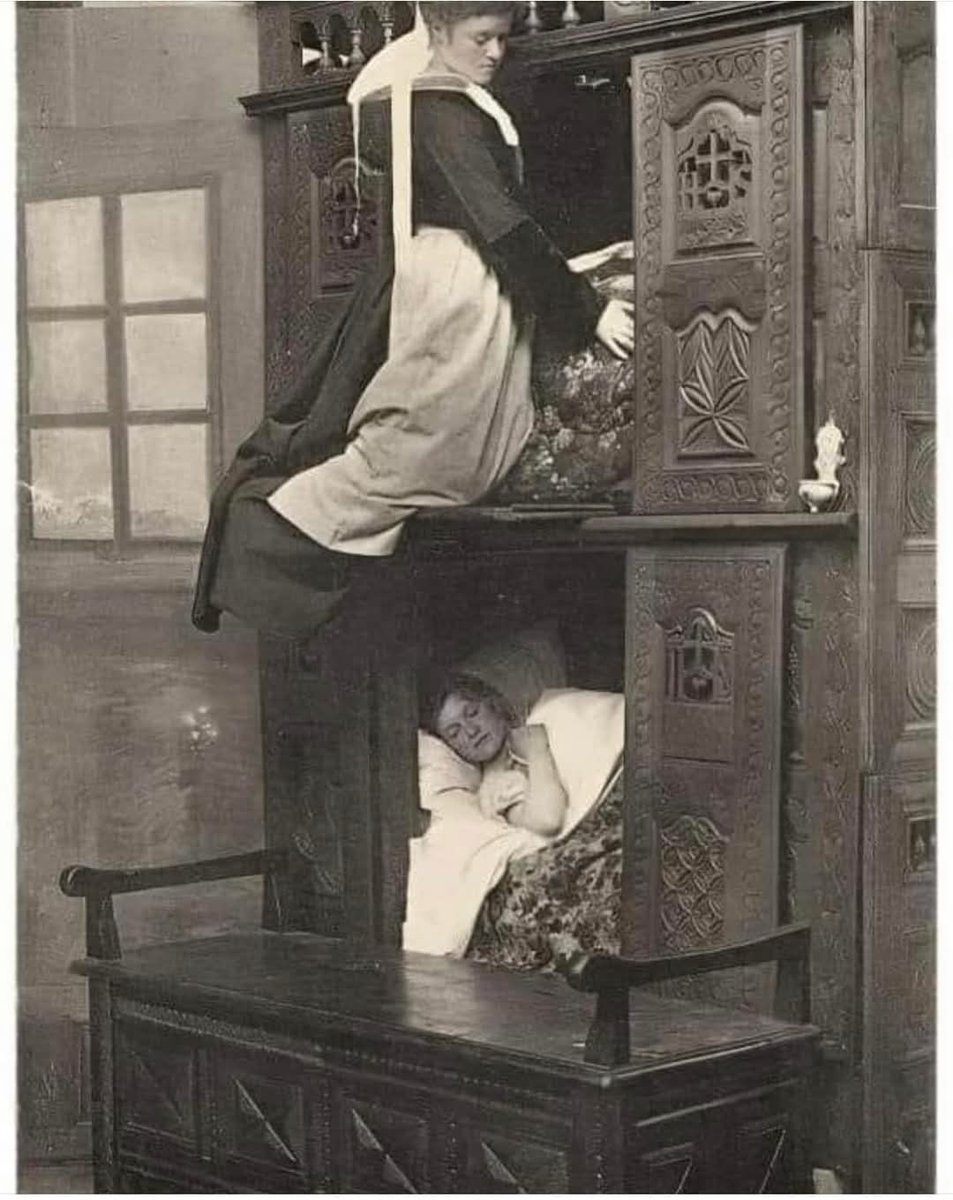
In the bitter winters of northern Europe, long before the era of central heating, families relied on flickering wood fires to stave off the cold. Once the final embers faded, the night air would creep into every corner of the home. To stay warm, a skilled and resourceful craftsman devised a practical solution: the box bed. Built almost like a wooden cupboard, these enclosed beds offered a sheltered space to sleep, protecting the occupant from drafts and preserving body heat after the hearth went cold.
Box beds first appeared in the late medieval period and spread across Europe, adapting to regional styles and materials. From the rugged landscapes of Scotland to the wind-swept plains of the Netherlands, these beds came in various forms but shared the same core idea—an enclosed, wooden space for sleeping, often with doors or heavy curtains. Rather than being seen as confining, many found them reassuring, a warm cocoon in otherwise chilly, uninsulated homes where warmth was precious and fleeting.
Surprisingly, box beds endured into the 20th century in some rural areas, a testament to their effectiveness and the craftsmanship behind them. Their continued use highlights a time when survival through winter demanded ingenuity and practical design. More than just furniture, box beds stand today as a symbol of resilience—an elegant, handmade response to the elemental challenge of staying warm through the darkest, coldest nights.
#drthehistories
Photograph of a cat named Samson perched atop a stone gargoyle at Knightshayes Court, Devon, exemplifying Victorian Gothic architecture. Photo Credit: National Trust.
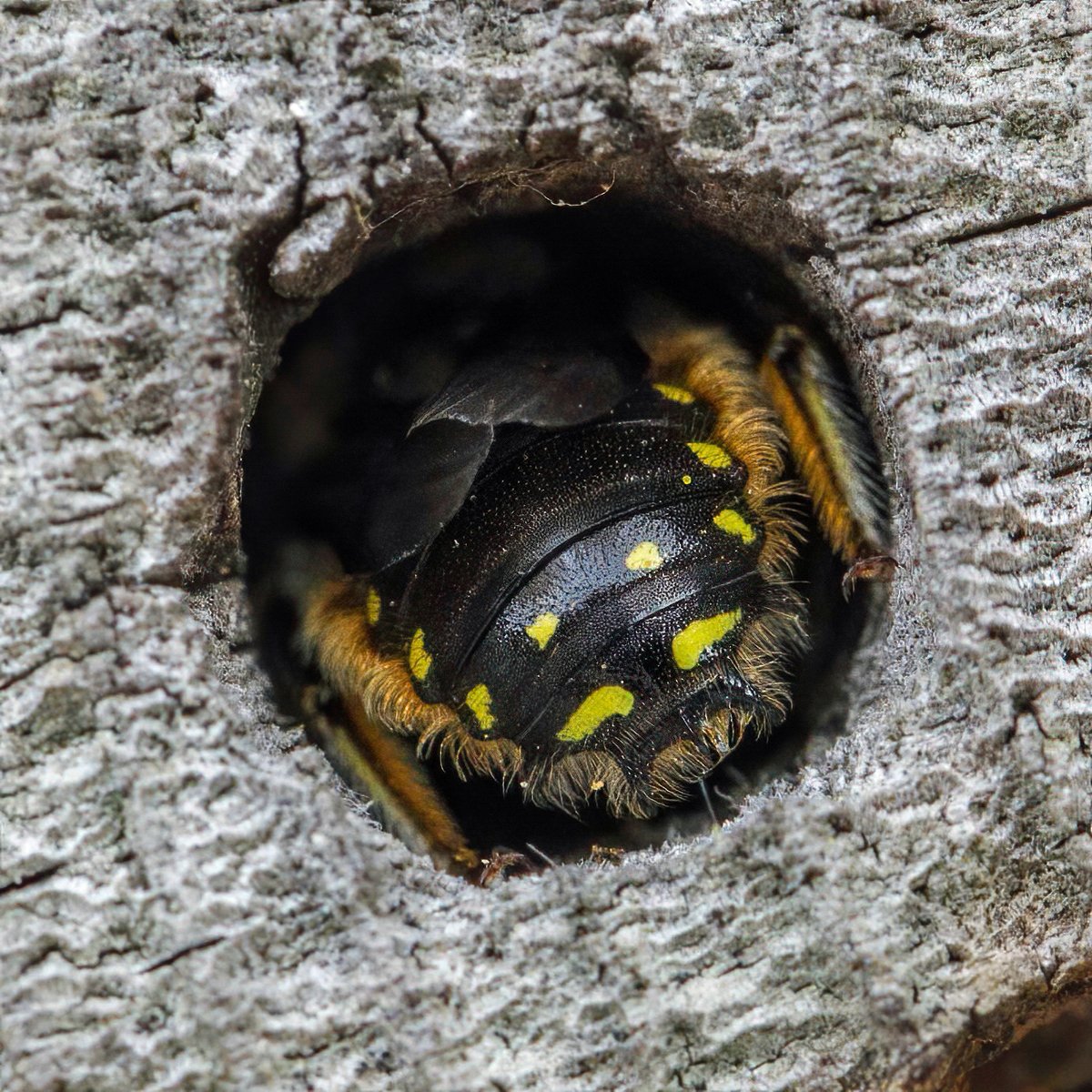
Well; who is this visiting our garden bee-hotel? It's Anthidium manicatum, the Wool-carder Bee! Looks like a male, just having a rest. #Staffs#bees#SolitaryBees
"Sun on a House, Dieppe," oil painting by James Proudfoot (1937). Proudfoot emphasizes architectural details through a precise handling of natural light, illustrating the quiet serenity of a sunlit street devoid of human figures.
James Proudfoot (1908–1971) was a Scottish painter known for his landscapes and depictions of urban environments. Active predominantly in the early to mid-20th century, Proudfoot was part of a movement among British artists exploring new realist techniques influenced by contemporary European painting trends. Dieppe, a coastal town in Normandy, France, frequently attracted artists due to its unique architectural character and quality of natural light.
Such a simple-looking subject, but US artist William J McCloskey makes it a study in the light falling on the fruit & wrapping, the intense colour of the oranges, the detail of the peel & paper, & the reflections on the tabletop (Wrapped Oranges, 1901) https://t.co/CQyjqjj4TT
Netherlands artist Ingrid Smuling’s oil paintings feature meticulously-rendered flowers and fruits in combination with old porcelain, earthenware and silver ~ here’s Rose Hips in a White Ginger Jar
https://t.co/3y4y2YqTXo