Frontiers in Ecology and the Environment: a home for interdisciplinary, problem-oriented research addressing current and emerging issues. An @ESA_org journal.
City life creates unexpected neighbors—and our November cover highlights research exploring how urban coyotes and people experiencing unsheltered homelessness can share space, creating new challenges for both human and wildlife well-being
Find the issue: https://t.co/Q43hCBGOat
New media tip sheet: From island snails and wildfire to urban forests, alpine wildlife, and carnivorous plants, the latest research from ESA journals explores some of ecology's biggest questions
📰 See what's new: https://t.co/lvLy1KQKJ8
Want to learn peer review by doing it, not by guessing?
The brand-new ESA Peer Review Academy offers editor-led workshops, mentored reviews, and time with ESA journal editors. 24 months, virtual.
Check out the agreed mentors and apply by Nov 15:
https://t.co/yhkSbbq1OB
What happens to protected areas when their tigers and rhinos go extinct? A new study examines the legacy of conservation money and investment after an area’s flagship species are gone. https://t.co/aNc1ML2OTE
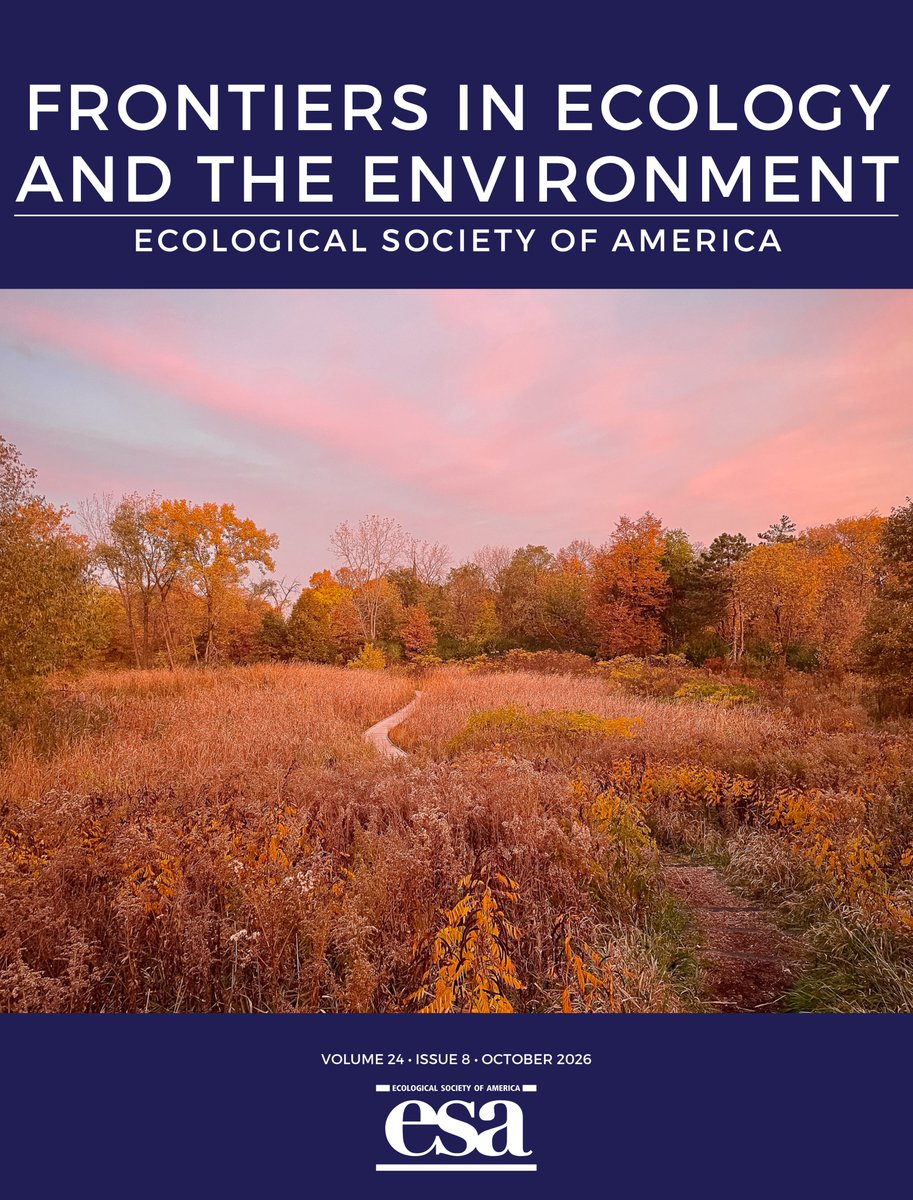
Take the scenic route to our new October issue, whose cover features Chicago parkland and highlights research showing that historically redlined neighborhoods often have fewer, smaller, and less-connected greenspaces
Browse the issue: https://t.co/iprjAPr1Yc
New paper: Combined ozone + NOx impairs pollinator performance more than either pollutant alone, but the effect is sub-additive because the two pollutants interact and partially offset each other.
This has implications for the energy transition: ground-level ozone is still projected to rise until mid-century before declining. Faster NOx cuts would shorten that peak and speed up pollinator recovery. 🐝
@jakecologist@cwagstaff@UniofReading@UniRdg_SAPD@ESAFrontiers
https://t.co/Ygnh3mfzTl
🔎Looking for ecology stories? Our latest media tip sheet highlights new research on sea slugs and conservation, insects as key decomposers, wildfire history in the Southwest, marine predators, and nature-positive development.
Read the full roundup: https://t.co/is5hXIozpB
How do giant salamanders reshape river food webs? Which species make the best ecological indicators? Read about these and three other new studies from ESA journals, featured in our latest research roundup!
📰 https://t.co/Ml5DF0qQ22
Introducing ESA's Peer Review Academy program for early-career researchers seeking practical training in peer review & scholarly publishing. 2 years of workshops, mentored review assignments & discussion with ESA journal editors.
Applications due 10/15: https://t.co/wDF5b9wCR4
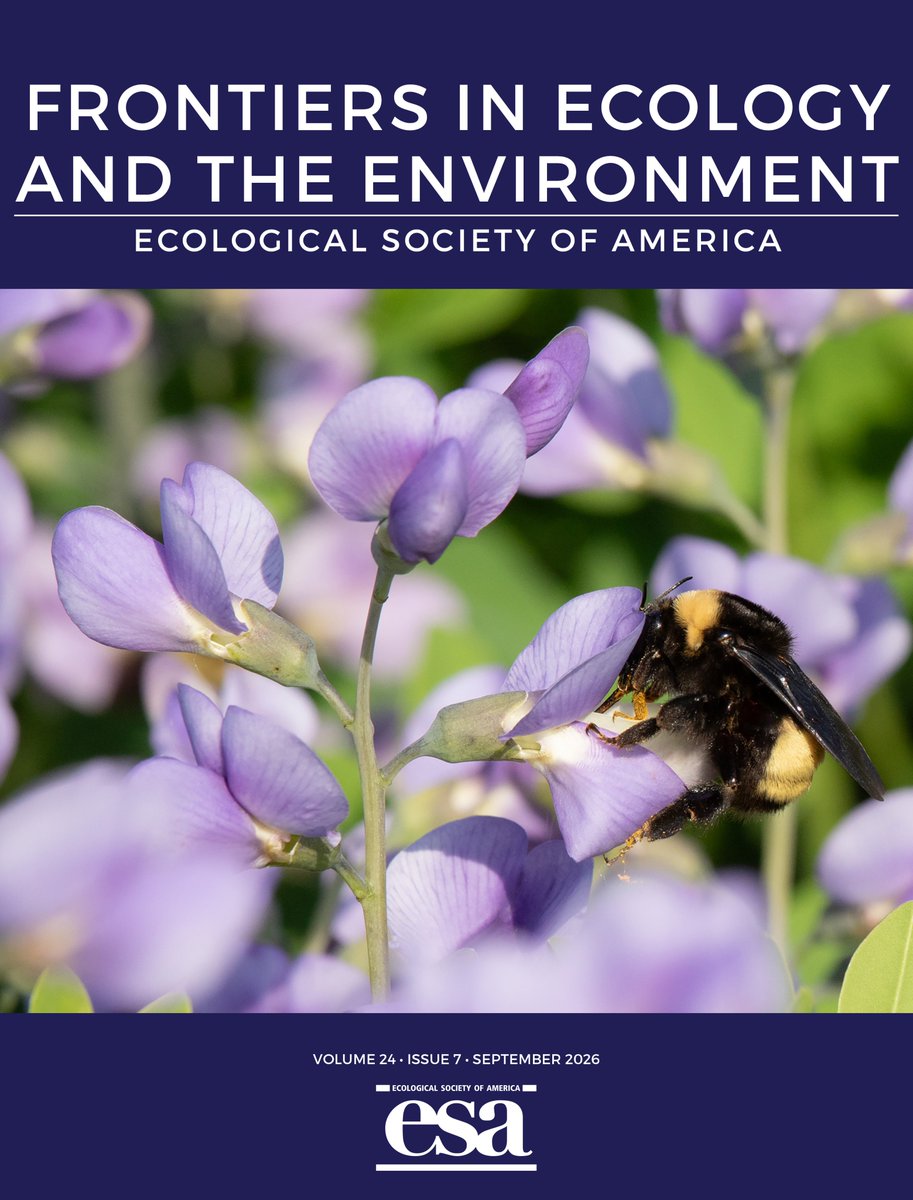
Our September cover is buzzing! A fuzzy bumble bee visits a sea of purple blooms, spotlighting research showing that pollinator gardening thrives because it’s flexible, inclusive, and welcoming to many paths to conservation
Browse the issue: https://t.co/Y0BzQtZbBR
Monarch conservation, invasive species policy, protected areas after flagship species vanish, fungal teamwork in forests, and bee-friendly urban farming: explore 5 new studies from ESA journals in our latest media tip sheet!
Read the full roundup: https://t.co/1rKBysHJGx
Researchers often focus on nest production or adult survival when planning seabird conservation efforts. But vast portions of the population are prebreeding young adults. A new study examined how to learn more and conserving this class of birds. https://t.co/MjjNWqVWVp
Hundreds of black-browed albatrosses grace our August cover. New research finds that prebreeding seabirds can make up nearly half of some populations, highlighting an often-overlooked opportunity for conservation
Find the full issue: https://t.co/KCVj1ZWo8N