This is not a direct quote from Romans 8:28, but rather a theological explanation of God's wise and providential actions in working good through the hardships faced by His people. It echoes Romans 8:28 and other passages from the Bible.
25 Ideas, Lessons, and Opinions I've Discovered from Reading St. Augustine of Hippo (354-430):
1. Open the Bible and read it.
2. God created everything from nothing.
3. The world was brought into existence along with time.
4. Original sin has been inherited by all of Adam's descendants.
5. Sin can be compared to a hereditary disease, a controlling force, or being convicted in a court of law.
6. Sin frequently manifests as tangled or misguided loves.
7. Self-obsession is reflected in sin.
8. Salvation depends entirely on grace.
9. God predestined the elect.
10. Peace is only achievable through resting in God.
11. Adore the Triune God.
12. Creatures can never fully express God's splendor.
13. God is the supreme being of the highest excellence.
14. God is timeless.
15. Faith ought to pursue understanding.
16. Extreme skepticism undermines itself.
17. Evil acts as a parasite, feeding off of goodness.
18. Divine illumination renders the world understandable.
19. Eternal truths are real and can be understood through reflection.
20. Pelagianism, Donatism, and Manicheanism are harmful heresies.
21. Studying rhetoric holds significant value.
22. He favors Latin Virgil over Greek Homer.
23. Plato and Plotinus are perceptive philosophers.
24. Biographies are a wonderful literary genre.
25. Be prepared to admit and correct your mistakes.
"I have said these things to you, that in me you may have peace. In the world you will have tribulation. But take heart; I have overcome the world" (John 16:33).
Humble yourselves, therefore, under the mighty hand of God so that at the proper time he may exalt you, casting all your anxieties on him, because he cares for you (1 Peter 5:6-7, ESV).
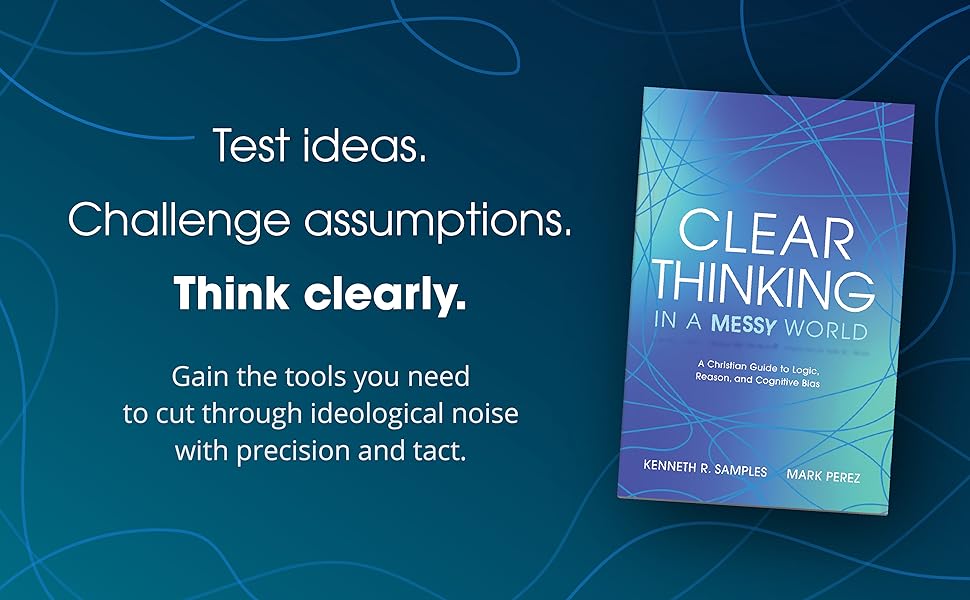
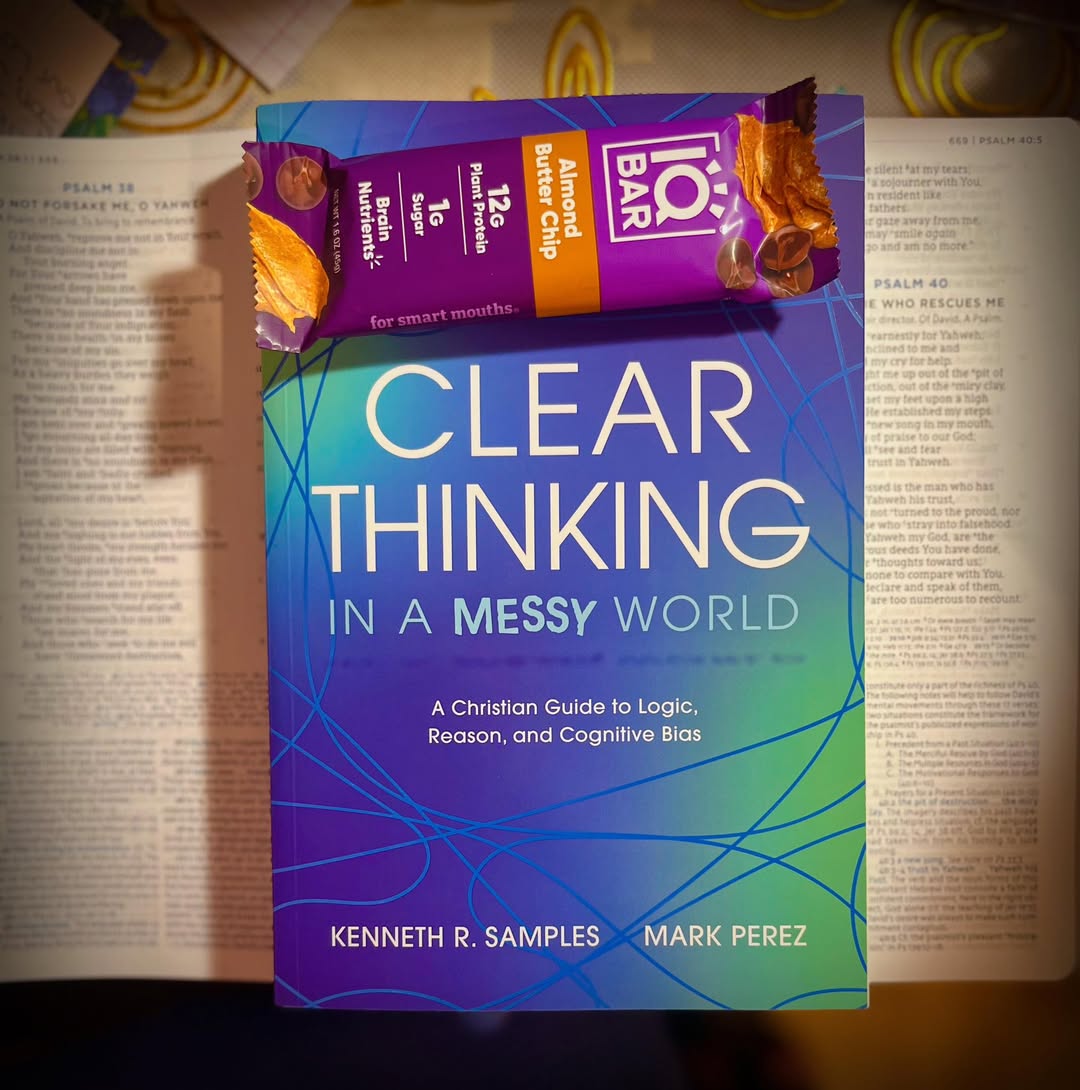
“As someone who has taught critical thinking for high schoolers and college students for years, I am genuinely excited to see this book! It’s a clear and engaging text for homeschoolers, teachers, and anyone who wants to be a learned Christian. It also offers very practical ways churches can integrate critical thinking into services and small groups. Further, Clear Thinking in a Messy World will inspire and motivate readers to regain the church’s intellectual heritage and be thoughtful Christians in a world of thoughtlessness.”
—J. Brian Huffling, PhD
Director of the PhD Program and Associate Professor of Philosophy and Theology, Southern Evangelical Seminary
Jesus was a Sage Logician
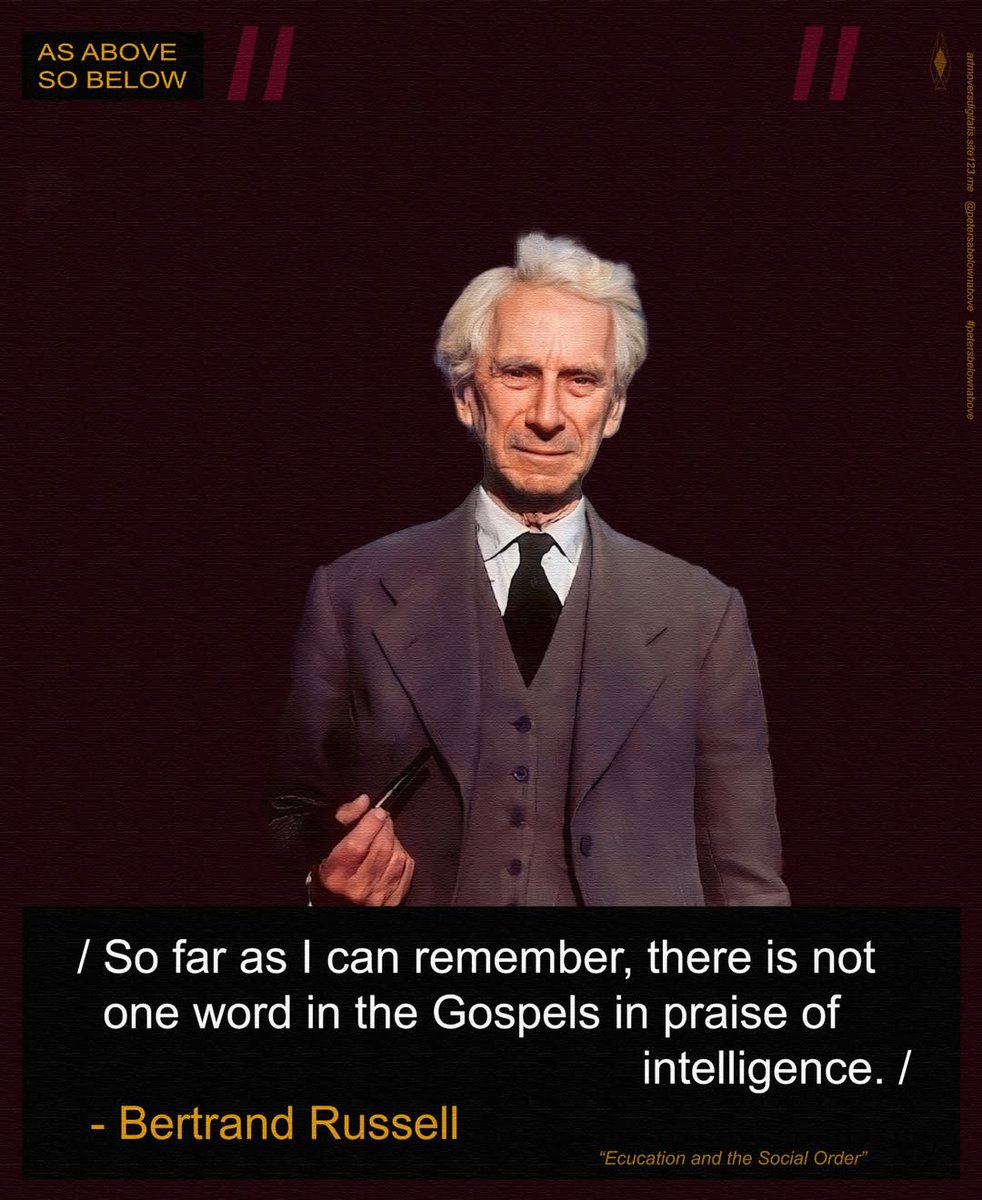
Intelligence, as a rational skill, is the ability to apply reason and logic to solve problems, evaluate evidence, and develop sound arguments. Jesus was masterful at this.
Wisdom, as a moral virtue, extends beyond mere intellectual ability; it entails acquiring knowledge and applying it through sound moral judgment. Jesus was also masterful at this.
The biblical concept of discernment encompasses both rational skill and moral virtue.
Why Jesus? Why not Buddha or Muhammad?
I’m often asked this question. I wouldn’t be surprised if you’ve been asked this question, too.
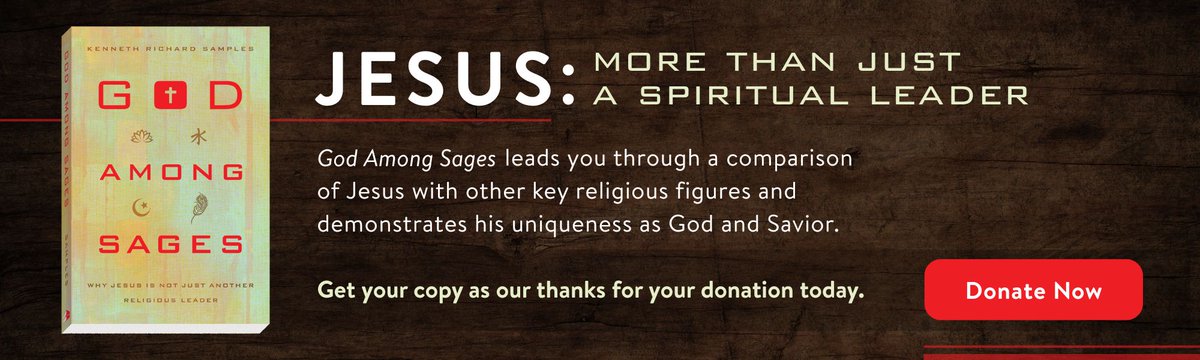
So, why Jesus? What sets Jesus apart? Few questions hold greater importance, and God Among Sages offers my answer.
I provide a biblical and historical portrait of Jesus, showing how he stands alone—utterly unique—when compared to figures such as Krishna, Buddha, Confucius, and Muhammad.
I tackle topics like religious pluralism and exclusivism, hopefully equipping you with confidence to share why Jesus isn’t just a teacher but the Savior of the world. For seekers, it illuminates the truth that Jesus is the way, the truth, and the life.
God Among Sages aims, by God's grace, to strengthen faith and open hearts to the gospel. With the cultural tide shifting against the notion of absolute truth, I believe this book’s content is more needed than ever.
https://t.co/839uGpxQ8Y...
Some of the influential books I discuss in my book Classic Christian Thinkers:
1. Confessions: Augustine
2. On the Incarnation: Athanasius
3. Mere Christianity: Lewis
4. Summa Theologiae: Thomas Aquinas
5. Small Catechism: Luther
6. Institutes of the Christian Religion: Calvin
7. On the Trinity: Augustine
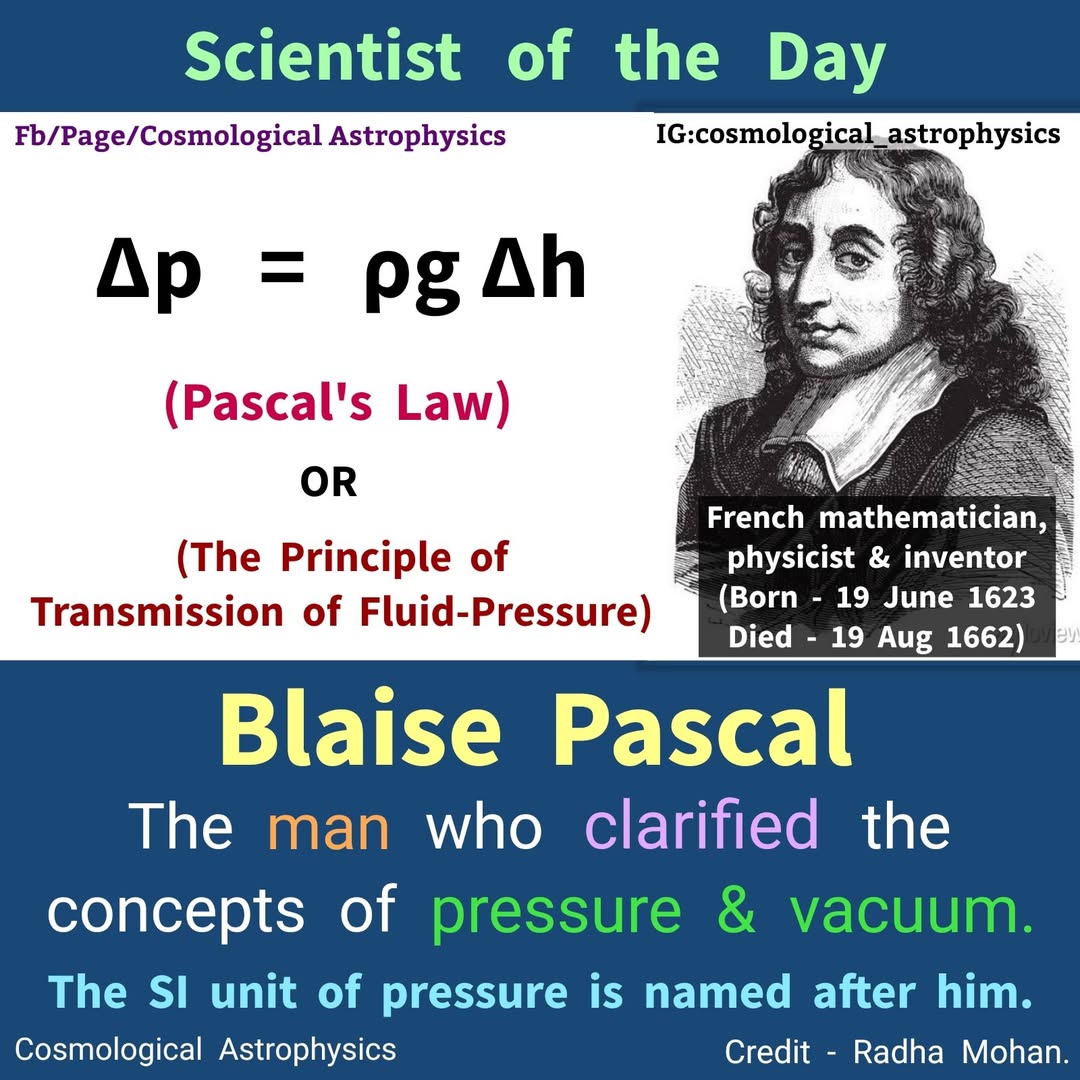
8. Pensees: Pascal
9. Cur Deus Homo: Anselm
10. The City of God: Augustine See less
How about a crash course on Christian eschatology in which all major views are carefully considered and common ground emphasized?
Education instead of polemics.
I report, you decide.
Science Explorist
August 23 at 9:04 PM ·
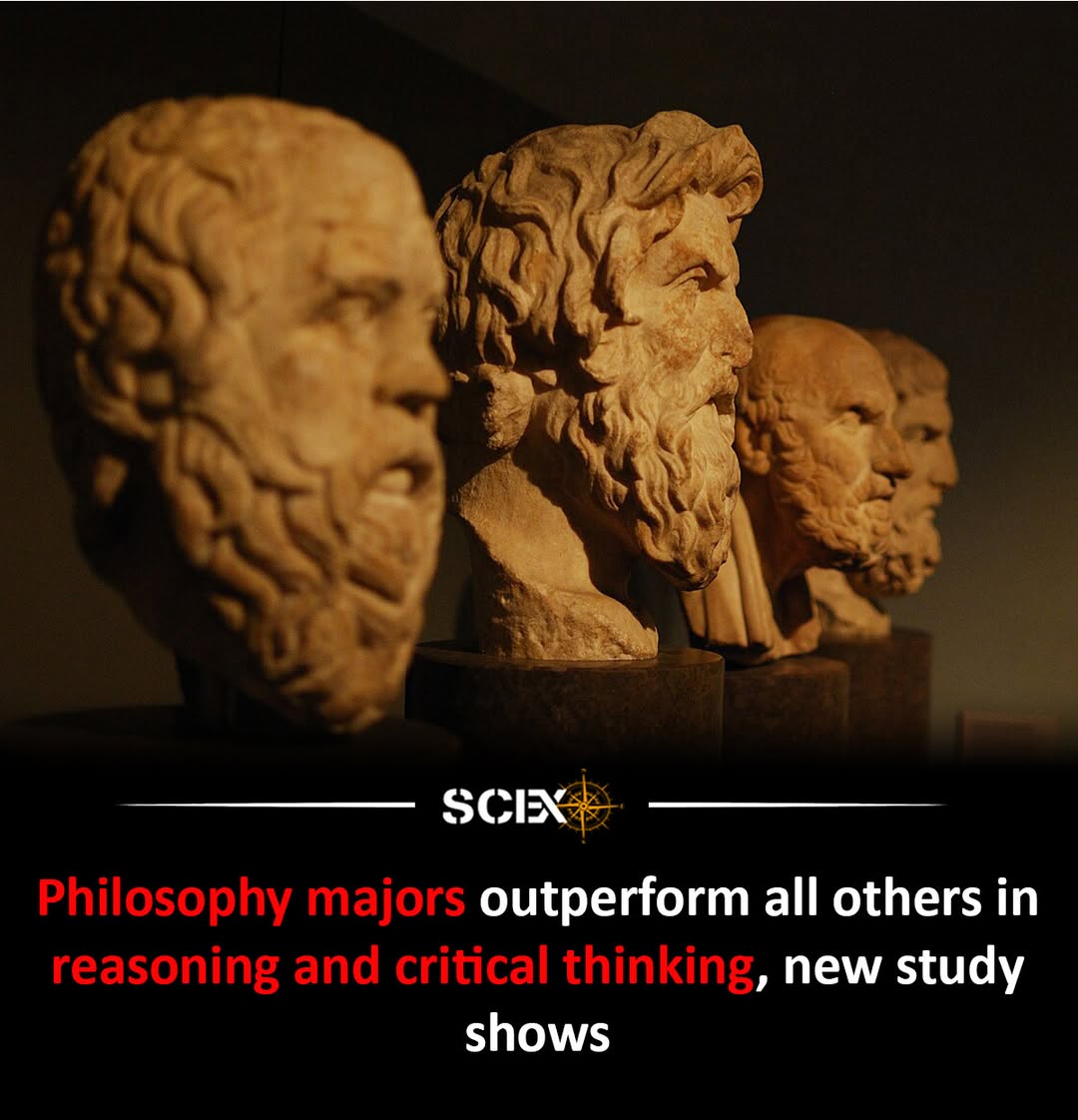
📷 Think philosophy is just abstract theory? Think again.
A massive study of more than 600,000 college graduates has revealed that philosophy majors develop the sharpest thinking skills of all.
📷 Published in the Journal of the American Philosophical Association (2025), the research shows that students who major in philosophy consistently outperform peers in verbal reasoning, logical problem-solving, and critical reflection—even after adjusting for initial ability.
What’s more, philosophy students reported greater curiosity, open-mindedness, and intellectual self-reflection by graduation. In other words, philosophy doesn’t just attract great thinkers—it helps create them.
At a time when AI is reshaping the future of work and public trust in higher education is declining, the study highlights a crucial truth: the ability to question assumptions, navigate ambiguity, and think critically is more valuable than ever.
Far from being “impractical,” philosophy equips students with skills essential for leadership, innovation, and even democracy itself. It teaches not what to think, but how to think.
📷 Source: Vazquez, M., & Prinzing, M. (2025). Journal of the American Philosophical Association, August 21, 2025.
#Philosophy #CriticalThinking #HigherEducation #LiberalArts #AIandHumanity #FutureSkills #EducationMatters #ThinkingSkills #PhilosophyMatters
Walter R. Martin (1928-1989) had a profound influence on my early Christian journey and my development as a Christian thinker. I deeply miss his sharp mind, quick wit, and most of all, his courage (guts) to stand up for historic Christianity.
HT: Walter Martin Jude 3