Our MorbidGenes panel comprising all genes of diagnostic relevance is now available at https://t.co/9fwcQiVzmI 🧬
Also check out our recent preprint on how the panel is generated 👇
The MorbidGenes panel: a monthly updated list of diagnostically relevant rare disease genes derived from diverse sources https://t.co/D0X3Kwxaa8 #medRxiv
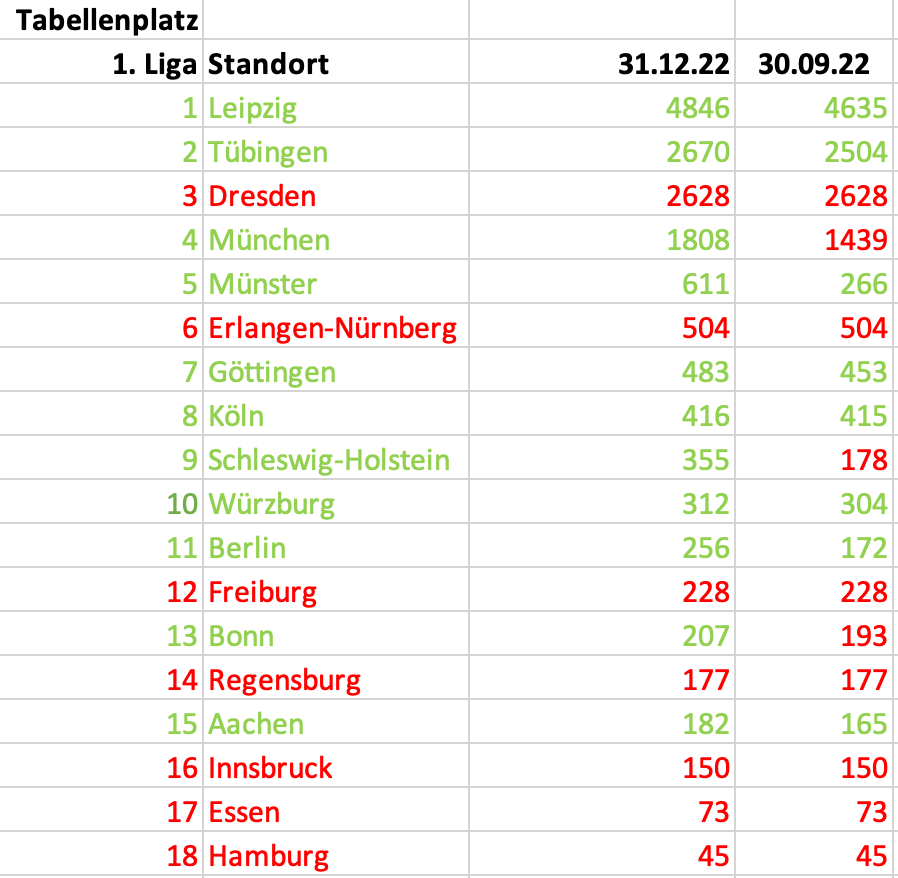
Reimbursement of clinical genome sequencing is about to start in Germany, and here are this quarter's climbers in the #ClinVar charts: Tuebingen, Goettingen, Bonn, Bochum, and Duesseldorf. Congrats! What do you want to see next?
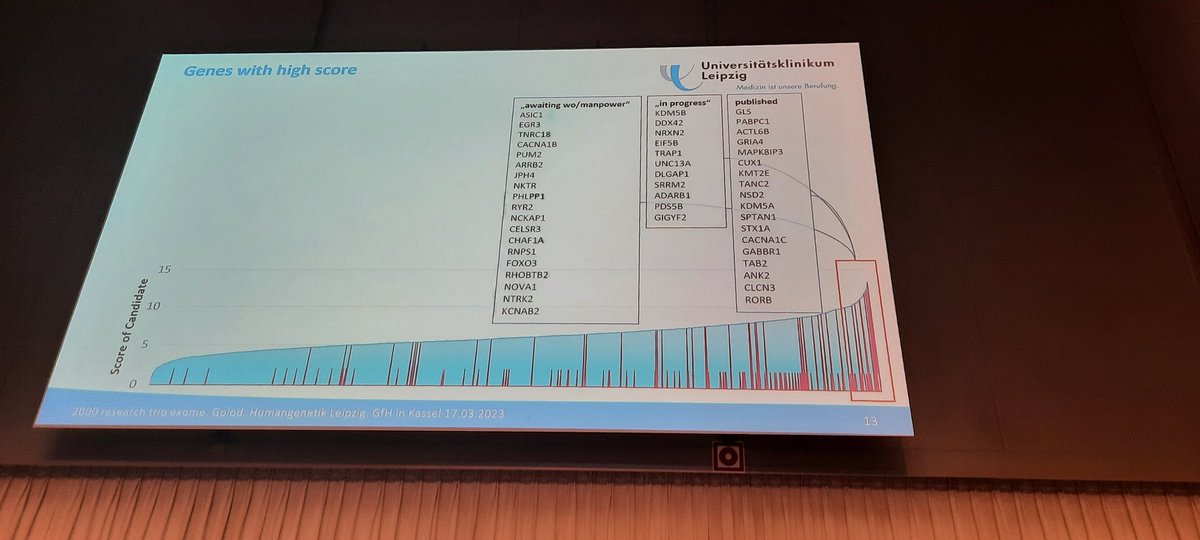
Find our complete list of candidate genes on Zenodo! 👉 https://t.co/WogUL45nhT
If you see your favorite gene in our list, drop us a message to get in touch 🤙
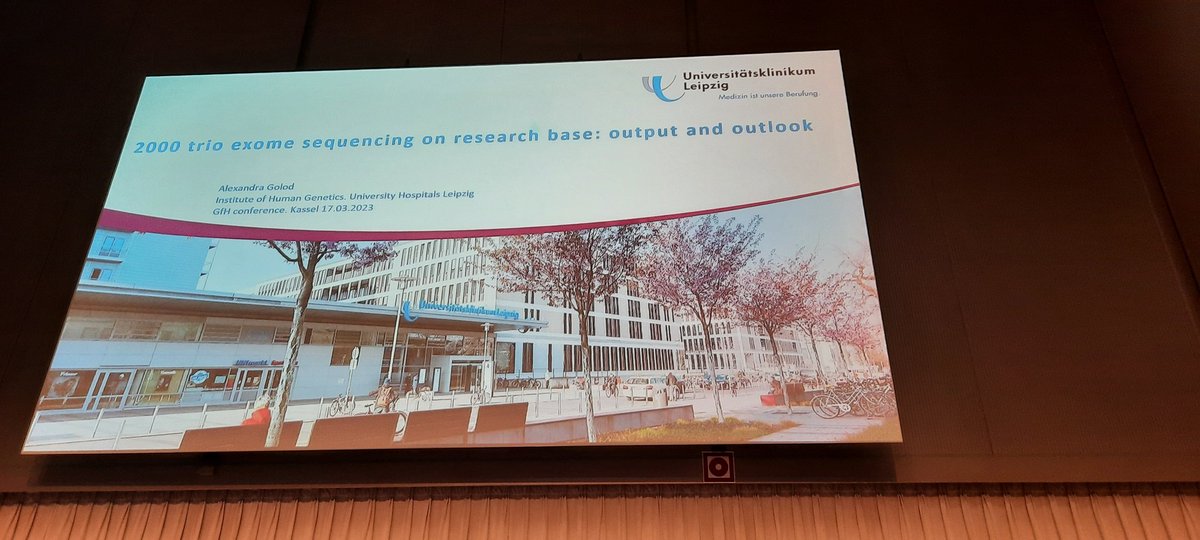
Hey #GFH2023. I have noticed that OMIM is often the reference for gene-disease associations. Unfortunately, new curation of new genes is often a delayed. But there is hope for you from @hug_leipzig
https://t.co/iq9TNhF7LN
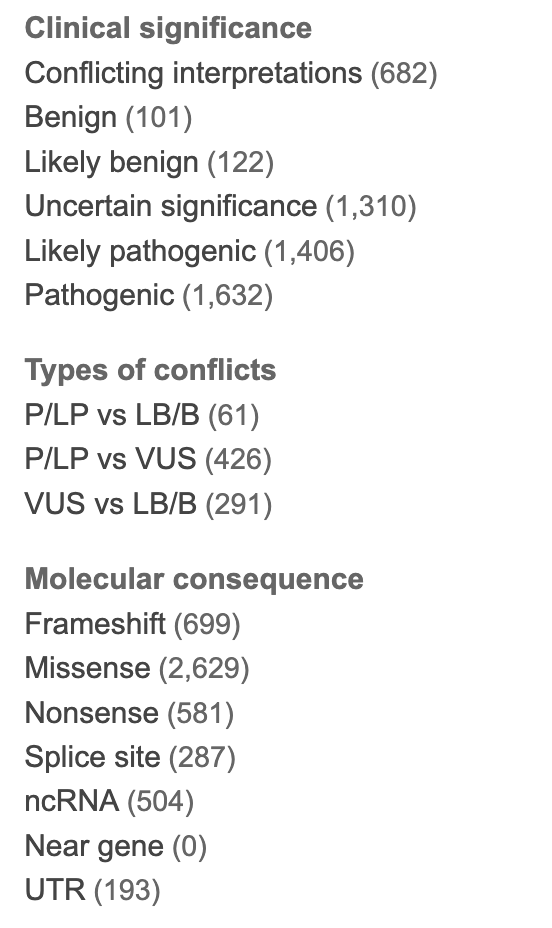
ClinVar analytics: let's analyze the Leipzig case in more depth. It's a team of around 8 clinician-scientists that see patients. In average, the team shares 20 variants per week with the community. Their PLU ratio is roughly 1:1:1
Here are the ClinVar charts for Q4 2022 and a lot has happened! Vizemeister ist nun wieder Tübingen vor Dresden. München schließt auf zu den Medaillenrängen. Münster rückt 5 (!) Plätze vor. Ebenfalls aufgestiegen sind Schleswig Holstein und Berlin. congrats!
But how exactly can clinicians in routine diagnostics contribute to the delineation of rare disorders ❓
1. Upload your variants to public databases like #ClinVar 🖥️
2. Perform regular re-evaluations 💡
3. Write case reports or contribute your variants to larger cohorts 👥
🚨 Happy to share my first paper in the field of Human Genetics! 🧬 Routine diagnostics can in fact provide valuable information on disease associations & novel #MorbidGene|s. A thread & feasible recommendations for diagnostic departments with @RamiJamra:
https://t.co/7llXCNBfi4
In a retrospective evaluation of nearly 10k NGS analyses, we validate and delineate novel gene–disorder associations and provide additional evidence for rare or novel disorders 📋 The data was generated as part of our routine diagnostics, without extensive research efforts 🔬
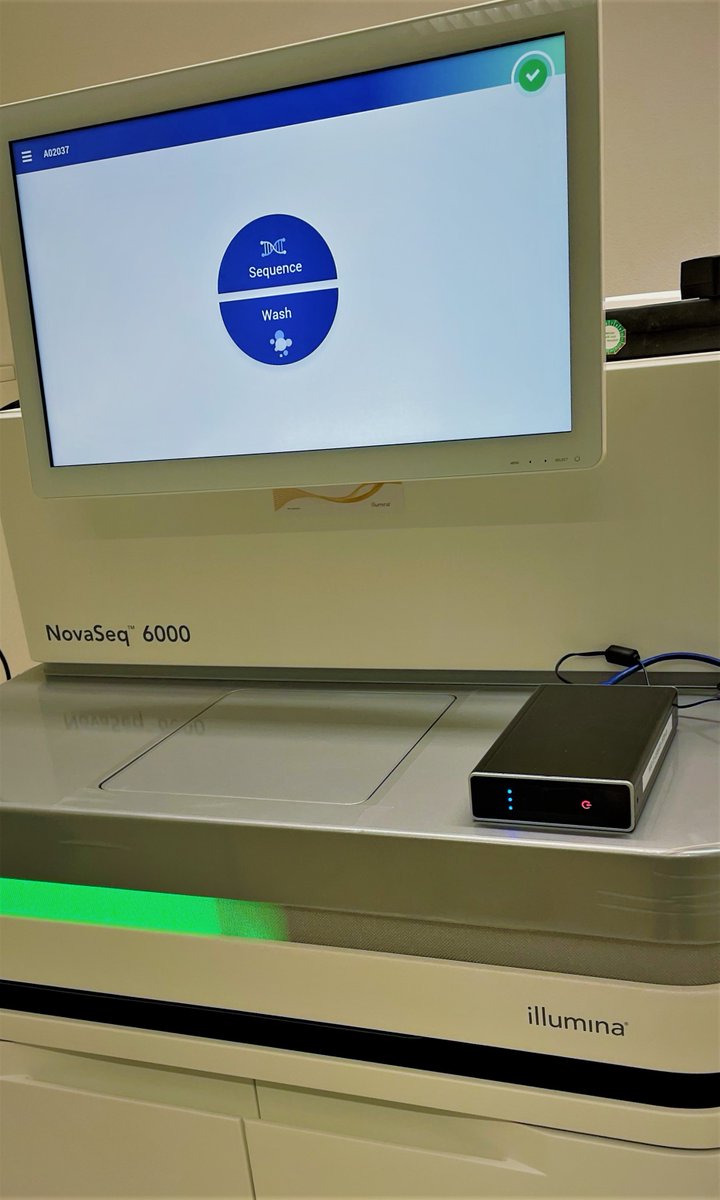
finally🤩the NovaSeq 6000 is here. Next date is the handover and introduction by @illumina for our team. We can't wait to get started! #innovation#NovaSeq
🚨 Now out in AoO w/ our own @Stephan_HolgerD formerly at TU DD:
„14% of patients with rare cancers and/or younger age of onset carried a pathogenic germline variant. 45% of all P variants supported informed therapeutic recommendations w/ a therapeutic benefit in 40%.“ 👌 👇
🚨 Case report in @EpilepsiaJourn on a first AR #GRIN2A family by our colleagues @lemke_johannes & Vincent Strehlow w/ @SteveTraynelis.
„There are marked parallels to two previously published families w/ severe epileptic encephalopathy due to homozygous null variants in #GRIN1“
Our work on gene expression profiling in patients with 15q13.3 microdeletion syndrom has just been accepted for publication in Scientific Reports @SpringerNature
https://t.co/JxbY8Hnhya a concerted effort of @authors. 🧠🫂 🧾
Have a relaxing weekend! #NewsUpdate#HappyFriday