ካብ ሎሚ ንትበልጽ ጽባሕ ― One clear trend stands out in #Eritrea: meat and milk production has been steadily improving, and both have become more affordable each year.
This progress reflects regulated cattle imports along with the expansion of dairy farms and feed supply across the country.
A wild and almost unknown land in East Africa: bordered by #Sudan, #Kenya, British #Somaliland, #Eritrea, and what was then Italian Somaliland.
'Free Abyssinia' – thats how the British news agency in a 1941 Reuters report described the land we call Ethiopia today.This rare archival video footage reveals significant historical details that strongly indicate Eritrea was already recognized as a distinct and far advanced country long before being federated with or annexed by Ethiopia (Abyssinia).
Key points from this 1941 British second world war report:
1)Abyssinia is described as “a wild and almost unknown land in East Africa bordered by Eritrea” – explicitly listing Eritrea as a separate neighboring country.
2) Abyssinia (Ethiopia) is called “the first country to be restored to its own people” after being occupied by Fascist Italy and its Axis allies, and other nations under Nazi like Holland, France, .... will also be liberated by the allies.
3) The freedom of Abyssinia was carried out by the British Empire
4) Emperor Haile Selassie was greeted upon his return by the British General Commander in East Africa, General Cunningham (commander of forces in Abyssinia). He was in Addis Ababa months before Haile Selasie.
5) Nigerian troops (serving under the British) formed the guard of honor.
Footage of central Addis Ababa in 1941, around the Menelik Palace, shows a city of mud houses and dirt roads with virtually no modern buildings – in stark contrast to Asmara (Eritrea), which at the time was already a planned, modern city with paved roads, European-style architecture, and advanced infrastructure built during Italian colonial rule."
@GhideonMusa It was wonderful reconnecting with you last March. Pass along my greetings to your friend (my dad) up there. May Jigna rest in peace. I'd also like to express my gratitude for Jigna's dedicated service to the country and its people.
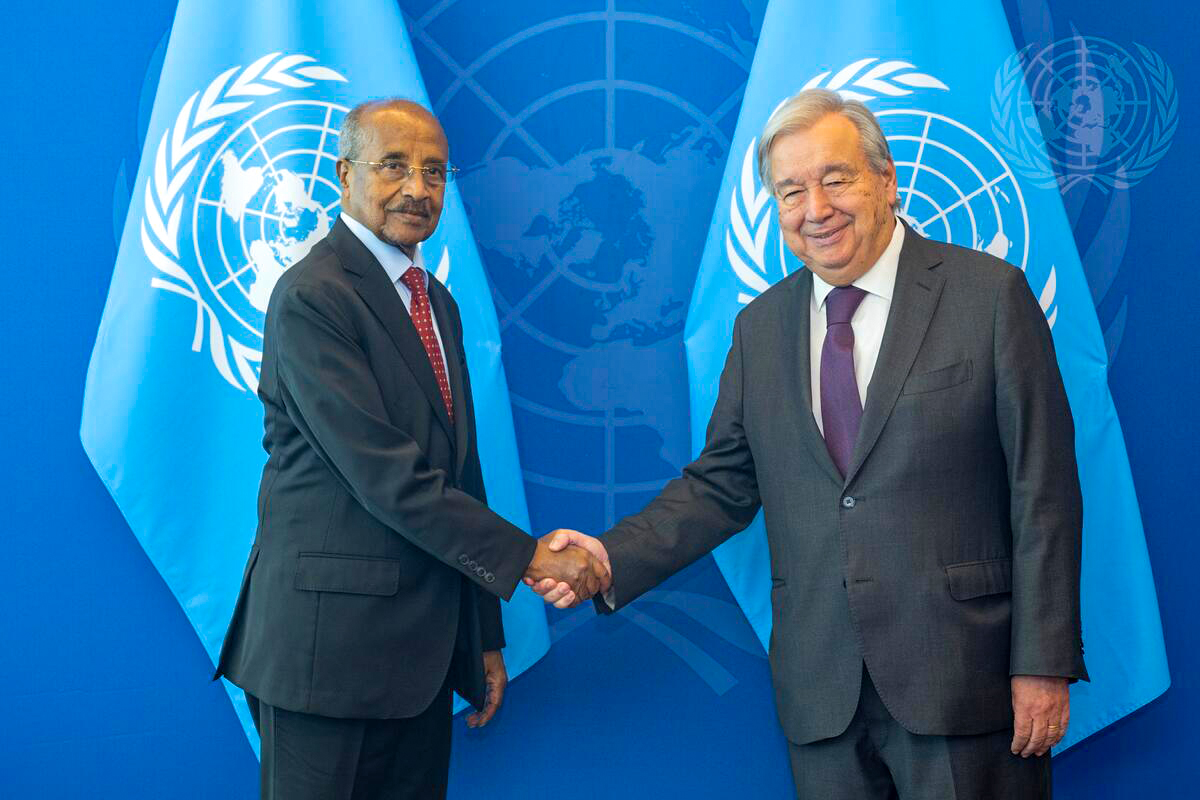
H.E. Mr. Osman Saleh Mohammed, Minister for Foreign Affairs of the State of #Eritrea met UN Secretary-General António Guterres in NY.
The Secretary-General and the Minister discussed peace and security in the Horn of Africa region, as well as ways to strengthen development cooperation and partnerships between the United Nations and Eritrea.
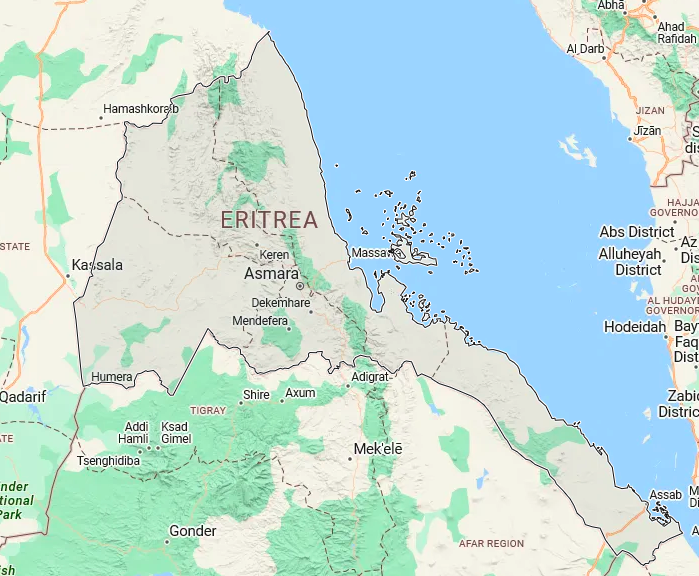
🇪🇷 This is #Eritrea. A nation carved by resilience, standing proud in the Horn of #Africa. From the modernist gems of Asmara to mountains, coasts, and deserts, it carries the story of struggle, beauty, and culture woven into its land.
#Africa#Asmara#Eritrea
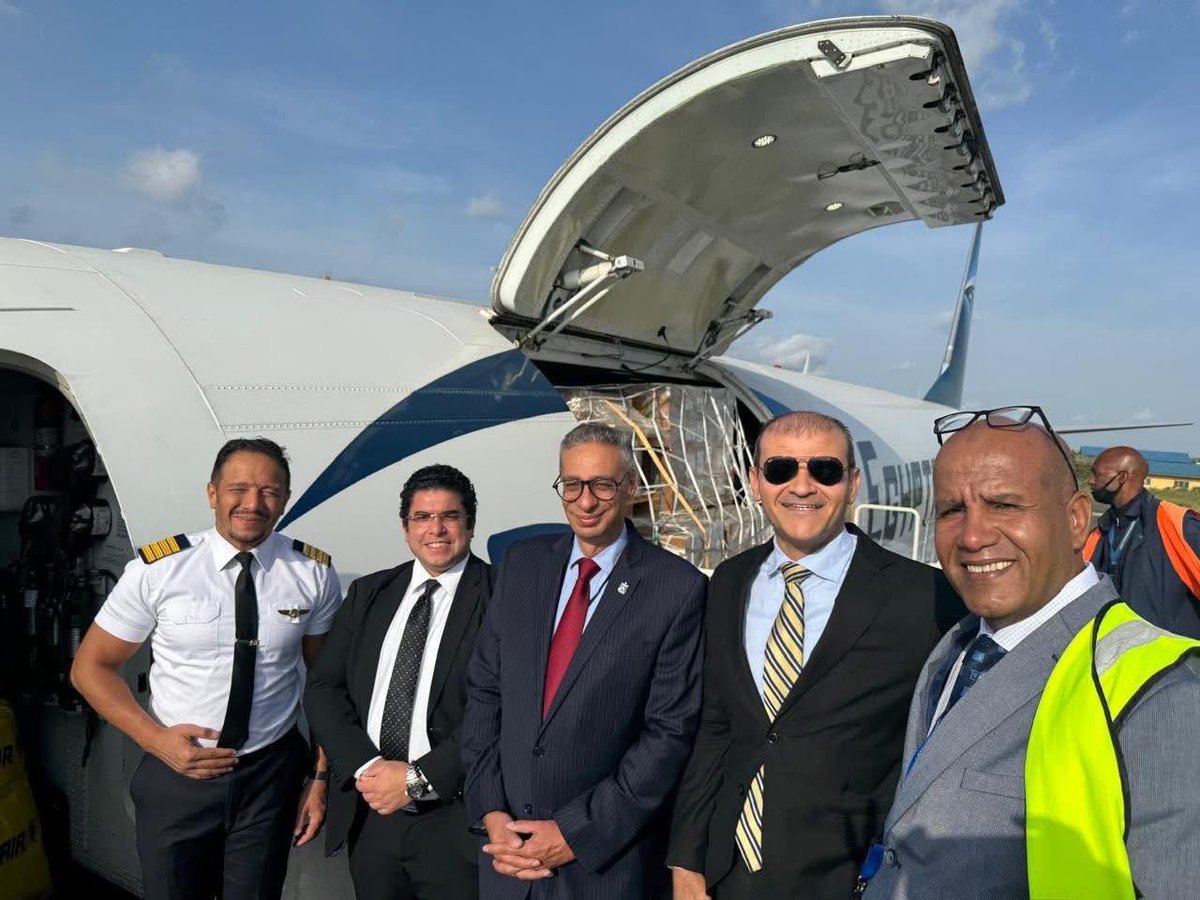
A shipment of medical supplies from Egypt arrived today at Asmara International Airport, offered as a gift to the Eritrean people in a gesture underscoring the close and strategic ties between the two nations.
The medical aid, formally handed over to the Eritrean Medicines and Food Administration, includes essential equipment in the fields of ophthalmology and dialysis treatment.#Eritrea #Egypt
https://t.co/MsfrQM72Hn
ነቅ ዘይብል ጹኑዑ ከም ኣቦታቱ🇪🇷😍
According to the Daily Mirror:
Eritrean Swede Alexander Isak has spoken to the Liverpool manager and completed an internal deal to join the club.Isaac has agreed a £13m/year deal with Liverpool until
The transfer process is 4 days away.
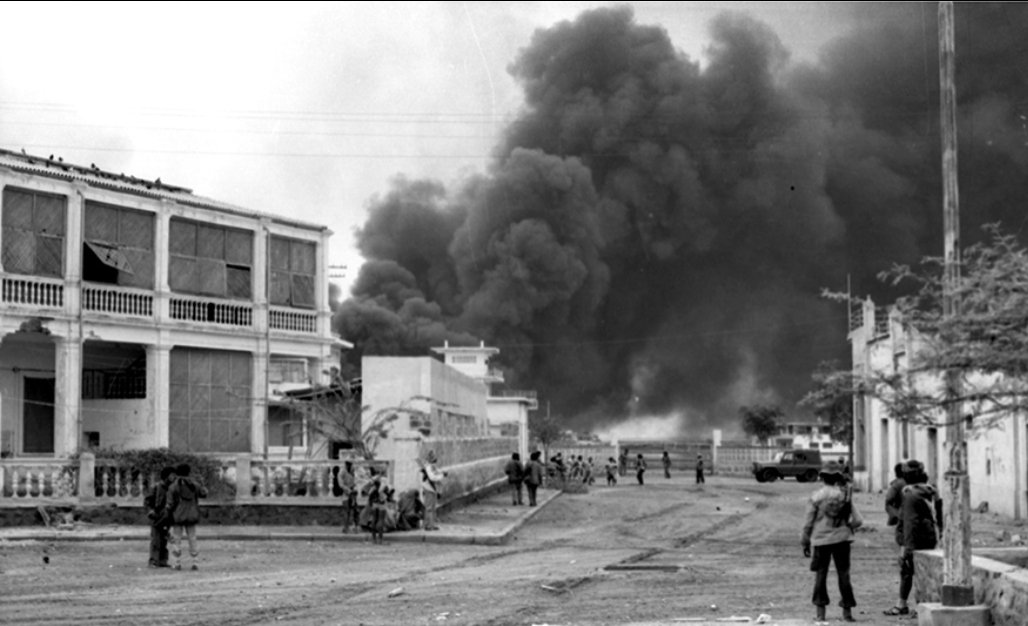
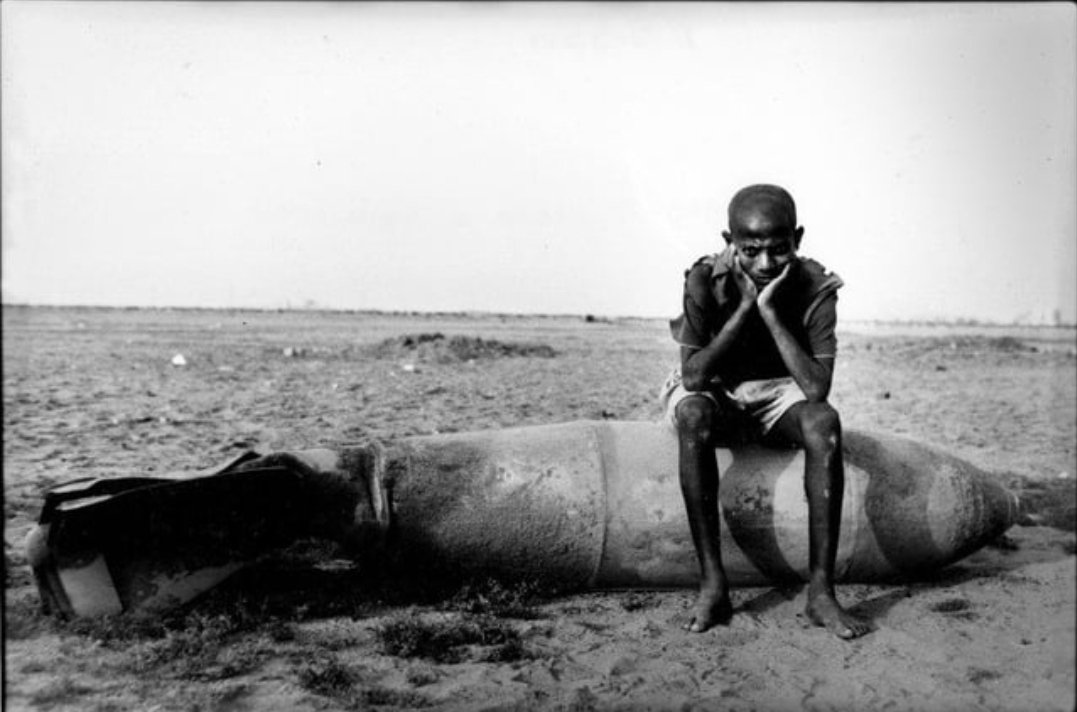
Echoes of Massawa: A Warning to Revisionists, "We Do Not Forget".
After the fall of Massawa to the Eritrean People's Liberation Front (EPLF) in February 1990, the Ethiopian Air Force engaged in a campaign of sustained and indiscriminate bombing against the city and its civilians. The attacks began just days after the EPLF captured Massawa on February 11, 1990.
The initial strikes targeted warehouses of food aid—particularly about 50,000 metric tons of US-donated wheat meant for famine relief, of which half was burned.
Napalm and phosphorous bombs were used, and their aftermath, nearly 200 civilians—mostly women and children—were slaughtered, many forced into the unspeakable role of human shields by the retreating Ethiopian army. The bombings did not spare the innocent: they rained down on homes, aid depots, and desperate families who had fled the front lines in search of safety.
Critical infrastructure was reduced to rubble, choking off the delivery of food aid to tens of thousands and condemning many more to hunger, suffering, and death.
We have not forgotten those flames that scorched our people, the cries that echoed through shattered streets, or the innocent lives snuffed out beneath indiscriminate Ethiopian bombs.
Our mothers, fathers, and children became targets in their own homes—sacrificed not for war’s logic, but to sate a vengeful state desperate to punish a people’s yearning for freedom.
The world saw, and we remember. The air raids, napalm, cluster bombs, and phosphorus were not weapons of war but of collective terror, visited upon civilians whose only crime was to dream of self-determination.
Colonel Bezabih Petros was a pilot trained at both Williams Air Force Base in Arizona (USA) and Ligov Air Base in the USSR. He was twice shot down and captured by the Eritrean People’s Liberation Front (EPLF): first in April 1984, and again on 6 June 1998 during the Ethio-Eritrean war, after Eritrea’s liberation. While in captivity, he reflected on the bombings, stating:
" We definitely know civilians will get hurt. But, knowing that the people sympathise with the rebels, the order is to bomb everything that moves."
Both journalistic and human rights investigations corroborate these tolls( Human Rights Watch July 24, 1990; Africa Watch 1990, Neutered 16 May 1990, Oxford University Press,1990)
Now, after all this, the rhetoric rises again from Addis Ababa. Revisionists speak of sea access—not through dialogue or respect, but with threats and the glint of aggression, echoing past arrogance. Let them be warned: those who forget the agony they inflicted, who imagine history is theirs to rewrite, are mistaken. “History will repeat itself”—so long as you forget its darkest lessons, you set in motion the very calamities you once unleashed. The blood of Massawa is not dust on the street; it is the memory in our veins and the fire in our resolve.
To all who would trample our sovereignty, heed this: the wound is unhealed, the people unbroken, the memory unforgiving. For every threat of force, history sharpens its pen anew. Do not forget. We have not.
On August 8, 1997, Eritrea notified the UNSC that the Sudanese government, led by then Islamic Salvation Front, was deploying troops along the Eritrean border and had violated Eritrea's sovereignty by: dropping cluster bombs on Karora, within Eritrean territory, on July 24, 1997 using an Antonov military aircraft; and conducting daily Sudanese military plane flights over Germaika, breaching Eritrean airspace, from July 31 to August 3, 1997.
If Eritreans had waited for the world to validate us, we would have been extinct centuries ago. Every time the world thought it could break us, it simply taught us new ways to fight. At this point, the world is our sparring partner, not our enemy. 😏
Life’s about giving and sharing, leaving your mark, and building something that breathes when you’re gone. That’s the blueprint, the Marathon way.
#Marathoncontinues#Tmc
🇪🇷 From the global stage to the grassroots, Eritrea is making its mark proudly ratifying the #CRPD, strengthening human rights for persons with disabilities, and supporting martyrs’ families through lasting social programs.
🎧 Listen now:
YouTube: https://t.co/udlJFGStHr
Spotify: https://t.co/uSuEswvmzs
Apple: https://t.co/xLKUaM7I4K
🎉 #Festivals burst with cultural pride, displaying ethnic traditions, historic photographs, and art that keep national identity alive.
🌱 Meanwhile, nationwide greening campaigns & soil conservation efforts unite communities in protecting their land for future generations.
A nation building its future while honoring its roots. 💪 #Eritrea #Sustainability