Naval Health Research Center STEEL team partnered with CNSF on the CREW program in the quest for an operational risk management system that will flag people, crews or task groups operating with too many red flags (e.g., high fatigue) https://t.co/isiYIiWKJF @NH_RC@NavyMedicine
My top 3 science supported health practices.
1) Morning sunlight viewing. To set circadian rhythm, focus, mood etc.
2) 180-200min of Zone 2 (moderate) cardio per week. Cardiovascular health.
3) NSDR (Non-Sleep-Deep Rest; 10-30min, 3-7X per week). Stress mitigation, cognition.
Great opportunity to work with @p_sessoms and team studying load carriage in San Diego. I ask that my #biomechanics family spread the word.
https://t.co/eMqwVywwgu
I don't mind volunteering my time and talent to journals that are #OpenAccess, non-profit, or society periodicals. That said, the model needs to change.
@TenanATC - this will be your read for the week.
Very happy to announce that my article looking at the impact of age on on-road driving impairment following sleep deprivation has been published in Scientific Reports! Access the article here:
https://t.co/HzfhZkaajM
Great work from everyone involved!
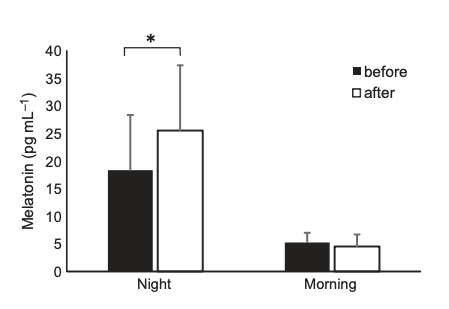
Subjects who wore blue-blocking glasses three hours before bedtime for two weeks showed a ~58% increase in nighttime melatonin levels. They also fell asleep 27 minutes earlier and their objectively measured sleep duration increased by 24 min.
https://t.co/tMgtsontNy
So great to see a review paper on the cut-off point of exercise before bedtime as there are a lot of mixed results out there. Seems as if exercise completed >2h before bedtime might be that magic number.