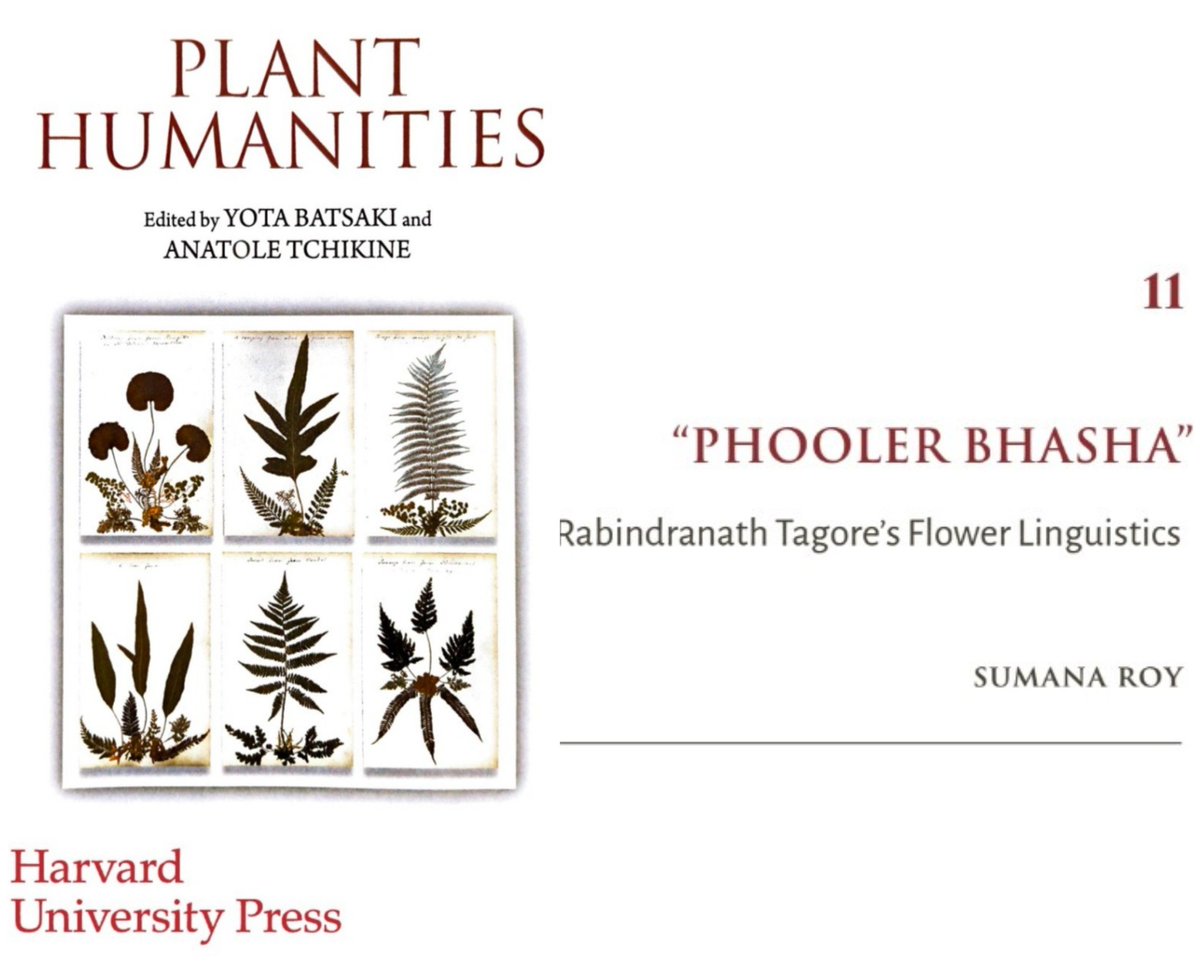
Very happy to see my essay on Rabindranath's flowers in Plant Humanities (Dumbarton Oaks, Harvard University Press).
On 'phooler bhasha' and 'phooler itihash' -- the language of flowers and the history of flowers:
https://t.co/IOyWA36OpR
The Obaid Siddiqi Lectures 2026, @NCBS_Bangalore
A lecture in three parts by Samira Sheikh
The Mughal Map Mystery
Friday, July 10, 2026, 5:30 PM - NCBS, Bangalore
Walking the Dotted Line: Mapping Borders Before the Nation
Thursday, July 16, 2026, 5:30 PM -
National Law School of India University
(registration required) @NLSIUofficial
Secrets and Lines: A Short History of Boundaries in India
Sunday, July 19, 2026, 5.30 PM -
Bangalore International Centre @bicblr
Registration and other details here: https://t.co/Z2d4UK4LqY
Poster Design by Megha Ramachandra
استاد سعید نفیسی در اسناد دانشگاه تهران
وی روزگاری به یاد ایران نوشته بود:
به ایرانم
به ایران گرامیام
به ایران جاودانیام
دعوت از دکتر سعید نفیسی برای تدریس در دانشکده ادبیات و علوم انسانی دانشگاه تهران پس از بازنشستگی و پاسخ وی، ۱۳۳۶
A Persian manuscript called 'Risala Bani Adam' by Abdur Rahim 'Dahri' was discovered in Gorakhpur, UP. At the end it had an interesting autobiographical note by the author, which tells us about his life,spiritual/philosophical experiences & the radical path that he chose
Contd...
Every few months, I revisit an article or book by Sunil Kumar to stay in touch with one of my favourite historians, but also to remind myself what rigorous scholarship, historian's craft, & good history writing look/feel like. Consider this your cue to read something by him.
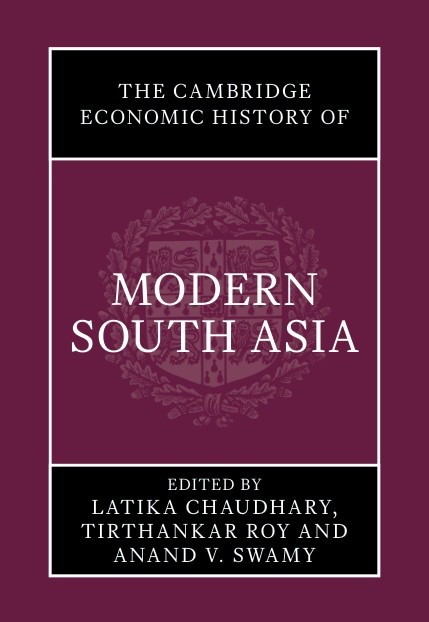
Advance notice on the publication of a major new reference work in economic history (expected to be out by the end of 2025 or early 2026, in two volumes). I will upload the contents page in a week.
My new book "Computing in the Age of Decolonization: India's Lost Technological Revolution" is now up for pre-order with @PrincetonUPress !
Why India trains the world's tech workers but captures so little of the industry's wealth—and what happened to the dream of technological independence after 1947.
https://t.co/JOvBpcqb0B
The Muftī of Istanbul by R.C. Repp
My word, what a book. It delves into the history of the position of ‘Seyhulislam’ (Shaykh al-Islām) in the Ottoman Empire and contains detailed biographies of all the Shaykh al-Islāms. For the purposes of my Ḥanafī book, I benefitted tremendously from it for the biography of Mullā Khusrow, Ibn Kamāl Pāshā and Ebu’l-Suʿūd Effendi.
Get the pdf her: https://t.co/B2flvxiNCk
Counting down the days until 2026, some of the best historians of early modern South Asia are dropping new Mughal history books & I can’t wait (writing deadlines for 2025 feel differently)!
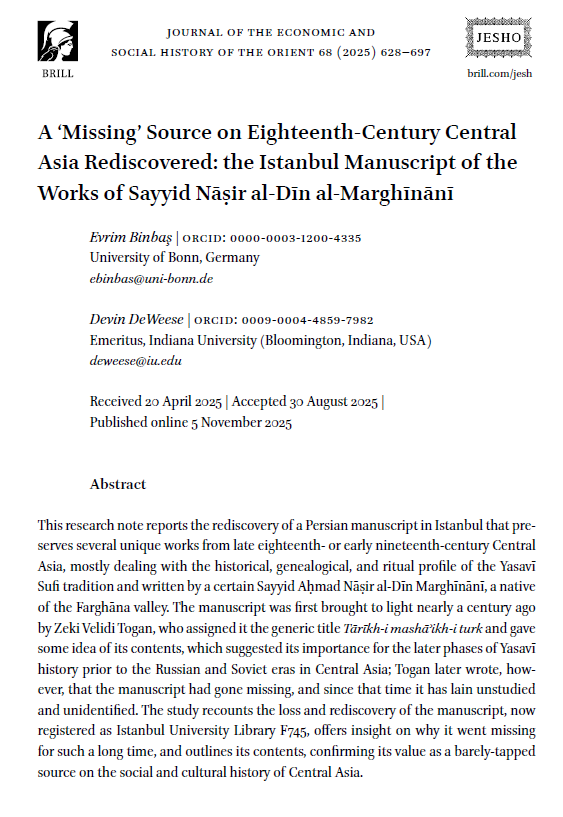
Devin DeWeese and I wrote an article on a very important corpus of texts on the history of the Yasaviyya in Central Asia The manuscript had been announced by Zeki Velidi Togan in 1926, but it was later lost in Istanbul's labyrinth of manuscript libraries. +
#Yasaviyya#JESHO
📢 2 x 3-year Doctoral Fellowships (Jul 2026–Jun 2029) at La3M–Aix-Marseille for The Indo-Persian Continuum (11th–17th c.).
Focus: material culture of South Asia (AFG/PK/IN/BD). Salaried + benefits; thesis FR/EN; 2 field trips (India & Central Asia). Preference: Sultanate period.
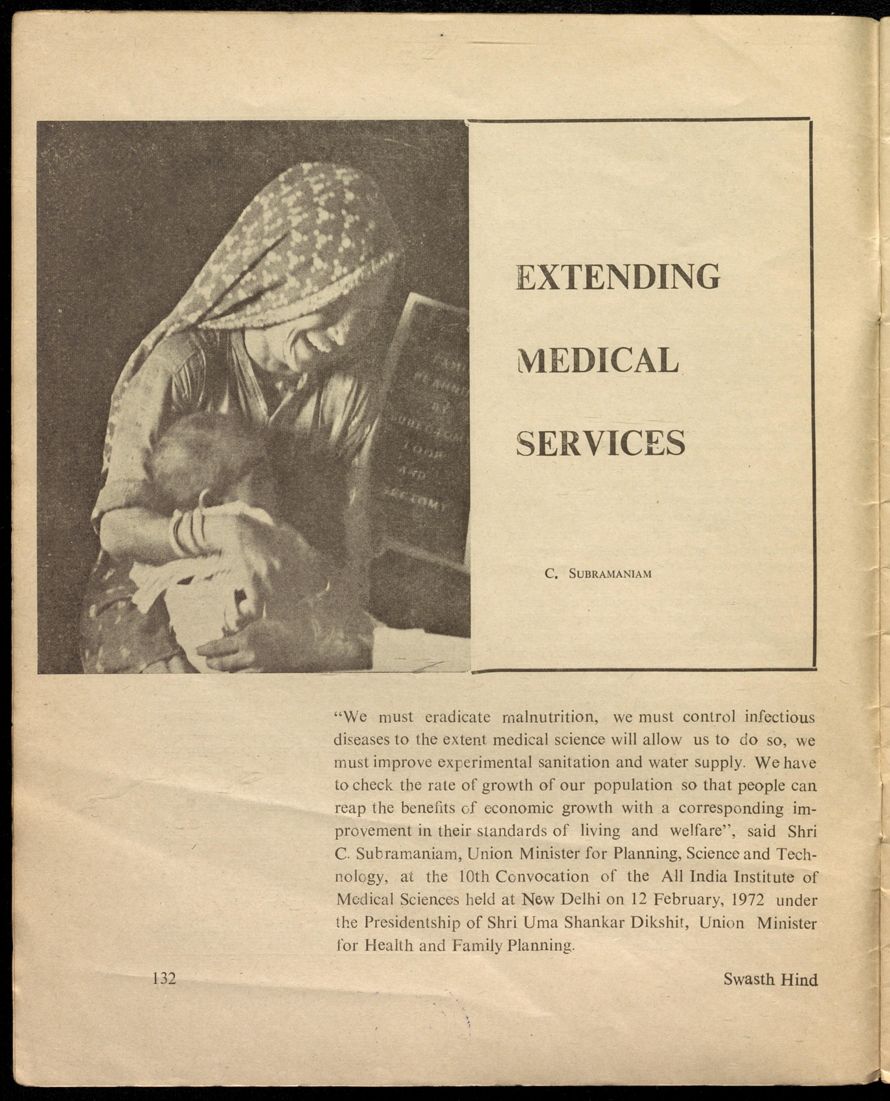
Join the online session today to get a glimpse of the Swasth Hind magazines at the archives. The talk, in collaboration with @IndiaIFA, will cover various policies and participations involved in establishing 'people's health' in India.
More here: https://t.co/VRMOaP27AC
Book panel, Histories of Political Thought in the Ottoman World (Oxford University Press, 2024).
Zoom Registration Link: https://t.co/rUYI6GuP1S
For more information on the book, please: https://t.co/AYVEugyH3w
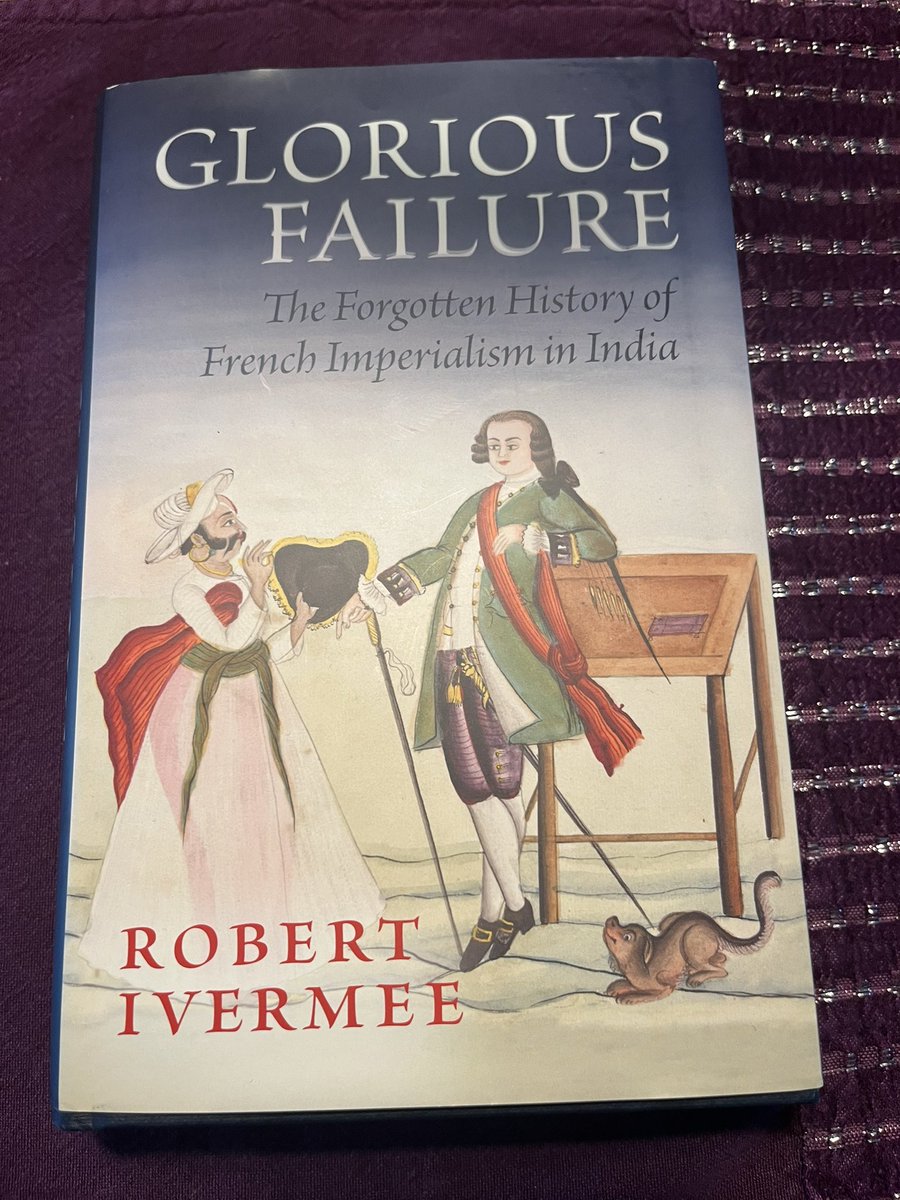
I have been challenging the French colonial narrative over a decade with my novels. It’s good to read this book from @RobertIvermee that is relevant for my writing. Thanks to @romangautam for bringing to my attention.
A rare 1897 scene of laborers departing the Jamalpur Railway Workshops, Bihar.
Established in 1862, Jamalpur was the first major town staffed entirely by railway workers. India’s 1st loco, Lady Curzon, was built here in 1899.