Police @CPS has arrested & detained 02 school bus drivers for dangerously overloading buses transporting pupils of St. Kizito Primary School to a tour.
The suspects have been identified as Kimbugwe Alia, the driver of UA 092AS, who was found carrying 110 pupils, Mutesasira Abubakari the driver of motor vehicle UAN 619X, who was found carrying 97 pupils.
The 02 buses were intercepted today @GolfCourse during a traffic operation. The 02 drivers have since been charged with the relevant traffic offenses & are currently detained at Kampala CPS pending appearance before court.
Police is working with the school management to ensure pupils are safely transported to their destination using appropriate means of transport.
Meanwhile @police together with other key stakeholders is working on the guidelines aimed at improving the safety of school transportation to minimize the increasing number of road crashes involving school children. This will be communicated in due course once the consultative process is concluded.
No parent should have to bury a child, and no words can truly ease such pain. May God grant strength to the grieving families and eternal rest to the departed souls in KAPCHORWA
Rest in peace, dear children. 🕊️💔
I am deeply saddened by the tragic accident in Kapchorwa that claimed the lives of innocent pupils. 💔
To the parents, the school, the teachers, and the friends of the deceased: please accept my heartfelt condolences. My thoughts and prayers are with you during this unimaginable time.
As a country, we must do more to protect our children. This pain is too much to bear.
I therefore call for stricter measures:
1. All school trips should be formally approved by the Ministry of Education and Sports.
2. Stringent vehicle inspections and roadworthiness checks must be mandatory for all vehicles transporting children.
3. Driver fitness and background checks should be enforced for anyone driving children.
4. Police escort vehicles should be considered for school trips involving long distances.
Our country loses nothing by putting in place strict measures to secure the lives of our children. What we lose is when we fail to act.
Once again, I send my love, thoughts and prayers to the families, the school, and all loved ones of the pupils who perished.
May the little souls rest in eternal peace.
I am deeply saddened by the tragic road accident in Kapchorwa District involving a school bus belonging to King David Junior School, Ndejje, last night. At this difficult time, I extend my heartfelt condolences to the parents, families, friends and the entire school community who have lost their beloved children. Wishing a quick recovery to those who were injured and are receiving treatment.🙏
CONDOLENCE MESSAGE
On behalf of the @NRMOnline ,I extend our deepest condolences to the families who have lost their beloved children and loved ones in the tragic road accident involving King David Junior School (Ndejje) pupils. The tragic accident occurred yesterday in Kapchorwa District.
The loss of 20young pupils and one adult is heartbreaking and has plunged the entire nation into mourning. At this difficult time, our thoughts and prayers are with the bereaved families, the school community and the entire country.
We pray for God's healing and wish those injured a quickiest recovery.
We call for a prompt and immediate investigation into the cause of this accident. I also urge all road users especially those charged with carrying passengers especially children, to exercise maximize caution while on the road.
We call for calm while investigatiions continue. May the Almighty grant eternal rest to the departed souls and comfort their families during this difficult time.
Deeply saddened by the tragic school bus accident that has claimed the precious lives of innocent children. My heartfelt condolences go to the bereaved families, the affected school, and everyone mourning this unimaginable loss.
As we grieve, we must also act.
Really how many more innocent lives must we lose before we strengthen the safety of our children? ..How about enforcing a strict ban on overloading school buses? ..How about introducing mandatory routine inspections for all school transport vehicles? And, most importantly, how about declaring school buses a protected category of vehicles, with stricter traffic rules and tougher penalties for motorists who endanger them?
The lives of our children are far too precious for us to wait until another tragedy strikes. We cannot afford to keep losing our young generation to preventable road accidents.
May the souls of the departed children rest in eternal peace, and may God grant strength, comfort, and healing to their families during this incredibly difficult time.
@Educ_SportsUg@MercyLakiskis@HonByamukama@MoWT_Uganda@BalaamBarugahar@JustineNameere@PoliceUg
I am deeply moved by the love, compassion, and humanity being demonstrated by the mothers and people of Kapchorwa.
What I’m witnessed is truly remarkable. Mothers are caring for the injured King David pupils as though they were their own children. Many have brought their own bedding and blankets to comfort the children who are nursing serious injuries Kapachora Referral Hospital, each child is being attended to not only by dedicated doctors and nurses, but also by compassionate mothers who volunteered to help, despite having no relation to the children.
The same spirit of kindness and selflessness is evident at Kaserem Health Centre IV, where the community has rallied together to care for these little ones.
To everyone who is supporting these children during this difficult time, may God richly bless you. Your love is giving hope to families and strength to the injured.
“Carry each other’s burdens, and in this way you will fulfill the law of Christ.” -Galatians 6:2
Let us all continue to pray for the little ones, asking God to grant them healing, comfort, and a full recovery.
Barugahara Balaam Ateenyi
Minister of local Government
We are deeply saddened by the tragic road crash at Chekwatit in Kapchorwa District involving pupils of King David Nursery and Primary School, Ndejje.
Our heartfelt condolences go to the bereaved families, the school community, and all Ugandans affected by this heartbreaking loss. We mourn the young lives cut short and pray for the quick recovery of those who were injured. May the souls of the departed rest in eternal peace.
We remain committed to supporting measures from sister ministries that strengthen road safety, improve school transport standards, and prevent such heartbreaking incidents from happening again to our children and all young people at large.If negligence or recklessness contributed to this loss of life, those responsible must be held accountable.
May God comfort the bereaved families and grant our nation strength during this difficult time🙏.
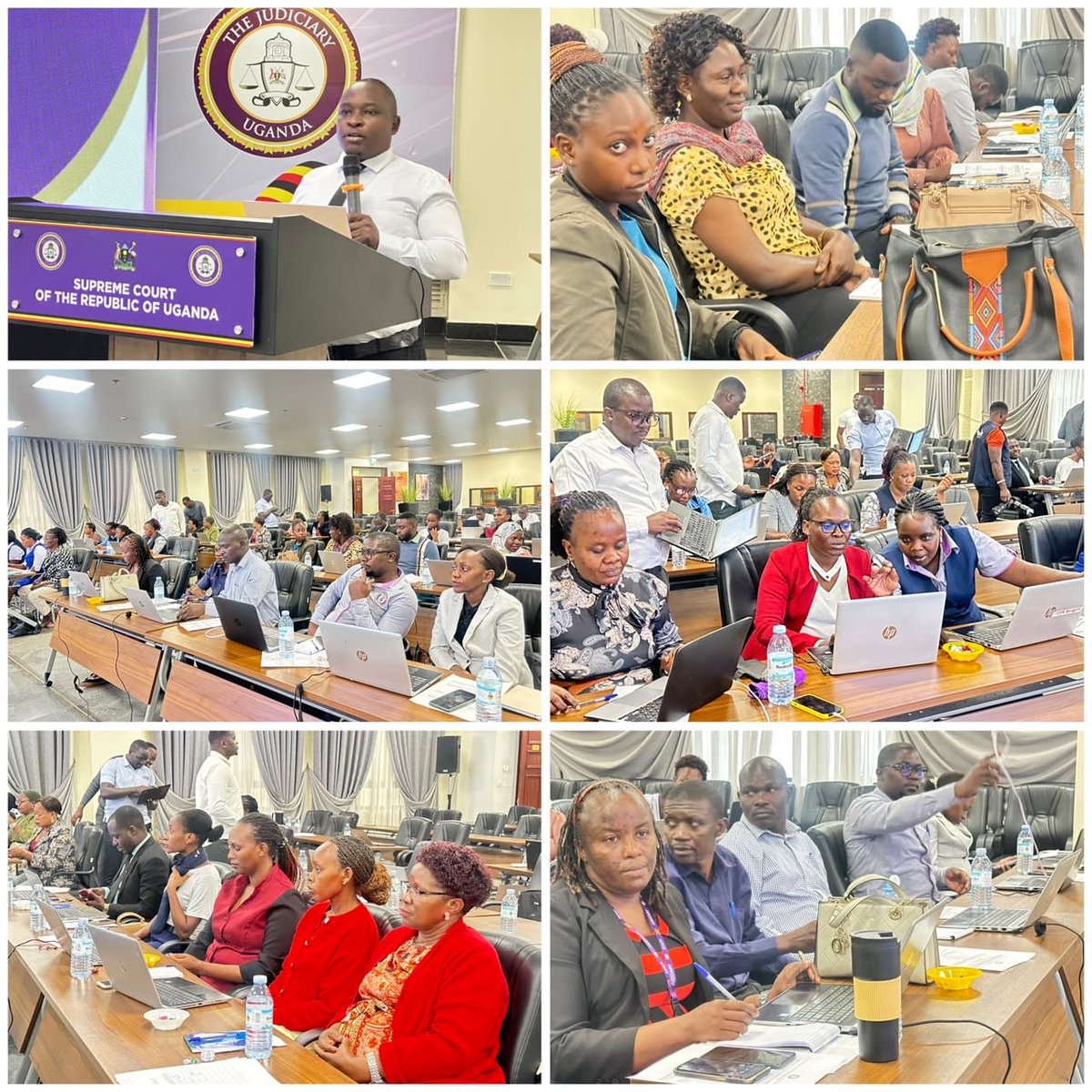
Ongoing: Day II of the training on the Electronic Court Case Management Information System (ECCMIS) for non-judicial officers from Wakiso Chief Magistrate’s Court (one of the Cluster 9 courts), conducted by the ECCMIS Technical Committee, is underway at the Supreme Court’s Conference Hall in Kampala.
The training started yesterday and concludes today. It is intended to equip participants with the knowledge and practical skills necessary to effectively use ECCMIS ahead of its rollout and Go-Live at the court.
The training is also attended by select non-judicial officers from the Criminal Division, who are undergoing refresher training on the system.
Mr. Eddy Nsereko (Systems Administrator) is taking participants through a practical introduction to the ECCMIS Criminal Case Process. The session covers e-Filing, e-Payment (bail and fines), e-Registration, case allocation, e-Document creation, creation of court sittings, preparation of summonses and notices, e-Notifications, updating case status, judgments and rulings, applications, appeals, and executions.
Later, participants will be taken through a demonstration of the ECCMIS Criminal Case Process, focusing on the practical roles of the different court users.
The training is being moderated by Mr. Dennis Rwatooro (Senior Systems Administrator)
The Chief Registrar, HW Agnes Alum, today hosted her first Press Breakfast with journalists from various media houses, highlighting the Judiciary’s commitment to fostering a strong, transparent and professional relationship with the media.
The engagement, held at the Supreme Court provided a platform for dialogue, exchange of perspectives and discussion on key developments within the Judiciary, as well as issues affecting court reporting.
The Chief Registrar described the media as a critical partner in the administration of justice, noting that journalists serve as an important bridge between the Judiciary and the public by communicating court processes and decisions accurately and responsibly.
She noted that regular engagement with the media is essential in strengthening mutual understanding and building a cordial working relationship that promotes the dissemination of timely, accurate and credible information to the public.
A key issue discussed during the engagement was the ongoing media accreditation exercise. HW Alum explained that the initiative is intended to streamline court reporting and establish a structured framework for media access to courts. She acknowledged that some journalists had experienced challenges during the transition but expressed confidence that the accreditation framework would ultimately improve coordination and cooperation between the Judiciary and the media.
The Chief Registrar further shared that the Judiciary is finalising its Media and Court Reporting Guidelines, which are intended to provide greater clarity on reporting procedures, strengthen coordination between court officials and journalists, and promote professional, accurate and responsible reporting of court proceedings.
She emphasized that the guidelines are not intended to restrict media freedom but rather to provide a clear operational framework that enables both the Judiciary and the media to effectively discharge their respective mandates while preserving the integrity of court processes.
Highlighting the Judiciary’s ongoing reforms, HW Alum outlined several initiatives under the institution’s transformation agenda, including the continued rollout of the Electronic Court Case Management Information System (ECCMIS), expansion of virtual court hearings, use of the Judgment Writing Tool and exploration of artificial intelligence to support transcription and judgment writing, with appropriate safeguards.
She also pointed to measures aimed at strengthening institutional accountability through the Performance Enhancement Tool (PET), increasing human resource capacity through the recruitment of additional judicial officers and support staff, and enhancing staff wellbeing through structured wellness programmes.
The Chief Registrar announced that the Third National Court Open Day will be held on 10 September 2026 at the Kololo Ceremonial Grounds. She also informed journalists that the High Court and Magistrates’ Courts vacation had commenced today and would run until 15 August 2026.
She clarified that court registries would remain operational throughout the vacation period to receive new filings and provide registry services, explaining that the recess enables judicial officers to write pending judgments and rulings, review completed work and prepare for the next court session.
HW Alum concluded by calling for continued partnership with the media as the Judiciary pursues its vision of delivering an accessible, efficient, transparent and people-centred justice system.
Speaking during the engagement, the Judiciary’s Public Relations Officer, HW James Ereemye Jumire Mawanda, thanked the journalists for attending and for raising pertinent issues affecting court reporting. He informed the media that the Principal Judge was handling matters relating to election petitions and emphasized that the concerns raised during the meeting would contribute to strengthening the working relationship between the Judiciary and the media
The Chief Justice, Justice Dr. Flavian Zeija, has announced plans to integrate the Judiciary’s Performance Enhancement Tool (PET) with the Judicial Service Commission’s (JSC) systems to ensure that the recruitment, promotion and management of judicial officers are increasingly informed by objective performance data.
He made the announcement while officiating as Chief Guest at the Judicial Service Commission Annual Stakeholders’ Forum held at the Supreme Court Conference Hall in Kampala.
Justice Zeija said the integration would enable the Commission to access judicial officers’ performance records during promotion processes while also allowing the PET recruitment portal to interface with the Commission’s systems, thereby improving efficiency and eliminating duplication.
“The Judicial Service Commission has a duty to ensure that only those with proven merit ascend the Bench. This is the first non-negotiable step towards transforming justice delivery in the country,” he said.
The Chief Justice further announced that the Judiciary would strengthen performance management by publishing annual performance results of judicial officers on its website, warning that non-performance would no longer be tolerated.
He said continuous performance evaluation would become a key feature of judicial administration, with officers expected to meet established standards, while those who consistently underperform would face appropriate disciplinary action.
Justice Zeija called for stronger collaboration among administration of justice institutions, including the Judiciary, Judicial Service Commission, Office of the Director of Public Prosecutions, Uganda Police Force, Ministry of Justice and Constitutional Affairs and the Bar, to address systemic challenges contributing to case backlog and prolonged pre-trial detention.
He also advocated for joint public engagement initiatives through Court Open Days, radio programmes and other outreach activities to improve public awareness and confidence in the justice system.
On innovation, the Chief Justice noted that the Electronic Court Case Management Information System (ECCMIS) has significantly reduced case processing time, minimised physical interaction, eliminated manual file losses and enhanced transparency in court operations.
He encouraged the Judicial Service Commission to leverage technology in its recruitment, appointment and disciplinary processes and called for greater utilisation of Alternative Dispute Resolution (ADR) to reduce case backlog, lower litigation costs and promote harmonious resolution of disputes.
“To effectively transform justice delivery, we cannot rely solely on traditional archaic methods of operation. Innovation is a catalyst that will propel our justice system into the 21st century,” he said.
During the event, Justice Zeija also officially launched the Judicial Service Commission Client Charter, Service Delivery Standards and the Commission’s Third Strategic Plan, describing them as important instruments for strengthening accountability, improving service delivery and guiding the Commission’s strategic direction in the years ahead.
Justice Zeija emphasised that transforming justice delivery requires merit, accountability and innovation, commending the Commission for maintaining merit-based recruitment while urging it to continue appointing judicial officers with integrity, legal competence, emotional intelligence and sound moral character.
He emphasized the Judiciary’s zero-tolerance policy on corruption, unethical conduct, unnecessary delays, laziness and mediocrity, describing the JSC as a critical partner in building an efficient, accessible and trusted justice system.
“There is no room for corrupt elements in Uganda’s justice system, nor do we have room for laziness and mediocrity,” he said.
In his remarks, the Chairperson of the JSC, Justice Douglas Singiza Karekona, highlighted key achievements of the Seventh Commission
The Uganda Judicial Officers’ Association (UJOA) has appealed to the Deputy Chief Justice, Justice Moses Kazibwe Kawumi, for enhanced support to improve the welfare of judicial officers and strengthen the Association’s institutional capacity.
The appeal was made during a courtesy meeting between the UJOA Executive Committee and the Deputy Chief Justice at the Court of Appeal in Kampala, where the Association presented a memorandum outlining key concerns and proposals affecting judicial officers, particularly those serving on the lower bench.
Leading the team, the President of UJOA, HW Daphne Ayebare, congratulated Justice Kazibwe on his appointment and briefed him on the Association’s recent engagements and strategic priorities.
She said the current Executive Committee has focused on promoting professionalism, improving the welfare of judicial officers, fostering unity and compassion among members, and building strategic partnerships.
HW Ayebare informed the Deputy Chief Justice that the Association has recently engaged the Judicial Service Commission on recruitment, promotions and disciplinary matters affecting judicial officers. It has also held discussions with the Chief Registrar on transfers, particularly for officers on the lower bench, as well as institutional support for the Association. In addition, the Executive met the Chief Justice to discuss issues affecting judicial officers and continues to hold monthly dialogue sessions aimed at strengthening professionalism and capacity among members.
Presenting the Association’s memorandum, HW Ayebare appealed for support in addressing welfare concerns, including salary enhancement and the restoration of allowances for judicial officers.
She noted that the expanded pecuniary jurisdiction of Chief Magistrates and Magistrates has significantly increased their workload, arguing that the additional responsibilities should be matched with improved remuneration and facilitation.
While commending the Judiciary for constructing houses for judicial officers serving in hard-to-reach areas, she called for the programme to be expanded and proposed housing allowances where construction is not immediately possible. She also appealed for the introduction of mileage and fuel allowances, explaining that many judicial officers incur substantial transport and accommodation costs while serving away from their homes.
On tools of work, HW Ayebare welcomed improvements in information and communication technology but noted that several judicial officers, including newly appointed officers, are yet to receive essential equipment such as laptops. She also highlighted concerns relating to transport, medical welfare and the security of judicial officers.
The UJOA President further called for stronger institutional measures to address cyberbullying and social media attacks directed at judicial officers and their families, warning that such incidents threaten both personal security and judicial independence.
She also appealed for greater institutional support for the Association, noting that UJOA currently depends largely on members’ subscriptions to finance its activities. She requested the restoration of salary deductions at source and urged the Judiciary to support efforts to secure statutory recognition for the Association, observing that its current status as a company limited by guarantee limits its institutional growth and access to funding.
HW Ayebare also highlighted a number of initiatives aligned with the Judiciary’s transformation agenda, including preparations for the International Day for Judicial Wellbeing on 25 July. The others included establishment of a demonstration farm to promote household income and generate revenue for the Association, programmes to strengthen members’ mental wellbeing, formation of a Rotary Club and a proposed partnership with the Uganda Wildlife Authority
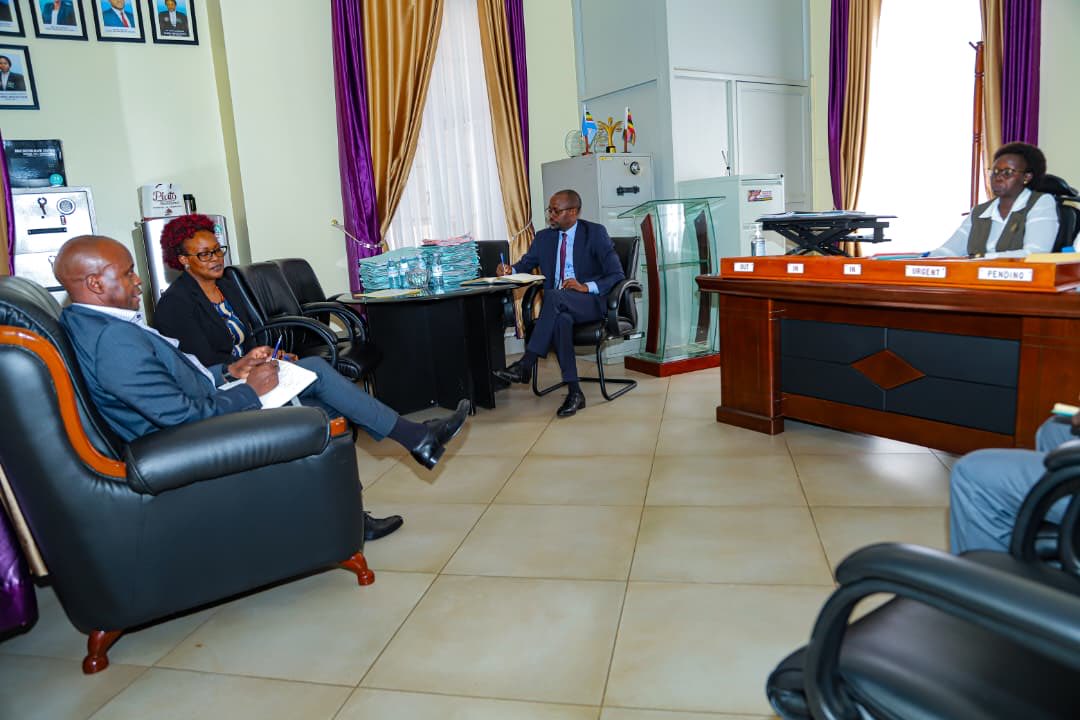
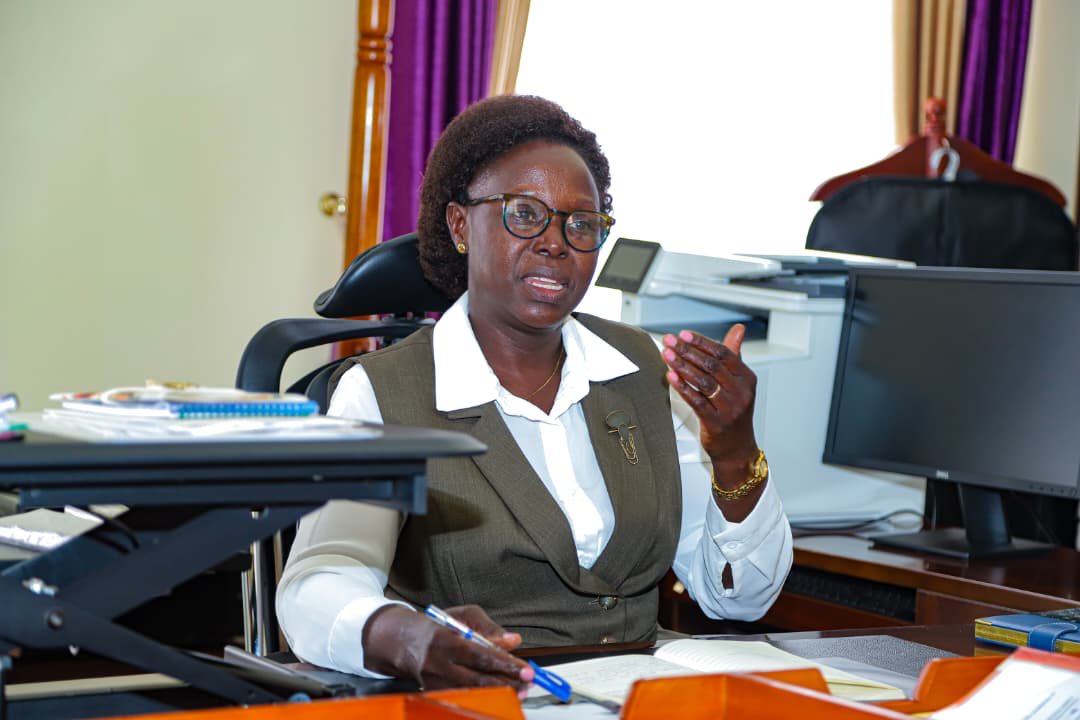
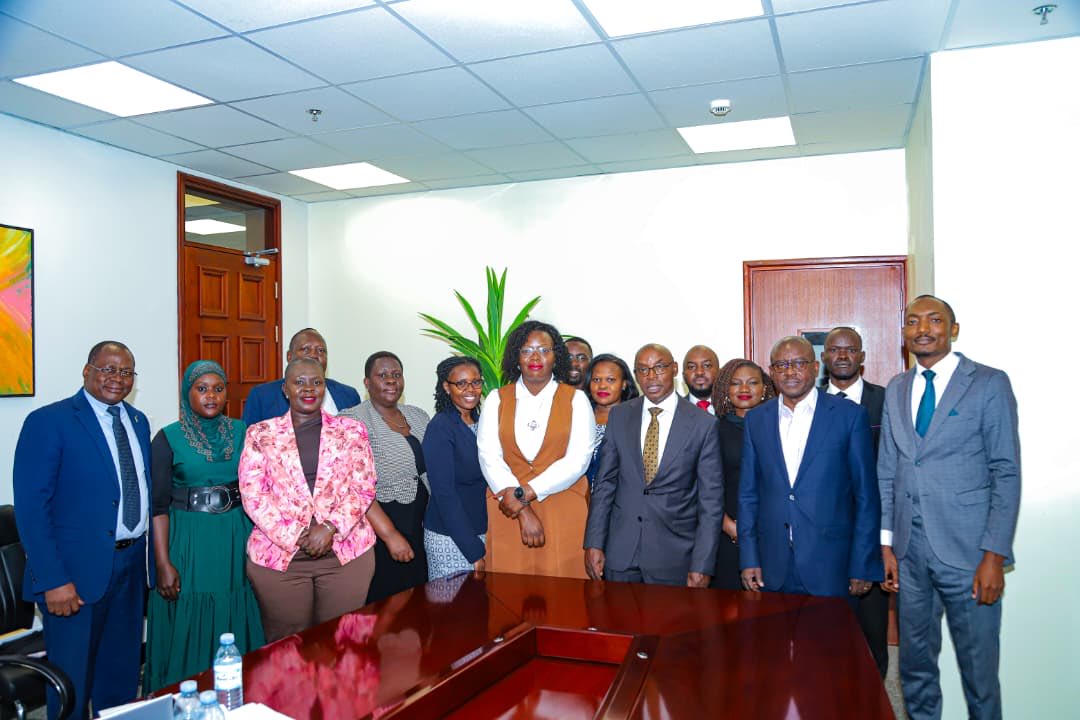
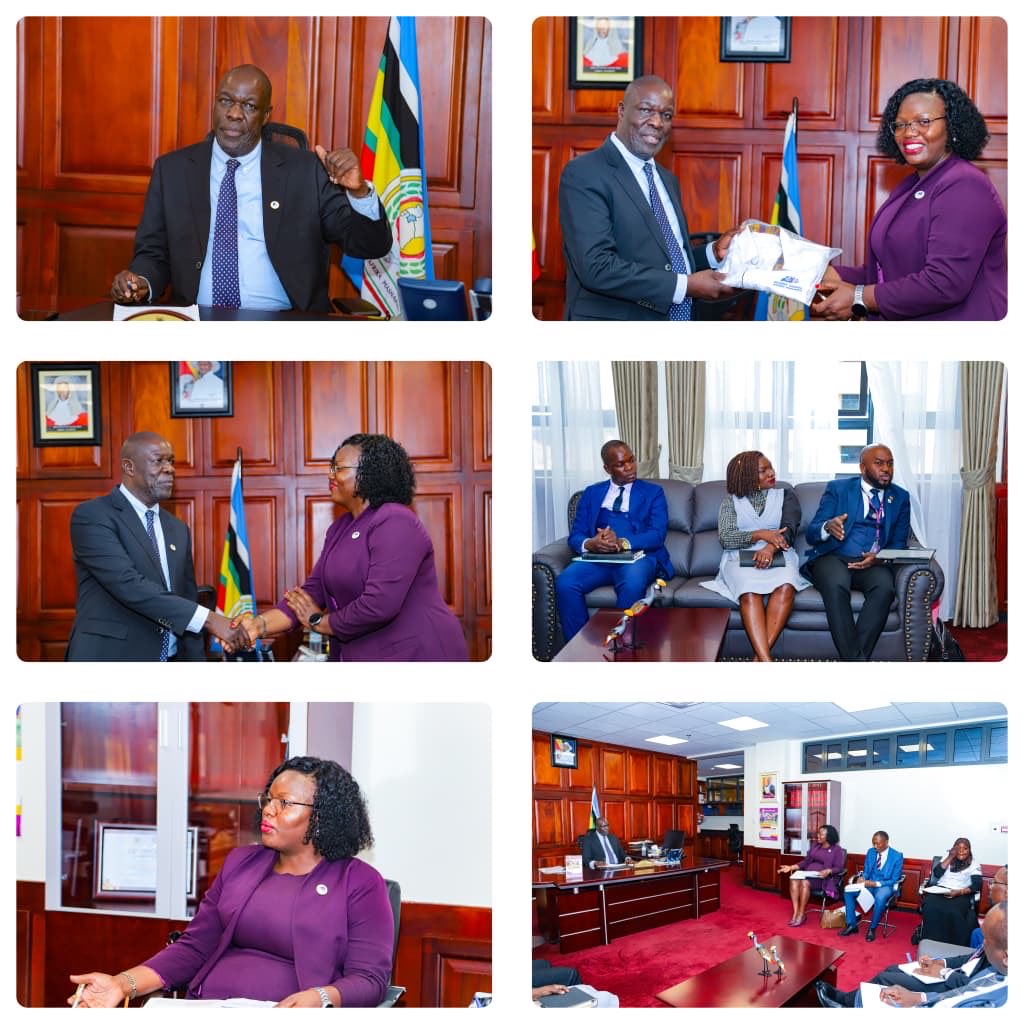
The Chief Registrar, HW Agnes Alum, today hosted a team from Redeem International in her chambers at the Judiciary Headquarters in Kampala, to discuss opportunities for collaboration aimed at improving access to justice for vulnerable persons.
The courtesy call was intended to introduce Redeem International’s work in Uganda, share its experiences supporting vulnerable communities, and explore areas of partnership with the Judiciary.
The delegation comprised Mr. Paul Woniaye, Director of Programme Management, Mr. Timothy Lubuulwa, Community Engagement Consultant, and Ms. Rita Asiimwe, Legal Consultant. Also present was HW Koisa Kasibayo, Deputy Registrar in the Chief Registrar’s Chambers.
During the meeting, the Redeem International team briefed the Chief Registrar on the organisation’s work supporting widows, orphans and other vulnerable persons affected by succession-related property grabbing and land disputes. The Christian-founded non-governmental organisation explained that it provides legal representation to indigent clients in civil matters and works alongside state prosecutors in criminal proceedings to ensure victims obtain justice and that cases are handled expeditiously.
The delegation noted that since commencing operations in Uganda in 2020, Redeem International has worked closely with law enforcement agencies and other justice sector institutions to protect vulnerable people from unlawful evictions, land grabbing and property-related violence. They said many beneficiaries have successfully recovered their land, while the prosecution of offenders has helped deter similar offences.
The team, however, highlighted challenges in enforcing recently enacted criminal provisions relating to land and succession matters, observing that some cases involving alleged criminal offences are instead redirected to the civil justice system. They proposed closer collaboration with the Judiciary to strengthen understanding and application of the new legal framework and expressed interest in formalising the partnership through a Memorandum of Understanding.
HW Agnes Alum welcomed Redeem International’s commitment to providing legal assistance to indigent and vulnerable members of society, describing the organisation’s work as an important contribution to improving access to justice.
“I am happy to know that there are people willing to stand with and support the indigent,” she said.
The Chief Registrar encouraged the organisation to pursue strategic litigation where appropriate, noting that appeals to the High Court could help establish precedents that would guide lower courts in the interpretation and application of the law.
She also welcomed the proposal for collaboration and underscored the importance of continuous judicial training on emerging areas of law, particularly land and civil matters. She observed that the Judiciary, through the Judicial Training Institute, has several capacity-building programmes planned for Judicial Officers, especially as Magistrates prepare to exercise their enhanced jurisdiction, and said these programmes would provide an opportunity for Redeem International to contribute technical expertise.
HW Agnes Alum further encouraged the organisation to remain steadfast in pursuing matters that merit judicial determination, noting that well-prepared and persuasive legal arguments enable courts to develop jurisprudence on emerging legal issues, particularly where criminal and civil aspects of land disputes intersect
Earlier today, the Executive Committee of the Uganda Judicial Officers’ Association (UJOA) met the Chief Justice, Justice Dr. Flavian Zeija, at the Supreme Court in Kampala, where it presented a memorandum seeking improved remuneration, enhanced welfare, stronger security measures and better working conditions for Judicial Officers.
The meeting was convened to brief the Chief Justice on the Association’s activities and recent engagements, as well as to present members’ concerns and proposals aimed at improving the welfare and effectiveness of Judicial Officers, particularly those serving on the lower bench.
Leading the delegation, UJOA President, HW Ayebare Daphne, thanked the Chief Justice for his leadership of the Judiciary’s transformation agenda, particularly the transition to paperless courts, and for his continued support to Judicial Officers. She also commended the Judiciary for introducing wellness and fitness programmes that have benefited both Judicial and non-Judicial Officers.
She updated the Chief Justice on UJOA’s recent engagements with the Judicial Service Commission, where members discussed salary enhancement, discipline and integrity. She also briefed him about meetings with the Chief Registrar regarding staff transfers, including a request to have some members of the UJOA Executive posted closer to Kampala, noting that about 80 per cent currently serve in upcountry stations.
HW Ayebare also highlighted the Association’s ongoing initiatives, including the establishment of an UJOA farm to generate sustainable income, implementation of its 2026/2027 work plan, continued dialogue engagements and activities planned to mark International Judicial Wellness Month this July. She further outlined welfare initiatives such as the proposed Rotary Club, UJOA Patrons’ Annual Dinner and a golf tournament, saying these are intended to strengthen collegiality, mental wellness and interaction among Judicial Officers.
The Association’s memorandum was then presented by UJOA General Secretary, HW Mallen Obizu, who noted that the expanded jurisdiction of the lower bench had significantly increased the workload of Magistrates. She appealed for commensurate salary enhancement, improved transport, housing, medical and family welfare, increased facilitation for courts, particularly in the handling of criminal cases, enhanced security for Judicial Officers, protection against cyberbullying and social media attacks, improved court infrastructure and ICT tools, statutory recognition of UJOA, and institutional support for the Association’s programmes. She also appealed for continued support towards Judicial Officers’ participation in regional professional engagements, including those organised by the East African Magistrates’ and Judges’ Association and the Commonwealth Magistrates’ and Judges’ Association.
Responding to the memorandum, the Chief Justice welcomed the continued engagement between the Judiciary leadership and UJOA, describing dialogue as the most effective way of addressing institutional concerns and strengthening the administration of justice.
On the Judiciary’s digital transformation, he commended Judicial Officers for embracing paperless courts and noted that the rollout of the Electronic Court Case Management Information System (ECCMIS) was progressing steadily, supported by the recent recruitment of additional Information Technology officers to strengthen implementation across the country.
The Chief Justice also welcomed UJOA’s engagement with the Judicial Service Commission, observing that such discussions were important in resolving institutional issues. At the same time, he urged Judicial Officers to uphold discipline and integrity, warning that misconduct, particularly corruption, damages both individual reputations and public confidence in the Judiciary
The High Court in Kitgum has successfully conducted a virtual criminal hearing using its newly installed Audio-Visual Conferencing (AVC) system, marking another milestone in the Judiciary’s digital transformation agenda aimed at improving access to justice and enhancing court efficiency.
The technology was deployed during an ongoing criminal session today in the murder case of Uganda v. Omoya David and Four Others. One of the five accused persons took plea virtually from Kitgum Main Prison, while the remaining four appeared physically before the High Court. Following the taking of plea, the prosecution commenced its case.
The virtual hearing followed developments during yesterday’s proceedings when prison authorities informed the court that one of the accused persons was unable to attend because he had been placed in isolation after being diagnosed with tuberculosis, a contagious disease.
The information, which had earlier been communicated to the Court by the Officer-in-Charge of Kitgum Main Prison, SP Robert Oguttu, prompted the Resident Judge, Justice Philip W. Mwaka, to adjourn the matter for one day and direct that the isolated accused person participate in the proceedings through the Court’s audio-visual conferencing system while the co-accused appeared in person.
The successful hearing demonstrates the practical benefits of the Judiciary’s ongoing investment in digital court technologies and fulfils a commitment made during the Kitgum High Court Open Day held on May 7, 2026, when the Audio-Visual Conferencing system was officially launched under the theme, “Digital Courts for Better Service Delivery.”
Speaking at that event, Justice Philip W. Mwaka, who represented the Principal Judge, Lady Justice Jane Frances Abodo, reiterated the Judiciary’s commitment to embracing technology to modernise court operations and improve service delivery.
He noted that the Audio-Visual Conferencing system would enable courts to hear matters in real time while reducing the logistical challenges associated with transporting inmates to court, thereby enhancing efficiency, accelerating case disposal and improving access to justice.
The virtual hearing also demonstrated how technology can ensure continuity of court proceedings even where health or security concerns prevent physical attendance, while safeguarding the rights of accused persons to participate in their trials.
The prosecution was led by Senior Resident State Attorney Patrick Ojara, while the accused persons were represented on State Brief by Sharon Awili of the Uganda Law Society Legal Aid Clinic, Kitgum
Ongoing: The Court of Appeal is holding a one-day in-house training for Registrars, Research Magistrates, and Court Clerks attached to the Court. The training covers Conferencing, Case Scheduling and Record Management in Civil Appeals.
The training aims to enhance participants' knowledge and skills in conferencing, case scheduling and record management to improve efficiency in handling of civil appeals, strengthen teamwork and promote consistent practices across the court.
Opening the training, the Deputy Chief Justice, Justice Moses Kazibwe Kawumi, noted that the training presents an opportunity to strengthen institutional consistency by promoting uniform practices in conferencing, scheduling, and records management across registries of the Court. This improving coordination and minimizing procedural inconsistencies. He added that it (training) transcends being merely another capacity-building activity but constitutes an integral component of the Court of Apeal’s strategic initiative to strengthen appellate case management, improve institutional efficiency, and facilitate the prompt delivery of justice.
He observed that the increasing volume and complexity of appeals require continuous improvement of the Court's internal systems and processes to ensure efficient, equitable, and responsive justice delivery.
“As the volume and complexity of appeals continue to increase, it is imperative that we continually optimize our internal systems and processes to ensure that the administration of justice remains efficient, equitable, and responsive to the needs of court users,” he said.
The Deputy Chief Justice emphasized that the Constitution guarantees every person the right to a fair hearing within a reasonable time and noted that effective conferencing, appeal scheduling, and proper records management are central to achieving that constitutional obligation. He explained that administrative delays erode public confidence in the justice system, while efficient scheduling ensures the optimal use of judicial time, productive hearings, and the timely disposal of appeals. The Deputy Chief Justice added that strengthening conferencing and scheduling enables the Court to identify procedural issues early, confirm hearing readiness, and avoid unnecessary delays.
He also underscored the critical role of Research Magistrates and Court Clerks in supporting the work of the Court through proper file management, accurate conferencing notes, quality legal research, well-reasoned opinions, and timely scheduling of appeals.
“Research Magistrates and Clerks in modern judiciaries hold significant responsibilities,
especially at the Court of Appeal, where their work underpins court operations. Properly
managed files, accurate conferencing notes, scheduled appeals, detailed records, and well-
reasoned opinions from research magistrates all contribute to case efficiency through research,
draft briefs, and referenced authorities,” he said.
Justice Kazibwe identified missing and incomplete court records as a persistent challenge that delays justice, hinders appellate review, and sometimes denies litigants timely resolution. He shared that the Court of Appeal is developing a comprehensive framework for managing appeals involving missing records through systematic registry audits, the issuance of certificates of missing files, verification of lost files, and reconstruction orders where recovery is not possible. He also stressed that the success of the framework will depend on the diligence, professionalism, and accountability of officers responsible for maintaining court records.
Turning to the Judiciary's digital transformation agenda, he noted that the Judiciary’s transition to a paperless court and digital case management systems requires greater discipline in document management, secure file transmission, version control, and data integrity to ensure that technology enhances efficiency without compromising accuracy and accountability
The Deputy Chief Justice, Justice Moses Kazibwe Kawumi, today officially opened the two-day High Court Quarterly Performance Review Retreat for the third quarter of Financial Year 2025/2026 at Jinja Nile Resort. He called for practical, locally driven solutions to enhance judicial service delivery.
The retreat has brought together the Principal Judge, Lady Justice Jane Frances Abodo; Heads and Deputy Heads of High Court Circuits and Divisions; the Chief Registrar, HW Agnes Alum; Registrars; and Deputy Registrars. The meeting aims at reviewing court performance, assess case management practices, share experiences, and strengthen strategies for improving access to justice.
Drawing from his experience as a former Judge of the High Court who served in several circuits across the country, Justice Kazibwe said he appreciated the challenges faced by judicial officers working away from their families and support systems. He commended judicial officers and staff for their resilience and dedication to delivering justice under demanding circumstances.
He urged participants to move beyond repeatedly discussing operational challenges such as understaffing, delayed funding, inadequate witness facilitation, and logistical constraints, and instead use the retreat as an opportunity for peer learning, benchmarking successful interventions, and identifying practical solutions.
“As judicial officers, we must continuously ask ourselves how we can become more effective and improve the administration of justice despite the challenges we face,” he said.
Addressing recent legislative reforms, the Deputy Chief Justice welcomed the expansion of the civil jurisdiction of Chief Magistrates and Grade One Magistrates under the Magistrates Courts (Amendment) Act, 2026, describing it as an important step towards improving access to justice and reducing congestion in the High Court. However, he cautioned against treating the transfer of cases to subordinate courts as a mere backlog reduction exercise.
He stressed that effective migration of cases requires sound records management to prevent delays, loss of files, and unnecessary appeals, emphasizing that the objective is not simply to move files but to ensure justice is delivered efficiently, fairly, and effectively.
As Chairperson of the Case Management Committee and the Case Backlog Reduction Committee, Justice Kazibwe underscored the importance of prioritising the oldest pending cases, noting that behind every file is a human story.
He further highlighted the need for accurate and reliable data capture in the Electronic Court Case Management Information System (ECCMIS) and the Court Case Administration System (CCASS), observing that quality data is essential for decision-making, accountability, and resource allocation. He commended the Judiciary leadership and technical teams for advancing a data-driven performance management culture.
Justice Kazibwe also called for improved communication with court users, timely delivery of judgments, and stricter monitoring of adjournments, noting that avoidable delays and poor communication continue to undermine public confidence in the justice system. He urged judicial officers to adopt a more human-centred approach to justice, reminding them that every case represents individuals, families, victims, and accused persons whose lives are directly affected by court processes.
“We can build a Judiciary that is efficient, accountable, innovative and worthy of public trust. Let us focus on impact rather than statistics, justice delivery rather than activity measurement, and case management rather than simply managing files,” he said.
The Principal Judge, Lady Justice Jane Frances Abodo, congratulated the Deputy Chief Justice and the Chief Registrar on their appointments and welcomed them to their first Quarterly Performance Review Retreat in their new capacities