वर्ल्ड कप का पहला मुकाबला :
मैक्सिको बनाम दक्षिण अफीका
संभावना: एडवांटेज मैक्सिको
आज वर्ल्ड कप का पहला मुकाबला मैक्सिको और द. अफ्रीका के बीच खेला जाएगा। अब तक इन दोनों देशों के बीच वर्ल्ड कप में एक मुकाबला खेला गया है जो 2010 वर्ल्ड कप का पहला मैच था। उस समय मेजबान द. अफ्रीका था। वो मुकाबला 1-1 से बराबर रहा था।
ओवरऑल दोनों देशों के बीच 4 मुकाबले हुए हैं जिसमें 2 बार मैक्सिको जीता है, 1 बार दक्षिण अफ्रीका जीता और 1 बराबर रहा जो वर्ल्ड कप वाला ही गेम था।
इस बार मैक्सिको मेजबान देश है,1986 के बाद पहली बार वहां वर्ल्ड कप हो रहा है, मेजबान देश हमेशा वर्ल्ड कप में क्षमता से बेहतर खेलते हैं। मैक्सिको वैसे भी द. अफ्रीका से बेहतर टीम है। इस हिसाब से आज का मुकाबला मैक्सिको को जीतना चाहिए, बराबरी पर छूटना द. अफ्रीका की सफलता मानी जाएगी और कोई चमत्कारिक प्रदर्शन ही दक्षिण अफीका को आज जिता पाएगा।
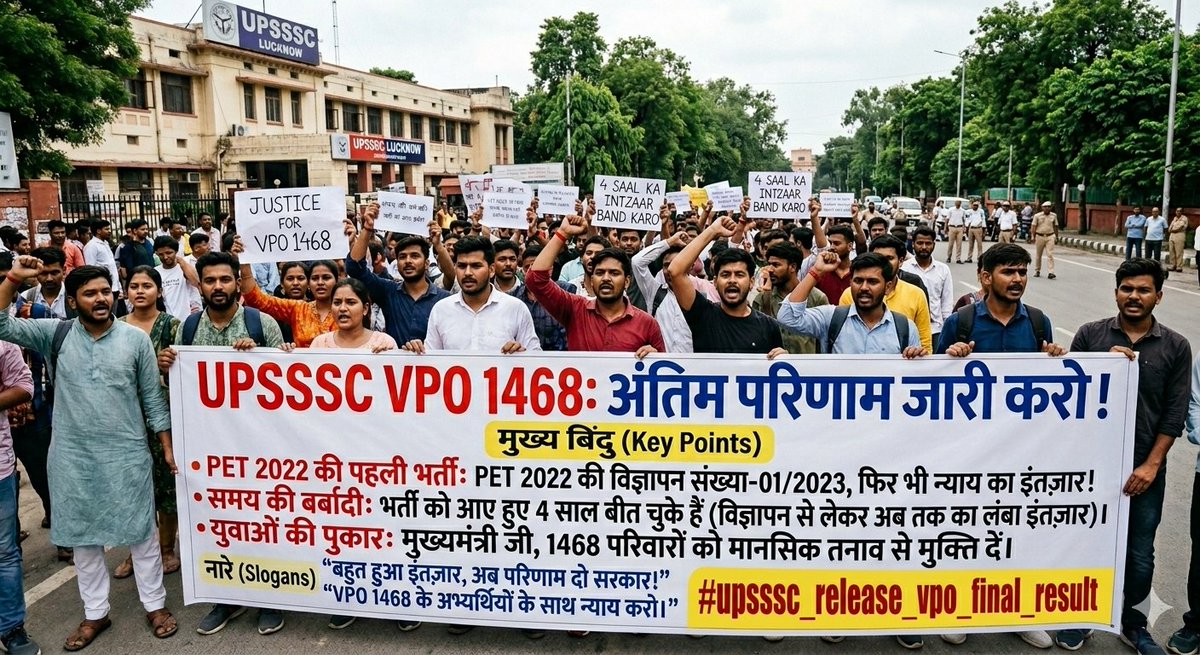
4 साल का इंतजार, ₹8000 का खर्च, टूटती उम्मीदें... UP VDO भर्ती के छात्र बेहाल, कब आएगा फाइनल रिजल्ट?
जब कोई भर्ती 4 साल तक लटकी रहती है, तो वह सिर्फ एक सरकारी फाइल नहीं अटकती, बल्कि उस फाइल के साथ आदित्य, राघवेंद्र और ऋषभ जैसे हजारों होनहार युवाओं की जिंदगी और उनके परिवारों की उम्मीदें भी अधर में लटक जाती हैं. महीने का 8 हजार रुपये खर्च उठाना इन गरीब और मध्यमवर्गीय परिवारों के लिए कितना भारी पड़ता है, इसका अहसास शायद वातानुकूलित दफ्तरों में बैठे अफसरों को नहीं है. आइए जानते हैं अभ्यर्थियों का पक्ष.
पूरी ख़बर: https://t.co/9dKW4gNy2U
#UPVDO #UPSSSC #VDORecruitment #UPJobs #GovernmentJobs #UPNews #StudentsProtest #RecruitmentNews
⚽वर्ल्ड कप देखने से पहले ये तो जानिए, देखना कैसे है?👇
वर्ल्ड कप शुरू होने में सिर्फ 3 दिन बाकी हैं। वर्ल्ड कप भारत में भी खूब देखा जाता है लेकिन अधिकतर भारतीय दर्शकों के लिए वर्ल्ड कप चार साल में लगने वाली फुटबॉल झांकी है। उन लोगों को छोड़कर जो लीग फुटबॉल भी फॉलो करते हैं बाकी सब चार साल बाद ही दोबारा फुटबॉल देखते हैं, बीच में छोटा सा यूरो कप का पैच भी आता है पर उसके लिए वर्ल्ड कप जैसा माहौल नहीं बनता भारत में। चार साल फुटबॉल से वास्ता न रखने के कारण लोगों के लिए वर्ल्ड कप अंधों के गांव में हाथी आने जैसा बन जाता है। लालबुझक्कड़ी अंदाज में खिलाड़ियों को पहचानने में ही ग्रुप स्टेज निकल जाता है और लोग वर्ल्ड कप का पूरा मजा नहीं ले पाते।
इसलिए वर्ल्ड कप का आनंद लेना है तो जानकारी को बढ़ाना होगा। पहले एक महीना पूर्व से अखबारों के स्पोर्ट्स पेज पर वर्ल्ड कप के बारे में अच्छा खासा छपने लगता था जिससे लोगों को वर्ल्ड कप आते आते अच्छे खिलाड़ियों और दावेदार टीमों के बारे में काम भर की जानकारी हो जाती थी लेकिन अब वो प्रथा भी बंद हो चुकी है। अखबारों में खेल जानने वाले ही नहीं बचे फुटबॉल जानना तो बहुत दूर की बात है और क्वालिटी को लेकर आग्रह भी नहीं है कोई। टीवी के स्पोर्ट्स एडिटर सिर्फ क्रिकेट समझते हैं, वही हमेशा दिखाते भी हैं, फुटबॉल के मामले में वो खुद ही कुछ नहीं जानते, बताएंगे क्या! हिंदी के खेल पत्रकारों से ज्यादा फुटबॉल की जानकारी वाले ट्विटर पर आपस में झगड़ा करते वो लड़के हैं जिनमें कोई लिवरपूल,कोई मैनचेस्टर यूनाइटेड, कोई रियल मैड्रिड और कोई बार्सिलोना का फैन है।
अगर आप चार साल लीग फुटबॉल फॉलो नहीं करते लेकिन वर्ल्ड कप देखना चाहते हैं तो चेक करके देखिए मेसी,रोनाल्डो और एमबापे के अलावा आप क्या दस और बड़े खिलाड़ियों के बारे में जानते हैं जो इस वर्ल्ड कप में खेल रहे हैं? आपको बड़ी टीमों के भी कोच का नाम पता है? फुटबॉल सिर्फ मेसी, रोनाल्डो नहीं है। मीडिया तो अब इनफार्म करने के अपने दायित्व को तिलांजलि दे चुका है, आप खुद अपनी जानकारी बढ़ा लें ताकि वर्ल्ड कप का पूरा आनंद ले सकें।
वर्तमान वर्ल्ड कप के बारे में समझने के लिए भी पिछले कई वर्ल्ड कप के बारे में जानना जरूरी है, पुराने सुपरस्टार्स और उनकी उपलब्धियां और असफळताएं जानना जरूरी है क्योंकि वो उनकी टीम के साथ ट्रांसफऱ होती रहती हैं,वो मोमेट्स कभी नहीं मरते। उदाहरण के लिए इटली टीम जब कभी भी फाइनल में पेनाल्टी शूट आउट में जाएगी रोबर्टो बैजिओ वाला मोमेंट सामने आकर खड़ा हो जाएगा, इस बार तो खैर क्वालिफाई तक नहीं कर सका है इटली।
जो टीमें इस वर्ल्ड कप में खेल रही हैं उनका पिछले तमाम वर्ल्ड कप में क्या प्रदर्शन रहा है? पिछले वर्ल्ड कप टूर्नामेंट्स में वर्तमान खिलाडियों का क्या रिकॉर्ड रहा? जो खिलाड़ी इस वर्ल्ड कप में खेल रहे हैं वो सिर्फ वर्ल्ड कप नहीं खेलते बाकी के चार साल भी खेलते हैं, वो किस लीग में खेलते हैं?किस क्लब से खेलते हैं? लीग फुटबॉल में उनकी क्या उपलब्धियां हैं और पिछले एक साल में उन्होंने क्या किया है? ये सब जानते हुए मैच देखेंगे तो बेहतर समझेंगे और ज्यादा मजा आएगा!
खिलाड़ियों से जुड़ी कहानियां, उनका जीवन संघर्ष फुटबॉल के इस महाकुंभ को और बड़ा बनाते हैं। खिलाड़ियों के जीवन के बारे में जानिए, उनकी कहानियां जानने के बाद आप ज्यादा बेहतर दृष्टि से वर्ल्ड कप देख पाएंगे और ज्यादा भावनाओं के साथ भी। एक आसान उदाहरण : वो कौन सा खिलाड़ी है बचपन में जिसके दादा जी को उसकी आंखों के सामने विदेशी सैनिकों ने पेड़ से लटका कर फांसी दी थी, उस खिलाड़ी का नाम वही रखा गया जो उसके दादा जी का था, वो बचपन में रिफ्यूजी कैंम्प में रहा, उसके पास बॉल खरीदने तक के पैसे नहीं थे, बड़ा होकर वो खिलाड़ी अपने देश की फुटबॉल टीम का कप्तान बना और इतिहास में पहली बार अपनी टीम को फाइनल तक ले गया, वो इस वर्ल्ड कप में भी खेल रहा है। अगर आप उसका नाम जानते हैं, उसके बारे में जानते हैं तो उसकी टीम से अलग ढ़ंग से कनेक्ट करेंगे। हर खिलाड़ी के साथ जानने लायक कहानी होती है।कहानियां जाना करो मित्र, घी खाओ चाहे न खाओ।😎
तो 3 दिन में अपनी जानकारी बढ़ाएं और फिर वर्ल्ड कप का आनंद लें।
#FifaWorldCup
पुलिस आयुक्त महोदय, कमिश्नरेट कानपुर नगर द्वारा कमिश्नरेट में उपनिरीक्षक पद पर तैनात उ0नि0 अवधेश कुमार को उत्तर प्रदेश लोक सेवा आयोग (UPPCS-2024) द्वारा आयोजित परीक्षा में नायब तहसीलदार पद पर चयनित होने पर शुभकामनाएं एवं उज्ज्वल भविष्य के लिए बधाई दी गई। उ0नि0 अवधेश कुमार वर्तमान में पुलिस लाइन, कमिश्नरेट कानपुर नगर में तैनात हैं। उन्होंने अपनी मेहनत, लगन एवं सतत अध्ययन के बल पर उत्तर प्रदेश लोक सेवा आयोग की प्रतिष्ठित परीक्षा उत्तीर्ण कर नायब तहसीलदार पद पर चयन प्राप्त किया है।
पुलिस विभाग में सेवाकाल के दौरान उन्होंने अपने कर्तव्यों का निष्ठापूर्वक निर्वहन किया तथा जनसेवा के क्षेत्र में महत्वपूर्ण योगदान दिया। उनकी इस उपलब्धि पर कमिश्नरेट कानपुर नगर के समस्त अधिकारियों एवं कर्मचारियों द्वारा प्रसन्नता व्यक्त की गई तथा उनके सफल प्रशासनिक जीवन की कामना की गई। @Uppolice
अमेरिका में काम कर रही ये मोहतरमा बता रही हैं कि भारत के कॉरपोरेट में काम करने वालों का जीवन अमेरिका से भी अच्छा होता है, क्योंकि वहाँ प्रिविलेज है। वहाँ सस्ते में घर का काम करने वाले नौकर, खाना पकाने वाले और ड्राइवर मिल जाते हैं। अमेरिका में सब कुछ ख़ुद करना पड़ता है।
शोषण को प्रिवलेज बता रहीं हैं। ज्यादतर NRI के इसी तरह के विचार होते हैं। हालाँकि, वो खुद वापस भारत नहीं जायेंगे।
The Communist Party of India takes a very critical view of the recent Supreme Court judgment restricting the applicability of the SC/ST (Prevention of Atrocities) Act to instances where casteist abuse takes place “within public view”. Such an interpretation risks invisiblising the lived realities of caste oppression in India. Caste discrimination and violence do not occur only in public spaces. Verbal humiliation, social exclusion, untouchability practices and even physical violence often take place within homes, workplaces and other private spaces shaped by entrenched caste hierarchies. A crime does not cease to be a crime merely because it occurred away from public gaze.
The judgment appears to overlook the spirit of the Protection of Civil Rights Act, 1955, which criminalised untouchability and all forms of disabilities and discrimination arising out of casteist practices. The struggle against caste oppression requires recognition of how caste power operates in everyday life, including in private domains where victims are most vulnerable and isolated. At a time when atrocities against Dalits and tribals are increasing across the country, legal interpretations must strengthen constitutional protections and the fight for dignity, equality and social justice, not narrow them.
उत्तर प्रदेश लोक सेवा आयोग लगातार पिछले 6 सालों से "आरक्षण घोटाला" कर रहा है।
OBC/SC/ST/EWS/WOMEN श्रेणी के छात्र UN RESERVED कैटेगरी से ज्यादा नंबर प्राप्त कर रहे हैं फिर भी उन्हें फेल कर दिया जा रहा है।
हम सभी लगातार इस आरक्षण घोटाले के खिलाफ आवाज उठा रहे थे।
अब तो उत्तर प्रदेश पिछड़ा वर्ग आयोग ने भी सचिव लोक सेवा आयोग को इस आरक्षण घोटाले के मामले में 5 मई को उपस्थित होने का पत्र जारी कर दिया है जो कि उत्तर प्रदेश लोक सेवा आयोग में हो रहे आरक्षण घोटाले पर मुहर लगाता है।
समाजवादी पार्टी PDA छात्रों के साथ हो रहे अन्याय में उनके साथ खड़ी है और उन्हें न्याय दिलाने का भरोसा दिलाती है।