I was behind the plate today helping as the "cheap ABS" for a college live at-bats.
The left handed pitcher below was 91-93 mph with movement.
He had a good changeup.
A sharp slider.
If he develops one more pitch, I think he has a chance to play in the big leagues.
What caught my attention wasn't the pitcher.
It was the two hitters.
After almost every swing, the first hitter would say:
"My swing sucks."
"What are you doing?"
"I can't believe I missed that."
It was like he felt he had to explain every failure.
The second hitter had a completely different conversation.
"That was a good pitch."
"You got me."
"But don't throw that again."
"Next time, I'm getting you."
One hitter made the at-bat about himself.
The other made it about beating the pitcher.
The results?
The first hitter grounded out, struck out, and rolled over.
The second hitter grounded out, lined a ball off the wall, and added another hard-hit single.
There's one thing I've learned from playing this game for 25 years:
The conversation you have after a pitch often determines the next one.
And...
The best hitters don't spend the at-bat fighting themselves.
They spend it competing against the pitcher.
Thank you for reading,
Jermaine Curtis
Base-Running 101
• Thinking two out of the box.
• Primary lead routine.
• Secondary lead (right foot coming down as ball crosses the hitting zone).
• “Dirt Ball Read” read the angle of the pitch out of pitchers hand, anticipate ball in dirt.
• Sliding with confidence and when use different styles.
• Aggressive turn and how to get back to the base.
• What to look for from pitcher on pick off moves (righty and lefty pitchers).
• When to “pick up the coach” and when to read the play and make the decision on their own.
What else??
I've played professional baseball.
I've coached collegiate baseball.
I've evaluated thousands of high school players over the last 12 years.
Here are a few baseball truths I've learned:
• Failure is inevitable. How you respond to it is a choice.
• The game rewards resilience far more than talent gives it credit for.
• Body language is visibly LOUD.
• You never know who's watching.
• Talent gets you noticed. Consistency gets you recruited.
• Nobody cares how good you were last week.
• The players who blame others rarely improve.
• Confidence comes from preparation, not motivation.
• The game owes you nothing.
• Coaches trust competitors before they trust tools.
• Your teammates know if you're real.
• Baseball has a funny way of exposing excuses.
• The best players are usually obsessed with improvement, not attention.
• Nobody remembers your excuses. They remember your actions.
Build your floor. Chase your ceiling. ⚾️
Just finished up my college baseball career last month, so I figured I would share some advice I wish I knew before I started my college career. These are based on my opinions and experiences, so if you disagree with some of these feel free to share your opinion.
The better the pitching, the more important a hitter’s approach becomes.
For advanced hitters, success is often determined long before stepping into the batter’s box. Here are a few keys that can help you “cheat the test” by gathering information, identifying tendencies, and developing a plan of attack against the current pitcher.
The best hitters don’t just react...they prepare, observe, and make adjustments throughout the game.
@CoachMongero
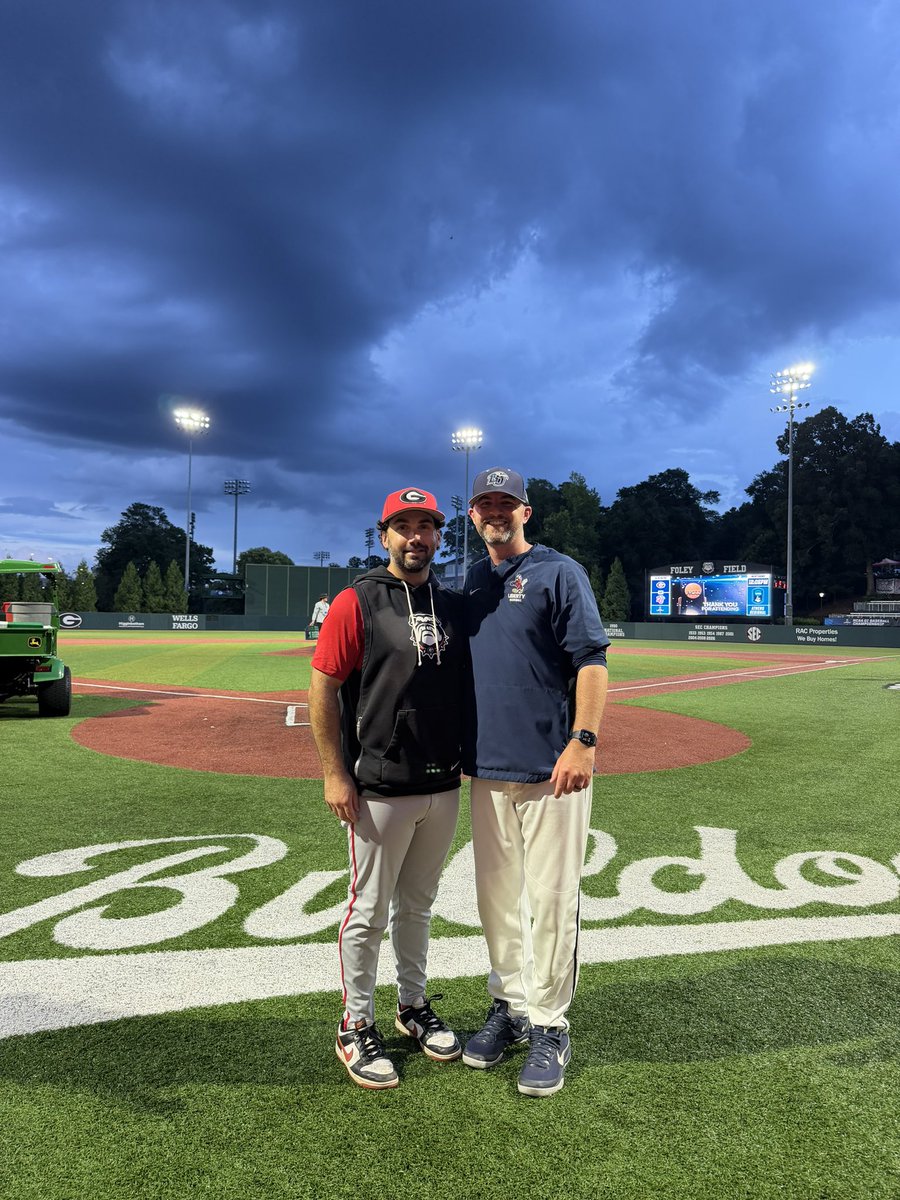
This afternoon in the Athens Regional, we had two former Hinds assistant coaches going at it in the winner’s bracket, as Nick Ammirati (Georgia) and Keller Bradford (Liberty) went head to head! Super proud of these guys and best of luck the rest of the way!
I wish someone told me this before my first Regional.
To every player taking the field today:
It might be your first one. It might be your last one. Either way, understand how rare the air is over these next few days.
Breathe it in. Look around. Take mental pictures. Embrace every little part of it - the crowd, the dugout, the nerves, the pressure, the national anthem, the moments where your heart starts beating a little faster.
Because sometimes your first Regional is your last, even if you think you’ll be back.
I was blessed to play in two Regionals in my two Division I seasons. One with Indiana State at Kentucky, and one with Clemson when we hosted. My personal experience in both could not have been more different.
At Kentucky, I made the All-Tournament Team by the grace of God, mostly because of one 4-for-5 game. But outside of that, I struggled deeply. I was in red lights. Completely sped up. Trying to force the moment instead of being present in it. When things got tough, I wasn’t ready. I let the moment pass me by.
A year later at Clemson, I was different.
I was ready for the moment. I could feel my heart speed up and still breathe through it. I could take a deep physiological sigh, slow the game down, and compete with a calm mind. I wasn’t trying to prove I belonged anymore. I was just playing.
That’s what I hope every player gets to experience this weekend.
I’ve seen too many guys squander the moment because they tried to do too much. They got sped up, chased results, pressed, and ended the weekend feeling like they never really showed who they were.
So take extra time to be grateful. Gratitude slows you down.
Stay in your process. Remember, it is not a mistake that you are there. You earned it.
Channel your inner child and play free, like you’re back in the front yard playing wiffle ball with your neighbors.
The moment is big. But the game is still the same.
🚨How to become the elite ballplayer that you really want to be: 👇🏼 👇🏼 👇🏼 👇🏼
Dominate EVERY Warm-up
Dominate EVERY Rep
Dominate EVERY Drill
Dominate EVERY Practice
Dominate EVERY Day
Train yourself to DOMINATE EVERYTHING!!
Your success & future are riding on it!!!
#BaseballTruth
The Scouting Classroom #16
What Scouts Watch During Infield/Outfield
Pregame Defense Matters
Pregame defense matters. A lot!
Most fans don’t pay close attention during infield/outfield. They’re finding their seat, checking the lineup, or waiting for the game to start. But scouts are already working, because a player can tell you a lot before the first pitch is ever thrown.
Infield/Outfield Is Not Just Warmup
To a scout, infield/outfield is part of the evaluation. It is a chance to watch feet, hands, exchange, arm action, carry, accuracy, body control, first step, angles, rhythm, and energy. The throw is only the last part of the play. The real evaluation starts before the ball ever reaches the glove.
How does the player move into position? Does he work through the baseball? Are his feet active or heavy? Are the hands soft or stiff? Does the exchange happen naturally? Does the arm work clean? Does the ball carry with life, or does he have to max out to make the throw?
That’s what scouts are watching
The Feet Tell the First Story
Before the arm, before the glove, before the throw, I’m watching the feet. Bad feet usually create bad throws. A player can have arm strength, but if his feet don’t work, the arm may never play the way it should.
Infielders have to create rhythm, read hops, get their body in position, and play through the ball instead of letting the ball play them.
Outfielders have to show reads, routes, angles, body control, and the ability to get behind the baseball.
A big arm is nice, but a big arm with bad feet is not the same as a playable defensive tool.
It’s More Than Just Arm Strength
Fans love the big arm. Scouts do too. But scouts are not just asking, “Was it hard?” We’re asking if it carried, if it was accurate, if the arm action was clean, if the ball stayed true, and if the player can make that throw again and again.
There is a difference between a player who can air one out in pregame and a player whose arm is a real tool. A real arm plays with carry, accuracy, and consistency.
Hands and Exchange Matter
For infielders, hands tell you a lot. Are they soft? Are they confident? Does the player receive the ball cleanly? Can he adjust to an in-between hop? Does he funnel naturally? Does the exchange happen quickly without panic?
Some players look athletic until the ball gets to them. Then the game gets loud, the hands get hard, the feet stop, the exchange gets long, and the throw rushes.
That’s evaluation
A scout is not only looking for the routine play. He is looking for how clean the body works when the play speeds up.
Outfielders Get Evaluated Too
Outfield defense is not just catching fly balls and throwing to the cutoff man. Scouts are watching reads off the bat, first step, route efficiency, closing speed, body control near the wall, ability to play through the ball, throwing mechanics, carry, accuracy, and comfort moving in space.
A fast player is not automatically a good outfielder. Speed helps, but reads and instincts are what make the speed play. That is the difference between raw tools and baseball tools.
And there is a difference
The Lesson for Players
Never sleepwalk through infield/outfield. You may think nobody is watching, but a scout probably is, and he may learn more than you realize.
Pregame defense is not the time to be casual. It is the time to show pride in your position, to show that your actions are real, and to prove that your tools can play.
Because defensive evaluation doesn’t start when the ball is hit in the game. It starts in pregame.
The feet, the hands, the exchange, the arm, the carry, the accuracy, the rhythm, the body control, and the energy all matter.
Scouts are not just watching the throw
They are watching everything before it
That’s where evaluation begins
That’s Scouting
#BehindTheRadarGun 🔎
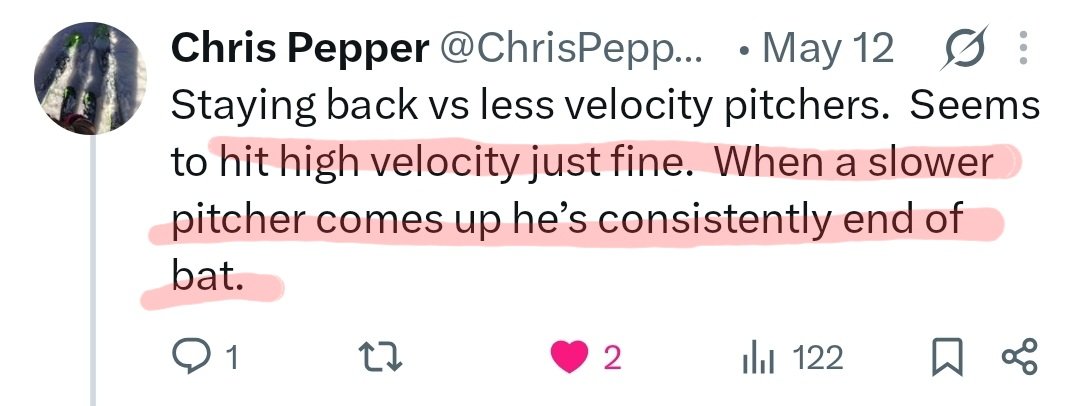
A parent asked me:
“My son crushes higher velocity…
but against slower pitching he keeps hitting balls off the end of the bat.”
One adjustment I learned as a player that I now teach my hitters:
A lot of hitters hit balls off the end of the bat against slower pitching…
because their trigger starts too early for the pitcher’s tempo.
Your trigger = when you begin getting ready to hit off the pitcher.
One thing Dusty Baker used to tell me was:
“When the pitcher shows his back pocket… you show yours.”
Against average velocity…
that worked great for me.
But against slower pitchers…
I learned to delay my trigger until later in the delivery... sometimes around hand separation.
Against higher velocity…
I might start getting ready as the pitcher lifts his leg.
The point is:
you can’t use the SAME trigger for every pitcher speed.
That’s why some hitters:
-pull off
-get out front
-hit balls off the end
-struggle staying through the baseball
against slower pitching.
So here’s something players can work on TONIGHT:
During batting practice:
-mix in different pitching tempos
-consciously delay your trigger against slower speeds
-focus on letting the baseball travel deeper
One thing I also use with this is the Barry Bonds drill I talked about earlier:
-catching the baseball with the top hand
-tracking the ball deeper
-training adjustability
Because great hitters don’t just have good swings…
they learn how to match timing to different tempos.
Thank you for reading,
Jermaine Curtis
P.S. - my goal is to help players play in high school, college, and pro...just like I did.
P.S.S. - if you found this helpful and enjoyed it, please share it. That tells me you want more content like this.
Summer ball is heating 🔥
Evaluators are hitting the road.
Hitters - want to stand out?
1. Be prepared to hit when you are in the double hole, helmet, batting gloves, protective equipment - on
2. Focus and breathe in the hole, don’t jack around in the dugout with your teammates. Give yourself a mental at bat before stepping on deck. Be intentional with your purpose.
3. Routine, routine, routine on deck. Practice “your feel” and clear your mind
4. Walk up to the plate like you own the place and swing like your there to do damage.
5. When you get out (that happens more than you will get a hit), act like you’ve been there a million times.
6. Be the first one on the field on defense if you can
No matter how well you do in sports, there’s always gonna be someone negative.
Win? They complain.
Lose? They complain.
Do well? They downplay it.
That’s life.
Stay away from negative people. Miserable people hate seeing others succeed. Keep working, keep winning, keep moving.
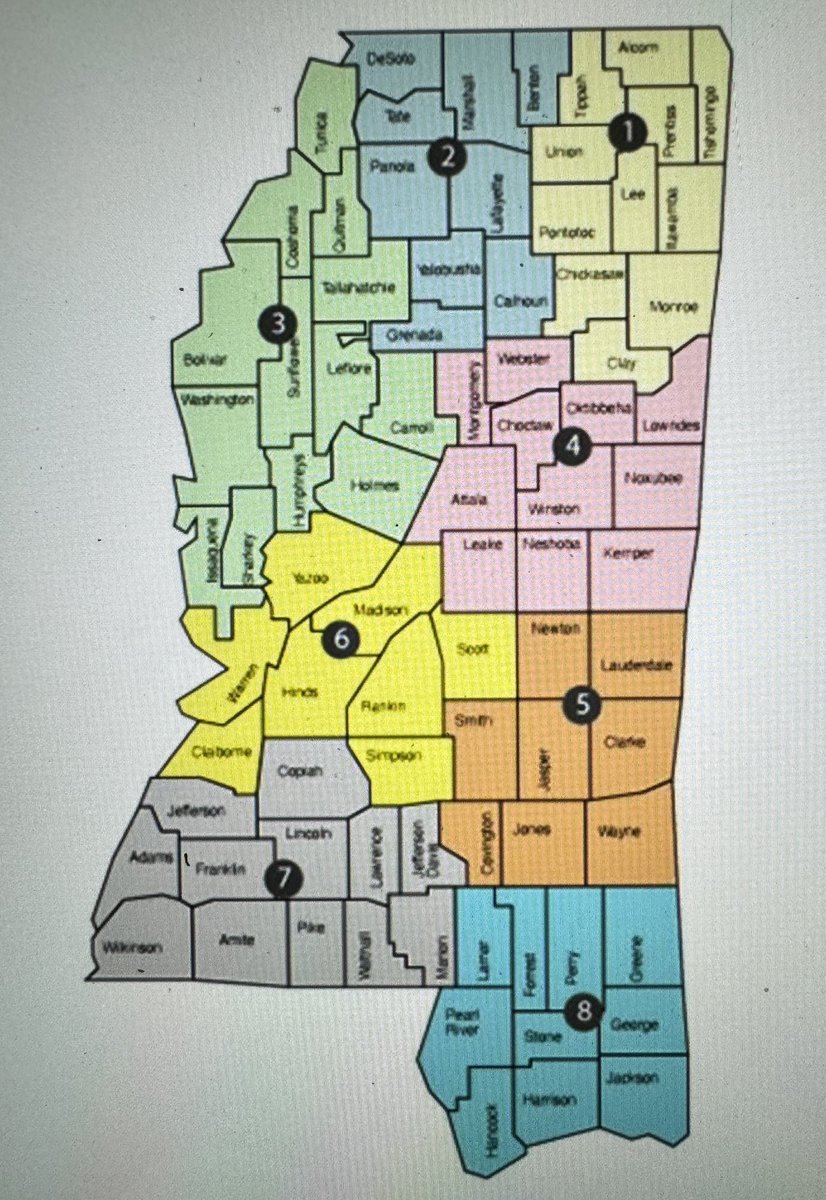
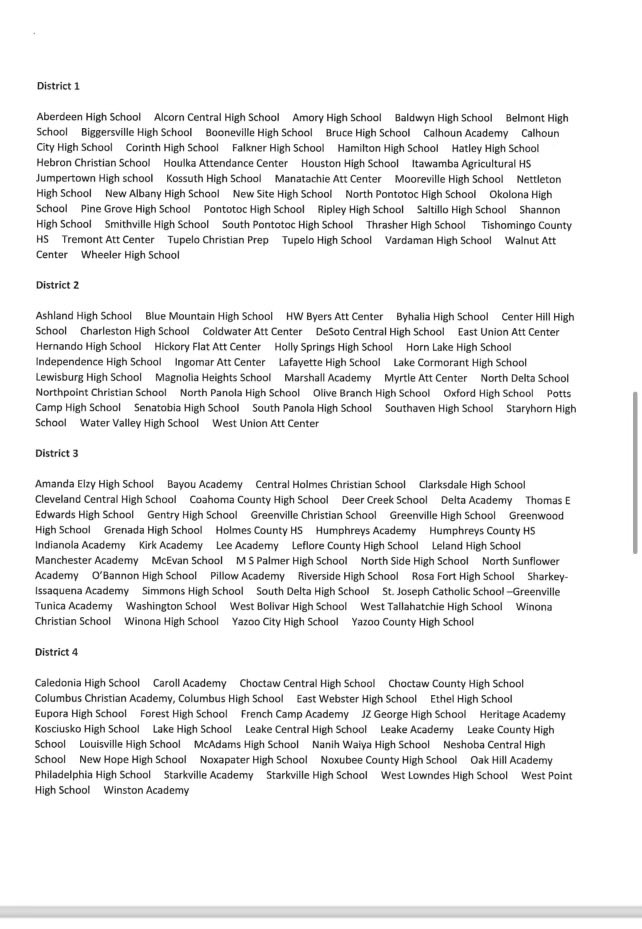
STATE GAMES OF MS tryouts are JUNE 2nd or 3rd depending on your district.
HUGE recruiting event!
If you want to be seen and/or increase your stock, try out and LFG!
#TOALFG
As summer ball kicks off, my message to all the players:
Every game is an opportunity to
- Have Fun
- Learn 1 thing
- Be your Authentic Self (on and off the field)
- Prepare with Consistency
- Play with Intent and Focus
- Focus on Winning (you showcase your individual talents through the team game
If you do those 6 things every day, you will look back on a successful summer!
We will host an unsigned senior/transfer showcase at Joe G. Moss on Thursday, May 28. Registration gets underway at 12:15 and the tryout will start at 1 pm.