Using chlorpromazine and promethazine to induce #hypothermia, researchers find they can lower metabolism and body temperature to protect large animals from #stroke—and show the combo is safe in a phase one clinical trial. @ScienceTM https://t.co/QSk09RZnLo
"My client is not in a hurry."
One hundred years ago today, on June 10, 1926, Antoni Gaudí died in Barcelona, three days after being struck by a tram on his way to confession. Because of his simple clothes and unkempt appearance, many mistook him for a beggar and delayed helping him. By the time he was identified, it was too late.
A century later, the man known as "God's architect" is being remembered not only for his genius, but for the faith that inspired it.
Today, Pope Leo XIV will visit the Basilica of the Sagrada Família to bless the newly completed Tower of Jesus Christ, the final and tallest of Gaudí's planned towers. Rising 172.5 meters (566 feet), it makes the Sagrada Família the tallest church in the world.
Gaudí devoted the last years of his life almost entirely to the Sagrada Família, convinced that he was not building a monument to himself but offering a work of praise to God. He famously accepted that he would never see it completed, saying, "My client is not in a hurry."
One hundred years after his death, the basilica remains a testament to a faith capable of imagining eternity—and to a man whose greatest masterpiece was never really about architecture at all.
All of these women have achieved extraordinary things when it comes to charts and cultural moments, but I'd like to take a moment to highlight some of Gaga's influence beyond chart-topping albums and singles.
The Fame arrived at a pivotal moment for dance-pop. Singles like "Just Dance" and "Poker Face" helped reintroduce electronic production and club-driven sounds to mainstream radio on a scale that had not been seen since the late-'90s Eurodance era. In doing so, they helped shape the sonic landscape of the early 2010s, influencing a generation of pop artists from Katy Perry and Ke$ha to the broader mainstream embrace of dance-pop.
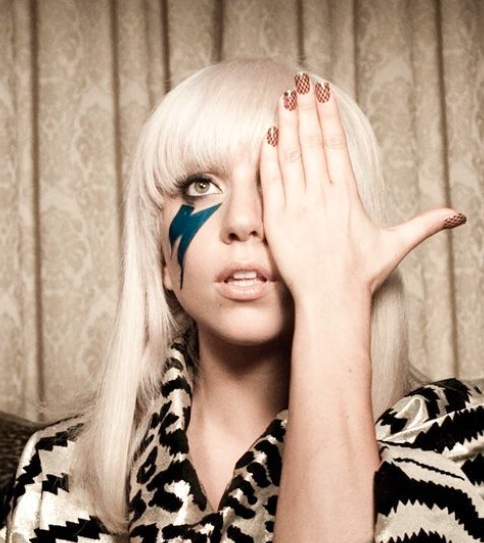
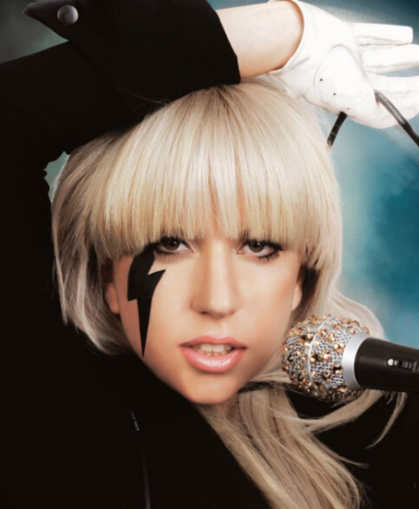
Her impact on fashion was equally immediate. Before Gaga, high-concept editorial fashion rarely crossed over into mainstream pop culture at that level. She helped turn avant-garde fashion into a mass conversation through collaborations with Alexander McQueen, Versace, Mugler, and others, bringing the aesthetics of fashion week and performance art to arenas, award shows, and morning television. She was, let’s be honest, impossible to ignore.
Beyond fashion, she helped shift the cultural conversation around LGBTQ+ visibility in mainstream entertainment. At a time when many artists kept their political views vague, Gaga was outspoken and specific in her advocacy, testifying in support of the repeal of Don't Ask, Don't Tell in 2010 and cultivating a fanbase whose loyalty was, and remains, tied in part to feeling genuinely seen and represented.
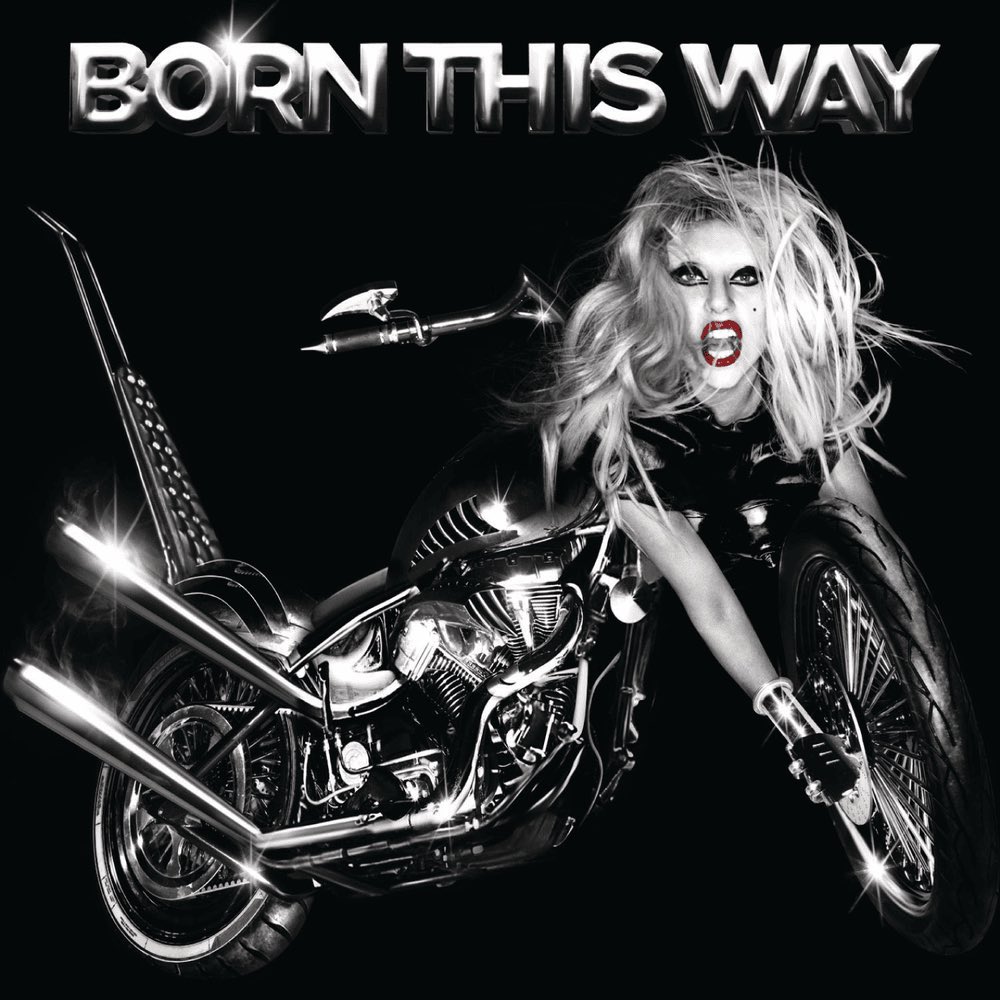
Her approach to the album as a fully realized artistic era, complete with visual identity, conceptual world-building, and a distinct performance narrative, became a model that many artists across pop, R&B, and hip-hop would later adopt. The emphasis on cohesive era-building seen in artists such as Doja Cat and Charli xcx can be traced, at least in part, to the groundwork Gaga laid with The Fame Monster and Born This Way.
She also demonstrated that mainstream pop stardom and critical acclaim could coexist. Her transition into film with A Star Is Born earned her an Academy Award nomination for Best Actress and challenged the long-standing notion that pop musicians and serious actors occupied separate lanes.