One of the deadliest snakes alive bit this man on the leg. He felt a small scratch, kept walking, and nearly died. Months later a harmless twig caught the same leg and he hit the ground screaming. Both times the leg was fine. His brain decided when to hurt him.
His name is Lorimer Moseley, and he has studied pain for thirty years at the University of South Australia. That day taught him what his whole field now agrees on. Pain is your brain's alarm for danger. Your brain takes the raw feeling from your skin, weighs it against everything else it knows, then decides whether you are in trouble. When the answer is yes, you hurt. The skin only sends signals. The brain builds the pain.
The first time, his brain saw a tiny scratch, called it nothing, and stayed quiet while the venom spread. The second time, it remembered the snake, read the same scratch as deadly, and set his whole leg on fire over a twig.
You can watch the same thing in people who have lost a limb. Most still feel the limb that is gone, and roughly two in three feel it hurting, often squeezed into a fist so tight it feels like nails cutting a palm that is no longer there. In the 1990s a brain scientist named V.S. Ramachandran tried something that sounds too silly to work. He sat them at a cheap mirror box, angled so their good hand's reflection sat where the missing one used to be. They opened the good hand, the brain saw the missing fist open in the mirror, and the pain let go. In his first small group, four of five people with that clenched-fist pain got relief.
If any of this sounds like your own aches, you are in huge company. In 2023, nearly one in four American adults, around 60 million people, had pain on most days for three months or more. For long-term back pain, the most common kind, doctors find no clear cause in about 85 percent of cases. The pain is severe and steady, and the scan still comes back clean.
That is changing how the hardest cases get treated. In 2022 a team at the University of Colorado ran a trial on 151 people with stubborn back pain. One group spent four weeks in a talk therapy built on one idea, that an over-alert brain was making the pain and their back was safe to move. Two out of three came out pain free or nearly so, far better than placebo or standard care. Most were still fine a year later, and brain scans showed the pain circuits had calmed.
The leg was never the point. A brain can sit silent while live venom spreads through it, and it can scream over a harmless twig. The pain you feel is your brain's best guess about danger. And a guess can be taught a better answer.
And let's be totally clear: every single drug has side effects. Even as a doctor, I never take Paracetamol myself unless I actually need it like if I am running a high-grade fever and desperately need to sleep. Even an OTC drug should be taken with medical advice. This post is about why we intervene in high-grade or distressing fevers, not a recommendation to pop a pill for every minor temperature bump ❌
The relative was actually half-right.
When a virus invades, your immune system signals the hypothalamus (the body’s thermostat) to crank up the heat. This creates a hostile environment that slows viral replication and kicks your white blood cells into overdrive.
So why do we give Paracetamol?
Because this defense mechanism comes with a massive metabolic tax.
For every 1°C rise in body temperature:
📈 Heart rate jumps 10-15 beats/min
🫁 Oxygen demand spikes
💧 Fluid loss accelerates rapidly
We don't give Paracetamol to kill the virus. We give it because that physiological stress can be absolutely exhausting and sometimes dangerous.
Paracetamol inhibits prostaglandins, gently resetting the thermostat. It acts as crowd control so your immune system can win the war without setting the host on fire. It buys you comfort so you can actually rest, hydrate, and recover.
The Golden Rule in the Medicine Wards:
We treat the patient, not the thermometer.
If you want to understand how your body actually works, follow me for more clinical pearls and daily health literacy.
Kgante why do Pharmacists put their stickers over the English part of the medication and leave open the Afrikaans part?😔
Kea lwala and I must be trying to understand gore spray se sa Geskiedenis ke sao dirang!?
ADHD & Autism dream life:
- a partner who really gets you
- a home designed for sensory peace
- routines designed for low-energy days
- low noise and low chaos
- silence that feels safe, not lonely
- dogs & cats
- a library
- friends who don’t take your quiet personally
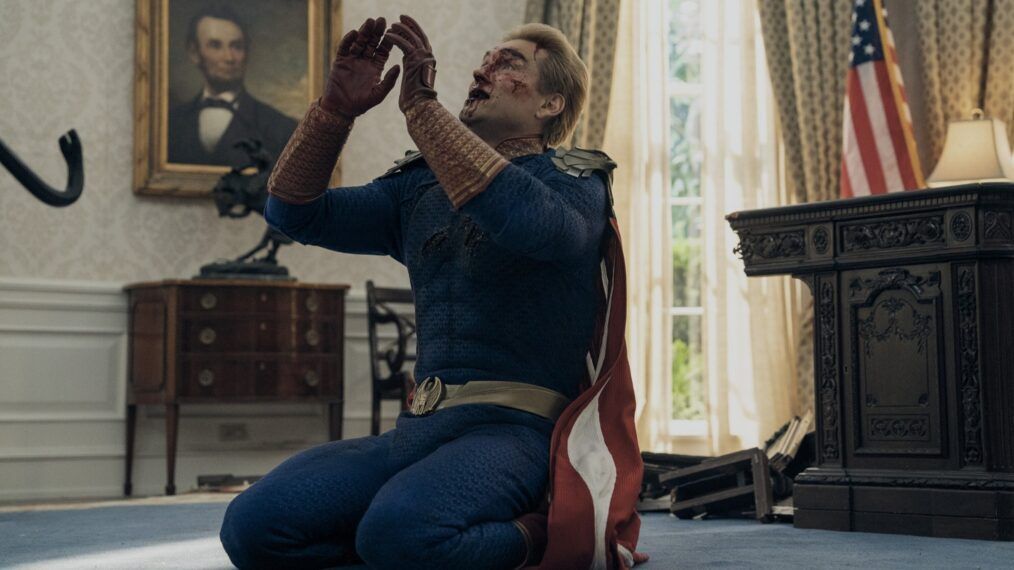
The Boys series finale introduced Gunter Van Ellis: world's richest man, 17 children, amateur astronaut, talks about white fertility rates, wears a "We Believe In Homelander" hat.
Homelander took him to space.
Elon Musk replied to a post about the scene with one word: "Pathetic."
Showrunner Eric Kripke quote-tweeted Musk's response and posted: "I'll never get a better review ever."
Kripke confirmed Homelander was modeled on Trump, and it was obvious this new character was modeled on Musk.
Did The Boys end as a superhero show or a political broadcast?
My daughter called me at 11:17 PM. Whispering. “Mom… can you ask me if I finished my homework?” We don’t do random homework checks at night. That’s the code. “Homework” means: Something’s wrong. I need you to call me out of this. “Chores” means: Stay on the phone, don’t hang up. “Goodnight” means: I’m safe. She said homework. I hung up immediately and called her back. “Hey, did you finish your homework?” I said, loud enough for anyone around her to hear. “Oh shoot, I forgot,” she played along. “You need to come home right now,” I said. “I need help with something.” “Okay,” she said. “I’ll come now.” I grabbed my keys and left. No texts. No extra questions. Just moved. Pulled up to the house. Music was loud. Too loud. Front door open. People I didn’t recognize. She came out fast when she saw my car. Got in. Locked the door. We sat there for a second. She exhaled like she’d been holding her breath all night. “You okay?” I asked. She nodded, then shook her head. “It was fine at first.
Confession... I am 70, have smoked marijuana ever since Vietnam in 1969, same year my daughter was born! My confession is, when she was 16 I discovered a stash of marijuana under her bed, I took it and I smoked it! Years later she told me about the cat ate her weed