Subscribe to KIRO MAGAZINE, Uganda's only Speculative Fiction magazine, and access stories reimagined, based on Bunyoro Kitara folklore, "Amabeere ga Nyinamwiru" at https://t.co/TsCFPdS65n
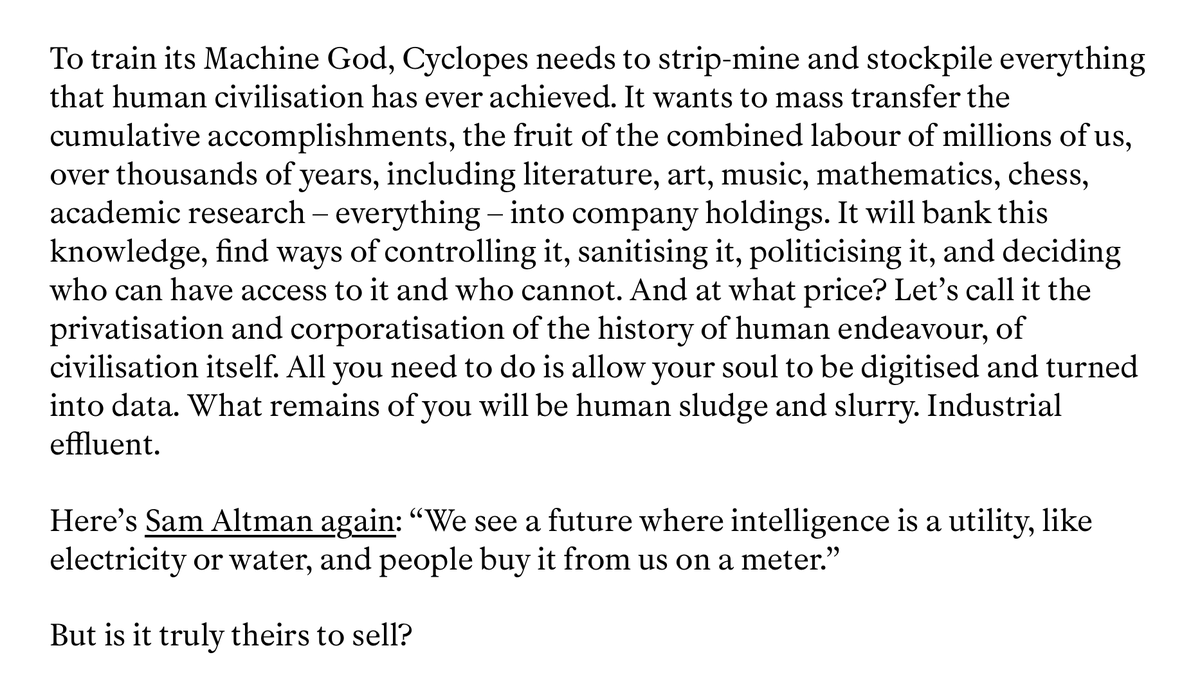
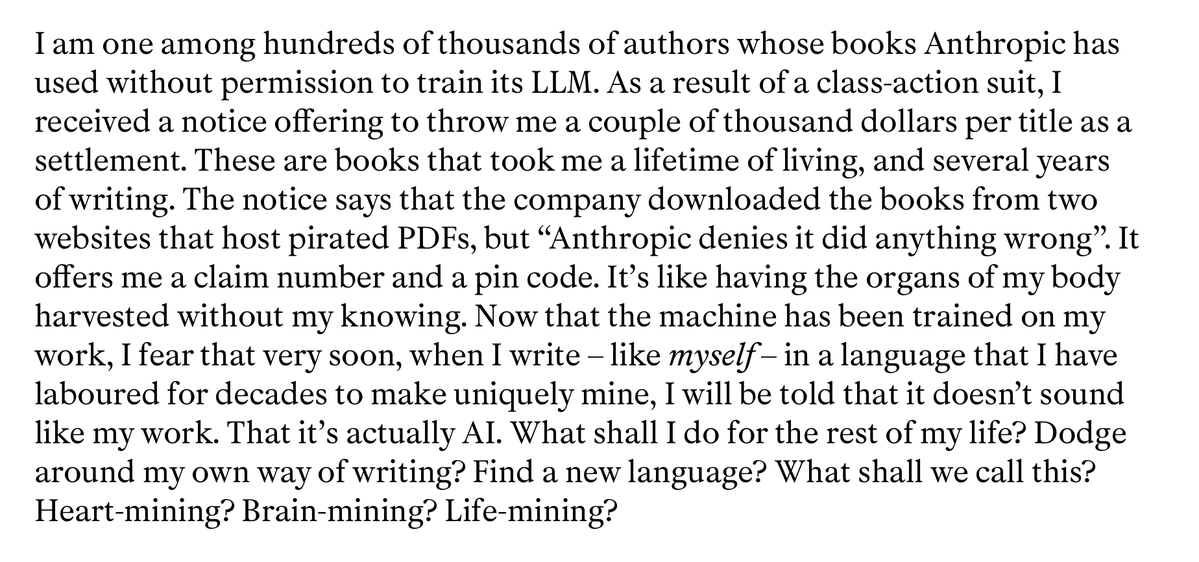
Like Arundhati Roy I also received one of these notices and what she describes is at the heart of much of my irritation with the way the whole AI debate is happening.
Apocalypse Now and Then - Arundhati Roy https://t.co/kOAUuIsvPz
I truly pity emerging writers from the continent, for they have always been the orphans of literature. I have been there, as have many of us. Our governments don’t care about art. All they want to do is loot and loot and loot. The foreign and domestic organizations that claim they want to save our art most times want to be saviors without an ounce of backbone. The writers, those among us who have made it, want to be worshipped as gatekeepers and geniuses. And so we are left to apply to foreign schools, to do anything to save our art, knowing that we will never be protected. I truly bless people like Troy, who have continued to create spaces for writers. I read that Caine whatever. I have promised myself not to say anything about it. We are truly fucked. So try and save yourself, because there is nothing about our literary community that will come and save you.
Ugandan poet Jedidiah Mugarura's Sillerman Prize-winning debut NYAMUTEZA, the Runyankore word for Pluto, arrives February 2027: a book-length love song set in a village devastated by a hailstorm. Preorders are open now 📖✨ https://t.co/ZV26dLWFUx
Writers! I compiled a list of literary magazines that are always open and how much they pay
1Flash fiction online $ 100
2Chestnut $120
3Fahmidan $35
4Trampset $30
5The Sun $200
6Crafts Literary $50—$200
Submissions are open for our next quarterly!
For this quarterly issue, we want submissions that revolve around the theme of water. Rivers, seas, oceans, rain, drought, reefs, mermaids, pirates…all things water.
Send us stories, essays, poetry, & more.
https://t.co/v2zKRpEIE4
Read all 2026 Caine Prize shortlist including the winning story by Simbarashe Kundizeza. Such brilliant pieces by African Writers.
https://t.co/Z3qLp74kh0
These attacks on African and Black writers are nothing new. AI is just the tool of the age. Before this, it was plagiarism. It was almost like a rite of passage. Now it's AI. The root cause remains the same. Racism, anti Blackness, Afrophobia.
Call for submissions!
Writers Space Africa (WSA) magazine is now open for submissions for its 120th edition.
Theme: What If?
Genre: CNF, children's literature, short story, flash fiction, poetry
Deadline: October 19th, 2026
For the last 3 years, The Abebi AfroNonfiction Foundation has empowered Nigerian women writing creative nonfiction. This year, we’re inviting African women from ALL over to join us for our inaugural fellowship and anthology publication.
Full details https://t.co/xP6vDOD1kj
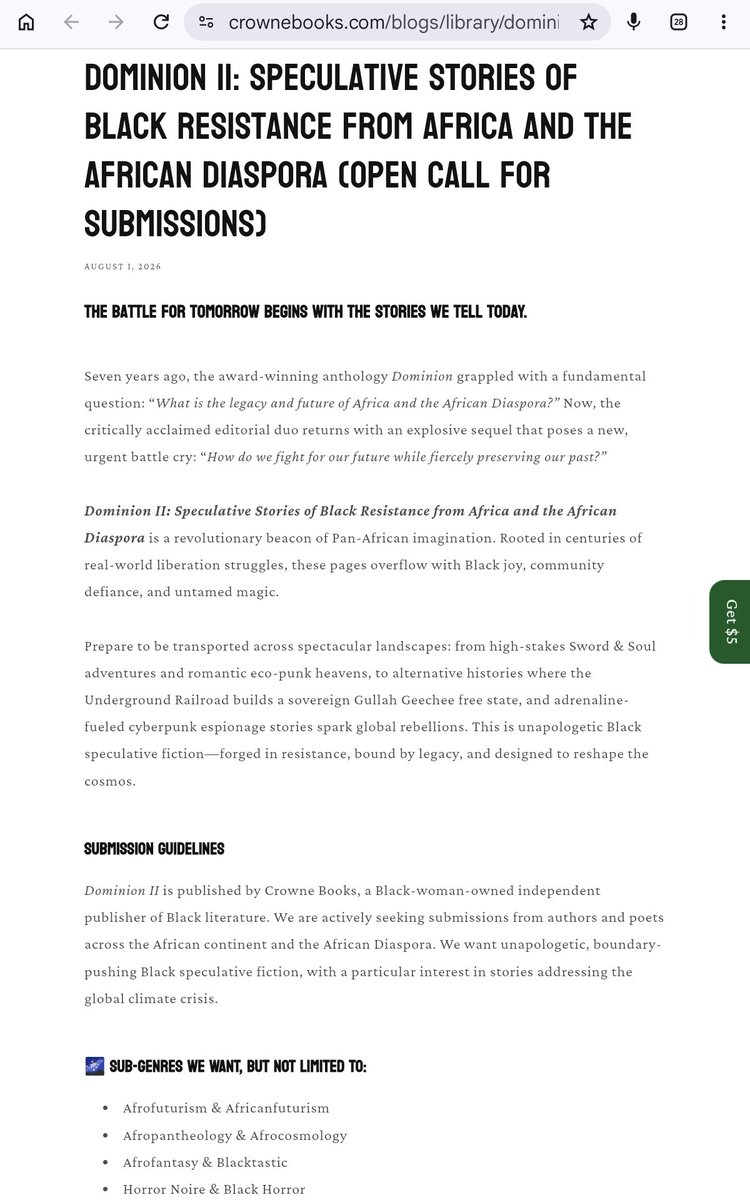
Open call for for submissions 🥳🚀💥:
Dominion II: Speculative Stories of Black Resistance from Africa and the African Diaspora.
The sequel to the legendary Dominion anthology which began it all.
Payment, 8c per words for up to 17500 words. Submissions open till Black history month, February 2027. And no, we don't discriminate on word count because for Dominion 1, we had two works of over 15k words. So shoot your shots.
You can see more of the guidelines in the link below, and pics here.
On August 2nd, the DRC marks its National Day of Remembrance. It is a day about refusing to let stories be told only through the language of tragedy and silence. From the DRC to Congo-Brazzaville, Congolese writers have long been part of that work 🖋️📚 https://t.co/wNe9rERV3o
Submissions of poetry, fiction and creative nonfiction are now open! We pay our writers and read all work carefully. Send us your best!
https://t.co/YnMMI4boIy
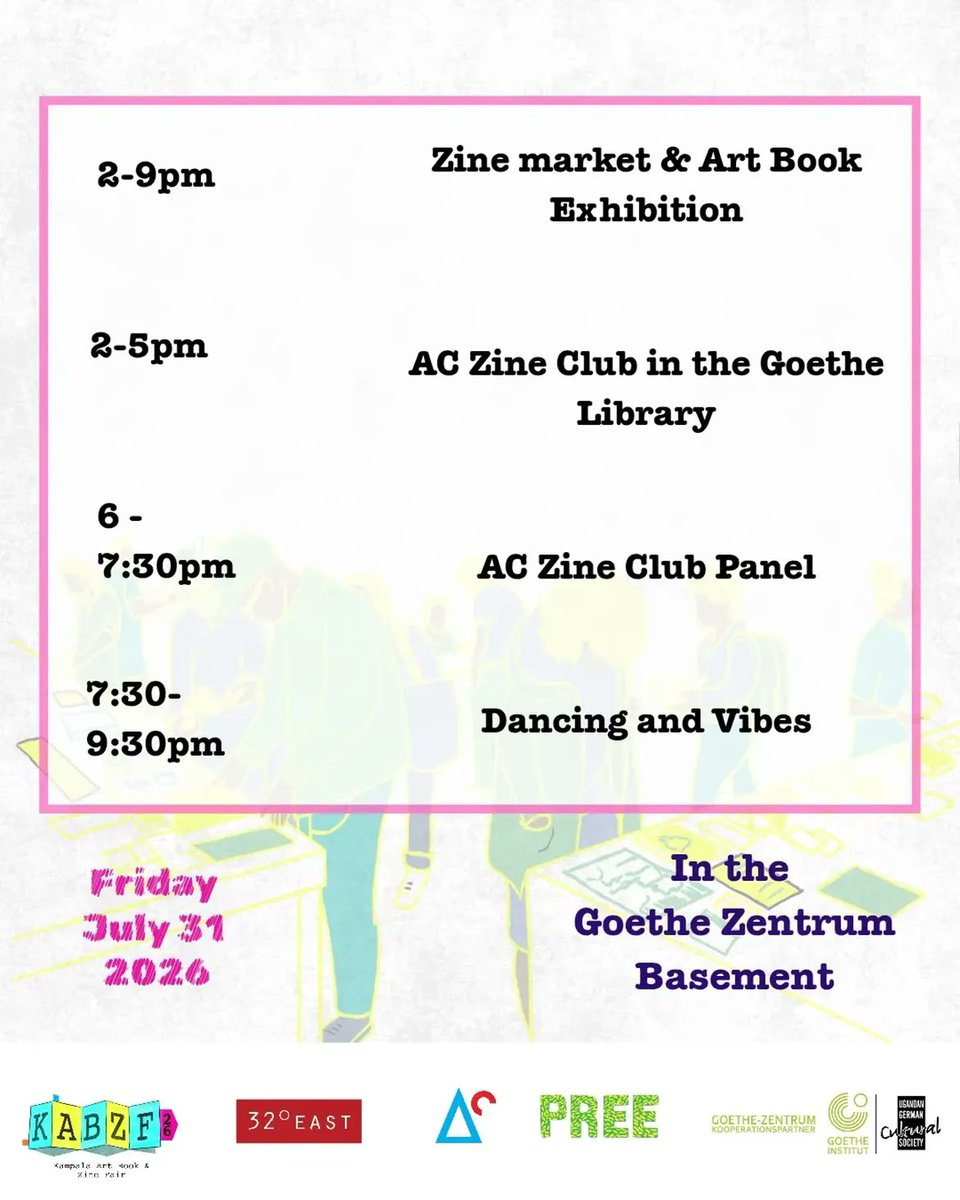
Here is what’s going down tomorrow at the Kampala Art Book & Zine Fair at the Goethe Zentrum Kampala Basement. Come and support local, independent artists, writers, and bookmakers!
I'm a second-generation bookseller. My family runs Houston's largest used & rare bookstore and I'm building an AI tool for used bookstores. We got hit by exactly these orders, including a single order for 70 obscure books that made us pause online sales entirely. So I dug in. I don't think this connects the way people want it to.
Every ingredient of the viral story is true. ISBNdb really does advertise sourcing books for AI companies. Anthropic really did destructively scan millions of books though they were mostly acquired through things like library deaccessions, not bookstore inventory. And booksellers really are getting bizarre bulk orders. But "rare" here isn't what you're picturing. It's The Insider's Guide to Metro Denver (1995) and how-to-use-WordPerfect 1991 manuals. Obscure, but often not precious.
When we combed through our orders, nearly every book bought from us was either unavailable on Amazon or listed there at 5, 10, 20x our price on the platform they were purchased on. And the shipments are going to FBA prep companies: which is what you do with a book you're about to resell, not one you're about to cut apart. There is more than circumstantial evidence that this is a well-funded company running algorithmic arbitrage, buying underpriced or out-of-stock books to relist on Amazon at markup. This evidence includes an official denial that they are selling to train AI but I don't want to mention them for several reasons. You can Google it.
That's more mundane than the shredder story. The actual risk is worse, though, because it's quieter: books that don't sell via FBA eventually get liquidated. If we really hold the last copies of some of these (and comparing platforms, it looks like we might) we're feeding them into a portal they may not come back from. No AI company required.
Everyone assumes the internet preserved everything. It didn't. Many of these books have almost no metadata anywhere, just a scattered listings across proprietary databases then nothing. That's what my project is for: building better bibliographic records for these books than exist anywhere else, so we at least have a map of what we stand to lose. So the Library of Alexandria is still burning, just more slowly, and kore from “who cares” than from some cinematic villain.
(I am open to being corrected.)
Full writeup: https://t.co/tHXMH0L3us
The African Export-Import Bank’s (Afreximbank) Creative Africa Nexus (CANEX) invites emerging writers of African and Caribbean descent to apply for the 2026 CANEX Creative Writing Workshop.
Deadline: July 28, 2026
https://t.co/BExaBAcIOl
The Miles Morland Foundation is accepting applications for its 2026 Writing Scholarships. £18,000 paid monthly over twelve months, so African writers can finish a first draft. No residency or relocation, you simply get to write! Apply by September 22 ✍🏾 https://t.co/5ZRMYkAc26
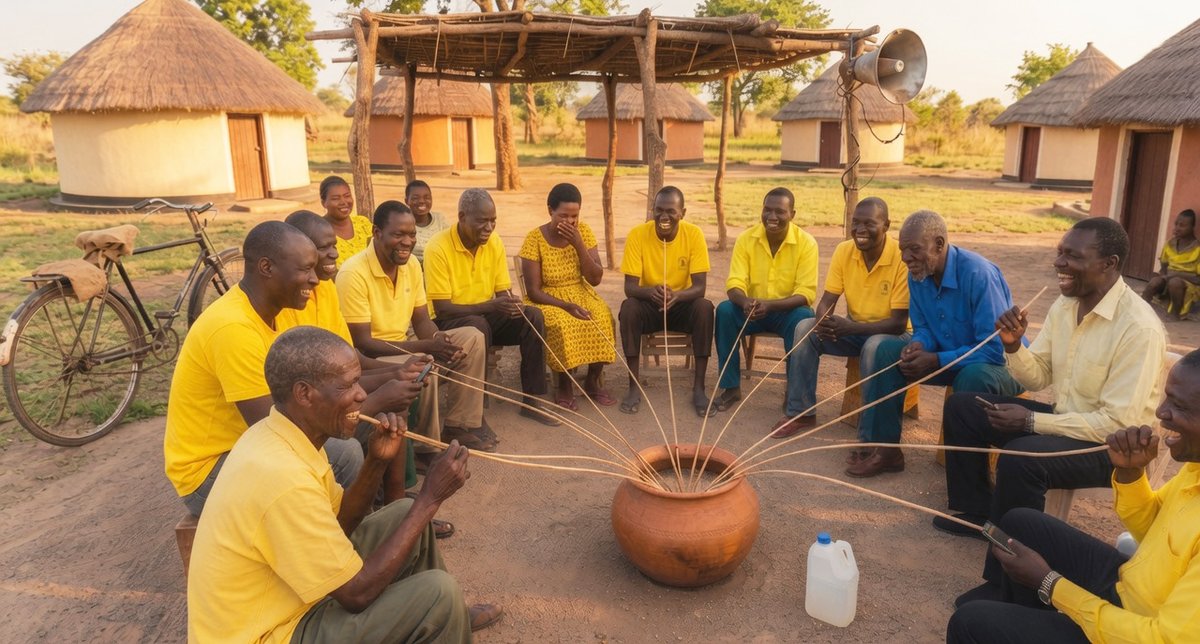
The Story of the Ajono/Malwa-Drinking Party
Ajono (Iteso), konɠho (Luo), or malwa (Bantu) is a traditional Ugandan brew made from fermented finger millet and sorghum. Traditionally, it is communally sipped from a single clay pot using long wooden straws, more popular known as “tubes”.
Hot water is periodically added to dilute the thick, semi-solid fermented millet paste into a drinkable liquid, activating the rich flavours while keeping the brew comfortably warm and hygienic for communal sipping.
A story is told of a chap who turned up to join a local ajono-drinking party. The regulars, however, were keen to exclude him, so one of them spoke up: “You can’t join us. Today we aren’t sharing tubes; everyone must bring their own.”
He replied smoothly, “No problem, I’ve brought my own tube.”
“Right, but we aren’t sharing seats either. Everyone must bring their own stool,” the group’s self-appointed spokesman retorted.
“Look here, I’ve brought my own stool,” the newcomer said, patting his seat.
“Ah, but you can’t sit around the pot barefoot. You need shoes or sandals,” the spokesman pressed on.
“I happen to have sandals right here in my bag,” the man replied.
“And we don’t allow blue shirts! You can only wear yellow or green,” the spokesman declared, desperately reaching for an excuse.
“I have a yellow shirt in my bag too,” the man smiled, pulling it out.
Defeated, the spokesman sighed, “Oh, bloody hell, just sit down then.”
And so, he sat down.
For as the ancestors well knew: the bird that flies with its own twigs will always find a place to build its nest, no matter how crowded the tree.
REMINDER‼️
Aké Review submissions will close on July 20, 2026, 7 days from now.
If you plan to send in your submissions, kindly do so now. Please follow the guidelines.
#NativeIntelligence#AkeFest26