Check out this miniature comedian!
Just as young children develop over time, so too does the sophistication of their humor.
Infants take particular delight in visual/physical forms of humor (silly faces, misuse of objects), for example. But by two and three years of age, children’s humor becomes increasingly language-based - including the ability to play on words to create new meanings.
Check out clever little Mills, who has identified a most comedic name for his pet moth: Mothhew. 🤣
His joke - which reflects his new developmental stage - is powered by an increasingly sophisticated understanding of language… and a developing 🧠 hard at work.
What was your preschooler’s best joke?
🎥 Mackenzie.Baker__ IG
Random adrenaline-rush teacher dream last night.
I dreamed I was outside enjoying the fresh air with my reception class. An urgent message came telling me I should have split my class and sent them to their phonics groups, and I should be in my classroom teaching RWI. 😱
This sweet video illustrates several important lessons for parents and caregivers when it comes to reading with infants and toddlers. What can we learn from it? Take a moment to watch (sound on) and then let’s unpack it a bit in the thread below. 🧵
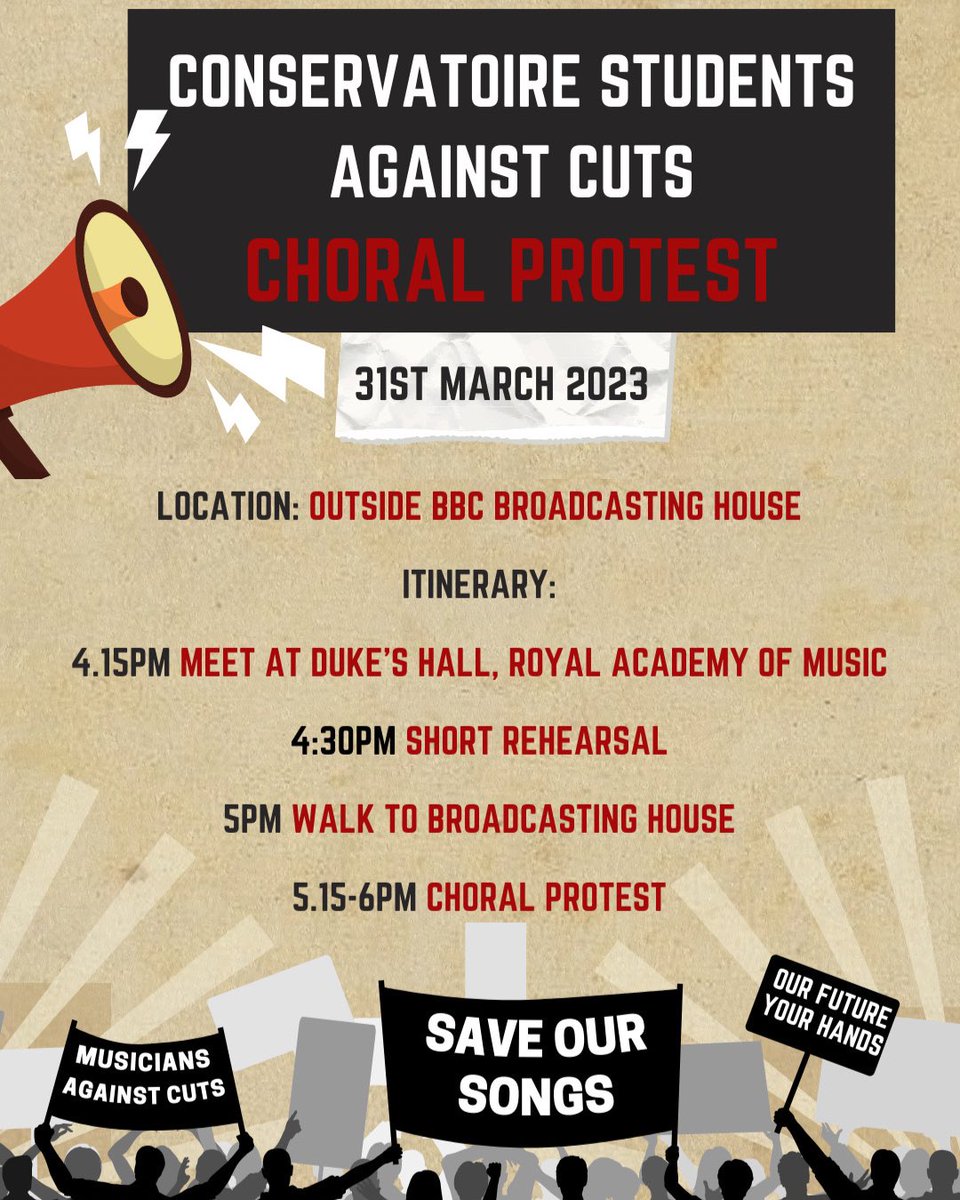
📢 Calling all conservatoire students and recent alumni! 📢
Please join us for this choral protest next Friday 31st March. More info: https://t.co/dKSFLrNZZK
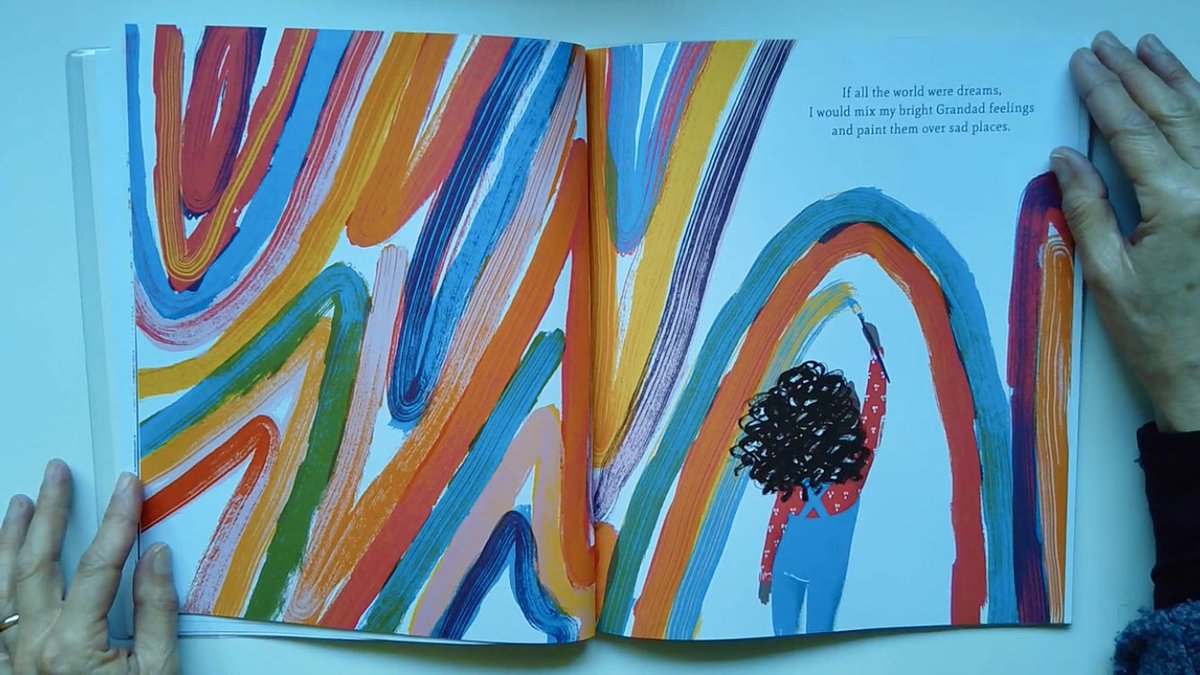
@mrjamesmayhew Thank you for sharing. I love this book too. Allison Colpoys’ illustrations are full of hope and ‘bright Grandad feelings’.
I recorded a read-aloud here:
https://t.co/LceUUirKSg
My @guardian article is out today!! Very grateful for this opportunity to talk about my experiences as a woman in conducting ⬇️ https://t.co/OPks29qpZX
Did you know that it takes about 2 months before babies discover they have hands? As their vision develops, they often become preoccupied with their fingers - learning how their bodies work & can be controlled. What you are witnessing is the beginning of fine motor development.