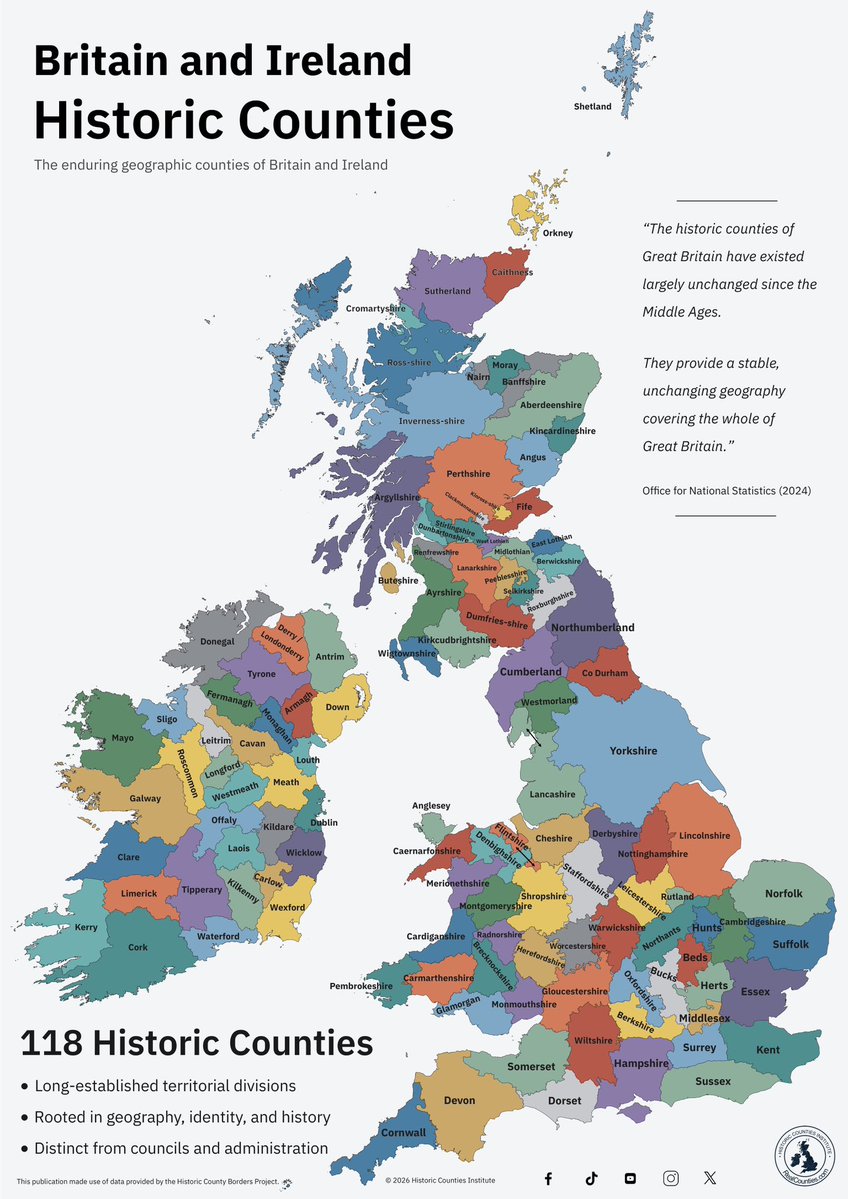
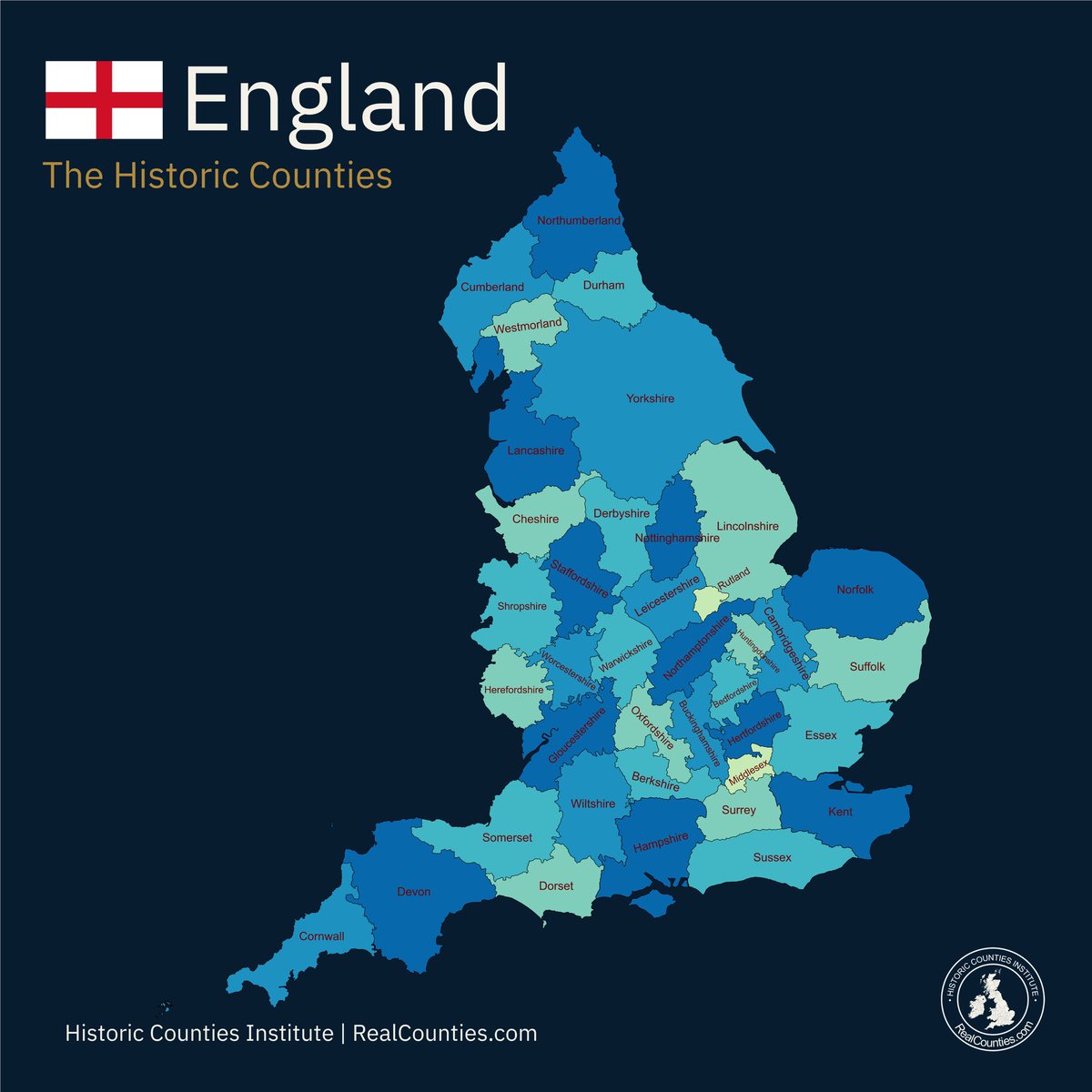
For centuries, the counties of Britain and Ireland have shaped where people belong.
They have been home to generations, carried through maps, records, traditions, sport, language and memory. Some grew from kingdoms older still.
These places are not simply history. They remain the enduring geography of Britain and Ireland.
Rediscover yours at https://t.co/w5jzJVGEKI.
Help us research, map and explain these enduring places for everyone: https://t.co/r1ubwr1YI1
@RhysGri01335419@AMadmanNotABox And, even better, use *actual* counties, which are the stable geography of a Great Britain. More at https://t.co/62StrhU4Zb
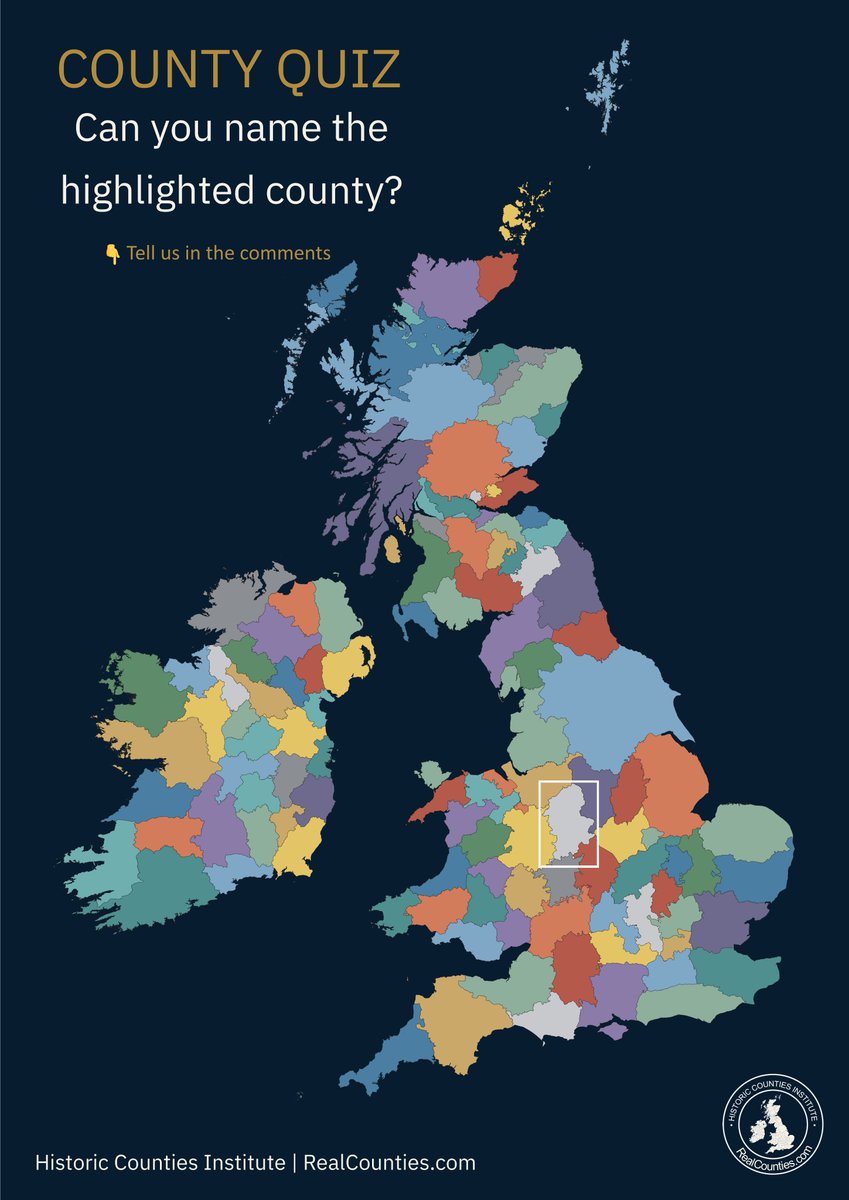
🗺️ COUNTY QUIZ 🗺️
Can you identify the highlighted county from its outline alone? No place names, no clues - just the county boundary.
Put your answer in the comments. 👇
Follow for more county quizzes!
@MaxCryptic5 Yes, it's funny how many people say that. It's the outline of the county, though, so, as the waters of the Medway are *in* Kent, the river itself does not appear. 👌
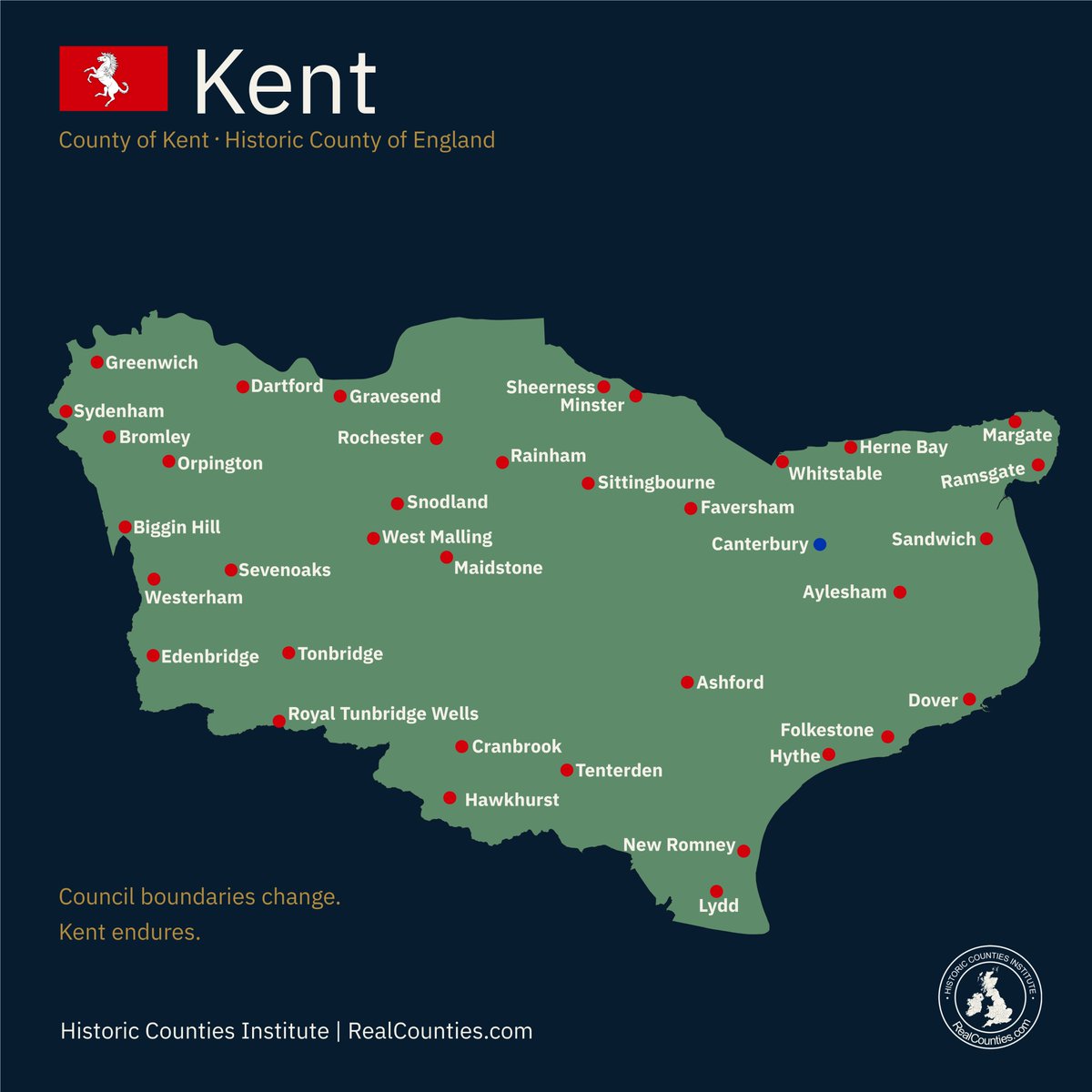
Greenwich is a London borough, but that doesn't mean it’s ceased to be part of a geographic county.
Greenwich is still geographically in Kent.
Inclusion in Greater London in 1965 changed Greenwich’s local-government arrangements, not its county geography.
Being part of London and belonging to a historic county aren't mutually exclusive. Both are true today!
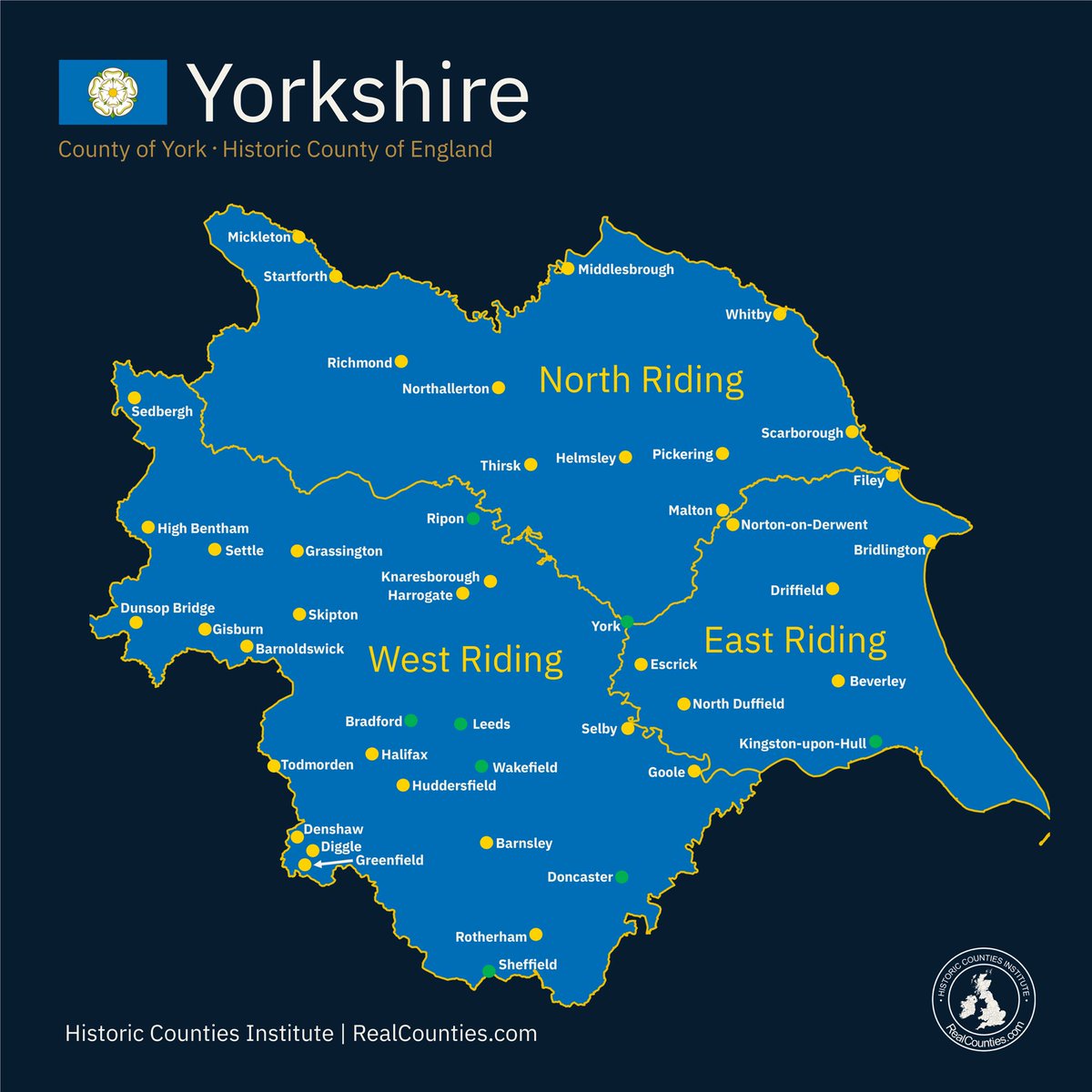
The City of York is a unitary authority, but that doesn't mean it’s ceased to be part of a geographic county.
York is still geographically in Yorkshire.
Changes in local-government arrangements do not change county geography.
Being a unitary authority and belonging to a historic county aren't mutually exclusive. Both are true today!
@AndrewG34558041 Almost!
The boundaries of the ridings meet at the walls of the City, thus York within the walls is outside any of the ridings.
(The wider City of York, however, is therefore split between the three ridings.)
Croydon is a London borough, but that doesn't mean it’s ceased to be part of a geographic county.
Croydon is still geographically in Surrey.
Inclusion in Greater London in 1965 changed Croydon’s local-government arrangements, not its county geography.
Being part of London and belonging to a historic county aren't mutually exclusive. Both are true today!
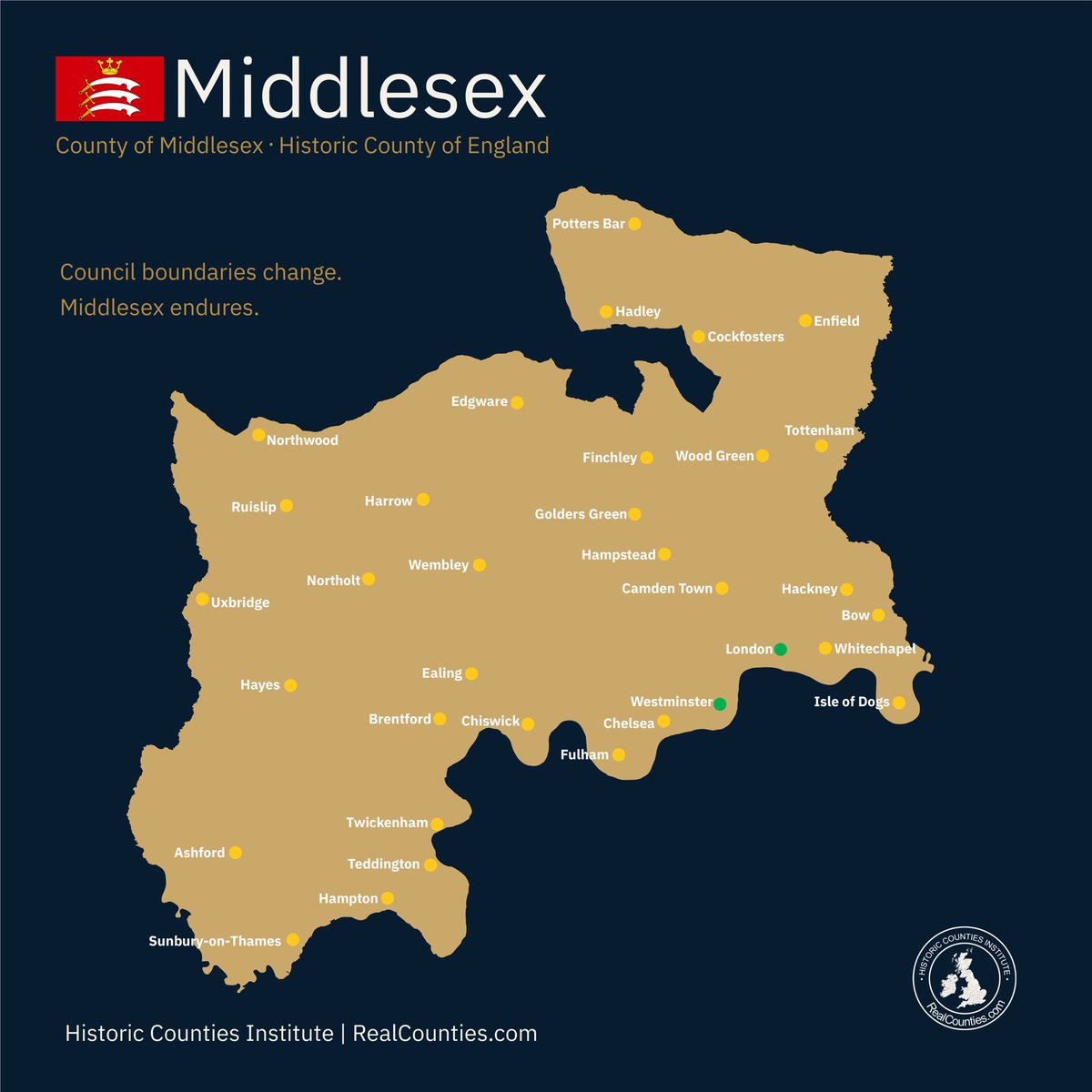
Yes, absolutely! Middlesex still exists as a geographic county today. 😊
You’re right, though, that its identity has been largely obscured. The abolition of Middlesex County Council in 1965 and the expansion of London’s administrative arrangements made the county much less visible in everyday life.
But those changes didn’t abolish Middlesex itself. Cricket has done a wonderful job of keeping the name alive, and we’d love to see it recognised much more widely.
It was the 76 year old ‘Middlesex County Council’ (which didn’t cover all of Middlesex) that was abolished in 1965, not the 1,000+ year old county.
That’s a major part of what we’re campaigning for at the Historic Counties Institute: making our enduring counties visible and relevant again, not bringing back something that has ceased to exist.
You can explore Middlesex’s full geographic extent on our interactive map at https://t.co/w5jzJVGEKI.
Croydon is a London borough, but that doesn't mean it’s ceased to be part of a geographic county.
Croydon is still geographically in Surrey.
Inclusion in Greater London in 1965 changed Croydon’s local-government arrangements, not its county geography.
Being part of London and belonging to a historic county aren't mutually exclusive. Both are true today!
You’ve summed up a rather British peculiarity! 😄 We tend to create new administrative boundaries without removing the older geographical ones.
Rotherhithe, for example, remains geographically in Surrey, although it’s been within London’s local-government arrangements since 1889.
The important distinction is that council areas can change without changing the geographic counties themselves. This allows centuries-old geographical identities to survive successive administrative reorganisations! 😊
Of course geographical divisions are human concepts, but that doesn’t make them imaginary or interchangeable! 😊
The geographic counties developed over many centuries as enduring territorial and cultural identities. They weren’t created to serve a particular modern administrative purpose.
You’re quite right that Greater London is a useful description of Croydon, Waterloo etc when discussing the capital and its administration. But they are also geographically in Surrey, and that remains true today.
The distinction matters for local identity, heritage, genealogy, mapping and historical records, among other things. Even the Office for National Statistics recognises the historic counties as a stable geography.
There’s no need to choose between London and Surrey. They’re two different, equally valid descriptions of the same place, serving different purposes.
Of course geographical divisions are human concepts, but that doesn’t make them imaginary or interchangeable! 😊
The geographic counties developed over many centuries as enduring territorial and cultural identities. They weren’t created to serve a particular modern administrative purpose.
You’re quite right that Greater London is a useful description of Greenwich when discussing the capital and its administration. But Greenwich is also geographically in Kent, and that remains true today.
The distinction matters for local identity, heritage, genealogy, mapping and historical records, among other things. Even the Office for National Statistics recognises the historic counties as a stable geography.
There’s no need to choose between London and Kent. They’re two different, equally valid descriptions of the same place, serving different purposes.