Because of this #ignorance by @SafaricomPLC and @AIRTEL_KE in treating Kenyans with expensive data, https://t.co/IpASiGluZ7
Kenyans are already overstretched with basic needs, hence you will remain with your over-expensive data,
Congratulations Gen-Z for your Peaceful and democratic protests along the streets.
The Police should not interfere with your moves.
Kudos! Ni Sawa tu.......
Are you struggling for paying huge amount on paid course?
I'm giving you access to 10 FREE Courses 🦑
1. Artificial Intelligence
2. Machine Learning
3. Cloud Computing
4. Ethical Hacking
5. Data Analytics
6. AWS Certified
7. Data Science
8. BIG DATA
9. Python
10. MBA
To get, just:
- Like & Retweet
- Comment "Free"
- MUST be Following (so that I can dm)
When I was first exposed to the Confusion Matrix, I was lost. And there was a HUGE mistake I was making with False Negatives. It took me 5 years to fix it. I'll teach you in 5 minutes. Let's dive in.
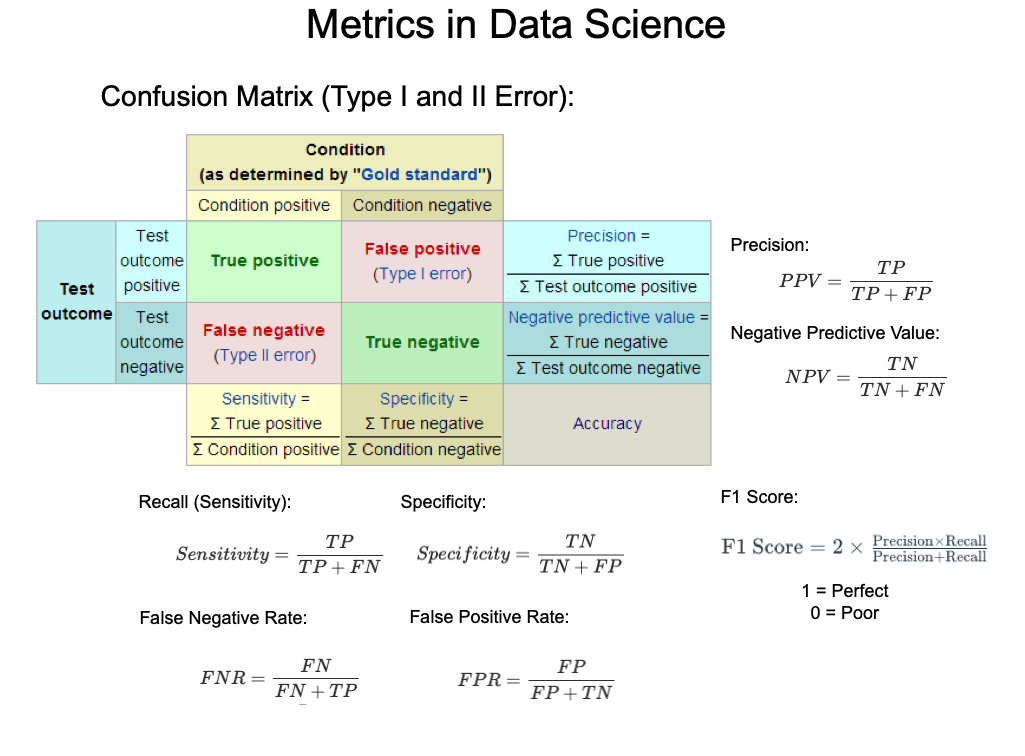
1. A confusion matrix is a tool often used in machine learning to visualize the performance of a classification model. It's a table that allows you to compare the model's predictions against the actual values.
2. Correct Predictions: True Positives (TP): These are cases in which the model correctly predicts the positive class. True Negatives (TN): These are cases in which the model correctly predicts the negative class.
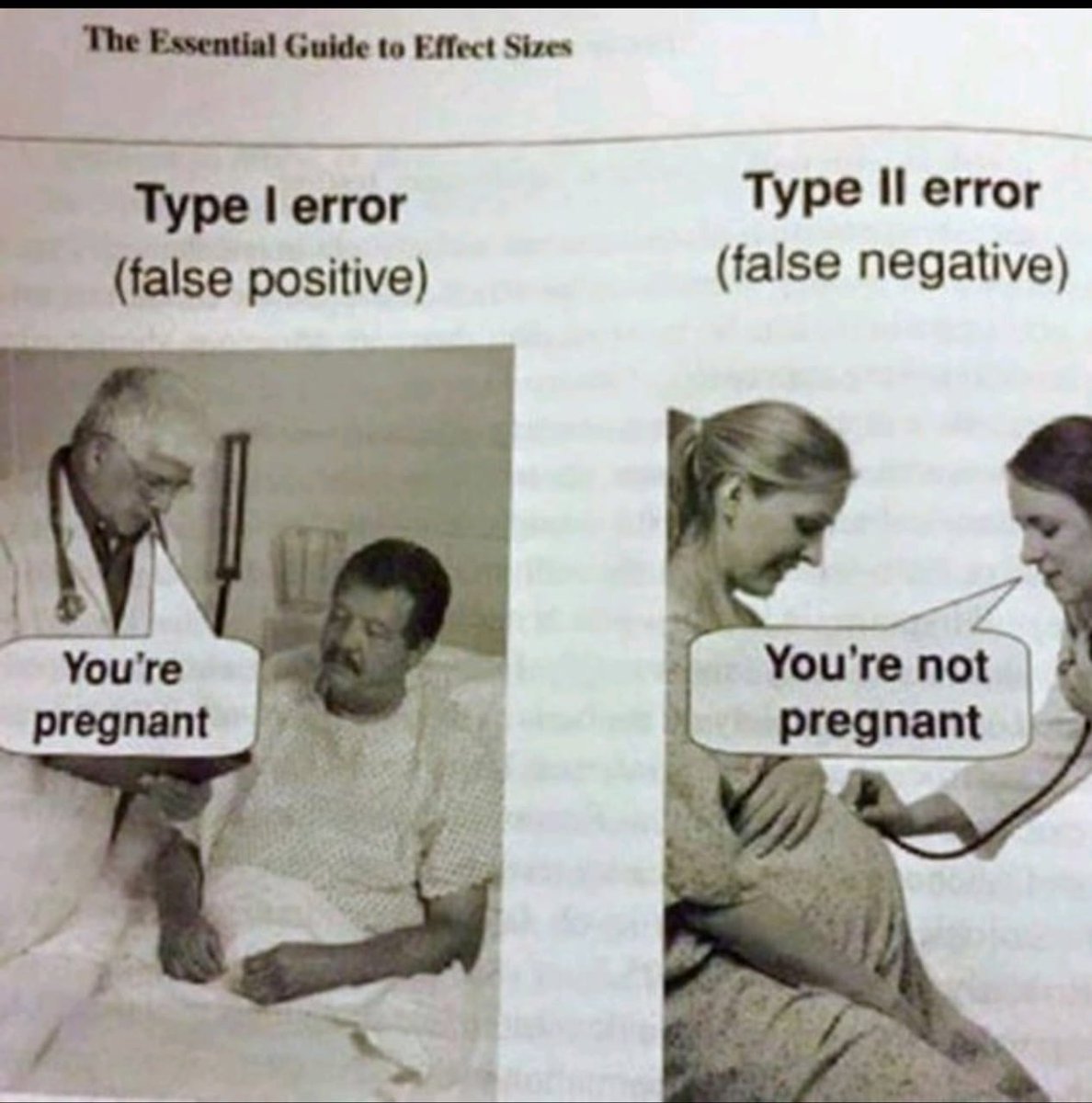
3. Model Errors: False Positives (FP, Type I Error): These are cases in which the model incorrectly predicts the positive class. False Negatives (FN, Type II): These are cases in which the model incorrectly predicts the negative class.
4. My Big Mistake: In machine learning we're taught to optimize for model performance. I listened. I said OK, let's optimize for F1 Score. That's the gold standard right?
5. The Problem with F1 Score: The problem with F1 is that it weights False Positives (Type 1) and False Negatives (Type 2) Errors equally. But in business this is RARELY the case. False Negatives are normally 10X to 100X more costly to a business like Netflix. Let me explain.
6. Why minimizing False Positives is worth LESS: If a predictive model (False Positive) incorrectly predicts a customer is going to leave, and Netflix decides to send them preventative actions like a discounted deal. The customer takes it and saves 10%. But they would have stayed anyway. Over a year that costs Netflix $12.
7. Why minimizing False Negatives is worth MORE: Now on the flip side, if Netflix's model incorrectly classifies some one that is on the edge of leaving as predicted to stay, Netflix does nothing. That customer leaves. Over a year that costs Netflix $120. And over the lifetime that could be $500+.
8. What they don't teach you: Expected Value (EV). I'll have a post on that soon. It's how you optimize Machine Learning models for $$$ instead of F1.
===
There’s a lot more to learning Data Science for Business. I’d like to help.
I put together a free on-demand workshop that covers the 10 skills that helped me make the transition to Data Scientist: https://t.co/LR39RJ5XKB
And if you'd like to speed it up, I have a live workshop where I'll share how to use ChatGPT for Data Science: https://t.co/EaMpKrJiqX
If you like this post, please reshare ♻️ it so others can get value.
For a long time, Jaswant Singh Rai has been untouchable. He has survived the Moi regime, Kibaki regime, Uhuru Kenyatta regime but now he has met his match. President Ruto should borrow some tips on how South Africa dealt with Gupta state capture and how Putin froze the Oligarchs.
SciSpace is an AI-powered tool that will make reading research papers easier and faster. It's like ChatGPT for research papers.
Simply upload a paper and start asking it questions.
Best part: it's totally FREE!
Here's how to use it: