#OTD February 28, 1638:
Scotland’s National Covenant is signed at Greyfriars Kirk in Edinburgh. The signing ignites the Covenanter movement, as Scottish Presbyterians declare that Christ, not the King of England, is Head of the Church. In the decades that follow, thousands will suffer imprisonment, exile, and death for that conviction.
#OTD October 18, 1662:
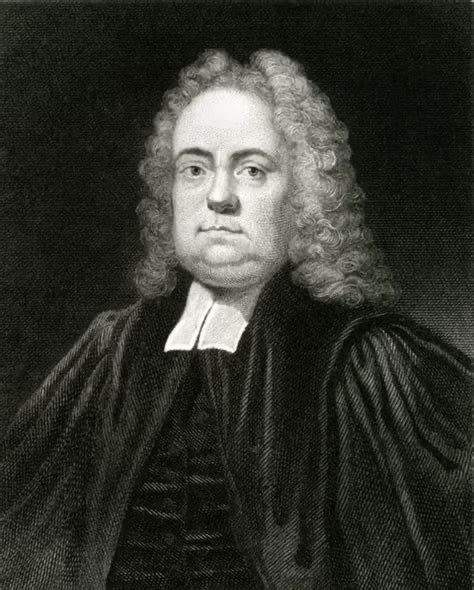
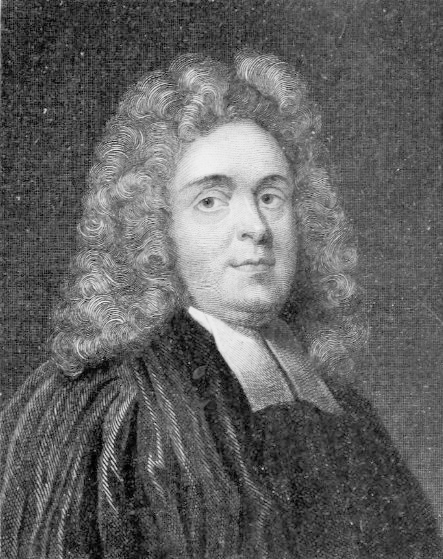
Birth of Matthew Henry, English Presbyterian pastor and author of Exposition of the Old and New Testaments (1708–1710), a devotional and practical commentary on Scripture that remains in print today.
“God did not foreknow the actions of man as necessary, but as free; so that liberty is rather established by this foreknowledge than removed… Man hath a power to do otherwise than that which God foreknows he will do. Adam was not determined by any inward necessity to fall, nor any man by any inward necessity to commit this or that particular sin; but God foresaw that he would fall, and fall freely”
—Stephen Charnock
The Existence and Attributes of God
(Discourse VIII - On God’s Knowledge)
"Baptism supplants circumcision, Col. 2:11, 12; it belongs as much to the children of believers as circumcision once did."
William Ames
The Marrow of Theology
#OTD February 13, 1939:
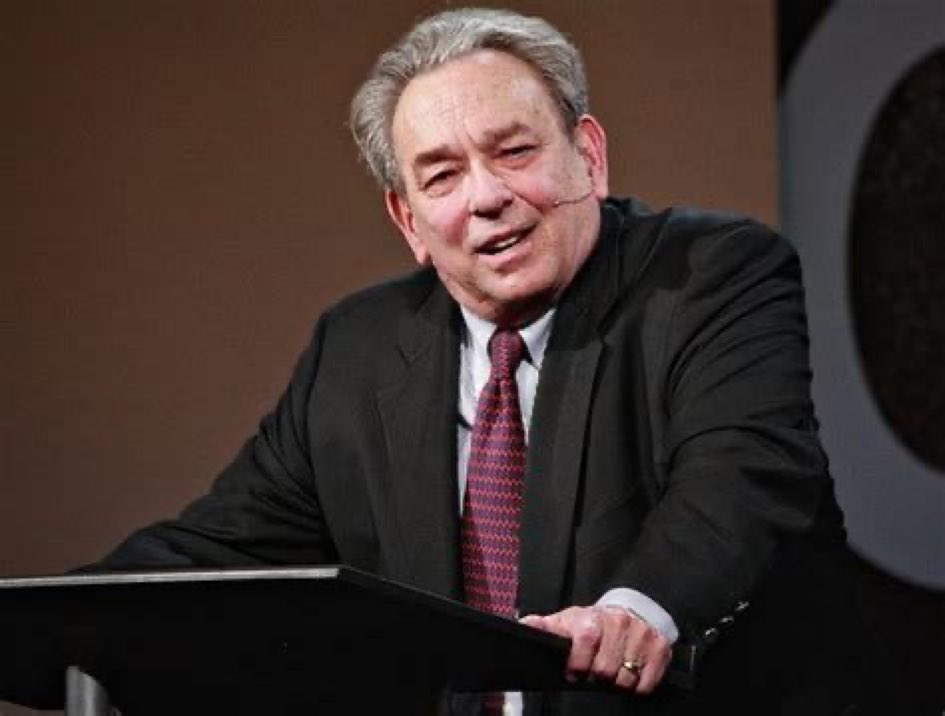
Birth of Dr. R.C. Sproul, theologian, pastor, and founder of Ligonier Ministries. Known for his passionate defense of Reformed theology, the holiness of God, and the inerrancy of Scripture. As the founder of Ligonier Ministries, he played a key role in making deep theological teaching accessible to a broad audience through books, lectures, and radio broadcasts.
“We do not segment our lives, giving some time to God, some to our business or schooling, while keeping parts to ourselves. The idea is to live all of our lives in the presence of God, under the authority of God, and for the honor and glory of God.”
— R.C. Sproul
#OTD February 6, 1564:
Physically frail and nearing death, John Calvin is carried to church in a chair to preach what would be his final sermon. Three months later, on May 27, 1564, the Reformer dies in Geneva, leaving behind a lasting theological legacy.
#OTD January 27, 417:
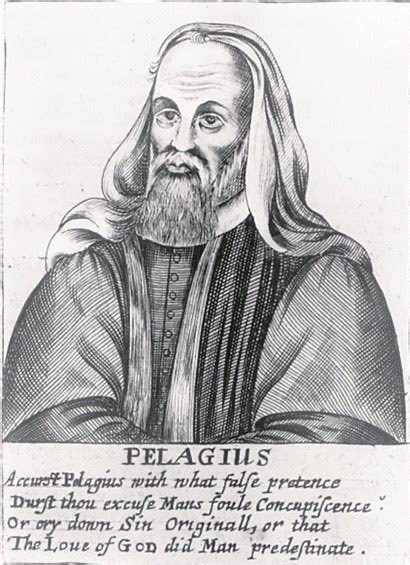
Pelagius, a British theologian, is excommunicated for heresy. He was condemned for rejecting the doctrine of original sin and teaching that humans could achieve righteousness and salvation through their own free will, without the necessity of divine grace. His views sparked the Pelagian controversy, leading to their condemnation at several councils during the early 5th century.
#OTD January 28, 1523:
Ulrich Zwingli presented his Sixty-Seven Articles at the First Zurich Disputation, defending his theological reforms before the Zurich City Council.
His arguments challenged Roman Catholic doctrines such as the mass, clerical celibacy, and the authority of the pope.
Though a second disputation followed in October, the council largely accepted Zwingli’s teachings, solidifying Zurich’s role as a center of the Reformation.
And I believe in the Holy Ghost, the Lord and Giver of life;
who proceedeth from the Father and the Son;
who with the Father and the Son together is worshipped and glorified…
—The Nicene Creed
#OTD January 1, 1937:
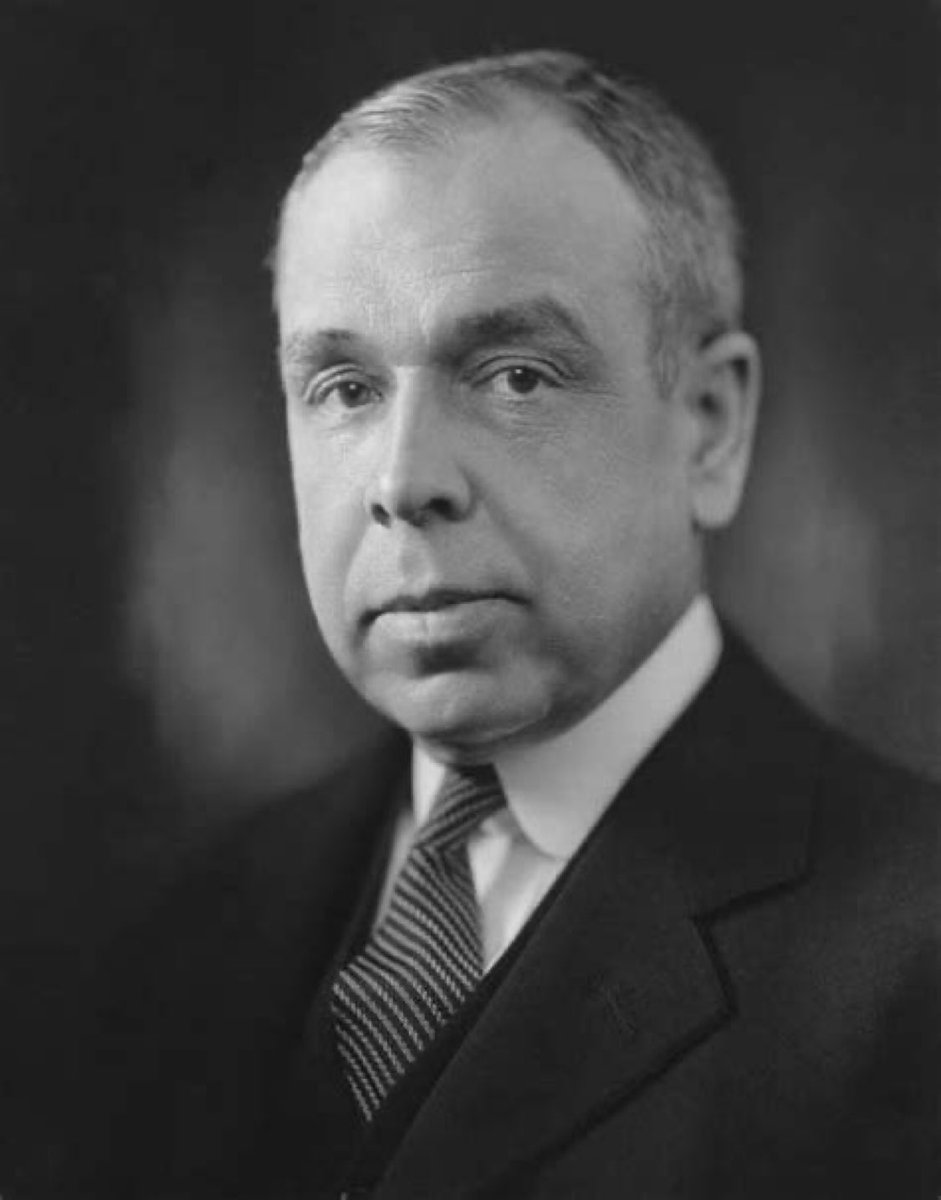
J. Gresham Machen, gifted Presbyterian scholar and defender of biblical orthodoxy, dies at age 55. Alarmed by growing liberalism in the Presbyterian Church, he founded the Orthodox Presbyterian Church and Westminster Theological Seminary, institutions dedicated to upholding historic Reformed doctrine.
Así, sencillo y claro:
• María: Hija de Dios Padre
• María: Esposa de Dios Espíritu Santo
• María: Madre de Dios Hijo
La Santísima Virgen María es la única criatura en la historia de la salvación con esta relación única y profunda con las tres Personas de la Santísima Trinidad.
Now this is the catholic faith:
We worship one God in Trinity and the Trinity in unity, neither confounding their persons nor dividing the essence.
—Athanasian Creed