#OTD in 1990, former U.S. Sen. Harold Hughes founded the Society of Americans for Recovery (SOAR), which would fold in late 1994 but help inspire the founding a few years later of @FACESandVOICES, which still thrives today.
#OTD in 1988, the White House Conference for a Drug-Free America (127 appointed citizens including @hazldnbettyford's Gordy Grimm) issued a report w/ 100 recommendations. Among them: creation of a Cabinet-level drug director & a nat'l prevention agency. https://t.co/W8M0OZ8cE6
#OTD in 1986, basketball star Len Bias died from cocaine use a day after signing w/ the Boston Celtics. Adding to the tragedy was the response from Congress, which passed mandatory minimum sentences that swept thousands of low-level drug offenders—most young & black—into prison.
Home to items associated w/ the Women's Christian Temperance Union, Anti-Saloon League, Prohibition & the founding of AA, it's a resource for folks interested in America's response to addiction & the social, economic, political, medical & religious history shaping it. (3 of 3)
The collection includes thousands of books, pamphlets, oral histories, newspapers, journals, scholarly articles, magazines, film & TV scripts, cartoons, music, posters, pins, buttons & other ephemera -- covering more than two centuries of addiction & recovery history. (2 of 3)
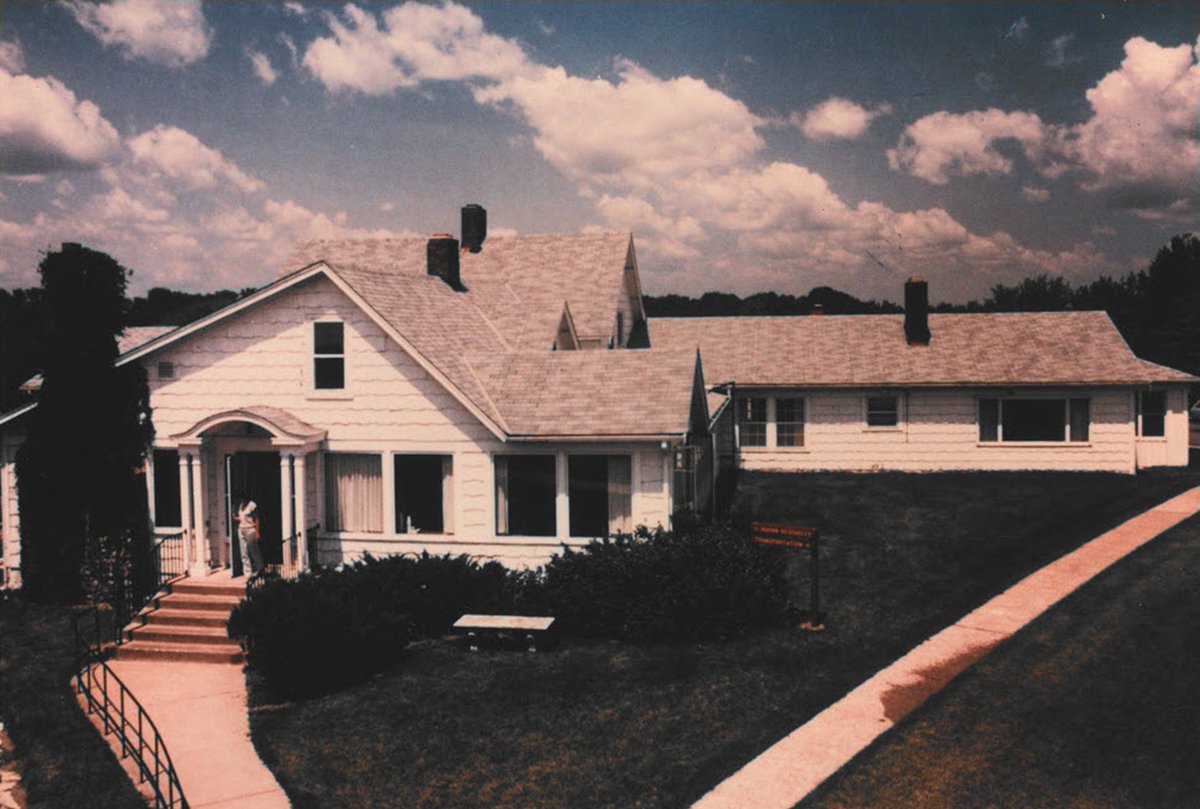
#OTD in 1949, the Hazelden Foundation officially opened its doors near Center City, MN. The nonprofit grew into a global treatment leader, sparking a movement--which continues today--to treat people who have addiction with compassion, dignity and respect.
@NAATPoffice filed a brief in the case, arguing that primary alcoholism is not willful misconduct. And three justices wrote a powerful dissent. https://t.co/uBbElv6Iu9
#OTD in 1988, the U.S. Supreme Court sadly ruled 4-3 that the VA could continue to deny disability & other benefits to veterans w/ alcoholism b/c it's caused by ''willful misconduct.'' Listen to 2 recovery advocates at the center of Traynor v. Turnage: https://t.co/CHnd3weBn5.
#OTD in 1998, William C. Moyers, his father Bill Moyers & other notable Americans testified before a U.S. Senate committee in support of increasing funding for addiction prevention, treatment & recovery. And boy did William punch it home at the end! Watch: https://t.co/7UD7Oa5dsV
#OTD in 2010, the Patient Protection & Affordable Care Act was signed into law by President Obama. Known more commonly as the Affordable Care Act or Obamacare, it expanded coverage of mental health & substance use disorder benefits (among others) & parity protections to millions.
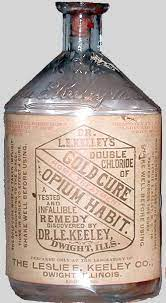
Later, most determined that the so-called "Keeley Cure" for addiction was "likely, at best, a placebo or, at worst, another form of poison." (2 of 2)
https://t.co/gvdYweOvFM
#OTD in 1881, Dr. L.E. Keeley patented the design for his unique bottle containing the mysteriously effective double-chloride of gold remedies for drunkenness, opioid addiction, neurasthenia (nervous exhaustion), and tobacco addiction. (1 of 2)
#OTD in 2014, "The Anonymous People" opened theatrically with a weeklong run at the Quad Cinema in New York City's Union Square. https://t.co/5gdpEYc47W
On 3/13/1989, Bill Bennett was confirmed as first director of the White House Office of National Drug Control Policy, appointed by President George H.W. Bush & serving for 19 months. Bennett stood up @ONDCP as an official working agency on Oct. 27, 1989.
#OTD in 1994, Betty Ford & Rosalynn Carter also co-authored a @USATODAY op-ed & testified before Congress in favor of expanding behavioral health benefits, the only time in U.S. history that two First Ladies testified together on the same issue. https://t.co/0NXmdXsXPs
#OTD in 1994, former First Ladies Betty Ford & Rosalynn Carter held a press conference at the National Press Club, encouraging inclusion of mental health and substance use treatment benefits in the national health care reform plan. (1 of 2)
On March 6, 2014, @MBotticelliBMC became acting director of the White House Office of National Drug Control Policy. Confirmed 11 months later, he was the 1st person in long-term recovery to lead ONDCP. Rather than Drug Czar he preferred the informal title Recovery Czar.