@GEVernova is paying $9B for Trench Group at 13x 2028E adj. EBITDA. As demand challenges capacity, it is bringing a constrained input in-house.
#PowerGrid#MandA#DealTake
Red Chalk Group is heading to the 13th Annual @IPDealmakers Forum, where the IP world's top players will tackle the forces reshaping patent value right now.
If you’ll be there, we’d welcome the opportunity to connect.
#IPDealmakers#PatentMonetization#IntellectualProperty #LitigationFinance #PatentLicensing
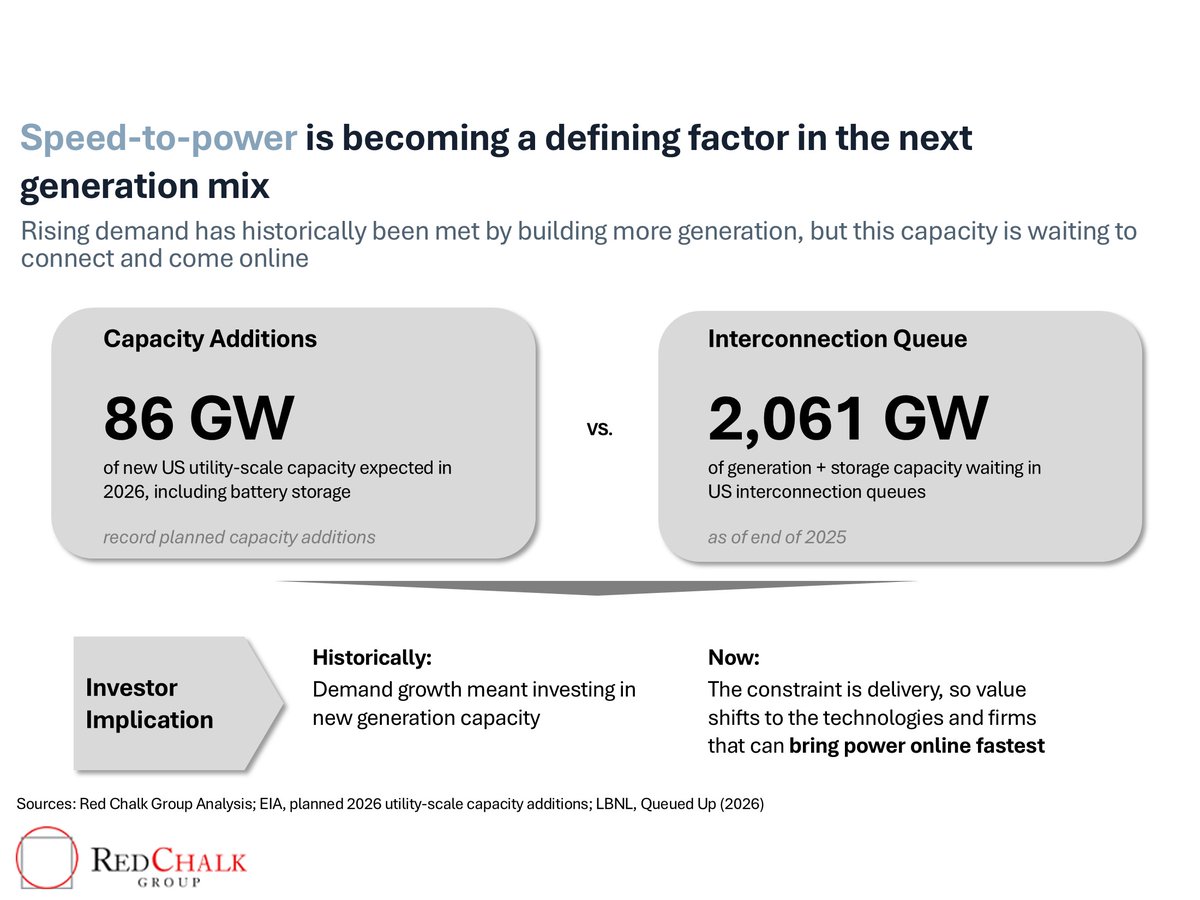
2,060 GW of U.S. generation and storage is waiting for a grid connection. The median wait is now five years.
The customers driving new demand build on two-year timelines, so they're going around the grid with onsite generation, storage and microgrids.
The capital has followed the assets. The capability to deliver them hasn't been priced yet.
Our latest insight maps where value is moving and what should still be worth owning when the bottleneck eases.
Read the full insight: https://t.co/dTUwistvWp
#PrivateEquity #InfrastructureInvesting #PowerGrid #DataCenters #Interconnection
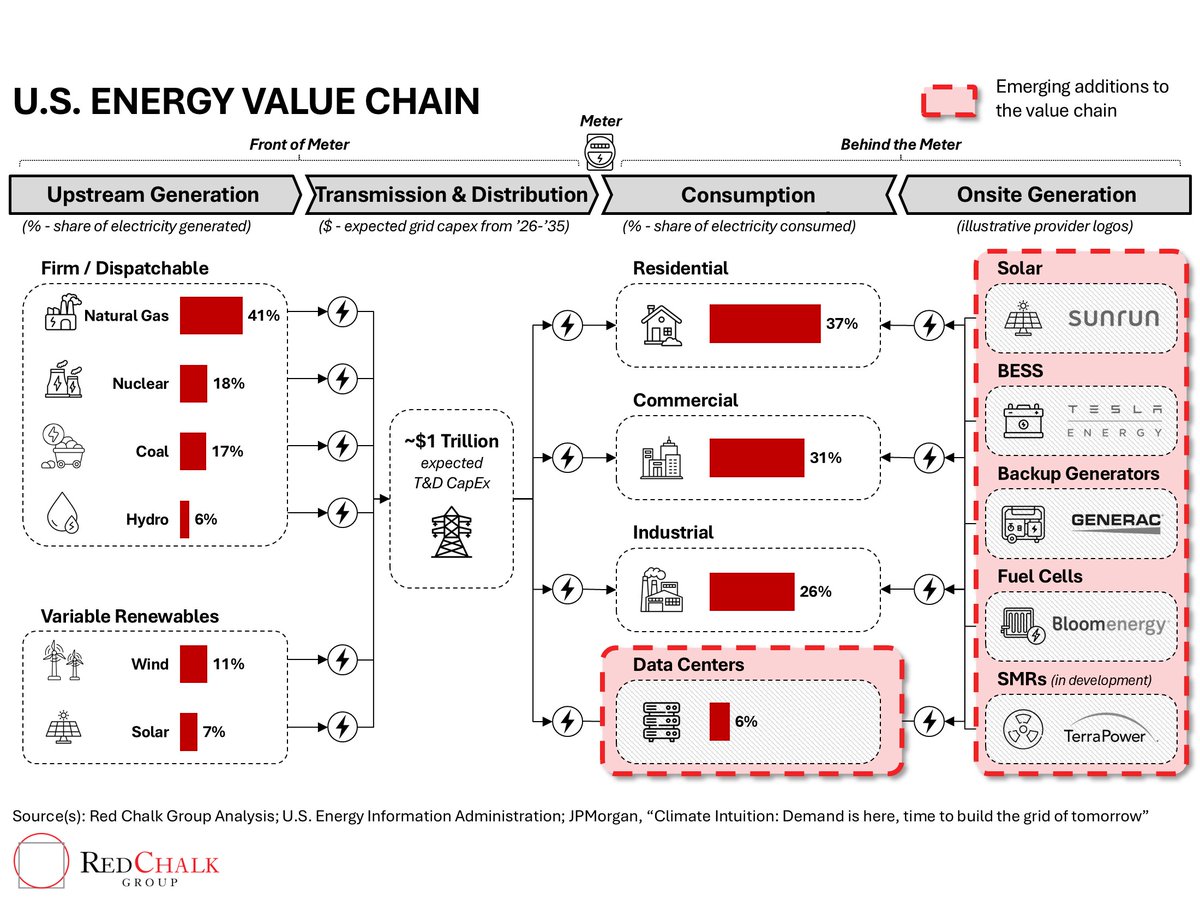
The energy landscape is changing: from the renewable transition of the 2010s to recent grid modernization efforts (e.g., IIJA), and now, new sources of power demand (e.g., data centers) and emerging behind-the-meter solutions. Over the next few months, we will be diving deeper into the companies, technologies, and trends shaping each part of the energy value chain. Follow Red Chalk Group for more information.
#EnergyTransition #GridModernization #DataCenters #DistributedEnergy #EnergyValueChain
𝗦𝗰𝗵𝗻𝗲𝗶𝗱𝗲𝗿 𝗶𝘀 𝗯𝗲𝘁𝘁𝗶𝗻𝗴 $𝟮𝟯𝗕 𝘁𝗵𝗮𝘁 𝗲𝗻𝗴𝗶𝗻𝗲𝗲𝗿𝗶𝗻𝗴 𝗱𝗮𝘁𝗮 𝘄𝗶𝗹𝗹 𝗵𝗲𝗹𝗽 𝗽𝗼𝘄𝗲𝗿 𝗶𝗻𝗱𝘂𝘀𝘁𝗿𝗶𝗮𝗹 𝗔𝗜
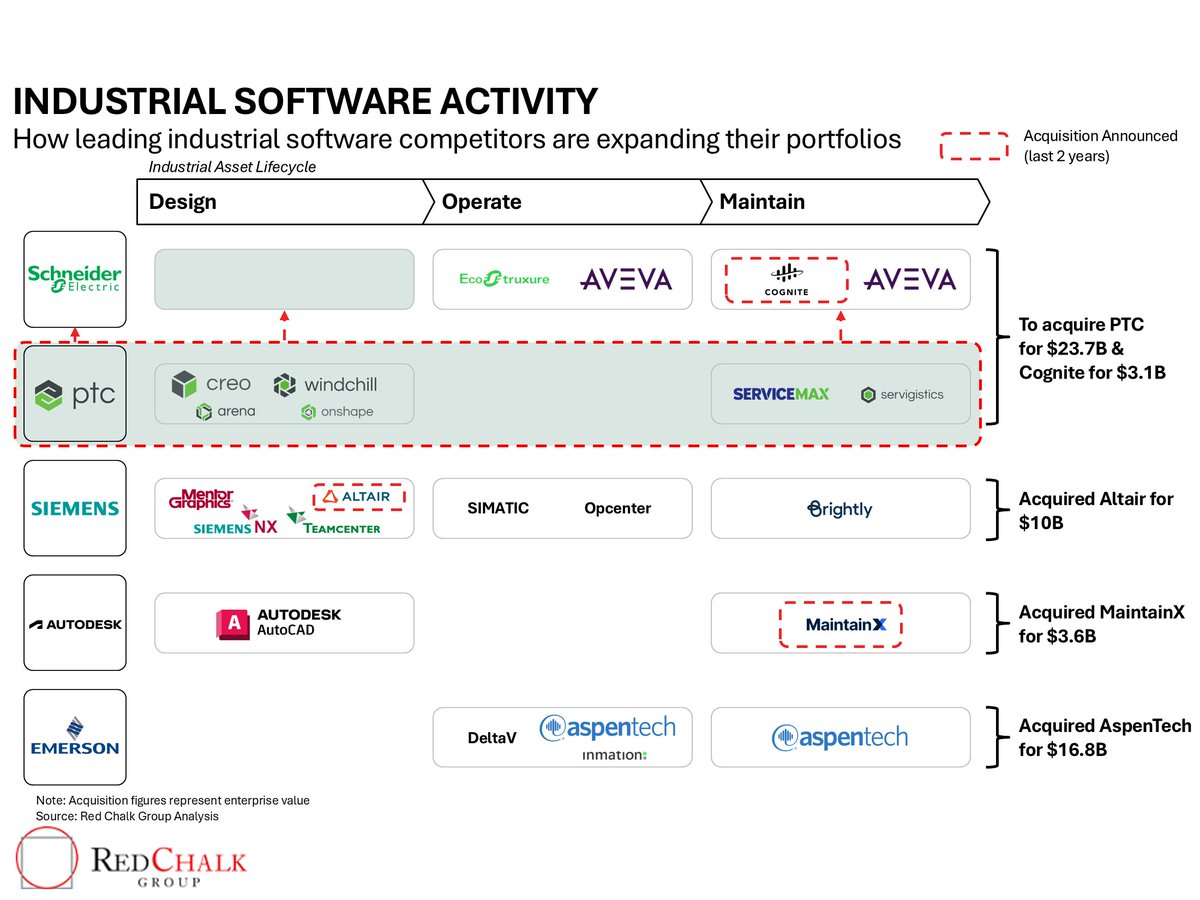
The all-cash agreement announced this morning implies a $23.7B EV, 21x expected 2027 adj. EBITA (13x with full synergies).
@PTC extends @SchneiderElec 's reach into design software, and more importantly design data - similar to how Schneider took full ownership of @AVEVAGroup in 2023 (~$11B) to anchor operations and maintenance data, and the $3.1B Cognite acquisition for data contextualization. Schneider isn't alone: @Siemens, @autodesk, and Emerson have all made bets on industrial software assets to digitize pieces of the manufacturing environment and extend their position across Design, Operate, and Maintain steps of the industrial asset lifecycle.
The market isn't convinced yet as Schneider shares have fell over 10% already today on fears that AI may commoditize software applications. But Schneider is making a distinction investors may be missing: AI can replace interfaces but not the systems of record that create the data.
To unlock the next generation of Industrial AI applications, operators will depend on contextualized design, operations, and maintenance data. Industrial automation and software vendors are racing to build these next generation applications; the ones likely to win are building the data foundation first.
#IndustrialAI #SchneiderElectric #IndustrialSoftware #DigitalTransformation #MergersAndAcquisitions
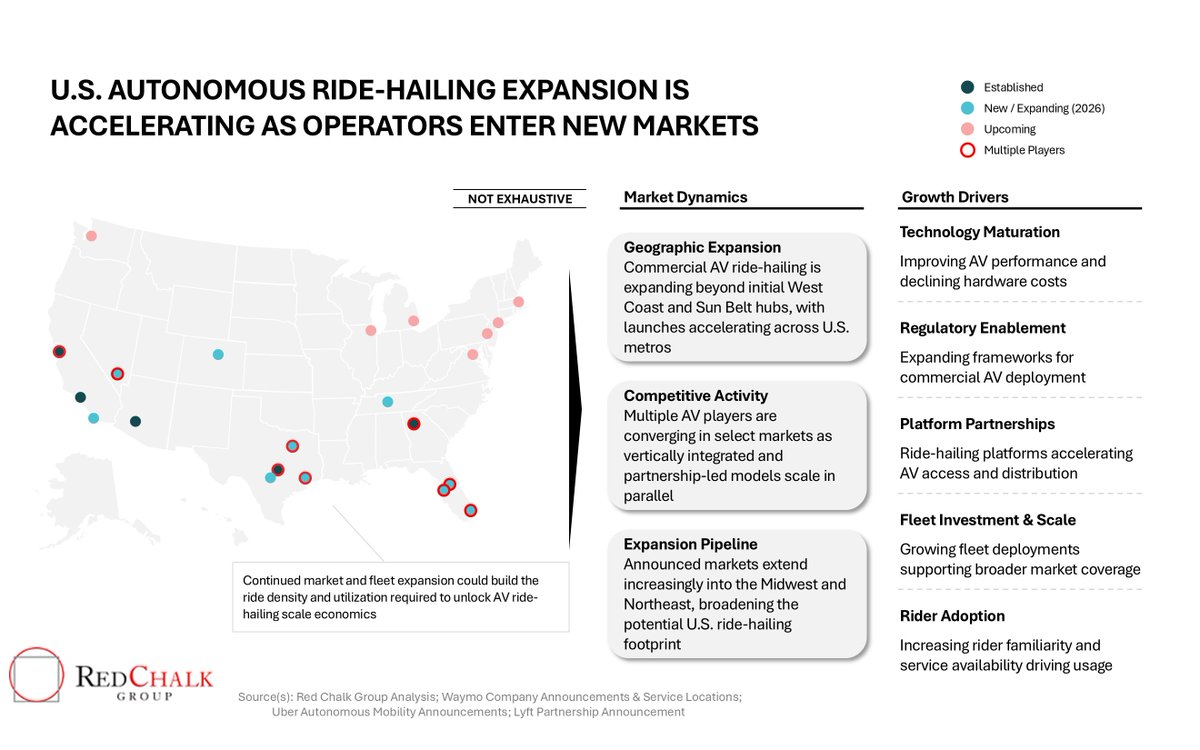
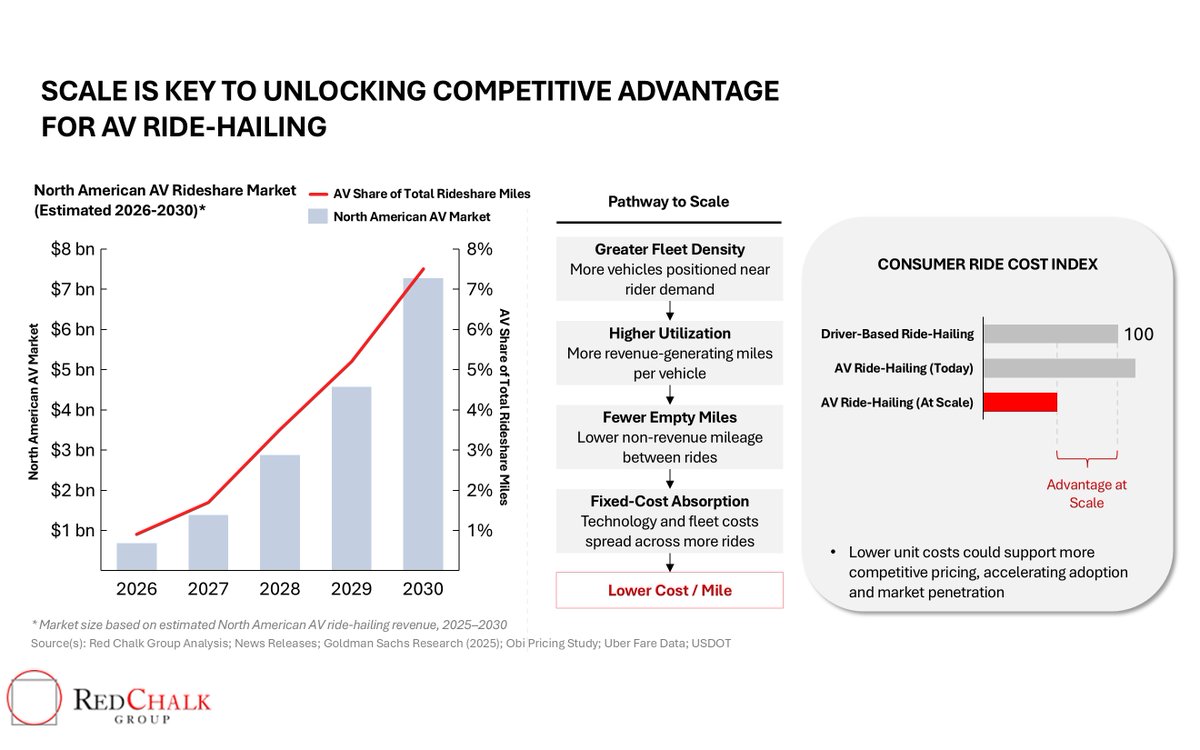
For mobility platforms, AV developers, OEMs, and fleet operators, the strategic question is increasingly shifting from whether autonomous ride-hailing can commercialize to which players can build fleet density, aggregate rider demand, and establish the market position required to capture value.
Red Chalk Group can help your organization evaluate emerging market opportunities, evolving competitive dynamics, and where new sources of value may emerge. Contact us to learn how we can help you navigate the next phase of autonomous mobility.
#FutureOfMobility #AutonomousVehicles #Robotaxi #RideHailing
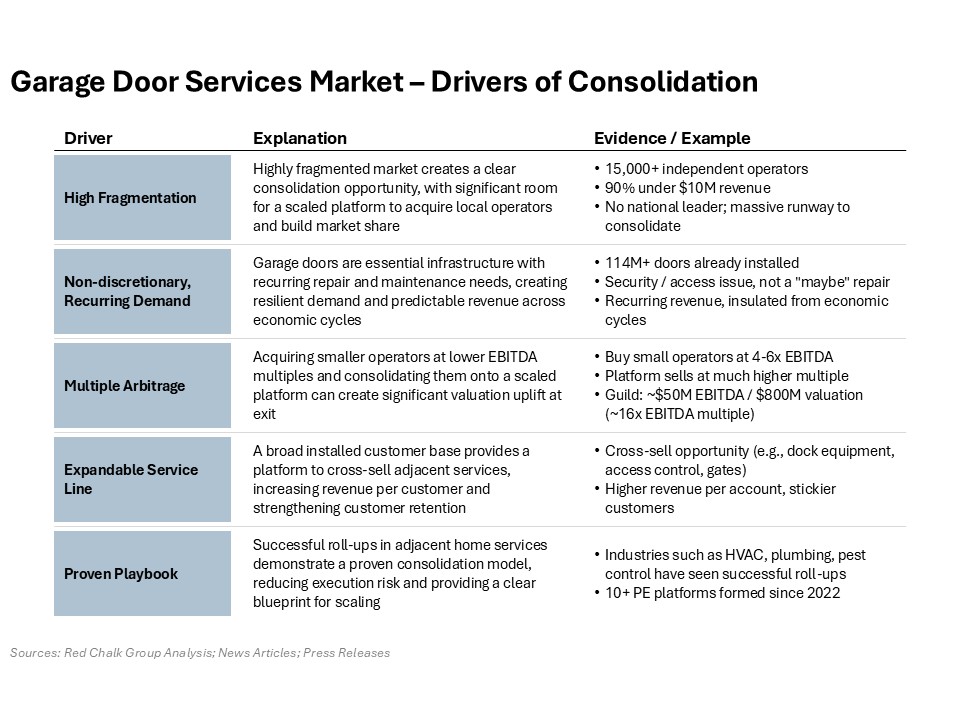
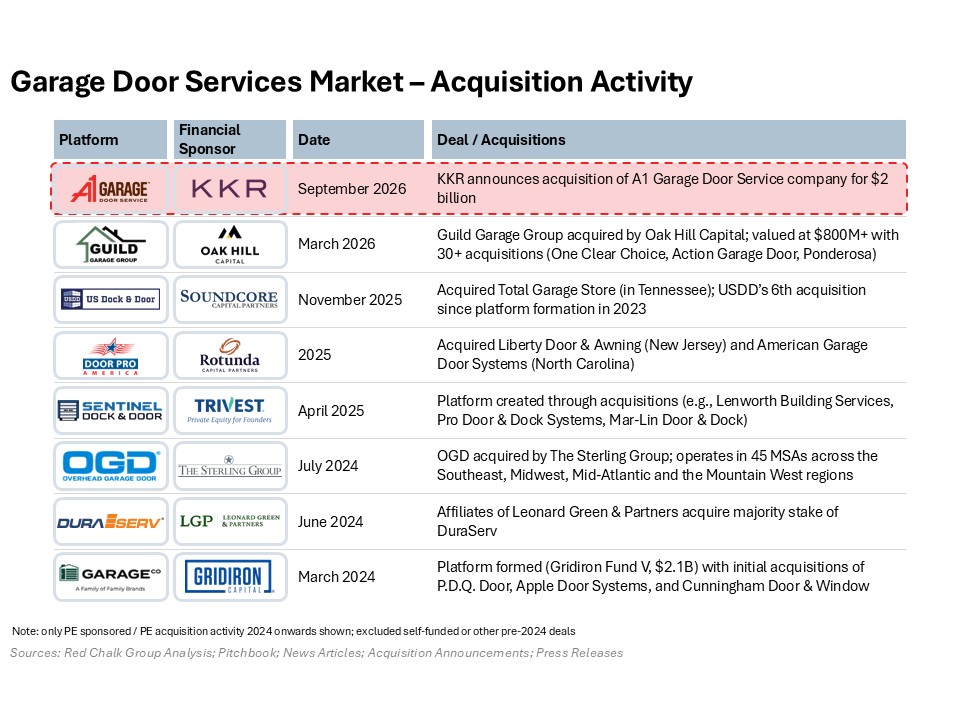
Earlier this month, KKR announced a $2 billion acquisition of A1 Garage Door Service. This adds to the recent, increasing acquisitions of residential service companies this past year (e.g., Oak Hill Capital’s acquisition of Guild Garage Group).
The garage door services market comprises companies that install, repair, maintain, and replace residential and commercial garage doors, openers, and related access systems. It is a highly fragmented, essential-services market with recurring demand and significant opportunity for consolidation. Recent activity suggests the PE playbook is increasingly moving beyond traditional HVAC, plumbing and electrical into adjacent categories where local operators can be rolled into scaled platforms.
For PE investors, this creates a new set of opportunities to identify fragmented markets before they become crowded. For strategic players, it also raises an important question: who will ultimately own the customer relationship and control the service channel?
The garage door market is an example of a much broader trend: institutional capital is increasingly targeting fragmented, recurring-revenue residential service markets where scale can create meaningful value.
#PrivateEquity #MAndA #HomeServices #MarketConsolidation
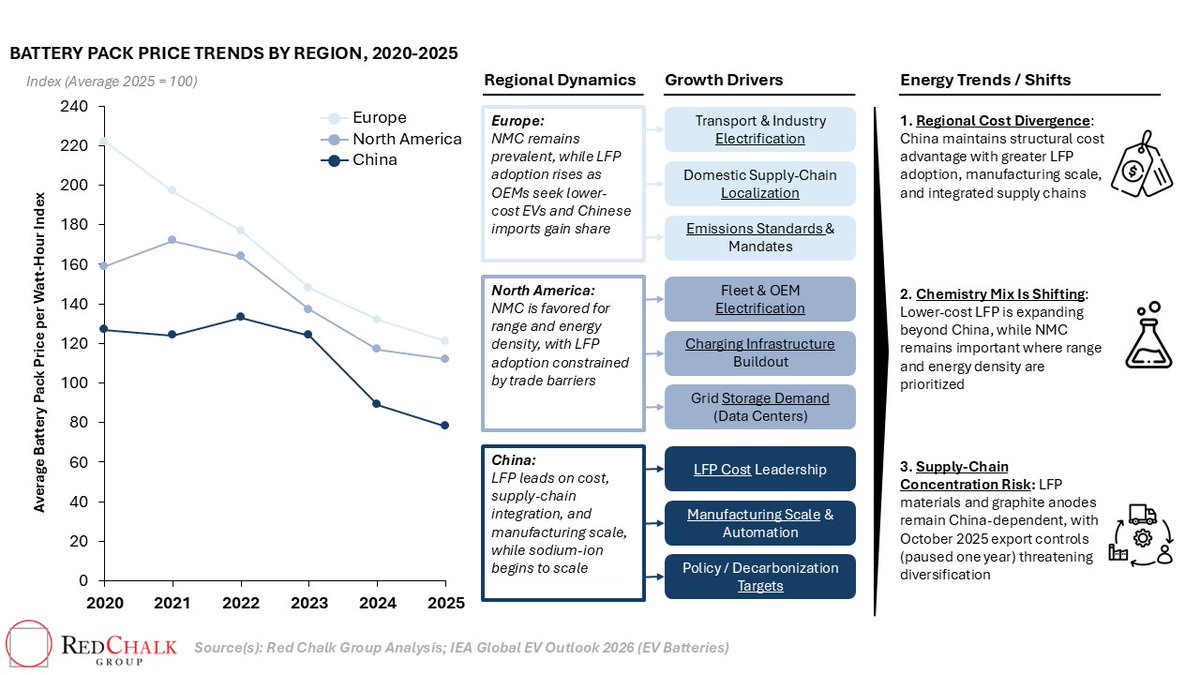
Battery chemistry is a key driver of the regional battery price gap. China has shifted toward lower-cost LFP batteries, which now account for the majority of its EV battery market, supported by significant domestic manufacturing scale and an integrated LFP supply chain. North America remains heavily weighted toward higher-cost NMC chemistries, reflecting greater emphasis on energy density and driving range, while LFP adoption has remained constrained by trade and sourcing requirements. Europe sits between the two, with NMC still leading but LFP gradually gaining traction as automakers pursue lower-cost EV platforms and Chinese battery technologies become more prevalent.
These chemistry differences contribute to a widening regional battery price gap, with China maintaining a structural cost advantage. Average battery pack prices in China were 30% below North America and 35% below Europe in 2025, reflecting not only greater LFP penetration but also China's manufacturing scale, automation, and vertically integrated supply chain. While battery prices have declined across all regions, continued localization efforts in Europe and North America are likely to keep regional cost structures differentiated in the near term, particularly as Western markets work to reduce dependence on China's battery materials and components.
Red Chalk Group helps clients translate these market and technology shifts into actionable growth strategies, identifying the markets, competitive positions, and technologies best equipped to win.
#EVBattery #EnergyTransition #BatteryMarket #RedChalkGroup
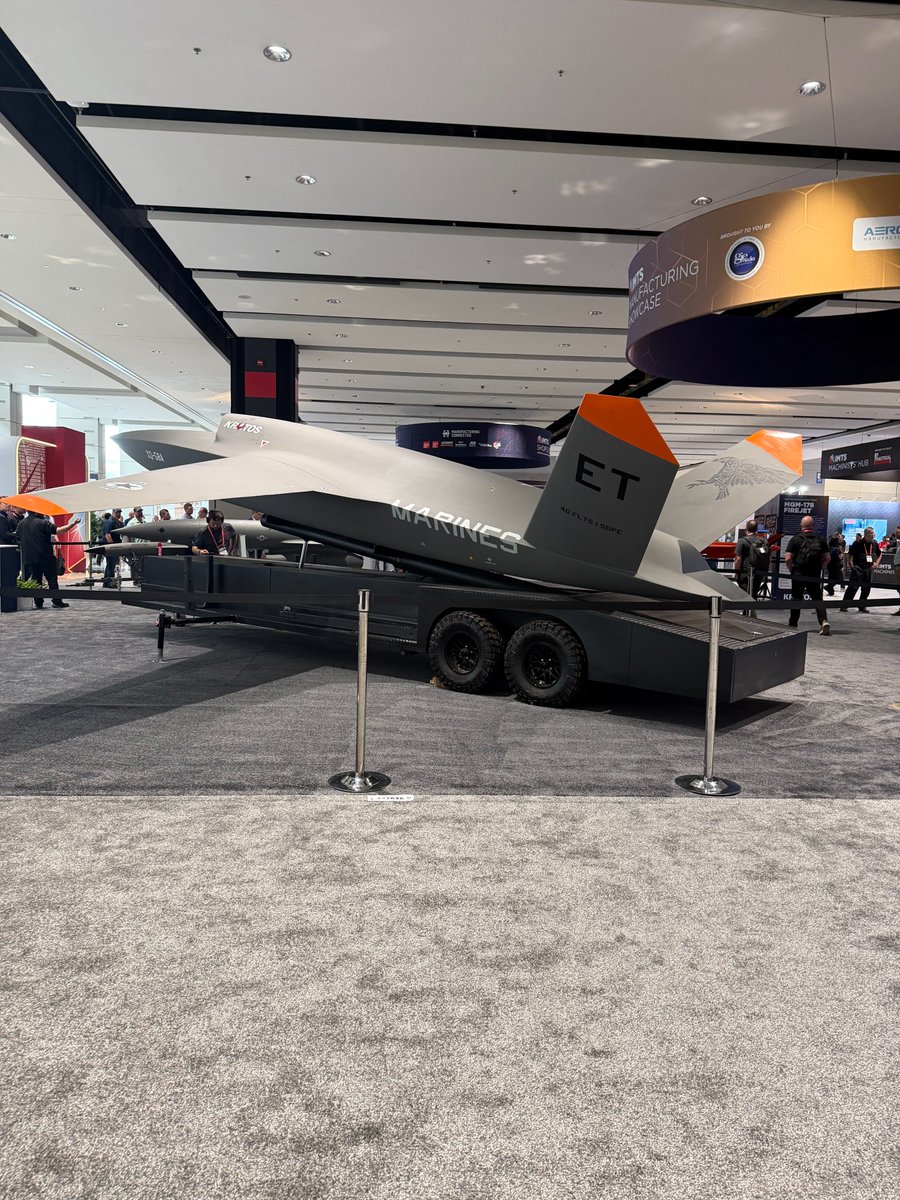
Umair Hussain and Ryan Walsh spent time on the floor at IMTS 2026, tracking the latest developments in manufacturing technology. Four salient themes stood out as critical to continued differentiation within the sector:
- 𝗔𝘂𝘁𝗼𝗺𝗮𝘁𝗶𝗼𝗻 𝗶𝘀 𝗱𝗿𝗶𝘃𝗶𝗻𝗴 𝗲𝗳𝗳𝗶𝗰𝗶𝗲𝗻𝗰𝘆 (𝗻𝗼𝘁 𝗵𝗲𝗮𝗱𝗰𝗼𝘂𝗻𝘁 𝗿𝗲𝗱𝘂𝗰𝘁𝗶𝗼𝗻): Workforce shortages and footprint constraints have driven manufacturing suppliers to emphasize enablement of efficiency and productivity of labor as key value propositions
- 𝗜𝗻𝘁𝗲𝗴𝗿𝗮𝘁𝗶𝗼𝗻 𝗼𝗳 𝗱𝗮𝘁𝗮, 𝘀𝗼𝗳𝘁𝘄𝗮𝗿𝗲, 𝗮𝗻𝗱 𝘀𝗵𝗼𝗽𝗳𝗹𝗼𝗼𝗿 𝗲𝘅𝗲𝗰𝘂𝘁𝗶𝗼𝗻: While software may not be dominant in the manufacturing world, the need to connect design and production software, the underlying data on design plus yield to drive AI-enablement, and execution on the shop floor continues to be elevated by industry players (CNC machinery OEMs, hardware / tooling suppliers, automation vendors, and software / platform providers)
- 𝗠𝗮𝗻𝗮𝗴𝗶𝗻𝗴 𝗰𝗼𝗺𝗽𝗹𝗲𝘅𝗶𝘁𝘆, 𝗽𝗿𝗲𝗰𝗶𝘀𝗶𝗼𝗻, 𝗮𝗻𝗱 𝗾𝘂𝗮𝗹𝗶𝘁𝘆: Increasing complexity and precision needs of next-generation end-products continue to push the limits of manufacturing technology geometrically and micro-precision wise, requiring more automation, quality, and metrology needs to keep pace
- 𝗧𝗵𝗲 𝘀𝘂𝗽𝗽𝗹𝘆 𝗰𝗵𝗮𝗶𝗻 𝗽𝗲𝗻𝗱𝘂𝗹𝘂𝗺 (𝗴𝗹𝗼𝗯𝗮𝗹𝗶𝘇𝗮𝘁𝗶𝗼𝗻 𝘃𝘀. 𝗿𝗲𝗴𝗶𝗼𝗻𝗮𝗹𝗶𝘇𝗮𝘁𝗶𝗼𝗻): In order to satisfy the evolving needs of customers, the industry is seeing an influx of reshoring, foreign direct investment, and regionalized operational footprints by players across the value chain – particularly when servicing higher sensitivity end-markets like Aerospace & Defense and micro-electronics
The themes all validate the positive outlook for the future of the manufacturing market, driven by innovation by players that aim to support their customers in driving productivity and optimization of their footprint and stay on the forefront of the end-customer needs.
#IMTS2026 #ManufacturingTechnology #Automation #SupplyChain #IndustrialAI #AdvancedManufacturing
𝗧𝗵𝗲 𝗡𝘂𝗰𝗹𝗲𝗮𝗿 𝗕𝘂𝗶𝗹𝗱𝗼𝘂𝘁 𝗶𝘀 𝗔𝗰𝗰𝗲𝗹𝗲𝗿𝗮𝘁𝗶𝗻𝗴
Global generation hit 2,702 TWh in 2025 - an all-time high. 78 GW is under construction across 15 countries. China broke ground on 9 new reactors in 2025 alone, Japan is restarting its nuclear program post-Fukushima, and Sweden is planning 10 new large reactors. As of COP30, 33 nations have pledged to triple capacity by 2050.
Two announcements last week:
· @Google committed ~$15B to AI infrastructure in Finland - including a 22-year nuclear PPA with Fortum covering half the Loviisa plant's output from 2030–2049.
· @nexteraenergy closed a $1.9B DOE loan to restart Iowa's Duane Arnold Energy Center - 615 MW idled since 2020, pending NRC approval. One of three federally-backed restarts under the current administration.
What's worth noting: Demand for AI compute has done more to reactivate nuclear capacity in the last two years than a decade of public policy. The economics changed because the buyer changed - hyperscalers need guaranteed, always-on power at a scale that nuclear has the ability to reliably deliver. The logic isn't complicated - secure capacity before you need it.
Red Chalk Group tracks capital flows and market positioning across energy and infrastructure. To learn what this means for you, contact us.
Learn more: https://t.co/SvKsNOFBno
@GE_Aerospace agrees to acquire Consolidated Precision Products Corp (CPP) for $11.75B - roughly 18-26x 2027 EBITDA.
Independent, at-scale precision-casting suppliers are scarce, with a widening capacity deficit: commercial aircraft backlogs, military engine sustainment, and now AI-driven gas-turbine demand are all competing for the same output. CPP has been GE's outside supplier for 15+ years. This deal moves that capacity inside the company instead of leaving it to be shared, and rationed, across the industry.
The strategic logic: when the input you need is scarce and every competitor is bidding for the same output, the highest-leverage move isn't a supply agreement, it's ownership. GE is buying guaranteed capacity rather than competing for it.
For PE and corporate development teams watching industrial or A&D supply chains: this is an additional move this year to secure scarce manufacturing capacity through ownership rather than contract. SpaceX is separately building its own turbine-parts forge for the same reason. Expect the remaining independent, scaled casting assets to get scarcer, and pricier moving forward.
Red Chalk Group tracks acquisitions and market positioning across the aerospace and defense supply chain. To learn what this means for you, contact us.
#AerospaceAndDefense #MergersAndAcquisitions #GEAerospace #PrivateEquity #SupplyChain
𝗦𝗼𝗳𝘁𝘄𝗮𝗿𝗲-𝗱𝗲𝗳𝗶𝗻𝗲𝗱 𝗮𝘂𝘁𝗼𝗺𝗮𝘁𝗶𝗼𝗻 𝗮𝗻𝗱 𝘁𝗵𝗲 𝗿𝗼𝗹𝗲 𝗼𝗳 𝗱𝗮𝘁𝗮: Over the past decade, software-defined automation (SDA) has been a key evolution in industrial automation, moving from siloed control to interconnected and shifting value up to virtual / software aspects of the solutions.
As Automation suppliers push to drive Industrial AI adoption at scale, data has evaluated to a critical role, where devices are now data generators, control layers represent the transmission, housing, and contextualization of data, and software is the application / usage of data – in that context, major suppliers have aimed to position themselves to own the data and deliver the “full stack” of data value.
ABB's recent $5.5B @rotork acquisition announcement is one example (of many) by automation vendors to enable Industrial AI. Rotork’s installed base of over 1 million actuators suggests their bet is on edge-level asset ownership being key to access / ownership of data as it is generated – the data can be controlled and used via ABB’s legacy control and software portfolio, positioning for the “full stack” value to their customers. Going forward, the question competitors will be grappling with as they aim to differentiate long-term - “what are the critical data assets needed to own that unlock Industrial AI applications?”
#SoftwareDefinedAutomation #IndustrialAI #IndustrialAutomation #DataStrategy #IIoT #Industry40 #ABB #Rotork
𝗗𝗮𝘁𝗮 𝗖𝗲𝗻𝘁𝗲𝗿 𝗦𝗶𝘁𝗲 𝗦𝗲𝗹𝗲𝗰𝘁𝗶𝗼𝗻
Data center construction spend is up 15x since 2015, outpacing every other infrastructure category by a wide margin. That growth is now running into a constraint most site selection models don't measure: political tolerance.
Local jurisdictions banning or restricting new data centers have gone from under 50 to over 500 in a year. The map of where power and cost economics say to build and the map of where it's politically viable to build are starting to diverge. That gap is an opportunity to identify the specific markets where both maps still align.
#DataCenters #SiteSelection #InfrastructureInvestment
𝗥𝗼𝗯𝗼𝘁𝗶𝗰𝘀 𝗵𝗮𝗱 𝗶𝘁𝘀 𝗹𝗮𝗿𝗴𝗲𝘀𝘁 𝗵𝗮𝗹𝗳-𝘆𝗲𝗮𝗿 𝗲𝘃𝗲𝗿.
Robotics raised $18.8 billion globally in the first half of 2026, more than the sector raised during all of 2025.
Money is flowing into hardware and edge models, where applications are the most visible. The data systems can't keep up.
Robots and models won’t win the race alone. Whoever can own and orchestrate the data will.
#PhysicalAI #Robotics #VentureCapital
AI is scaling faster than infrastructure can keep up.
Data centers can be built in ~3 years. The infrastructure needed to support them can take up to 10.
As AI demand accelerates, power availability, grid capacity, permitting, public opinion, and site selection are becoming strategic constraints - not just operational considerations.
Our latest insight explores what the AI infrastructure supercycle means for data center developers, utilities, suppliers, and investors.
Read the full insight: https://t.co/Tr2k8IWKQC
#AIInfrastructure #DataCenters #GridInfrastructure #PowerDemand #Hyperscale #EnergyTransition
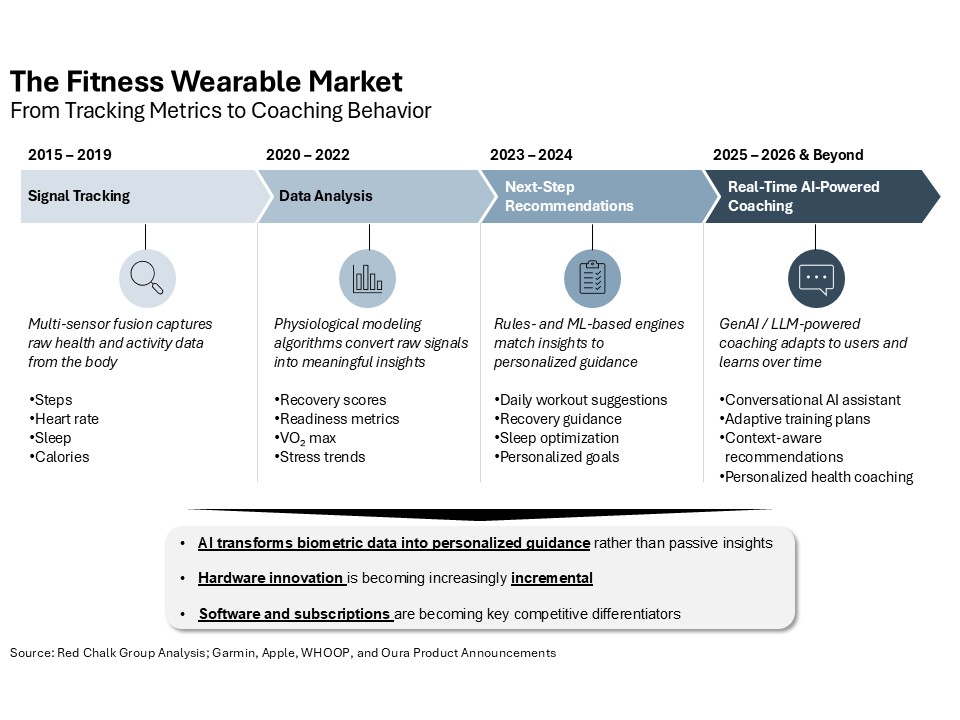
𝗧𝗵𝗲 𝗙𝗶𝘁𝗻𝗲𝘀𝘀 𝗪𝗲𝗮𝗿𝗮𝗯𝗹𝗲 𝗠𝗮𝗿𝗸𝗲𝘁 - 𝗙𝗿𝗼𝗺 𝗧𝗿𝗮𝗰𝗸𝗶𝗻𝗴 𝗠𝗲𝘁𝗿𝗶𝗰𝘀 𝘁𝗼 𝗖𝗼𝗮𝗰𝗵𝗶𝗻𝗴 𝗕𝗲𝗵𝗮𝘃𝗶𝗼𝗿
Five years ago, wearables were glorified step counters. Today, they're AI-powered coaching platforms.
The evolution has moved through four distinct phases: signal tracking, data analysis, next-step recommendations, and now real-time GenAI / LLM-powered coaching that adapts to users over time. The shift is structural: hardware innovation is becoming incremental, and software is where the competitive differentiation is being won.
Recent product announcements support this. ŌURA launched Oura Advisor, an AI health coach that uses LLMs to analyze biometric data and deliver personalized, contextual guidance - moving the ring from passive tracker to always-on companion. @Garmin 's Connect+ followed a similar playbook, with its fitness segment hitting $2.36B in FY2025, up 33% in the year of launch.
The pattern is consistent: the companies pulling ahead are providing better software features that can provide insights on the data from their hardware. Subscriptions, AI coaching layers, and personalized engagement are becoming the real growth lever.
The companies moving early on software-driven engagement look positioned to shape the next phase of the category. Red Chalk Group can help you identify where your product roadmap and investment priorities may need to shift as this transition plays out.
#FitnessTech #WearableTech #AIStrategy