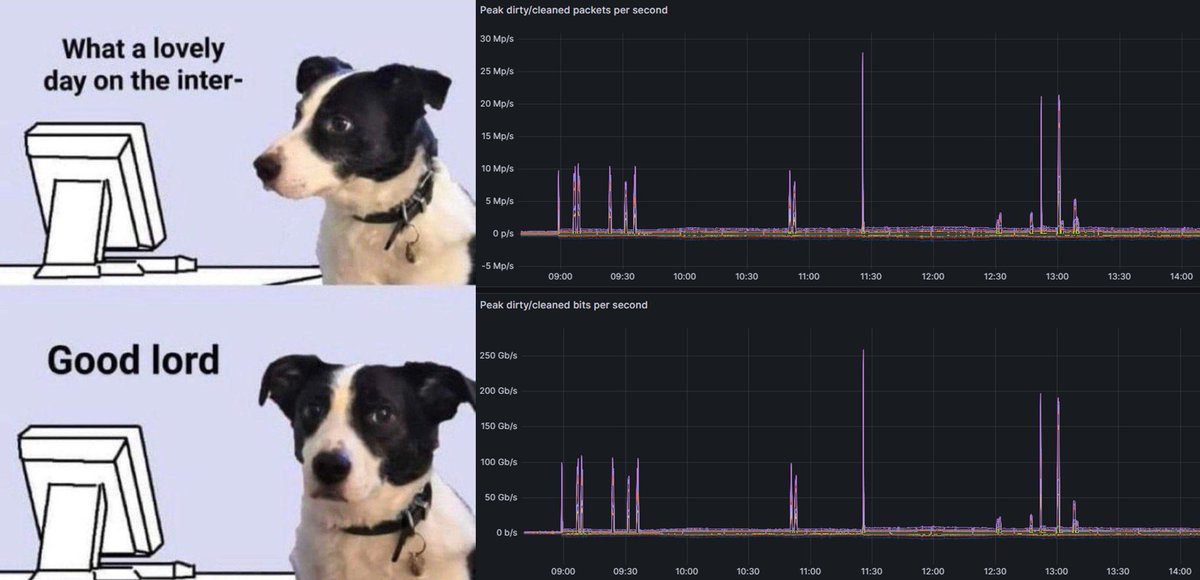
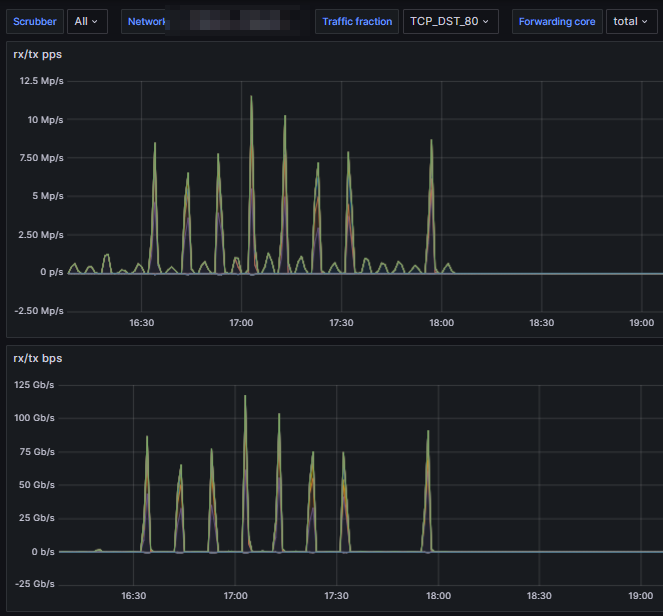
A cloud-based and on-prem carrier grade #DDoS protection, #AS201029. We protect against all types of volumetric attacks, constantly updated to identify threats.
Dutch authorities have dismantled a botnet comprising at least 17 million infected devices, including computers, smartphones, tablets, and IoT devices.
More than 200 servers in the Netherlands supported the operation. Police seized a subset of the infrastructure, and the hosting provider subsequently took the network offline.
Read: https://t.co/76YwhychdN
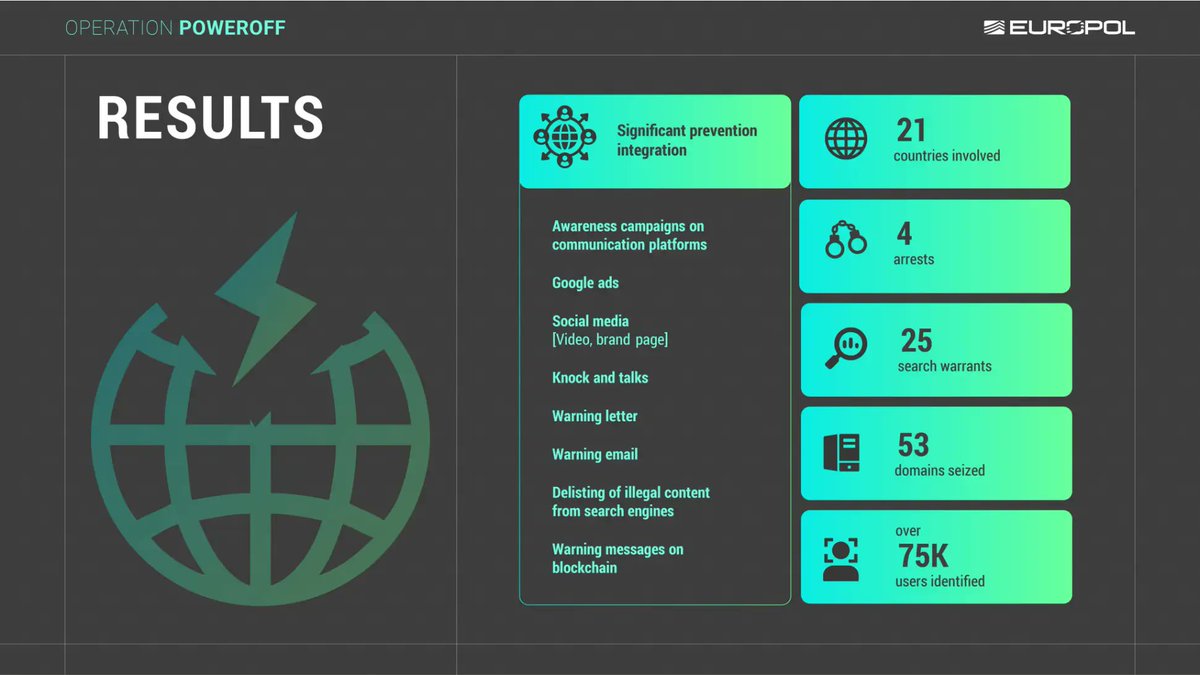
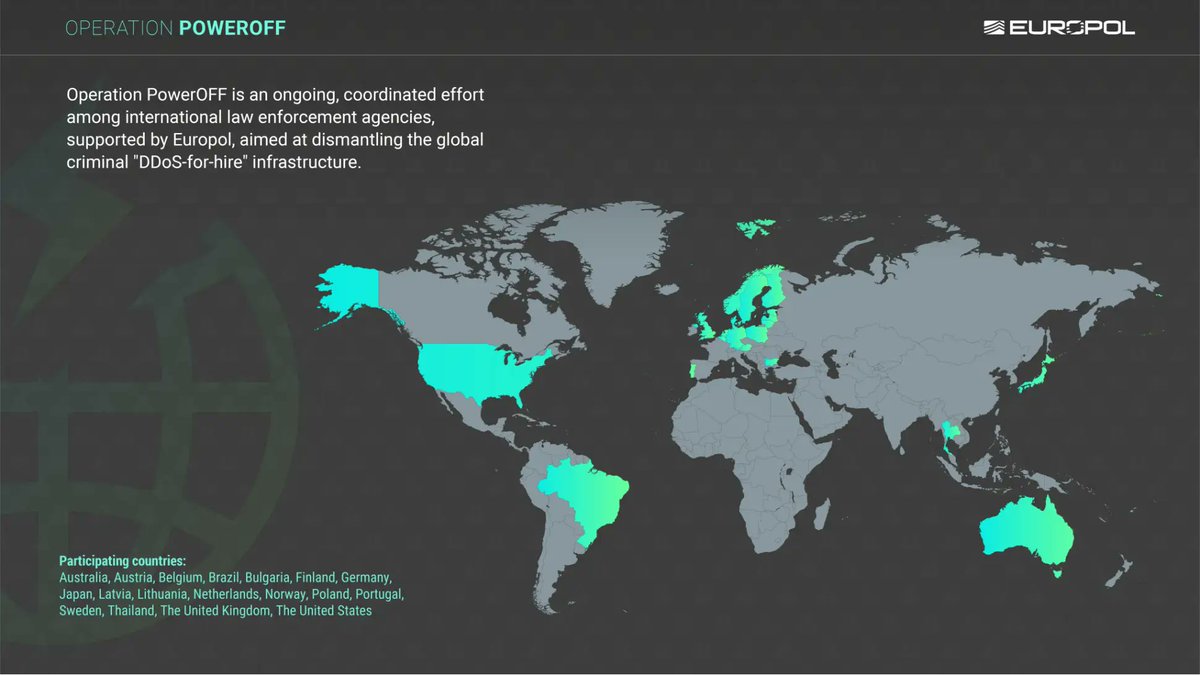
‼️According to the press release they seized 53 sites, arrested 4 individuals, 21 countries were involved, 25 search warrants were issued, and over 75k users identified.
https://t.co/q2bAKQqYXd
Over the last 24 hours, multiple ISPs using NetSense reached out to us with the same strange pattern.
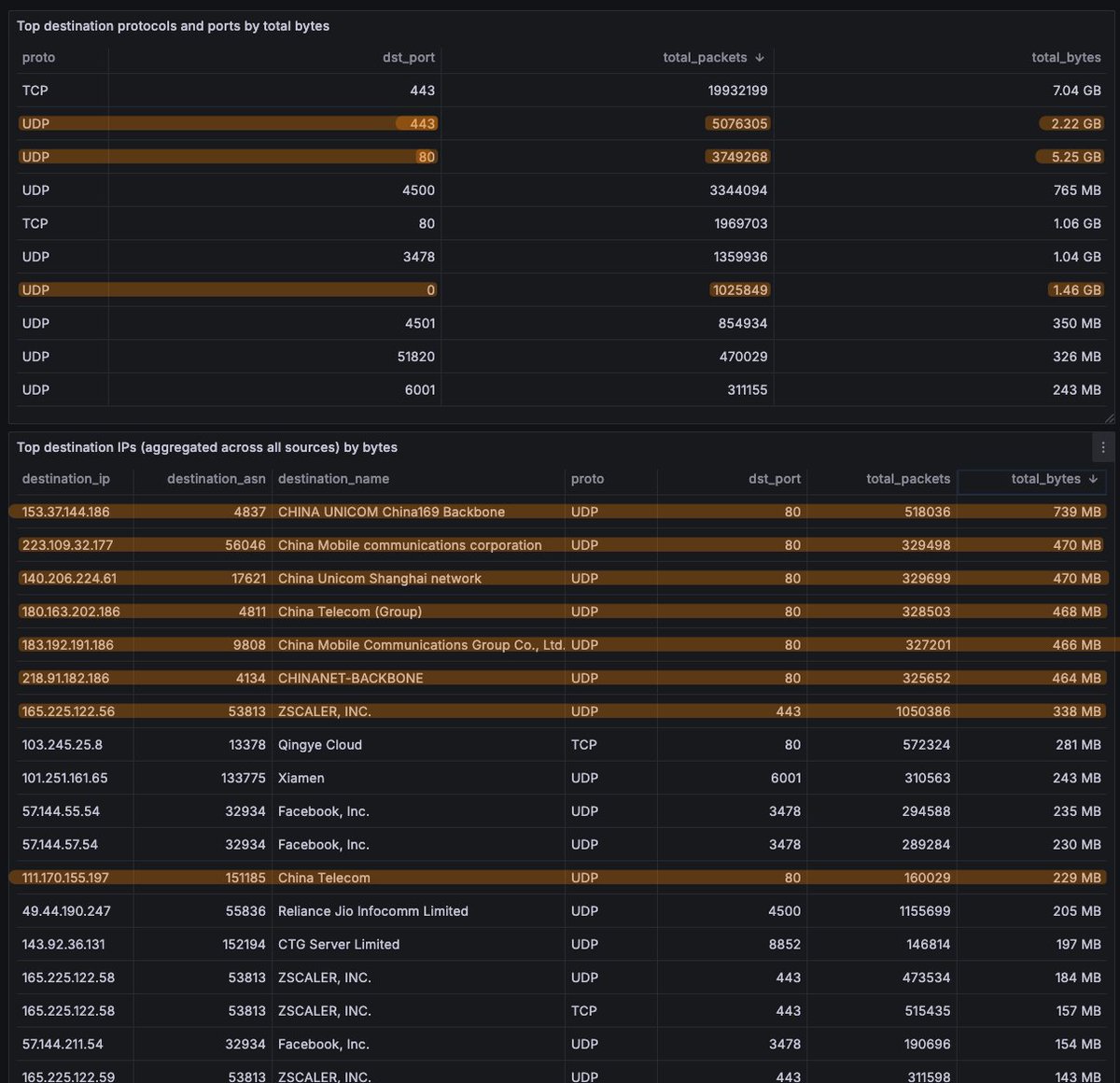
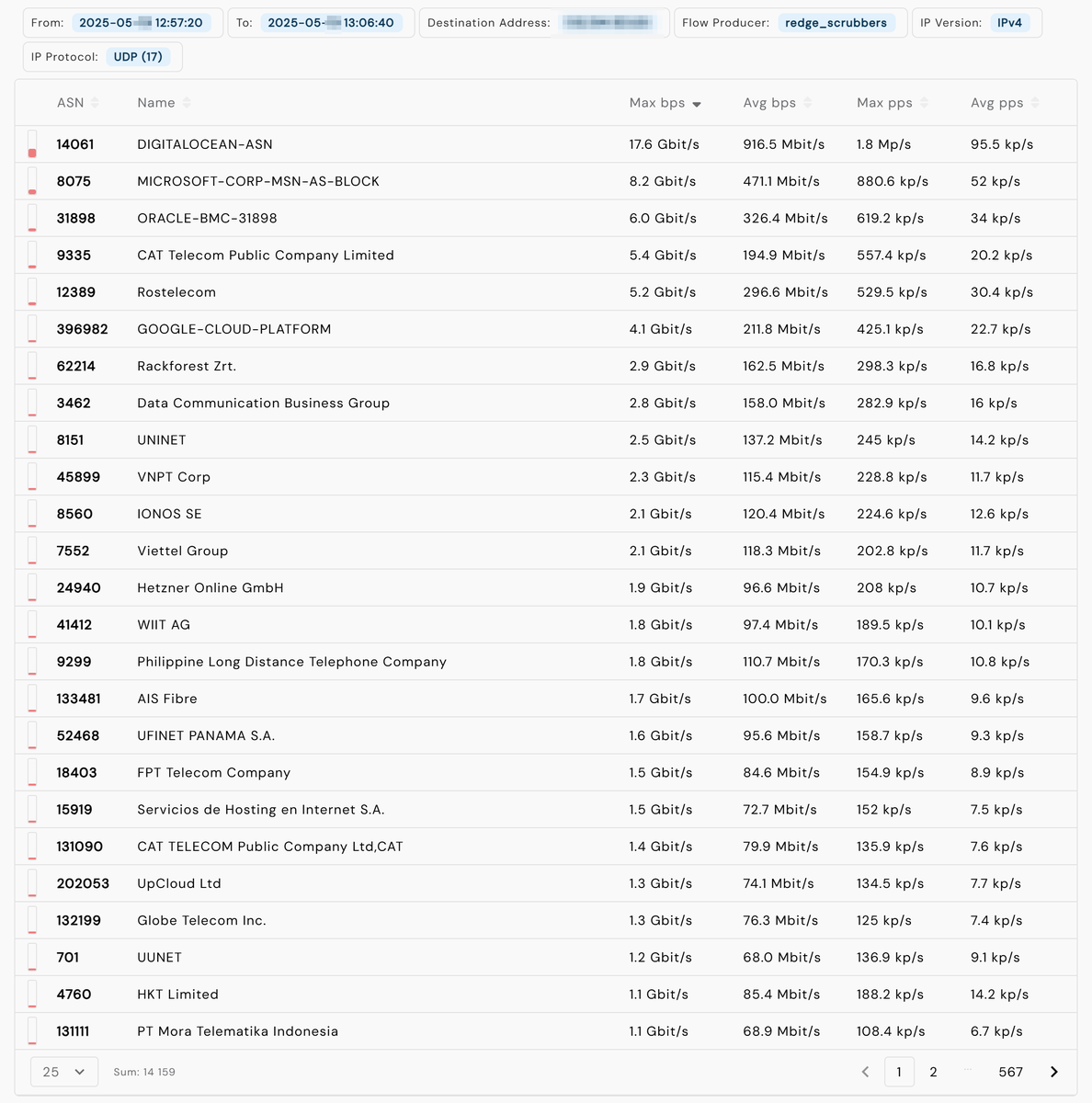
A noticeable chunk of subscribers suddenly started generating outbound UDP traffic to:
- port 80
- port 443
- and even port 0
Mostly towards a small set of external ASNs / IP ranges.
A few things made this stand out:
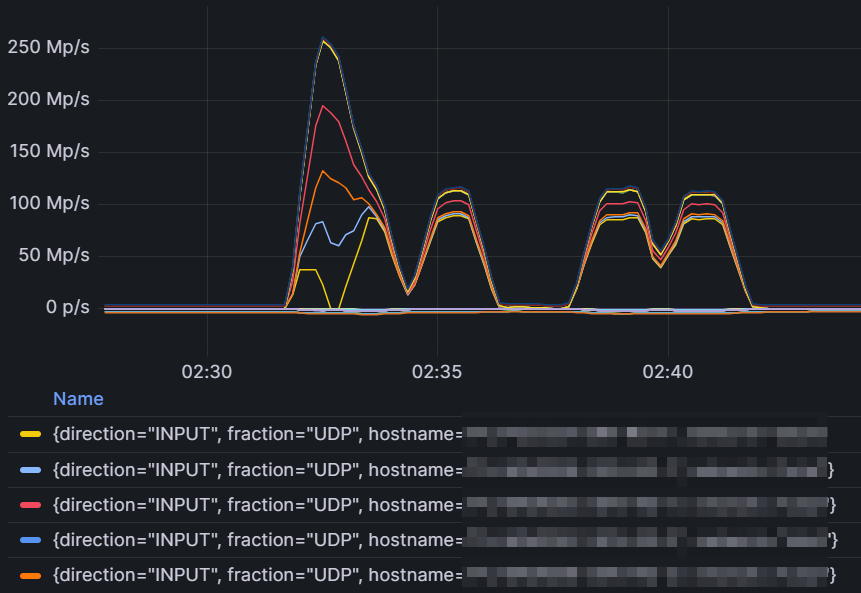
→ Upload traffic spiking higher than download
→ Bursts of upload traffic, then pause, then again
→ Same behavior replicated across many users at the same time
→ Different regions of India
→ Very consistent destination patterns
QUIC can explain some UDP/443.
But UDP/80 and especially UDP/0? That’s definitely not normal Internet behavior.
This points strongly towards:
compromised devices at scale: routers, CPEs, IoT, etc which are acting in coordination.
What’s interesting is not just the pattern, but the simultaneity across different networks.
That usually means one of two things:
- a large botnet waking up
- or a new exploit spreading quietly across edge devices
(And yes — having flow visibility helps. Being able to quickly look at NetFlow/IPFIX data and spot patterns like this makes a big difference in response time.)
Now the real question:
Are others seeing this too?
If you operate an ISP / broadband network:
- Any unusual spikes in outbound UDP?
- Traffic hitting port 0?
- Similar destination concentration (specific ASNs / regions)?
Would be useful to compare notes.
Feels like one of those early signals you don’t want to ignore.
Twórcy narzędzi do cyberataków zatrzymani 🚔👇
Funkcjonariusze @PolicjaCBZC zatrzymali osoby zajmujące się tworzeniem, odpłatnym udostępnianiem i handlem oprogramowaniem przeznaczonym do ataków typu #DDoS.
Jeden z nich w ten sposób zarobił ponad 670 tys. zł 👀
👉 Więcej w komentarzu: https://t.co/pBHpQK5GPk
@InfoSecurity_24@PolskaPolicja
🚨 Operation Eastwood targets pro-Russian cybercrime network NoName057(16) and shuts down over one hundred criminal servers in global operation.
Read more in our press release ⤵️
https://t.co/nxNSI7NBRr
🇪🇺 EU intensifies its response to Russian hybrid threats & destabilising activities abroad:
⚠️New restrictive measures against 21 individuals & 6 entities
⚠️Targetting tangible assets linked to malicious activities, such as vessels or real estate
More 👇https://t.co/sUtytsYJMN
💪 Europol just dismantled 6 major DDoS-for-hire services used to launch thousands of global attacks—for as little as €10 a hit.
🔹 4 arrested in Poland
🔹 9 domains seized by the U.S.
🔹 Operation PowerOFF strikes again.
These slick platforms let anyone pay to flood schools, gov sites & gaming servers offline, no tech skills needed.
🔗 Read → https://t.co/aFZckFISyW
Today, the Biden-Harris Administration released the Roadmap to Enhancing Routing Security report. NTIA is pleased to have been part of the interagency and stakeholder collaboration that led to these recommendations.
https://t.co/uqyiwRAzrE
Three alleged hackers are suspected of their involvement in DDoS attacks against public institutions and strategic sectors in Spain and other NATO countries that support Ukraine https://t.co/4apizjWTlb
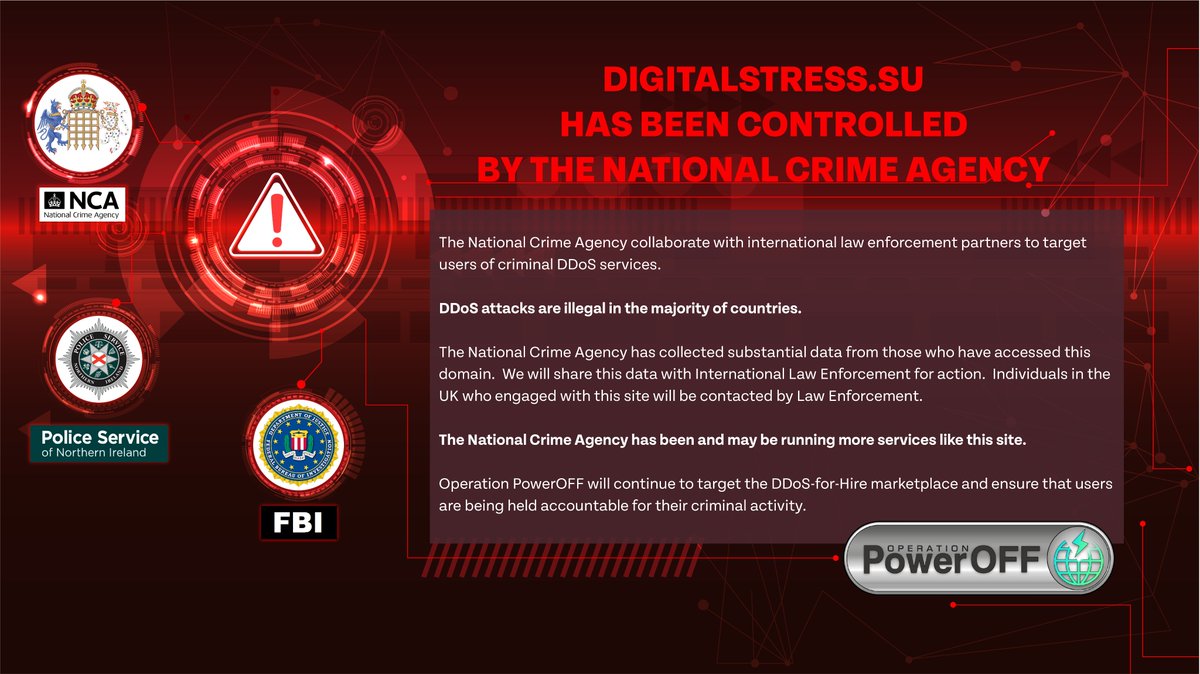
The National Crime Agency has infiltrated a significant DDoS-for-hire service which has been responsible for tens of thousands of attacks every week across the globe.
Read the full story ➡️ https://t.co/XoB8r5MK93
@PoliceServiceNI@FBI
Zachęcamy do zapoznania się komunikatem Pełnomocnika Rządu ds. Cyberbezpieczeństwa @KGawkowski dotyczącym wytycznych minimalizujących ataki typu DDoS.
https://t.co/vg72ezE7uc
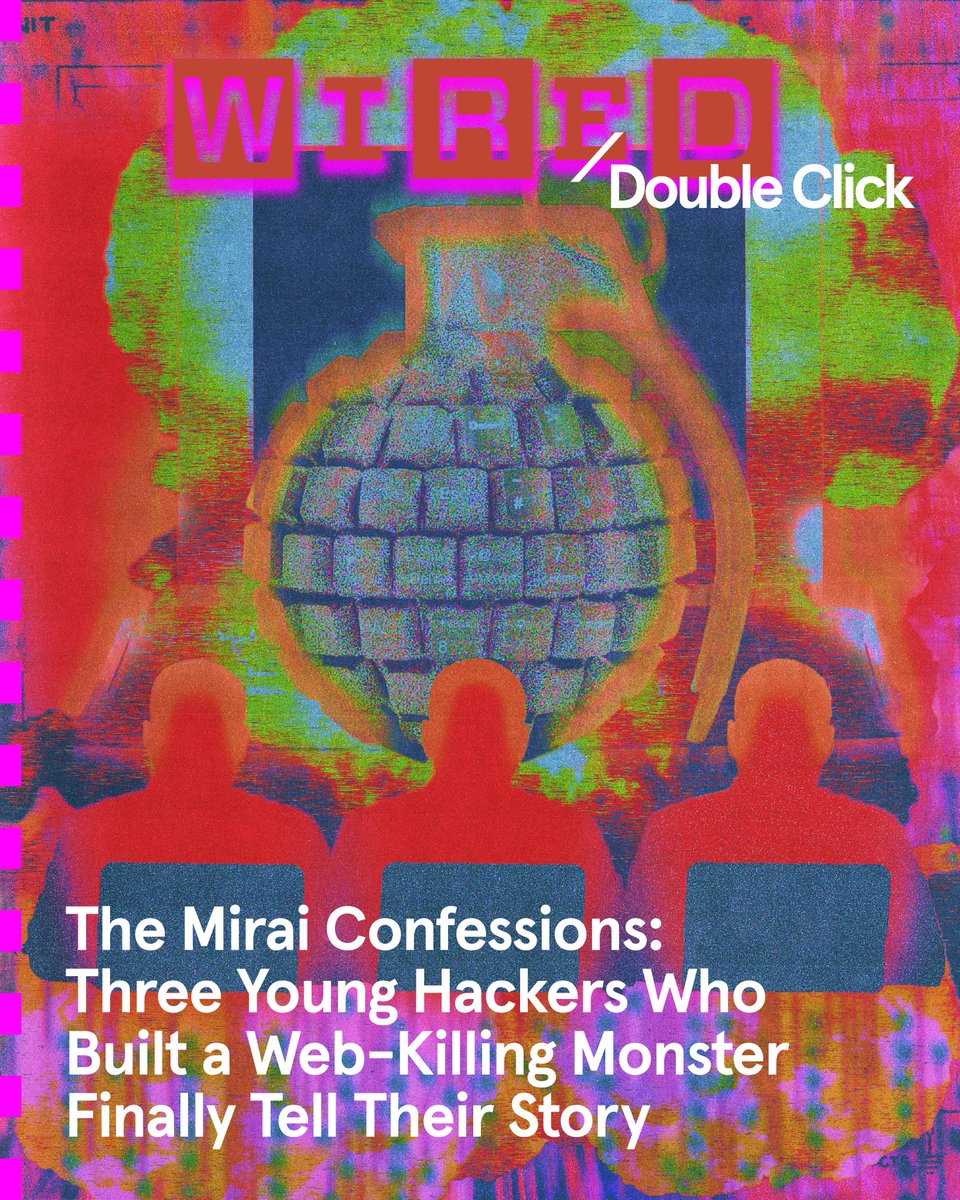
I spent this year talking to the 3 young hackers behind Mirai, the malware that once broke the internet.
This is WIRED's resulting cover story—an epic, untold, 22,000-word tale of cybercrime, friendship, chaos, betrayal, paranoia, and redemption.
Read: https://t.co/tpPk5EGkQJ