"Nothing is so bad it can't get worse." “The world is like a drunken peasant. If one helps him into the saddle on one side, he will fall off on the other side.”
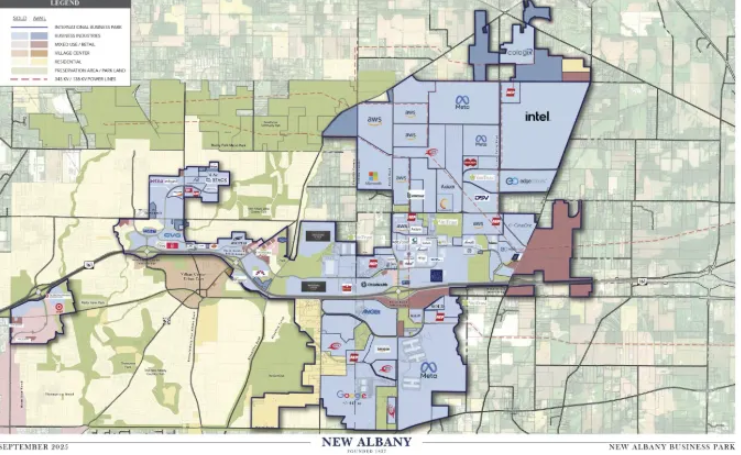
An accidental stop in the Silicon Heartland and what it says about our everything bubble
Plus a review of April’s disappointing existing home sales and private credit's datacenter delusion
https://t.co/F9FyP4NaNQ
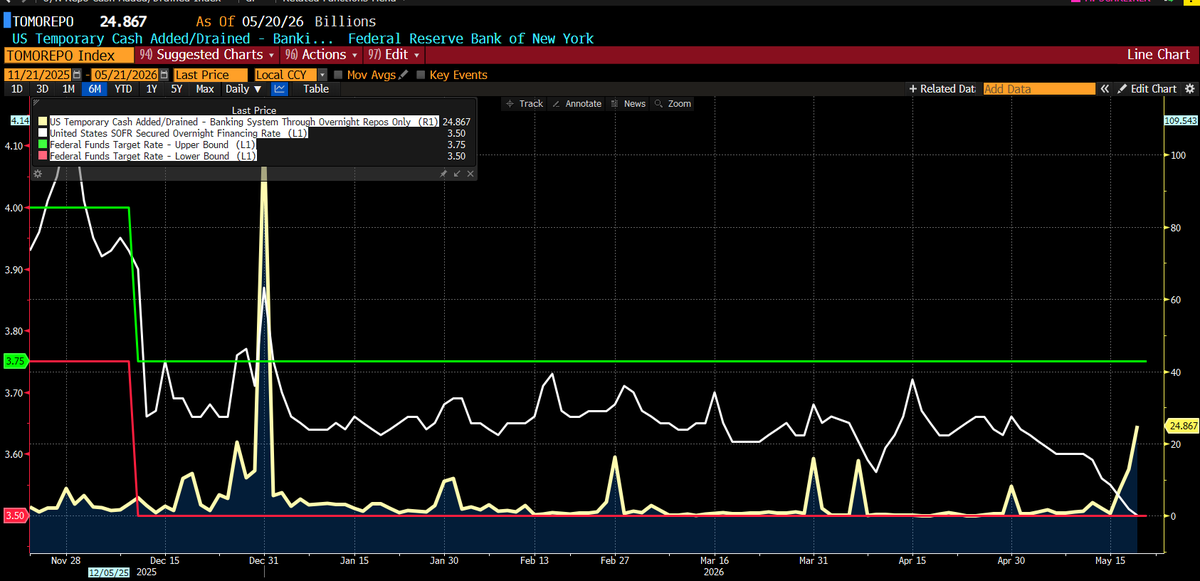
@sirpenski Money dealers are putting a beatdown on treasury bond dealers, in competition for immediate actual dollars for needs for immediate dollar denominated commodities and stabilization of foreign currencies against the dollar in this acceleration of the energy supply shock worldwide.
This explanation conflates yields of US Treasuries with the actual USD supply/demand mechanism.
There is zilch in data evidence the bond yields are due to vigilantes, but are correlated with inflation, especially manifested by accelerating treasury yields with the energy supply shock.
There is a critical demand for dollars going on right now.
@Bannons_WarRoom@ericbolling Opening the Strait isn't even being talked about anymore. Bye Bye USD as world's reserve currency. Over time, GCC countries will cave and begin doing business in Rial or Yuan because that is the currency of toll. US Bonds are going to have to offer 10% just to attract buyers.
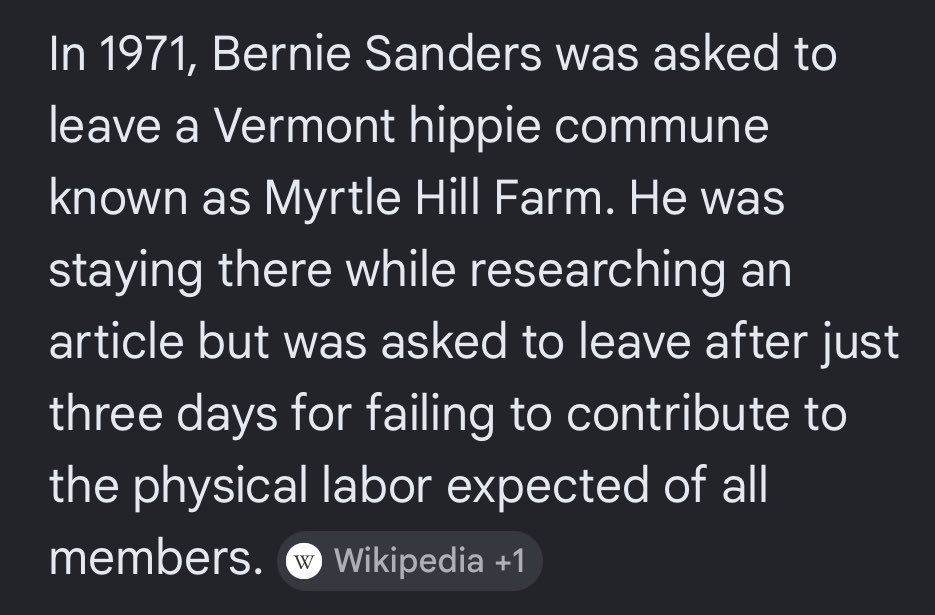
If you study hippie communes of the 60's-70's you will come to understand this is why they are pretty much extinct. Lot of horror stories from these communes.
I work for one of the largest distribution co’s in America (won’t say).
In Feb26 we were paying low $2/unit of diesel. Industrial vol. pricing, multiple times/mo at dozens of DCs.
We are now paying nearly $5/unit across multiple industrial fuel vendors.
Apocalyptic.
AI CapEx Risk: There’s Nowhere Left To Hide
$SOXX $SMH $AMD $INTC $MRVL $NVDA $TSM
In this Short video, @CameronDawson and @AdamTaggart discuss a major structural risk building beneath the current market rally: the AI CapEx boom has become so dominant that it is no longer confined to semiconductors — it now effectively underpins large portions of the entire global equity market.
If AI spending expectations weaken materially, the damage would likely extend far beyond chip stocks because nearly every major index has become deeply tied to the same theme.
Right now, markets are pricing in a future in which hyperscalers, enterprises, and governments continue to spend enormous amounts on AI hardware, data centers, networking, memory, and compute capacity.
But if this demand was “pulled forward” too aggressively — meaning companies spent years’ worth of future demand upfront — the industry could eventually hit a wall, with growth slowing sharply.
Another risk would be tighter credit conditions or reduced access to financing, which could suddenly constrain this capital-intensive buildout.
If that happens, semiconductors would likely feel the pain first, as they are at the center of the AI ecosystem.
But the rest of the market could also suffer heavily, as semiconductors now account for an unprecedented share of equity indices and investment flows.
Ten years ago, semiconductors represented only about 2% of $SPX. Today, that figure has exploded to roughly 18%. This is more than double the weighting semiconductors had even at the peak of the late-1990s tech bubble.
The market today is more concentrated in semiconductor exposure than at any point in modern history. But this exposure goes even deeper than chips themselves.
The AI trade has expanded into adjacent technology hardware companies, industrial suppliers, infrastructure plays, and hyperscalers, funding the CapEx cycle.
The broader market implication is that diversification has become much harder than investors realize. During the original tech bubble unwind, investors could rotate into areas with limited exposure to technology.
Emerging markets, value stocks, small caps, and mid caps all offered alternative places to hide because they were not deeply connected to the bursting internet bubble. This time is very different.
The AI exposure has infiltrated virtually every major asset class and index, becoming the “tide” lifting nearly every boat in the market.
That creates a very important systemic risk: if the AI cycle weakens, the downside could ripple through nearly every corner of the market simultaneously, as the same dominant theme supports so many sectors and indices at once.
*
Get access to my notes with the key takeaways from this interview with @CameronDawson by visiting my Substack (link below) ⬇️
Dietrich “Christ was not the perfect good” Bonhoeffer.
Steve “Christ committed his own personal sin” Paulson.
Chris “Christ was tempted by gay stuff” Rosebrough.
Lyman "Let's debate how Christ potentially had gay desires” Stone.
Not hard, Lutherans.
Teachers to mark & avoid.
@his_eminence_j@LowellBeets@WhiteHouse@UMHUHWTH I understand the sentinent. The pain isn't strong enough, yet, to overcome the level of corruption of society. You can interpret that anyway you wish.
Only community has the possibilities of saving most of us in these times.
@his_eminence_j Energy shock is creating a shortage of available dollars around the globe. Blowing off the top with systemic inflation. All the FED can do is follow the long end of the yield curve, because it can't control it.
@MarkWerling5 Lutheran theologians like to opine on the abstract value of our Confessions, like the Large Catechism, but when it comes to the concrete workings they betray Luther as an out of touch anachronism.
"You are a smart man. Don't you know how this works?"