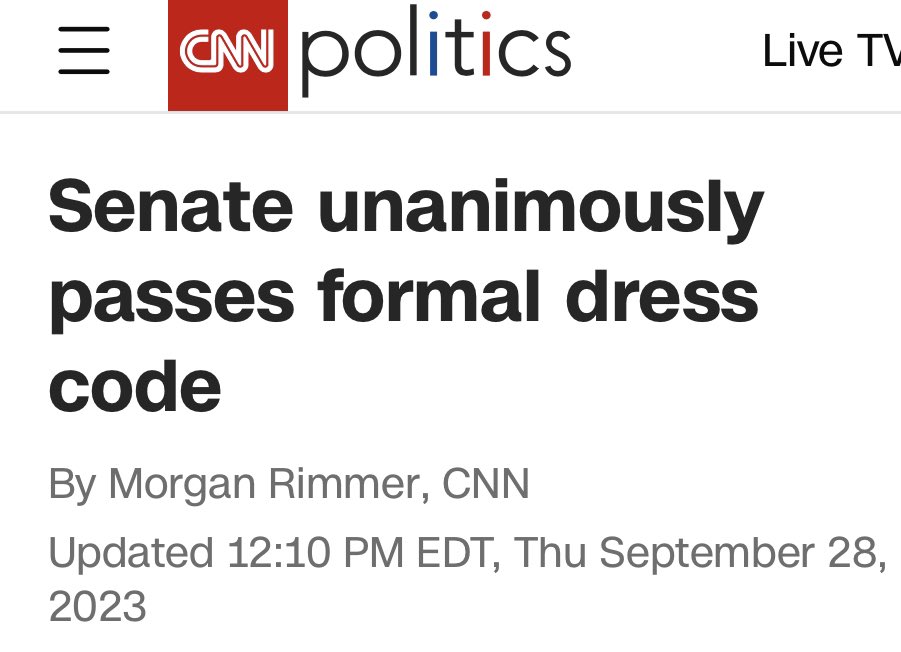
Jacking up prices then having one register open while all the other self checkout registers have a camera in your face recording you cant be helping either… jus sayin @Target
The hardest part of seeing the destruction of our environment is seeing people go on as if nothing is wrong bc its easier. “Dont Look Up” wasnt satire.
‘This wonderful place is dying’ - Antarctic scientist. The govt have just approved the Rosebank oil field, scientists are expressing fear & alarm, say the planet is in ‘uncharted territory’. Just turned the TV on and @thismorning are discussing what kind of Bounty Bar is best
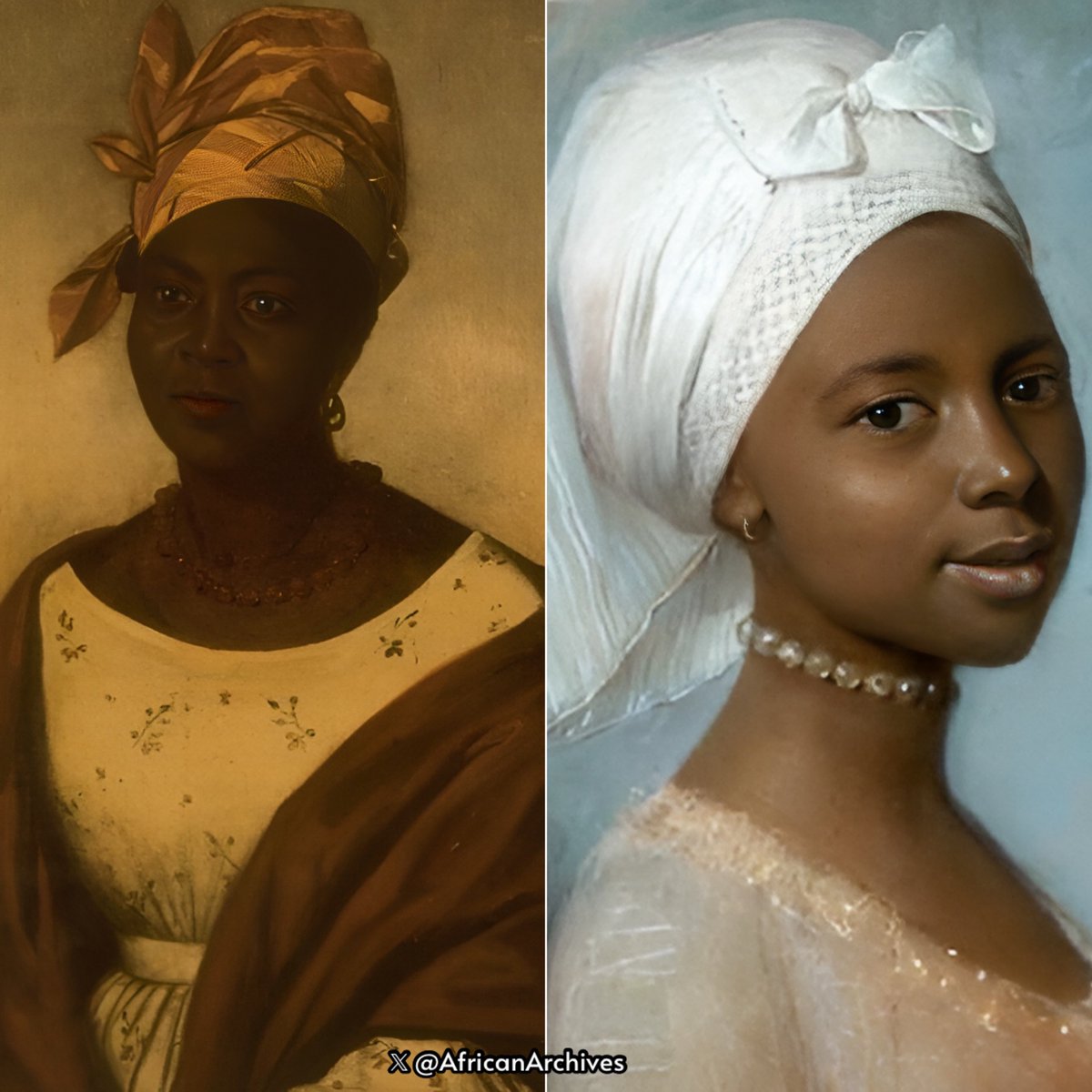
The Tignon laws of the 18th century were laws that banned black women from exposing their natural hair in public.
Their hairdos was obscuring the status of the white women and this threatened the social stability. The law would control colored women “who dressed too elegantly..”
Resembling today’s West African Gele, a tignon is a type of head-covering. It is a large piece of material wrapped or tied around the head to form a kind of turban concealing the hair.
Tignons were worn by free and slave Creole women of African descent in Louisiana from 1786. Historically, their prevalence was as a result of sumptuary laws passed in 1786 under Governor Esteban Rodriguez Miró.
These prescribed and enforced appropriate public dress styles for women of color in a white-dominated society. Hence, they were made as a way of regulating the appearance of black women in the U.S.
During the period, when black enslavement in America was at its peak, and places like New Orleans was unique in its high population of gens de couleur libres (free people of color), black women’s beauty and features often attracted white men who approached them as suitors.
This enraged white women who perceived them as competitors. Evidently, African women competed openly with white women through elegant dressing, including adorning their textured hair with gems, beads, and other accents that made them stand out from white women and possessing great beauty.
To take care of this perceived menace, series of sumptuary laws birthing the Tignon Law were put in place in order to stop white men from pursuing and engaging in affairs with women of colour, “while also being a class signifier,”
🖋️if you love our content, please consider supporting our page on https://t.co/16fHyPFENu (follow the ko-fi page too for weekly posts roundup)