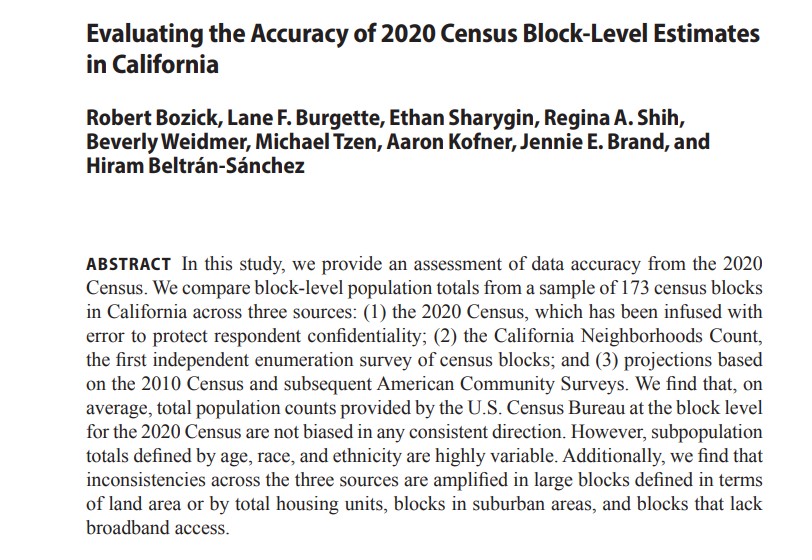
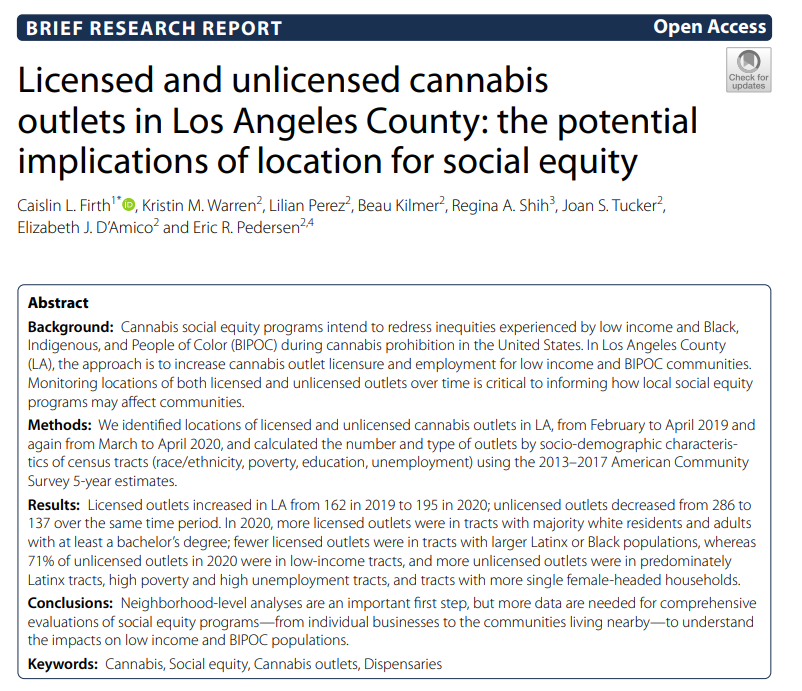
Posted: “Evaluating the Accuracy of 2020 Census Block-Level Estimates in CA.” R. Bozick @ReginaShih@JennieBrand1 et al. highlight the “relative consistency at the population level w/ substantial inconsistencies at the subpop level.” @RANDCorporation@UCLA
https://t.co/CFciS0fTMj
Timely and reliable #statistics — such as those provided by the U.S. #census — can help policymakers make better decisions that lead to better lives for citizens.
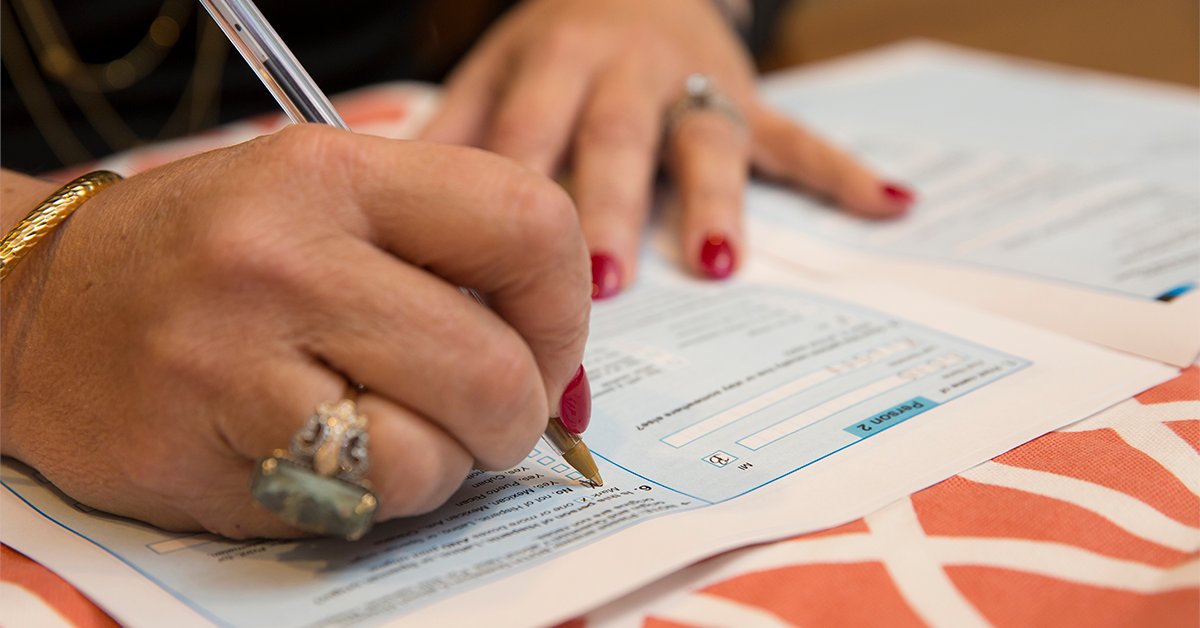
For #WorldStatisticsDay, explore our new report evaluating the 2020 census: https://t.co/7U91z6A2AD
How well did the #2020Census go? This new @theNASEM report assesses the @CensusBureau’s extraordinary challenges faced in conducting the 2020 Census and provides guidance for planning #Census2030: https://t.co/Ai4viDz7K4
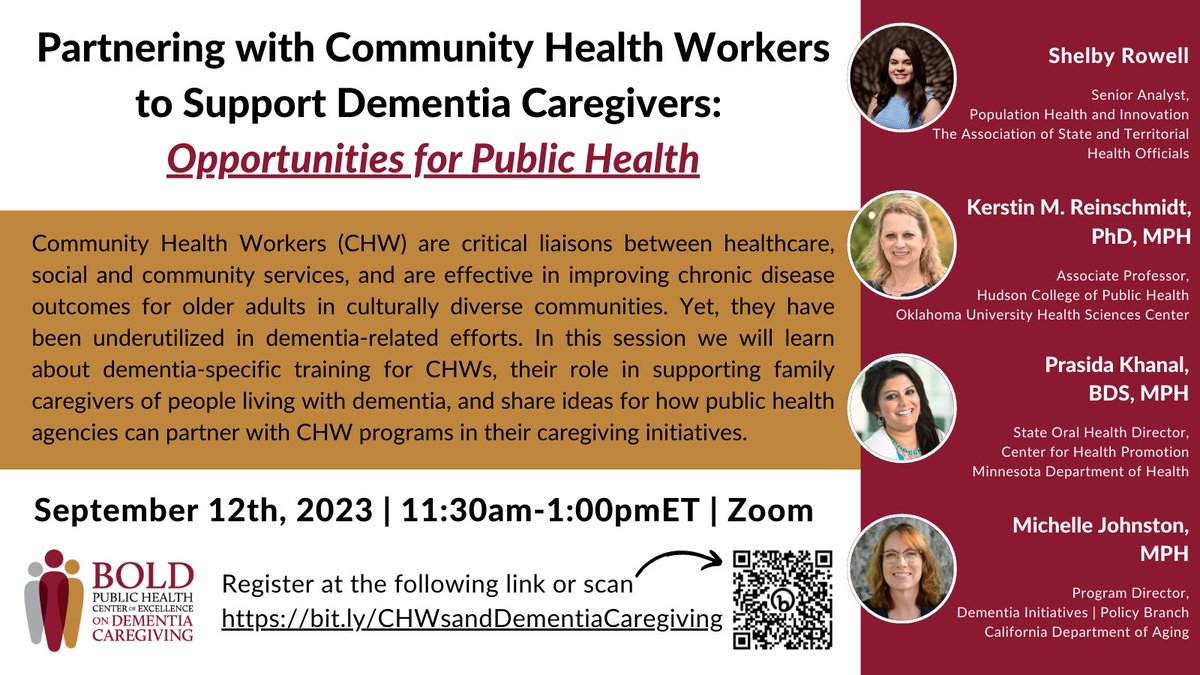
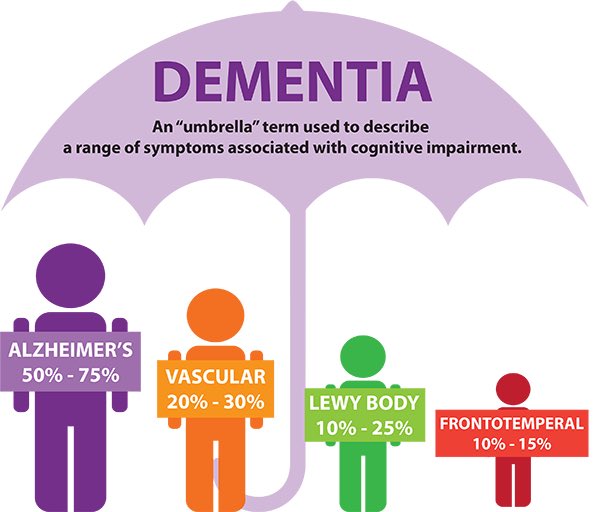
Tune in on 9/12 🗓️ to learn about the opportunities for partnership between Community Health Workers (CHW) and dementia-related public health efforts!
@MDH @ASTHO@CalAging
Register at https://t.co/BTTDInOxDN
Do you know an educator or school advisor who can guide a team of students in making an engaging and relevant drug prevention video? Winning teams will receive $1,000.
Encourage them to enter the Project ALERT contest:
https://t.co/7T8gybvr0v
80 percent or greater of older Americans report never using bicycles, trains, taxis, and buses. Does your community perpetuate transportation inequities for older adults? https://t.co/dqVSfWOfzD
Home care workers are critical to supporting home-bound seniors and people with disabilities, especially during COVID-19. Here are some options to better support them. https://t.co/u1bIFGy6ES @JasonEtchegaray@JuliaRollison
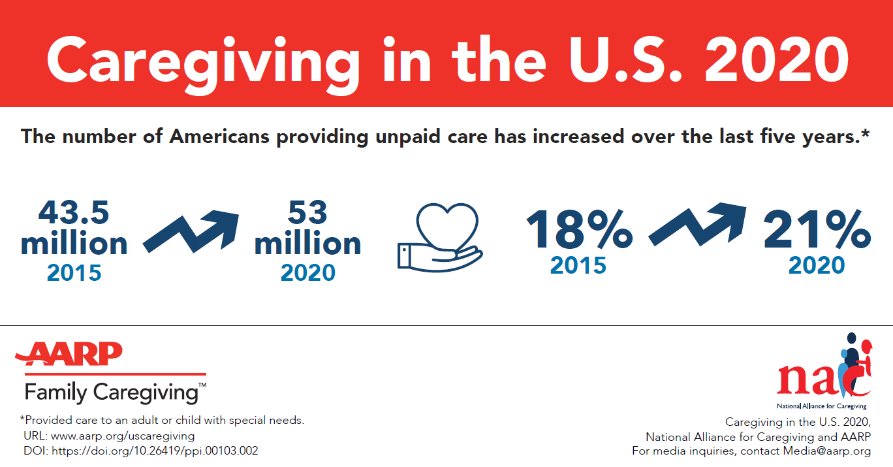
#Caregiving is core to the nation’s public health. 1 in 5 Americans has provided unpaid care in the past 12 months for an adult or child with special needs, a number up from 18% in 2015. Learn from @NA4Caregiving and @AARP : https://t.co/gjYv12OAaN #CaregivinginAmerica
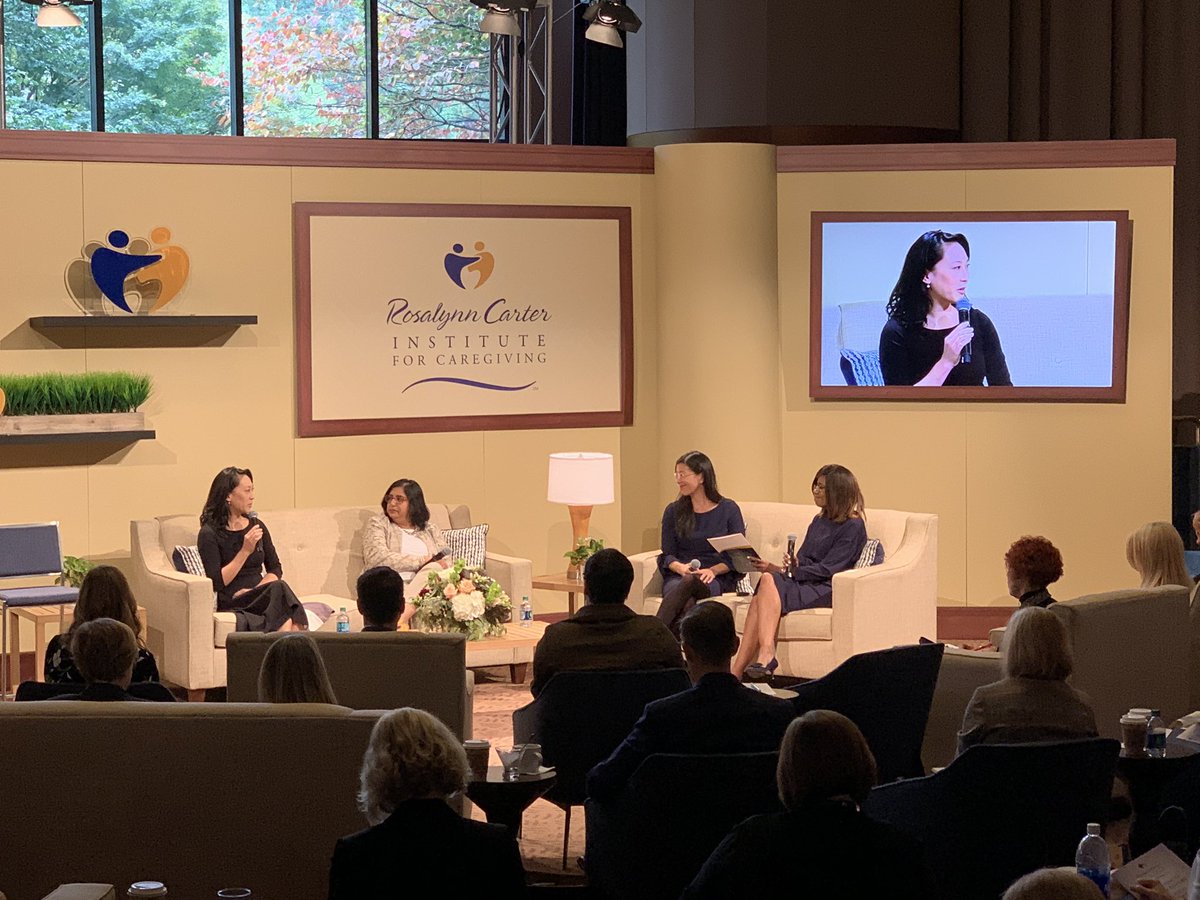
.@PatriceHarrisMD leading a discussion on trends in research and data around #21stCenturyCaregivers and how employers can better support their employees who are caring for loved ones.
RAND's Joie Acosta and @ReginaShih explain why turning off power to combat #wildfires could harm the very people who need protection: https://t.co/lepPIYV4t3
@soledadobrien Likely a combination of many factors: lower educational quality, decreased access to health providers, and poor health behaviors associated with dementia risk. Hoping this puts another spotlight on rural health as rural areas are aging more rapidly!
My new RAND study is the first to show dementia is more common in rural than urban seniors. Good news is that rural investments in increasing HS graduate rates have narrowed that gap! https://t.co/pvjRIINx8H @AmJPrevMed