REHABS is a hub for innovative research on social-ecological systems and biosphere-based sustainability🐝🐘🚶♀️
Partnership @CNRS, @MandelaUni & @UniversiteLyon
Amazing opportunity to join a passionate and dedicated team in the Greater Etosha Carnivore Program in Namibia to work on. lions & vultures !
https://t.co/wvkPMvWYlV
A great collaborative work, an insight on conservation effort in less popular tourist destination. @RehabsLab coordinating the follow-up of this intiative with @UnivAngers in a CESABAfter project supported by @FRBiodiv
Retrouvez la note de synthèse éditée par @FRBiodiv suite à notre dernière publication sur le statut de conservation des herbivores dans les aires protégées de savane d'Afrique Centrale. @UnivAngers
https://t.co/5WlHTuyCK4
🦓 Zebras might not be so infanticidal after all! New paper reporting on the absence of evidence for infanticide from new stallions in a >10y socio-demographic study of Plains zebras https://t.co/35djLEifww
🦓 Zebras might not be so infanticidal after all! New paper reporting on the absence of evidence for infanticide from new stallions in a >10y socio-demographic study of Plains zebras https://t.co/35djLEifww
My first PhD paper is out! Here we have used relationships between herbivore biomass and rainfall to retrodict herbivore biomass in extinct ecosystems.
This. Paper. By @CT_Bergstrom@jevinwest. Each and every scientist should read this and reflect. The paper takes up so many issues that worries me about our enterprise and frankly at times makes me question the meaningfulness of it all. A thread🧵1/25 https://t.co/wZcSAwyJbU
Our new paper from IRL REHABS Angers in @LE_group_ETHWSL, The scale of effect depends on operational definition of forest cover—evidence from terrestrial mammals of the Brazilian savanna, lead by Pays Olivier supported by Angers University @UnivAngers @INEE_CNRS @RehabsLab
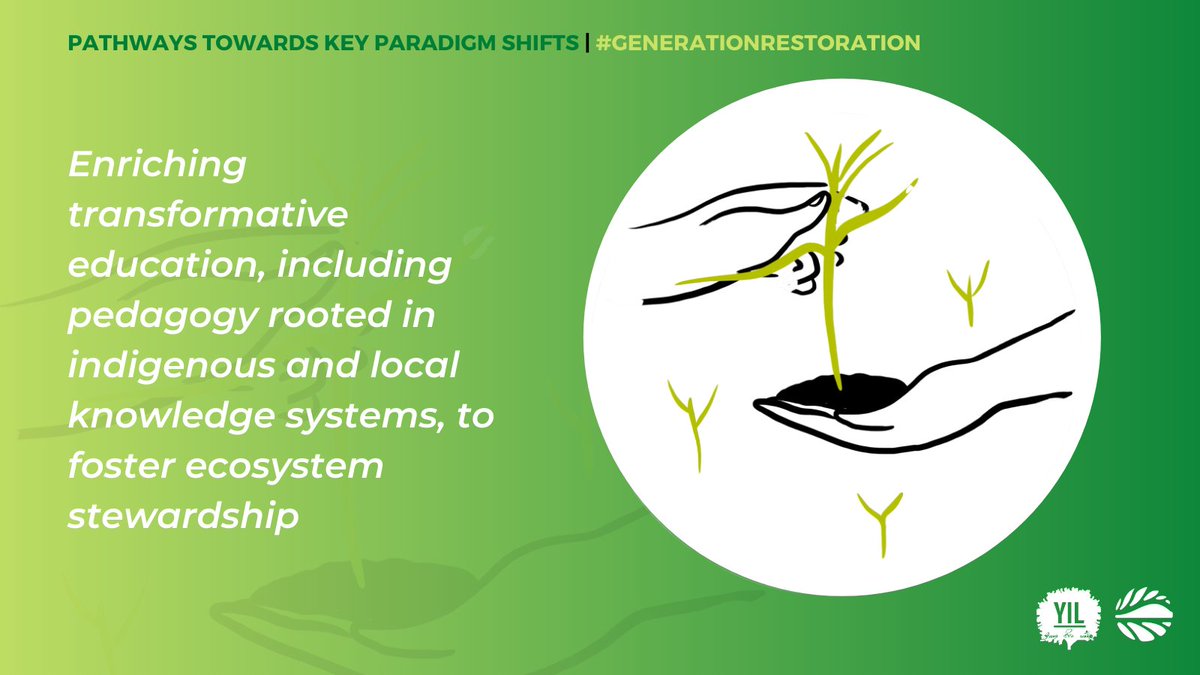
Farmers, Indigenous peoples and locals communities, women and youth are agents of change, and all education systems must acknowledge their roles as #biodiversity knowledge holders.
Learn more: https://t.co/KzvtxCJEVB
#GenerationRestoration
Roux D, et al. The GRIN
Meeting: A ‘third place’ for managers
and scholars of social-ecological
systems. S Afr J Sci. 2020;116(3/4),
Art. #7598, 2 pages. https://doi.
org/10.17159/sajs.2020/7598
Nice overview of a very original and useful conference format.
Large mammals of the Palaeo-Agulhas Plain showed resilience to extreme... https://t.co/jG35TzpGIz
Great insights on very early social-ecological systems !
Ecology of fear applied to human predation risk. Good start for 2020 at the IRL-REHABS and Wildlife Lab . Weldone Chris ! @cb_wildlife@JanBuffel
Poaching impedes the selection of optimal post-fire forage in three la... https://t.co/CZ9LMbapmI
A good contribution of IRL-REHABS to support the use of local ecological knowledge #LEK in conservation.
Rallying citizen knowledge to assess wildlife occurrence and habitat s... https://t.co/JmAOmYLyLh
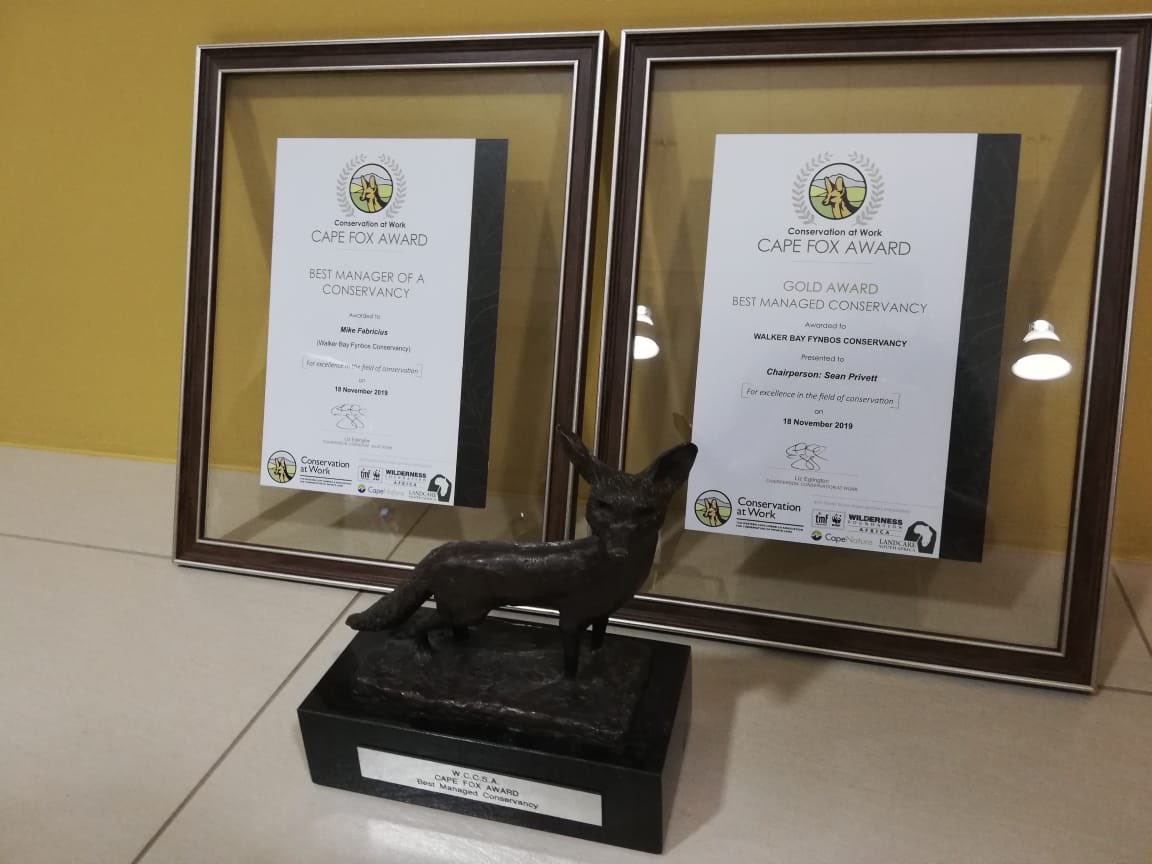
Conservancies are crucial connectors of people and wildlife & play a huge role in achieving global conservation goals. Walker Bay Conservancy, Shaun Pritchard , Mike Fabricius @GrootbosNGOZA @Grootbos you are the best!
.@Commonland CEO: "A tree does not grow faster if you pour money over it."
'How do we shift away from a mind set of maximising financial returns per hectare? We include the value of returns on natural & social capital, & also of inspiration.'
#NatCapWeek19#BusinessNatureSummit