It is important to remember children move through progressions of development & learning in their early years, reaching important milestones—like walking, talking, reading, etc—at their own pace. @NBCNewsLearn https://t.co/RI8oms60yS
"... children who have unstructured time during the school day exhibit greater creativity and problem-solving skills, are less disruptive, and learn crucial social lessons like how to resolve disputes and form cooperative relationships." @edutopia
https://t.co/k2YBwpCGbk
"As they get home, your seemingly happy and well-adjusted child has a meltdown. As strange as it may seem, it is a sign that the two of you have a healthy relationship." A Day in the Life of Your Child’s Brain from @StaffordBrizard @NBCNewsLearn #parenting https://t.co/Noq9Oh2Yrt
Yes, Mr. Rogers' Neighborhood was slow. It was repetitive. This was thoroughly, developmentally appropriate @anya1anya#edchat#SEL#prek#earlyed https://t.co/bho2LcY3Fx
If you want students to remember something, ask them to draw it! A new study finds that drawing beats reading or writing about a concept b/c it forces us to process information in three ways: visually, kinesthetically + semantically.
@edutopia#edchat https://t.co/mTIyy3Y5AO
How can teachers ensure *all students* take ownership of their learning? Asking opinions and emphasizing growth are just 2 ways to do so.
https://t.co/JmY1dAkJa7
"Colorful dots the size of dinner plates mark a path through a first-floor hallway leading to a small, bright office where age-specific therapy rooms with carpeting and soft rugs are designed to be inviting and to make children feel safe and comfortable." https://t.co/iT6Cht0KQG
@OutwardBoundUSA@RendiPowers@CannonSchool@fabhurt71@OutwardBoundNC
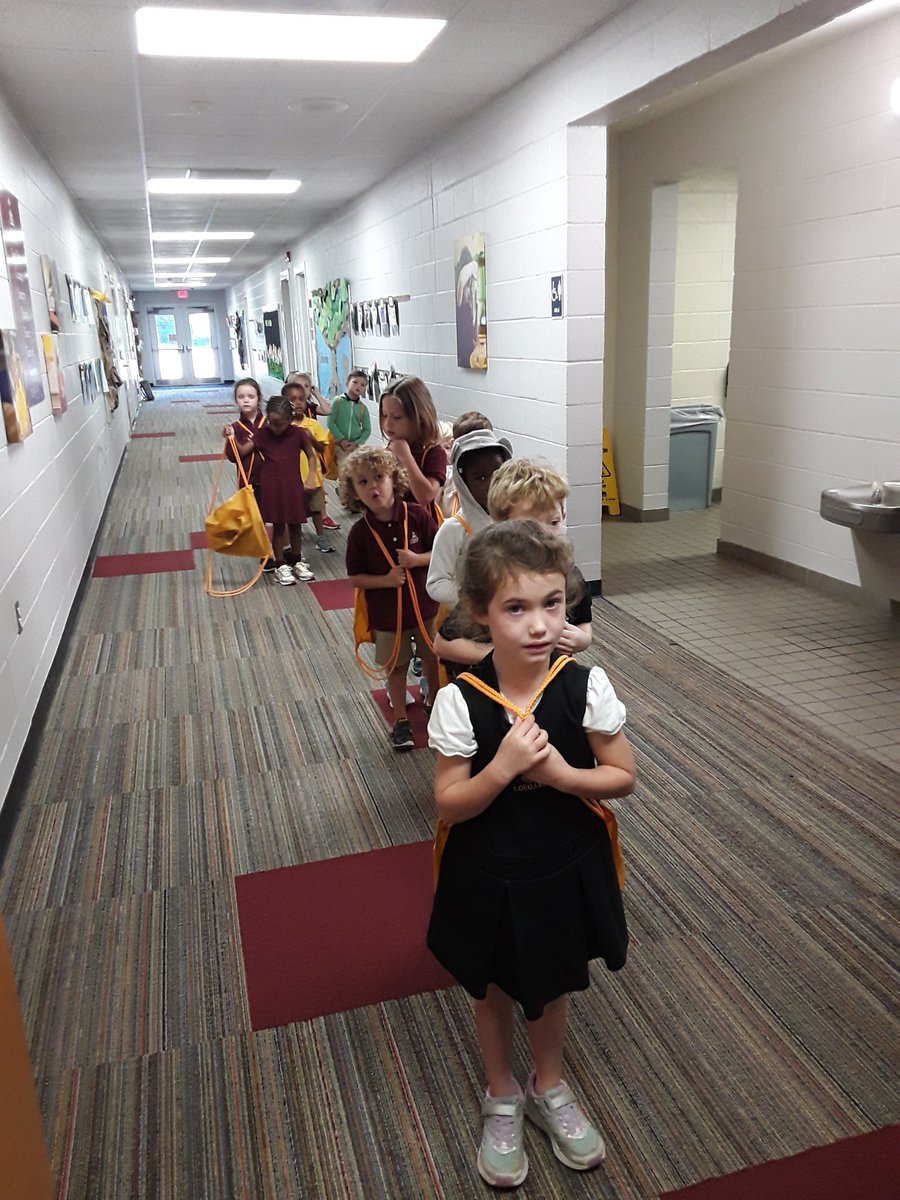
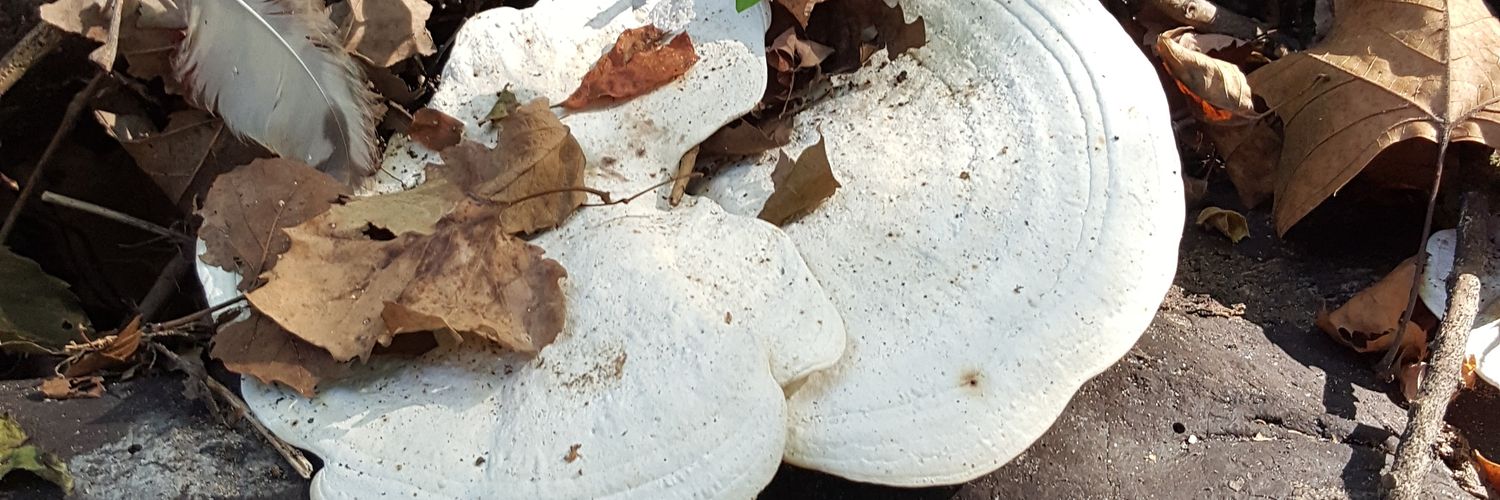
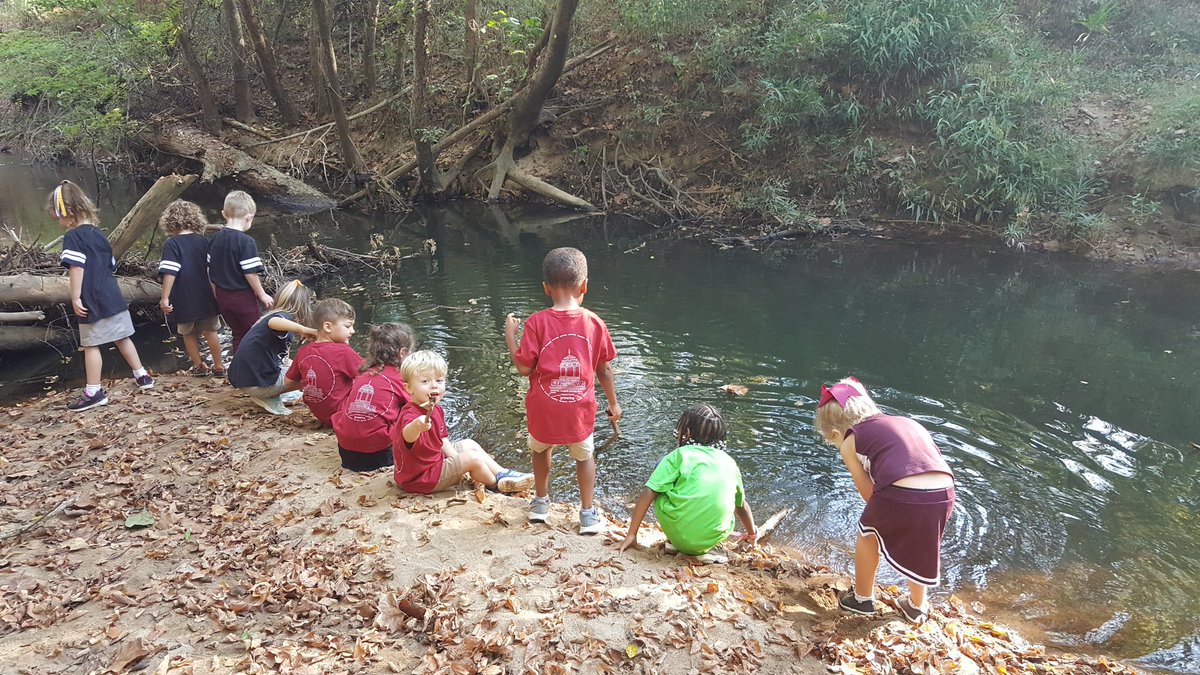
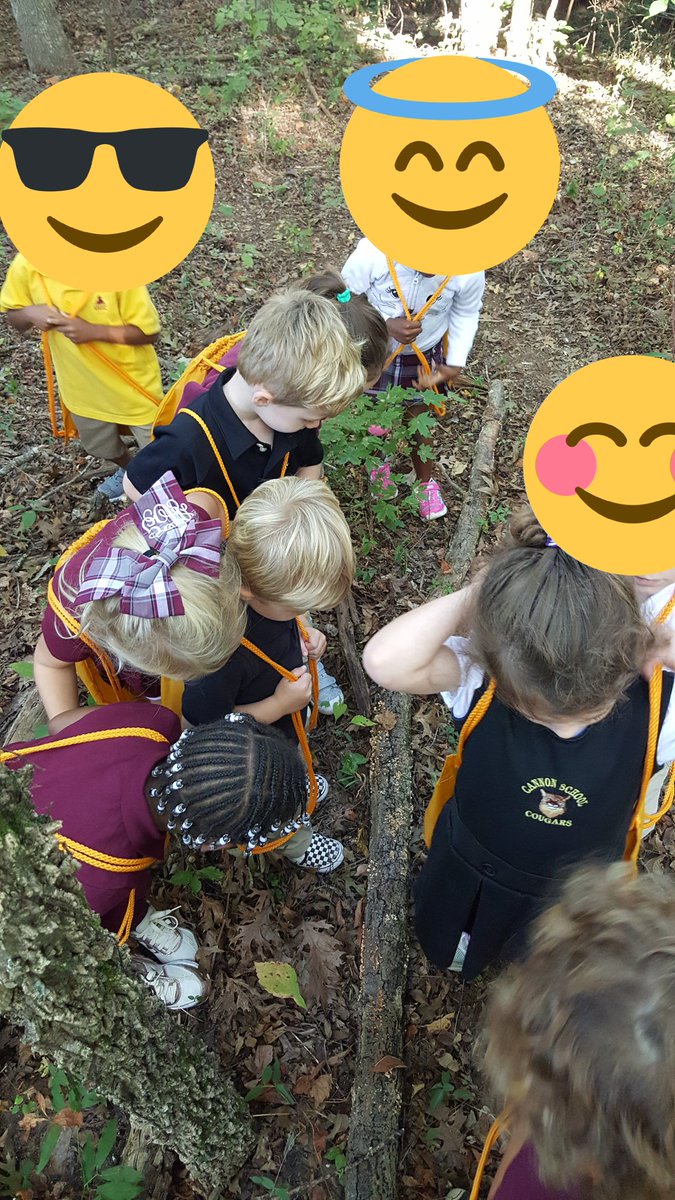
We incorporate nature at least once a week, calling it Forest Friday. Here children are identifying fungus. At the last part of our investigating, we all found a spot to have a solo experience to draw the fungus we saw.
"I’ve learned that if students feel anxious socially, they will not be open to taking academic risks, so building a culture of belonging has become my greatest priority." (via @edutopia) https://t.co/qxrJriUmGW
Academics are important, says Dr. William Stixrud, but in most cases, kids should be in the driver's seat, learning to manage their work, their time and, ideally, being able to pursue their own interests @SelfdrivenChild https://t.co/b5CF9nBmj9 #edchat#parenting
Children naturally have strong spatial reasoning skills. Working with maps is a fun, practical way to reinforce these existing strengths.
Check out our ideas on mapping: https://t.co/s9gyvJIIgQ
"Too often we ask 'what' students are doing, and too often ignore the 'why' behind their choices. By asking more questions of students... educators can open the door to student passions." (via @midnshift) https://t.co/uXBvLWNLiu
"I'm trying to give them even more opportunities to make responsible choices for themselves, actively think about what they are curious about, and make a plan about how to pursue it" @maricelamw https://t.co/T7TfUh7kdh #edchat#geniushour#elemchat
Do your students know what Earth looks like from space? Compare and contrast stunning videos of Earth during the day, at night and at sunrise in these videos from @NASA on PBS LearningMedia. (Grades K-2) https://t.co/7qLcOuFRp2