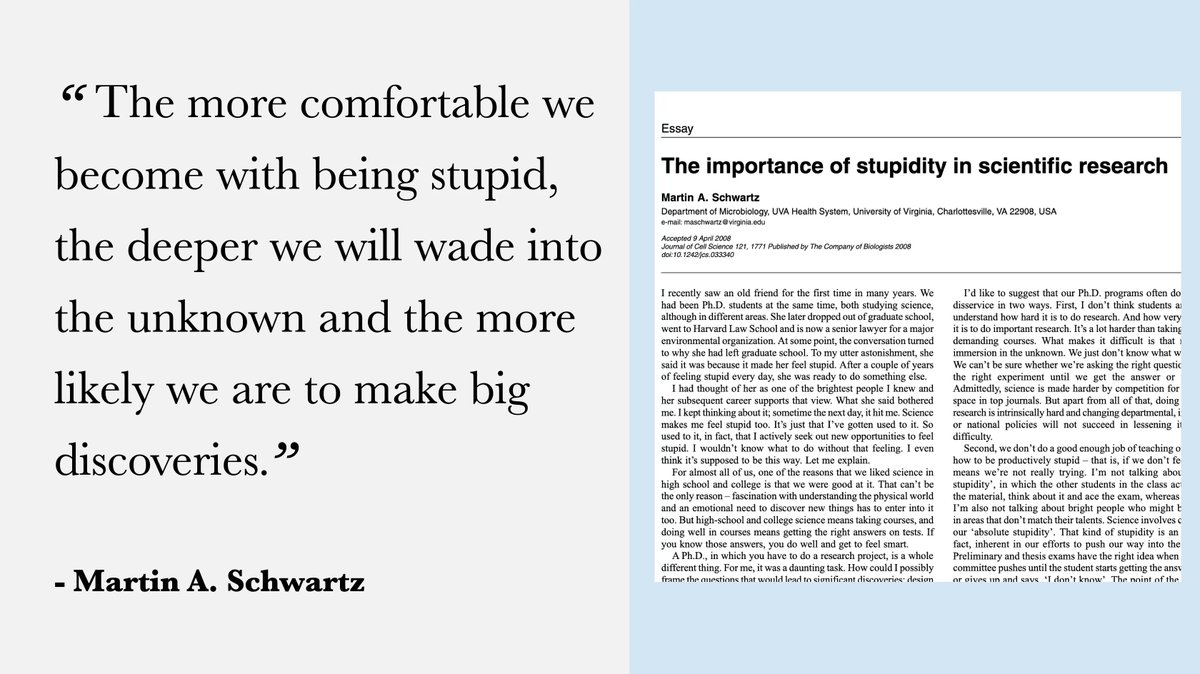
"The more comfortable we become with being stupid, the deeper we will wade into the unknown and the more likely we are to make big discoveries."
"The importance of stupidity in scientific research", a short and insightful, you can find it here: https://t.co/iE404kMDkI
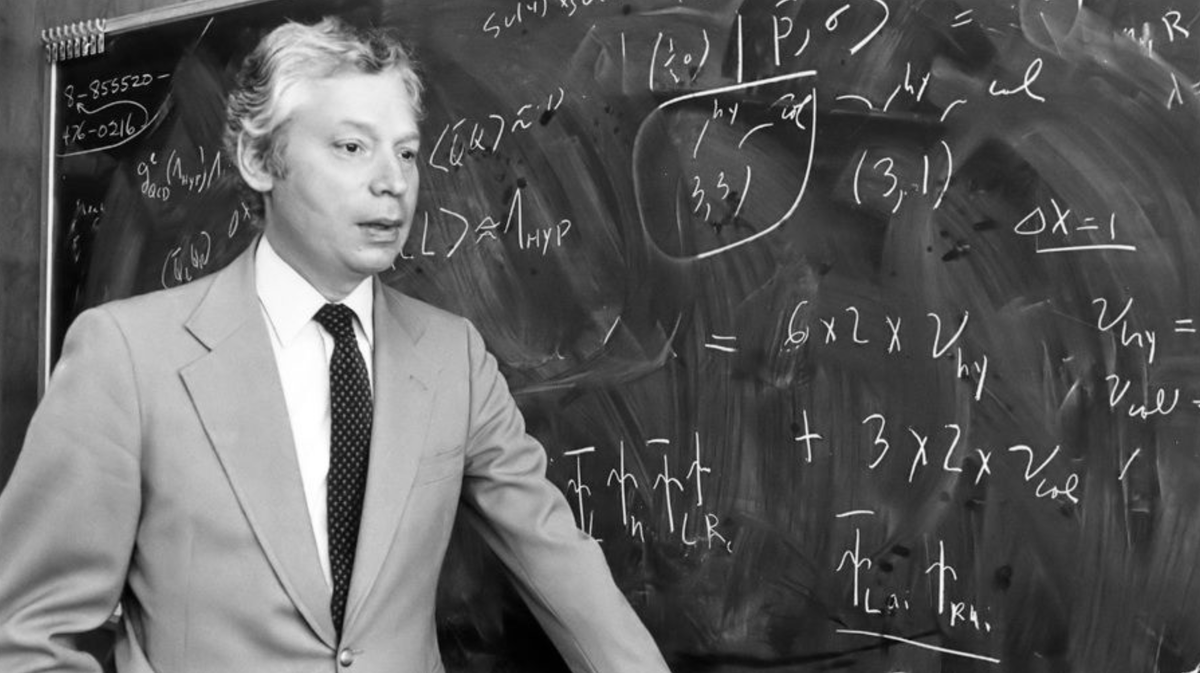
"There is a spooky quality about the ability of mathematicians to get there ahead of physicists. It's as if when Neil Armstrong first landed on the moon he found in the lunar dust the footsteps of Jules Verne" - Steven Weinberg on old math being applied in physics
@RikEekelen@bwmol It may sometimes make sense to use an index, or ratio of two variables, if it represents a biological concept that is not directly observable. Thinking of Free Androgen Index (FAI)
@analisereal@clwatsonecon@causalinf I think the problem is that someone who has causal or functional knowledge on the problem at hand, wants to check whether the results are in accordance with that knowledge. The ‘shape of the expectation function’ will be needed in that respect.
My first short paper on cross-section of deep learning, causal inference and medical imaging, presented last week at the AAAI-WHY 2019 spring symposium, now online: https://t.co/aq8mLmmmWI
with @ReneEijkemans; thanks @eliasbareinboim for hosting and @yudapearl for inspiration!
‘Dynamic prediction for pregnancy model performed well in external validation study’, by our collegues Rik van Eekelen and Nan van Geloven! Read more: https://t.co/tWxEEtUM6H
Editorial: Referees have the right to view the data and code that underlie a work if it would help in the evaluation, even if these have not been provided with the submission. Few referees exercise this right. They should do so. https://t.co/JJFAQpjo8Y
My mate has two tickets for the England vs Sweden game on Saturday. He didn't realise that it's going to be on the same day as his wedding, so he can't go. If you're interested and want to go instead of him, it's at St. Andrew's Church in Cambridge and her name is Sarah
@TPA_Debray@MaartenvSmeden This happenend to Keith Baggerly when he submitted his paper about the gross errors in the Potti paper to Ann Appl Stat (2009). Editor Brad Efron