For over 30 years, the Center for Reproductive Rights has used the power of law to advance reproductive rights as fundamental human rights around the world.
We’re pleased to share the third issue of our 2026 Quarterly Newsletter.
This issue highlights key legal and policy milestones, regional and global engagements, partnerships and ongoing efforts to advance sexual and reproductive health and rights across Africa.
Read the here: https://t.co/p4Tsr4M0up
The Center has been recognised at the 2026 PILnet Global Forum, receiving the 2026 PILnet Popular Choice Pro Bono Award for our contribution to the development of the East Africa Pro Bono Guidelines.
This recognition celebrates our collective efforts in advancing pro bono practice and strengthening access to justice across the East African region. It is a proud moment for for us and a testament to the power of collaboration and partnership in building a stronger, more sustainable pro bono culture in the region.
Congratulations to all our partners for making this achievement possible!
Why is decriminalization important?
- It allows access to life-saving care.
- It removes stigma, discrimination and fear.
- It enables healthcare providers to offer safe, timely care.
- It protects health, dignity and fundamental human rights.
Because everyone deserves access to care without judgement, fear or punishment.
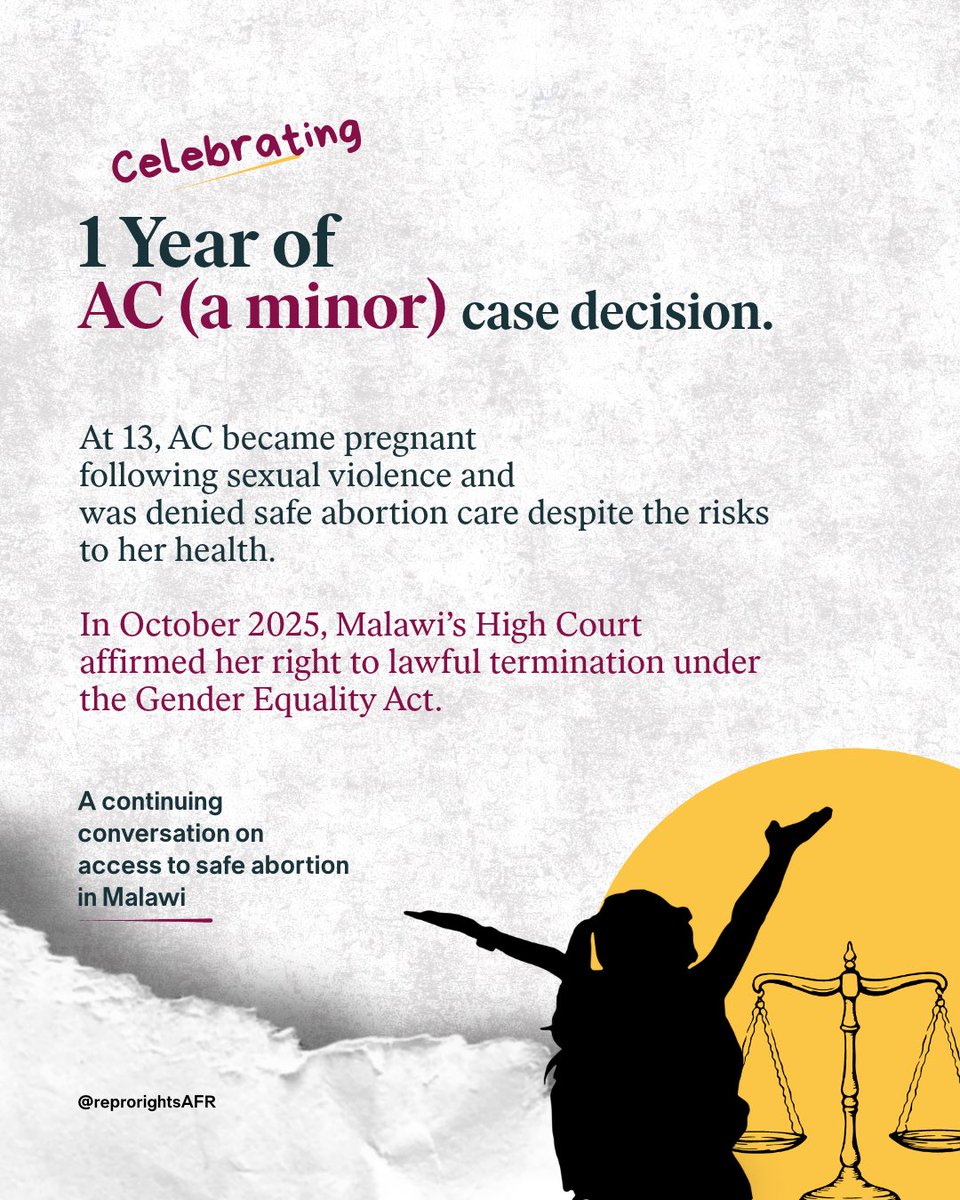
One year ago, the High Court of Malawi delivered a landmark judgment affirming the reproductive rights of child survivors of sexual violence and clarifying their right to access safe abortion care under the Gender Equality Act.
This documentary tells the story of AC (a minor), a survivor of sexual violence and her legal fight to access justice in Malawi. One year on, we reflect on the significance of this judgment and the continued push for its implementation to ensure that every girl can access the care, protection and justice she deserves.
Watch the full documentary: https://t.co/hRlR4oFDQH
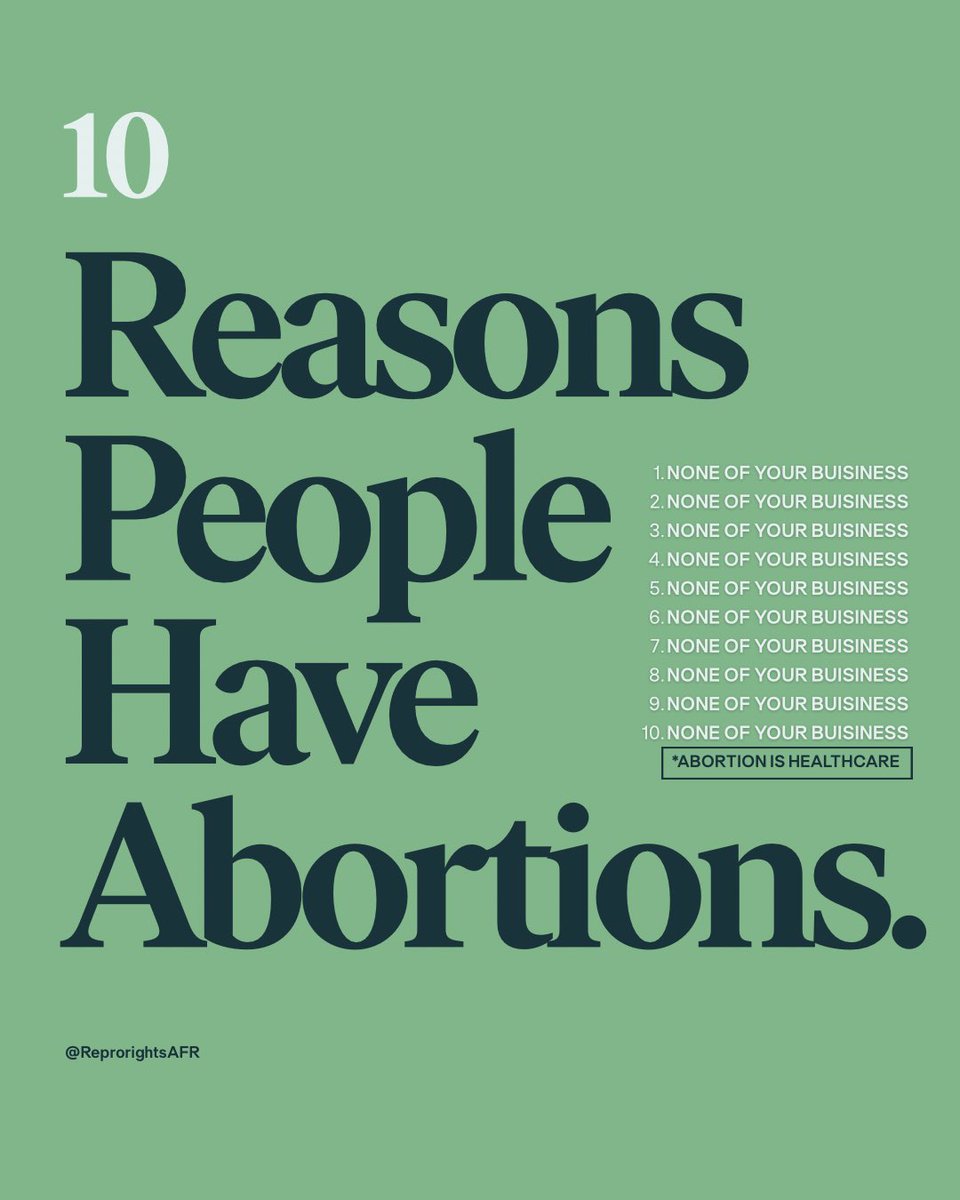
Abortion is a healthcare decision, not a matter of public scrutiny. Everyone deserves the freedom, privacy and dignity to make decisions about their own body and reproductive health.
A court ruling can have consequences far beyond the courtroom. In his latest opinion piece for People Daily, Martin Onyango, Associate Director for Africa Legal Strategies at the Center for Reproductive Rights, examines the implications of the Court of Appeal’s April 2026 ruling in the Malindi case. The ruling raises an important question: what happens when constitutional rights are narrowed in ways that make access to healthcare more difficult? Read the full Op-ed.
In October 2025, Malawi’s High Court delivered a landmark judgment in AC (a Minor) case, affirming that survivors of sexual violence have an automatic right to access abortion services under Malawi’s Gender Equality Act.
The judgment marked a significant step for reproductive rights in Malawi, opening up long-overdue conversations on access to safe abortion care and the rights of girls and women, particularly those who become pregnant from sexual violence.
One year on, the Center and partners in Malawi continue to advocate for the implementation of the decision and promulgates standards and guidelines for abortion care to translate the legal protections into reality.
How can we ensure adolescents access sexual and reproductive healthcare without fear, stigma or unnecessary barriers?
In this article in the @TheStarKenya , Elsy Sainna, Associate Director of Advocacy and External Relations for Africa at the Center for Reproductive Rights, highlights the legal protections that safeguard young people’s health, privacy, equality and dignity in Kenya.
She calls for clearer guidance for healthcare providers, confidential and youth-friendly services, comprehensive sexuality education and meaningful adolescent participation in decisions affecting their health.
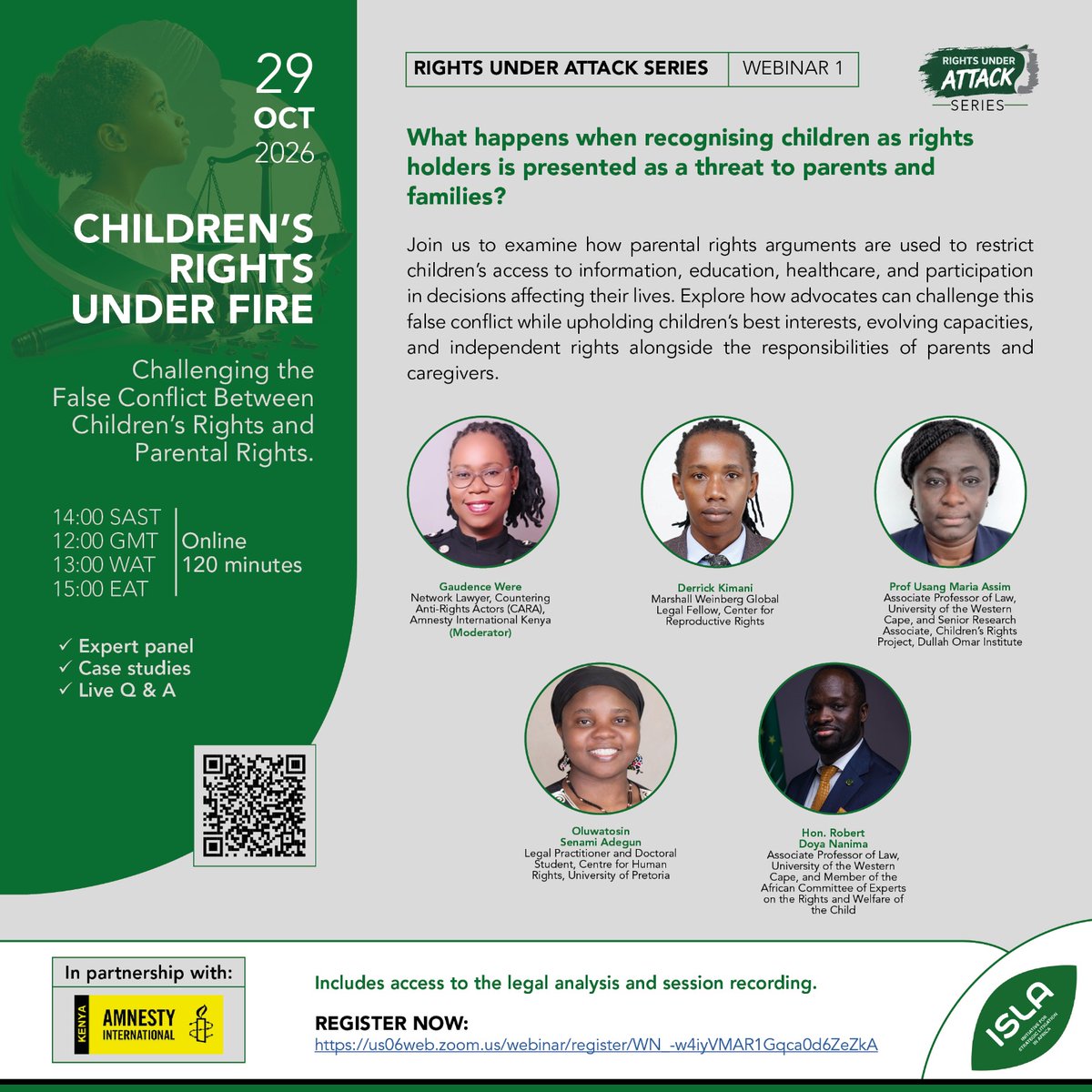
Who gets silenced when control is called protection? Join Children’s Rights Under Fire to challenge the false conflict between children’s and parental rights.
29 Oct | 12:00 GMT
Register here, with access to the legal analysis and session recording: https://t.co/GeD8JaLFdb
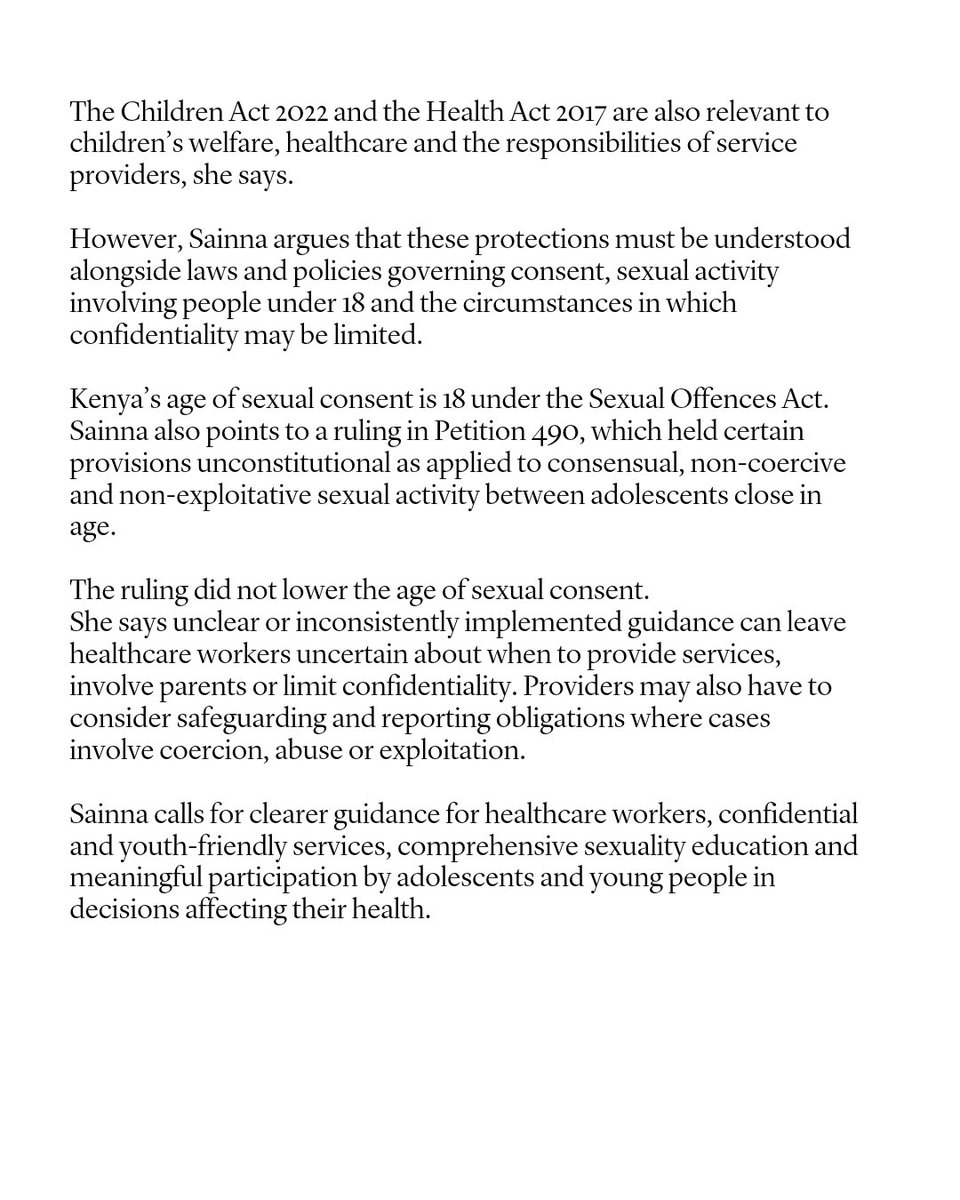
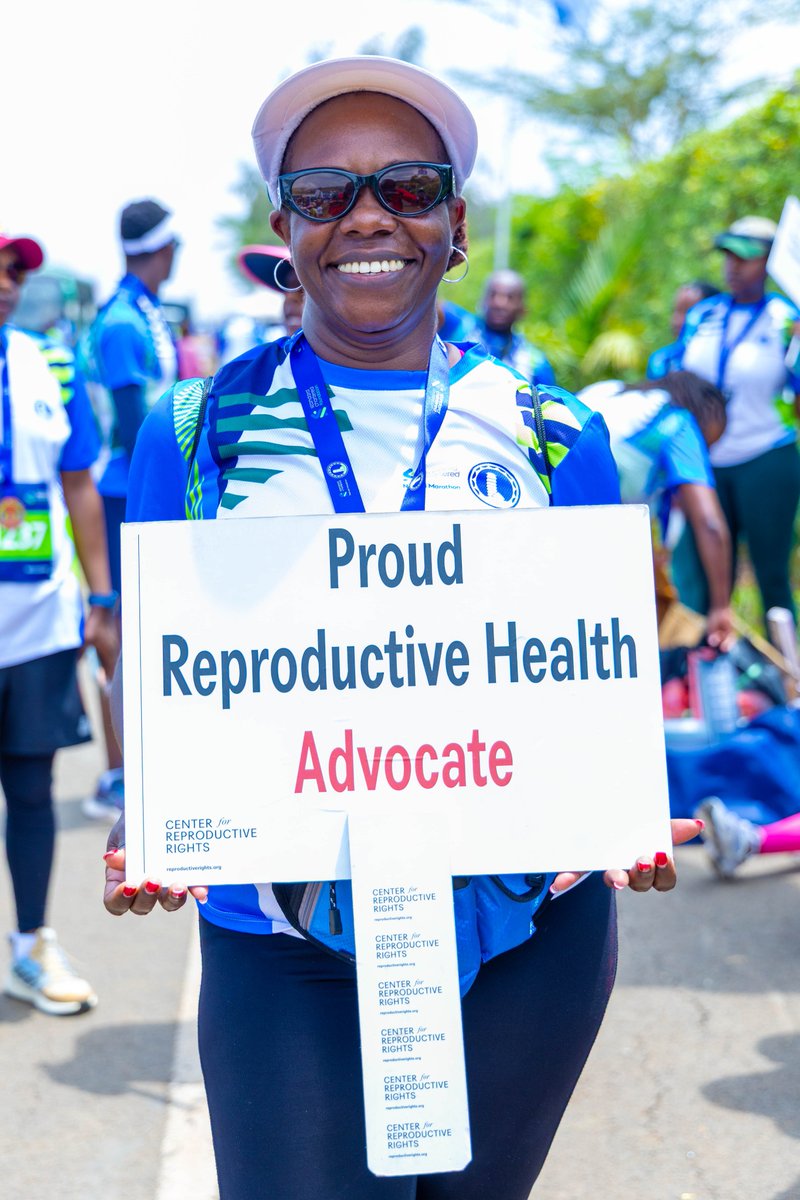
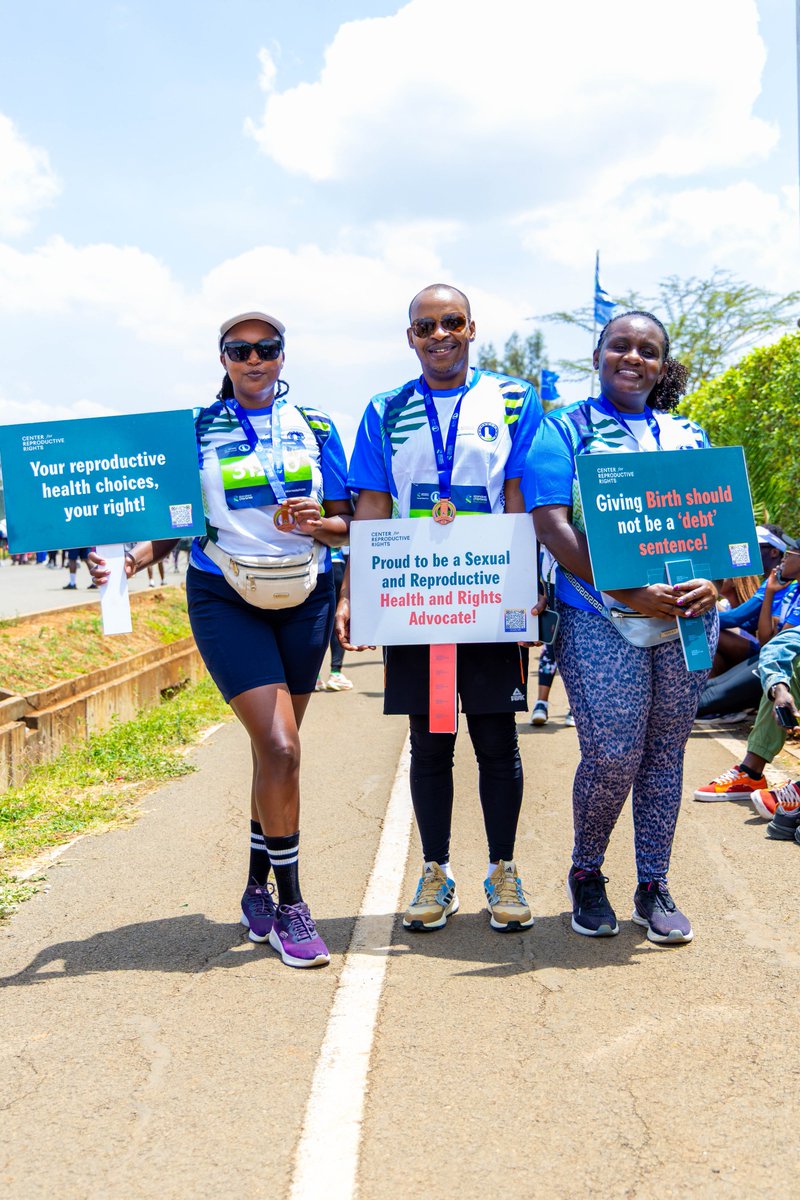
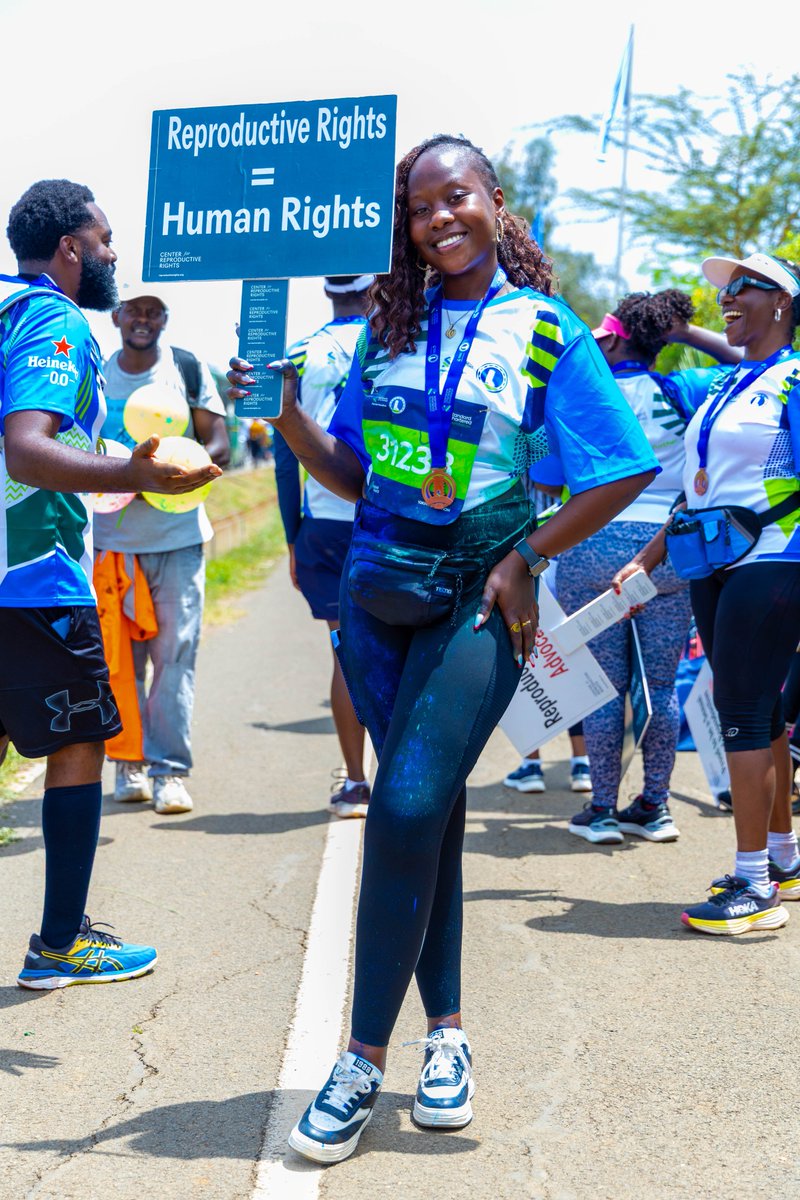
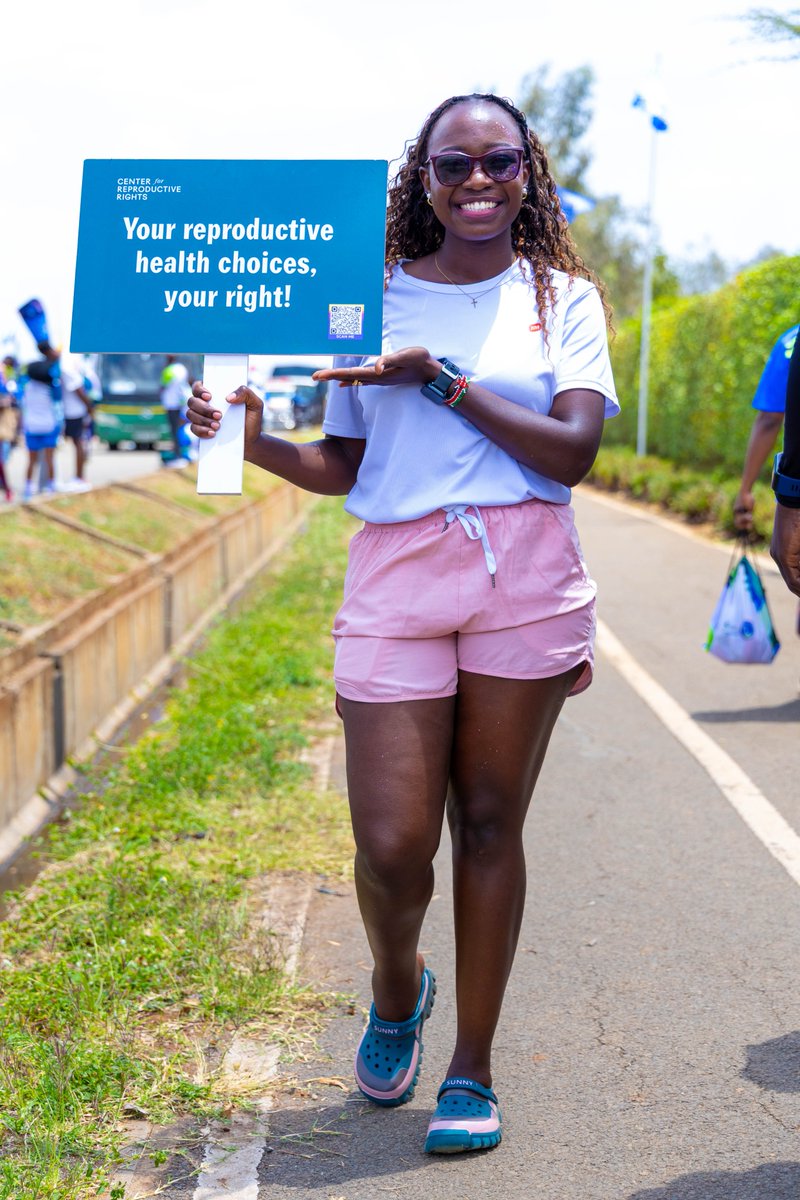
🏃🏽♀️🏃🏾♂️ We came for the miles, but we were running for something bigger! 💚
Yesterday, the Centre for Reproductive Rights hit the track at the #StanChartMarathon, bringing the energy, the vibe, and one important message: Reproductive rights are Fundamental Human Rights! ✊🏽
Every step was a chance to raise awareness, spark conversations, and remind the world that everyone deserves access to quality reproductive healthcare, dignity, and justice.
#StanChartMarathon #ReproRun
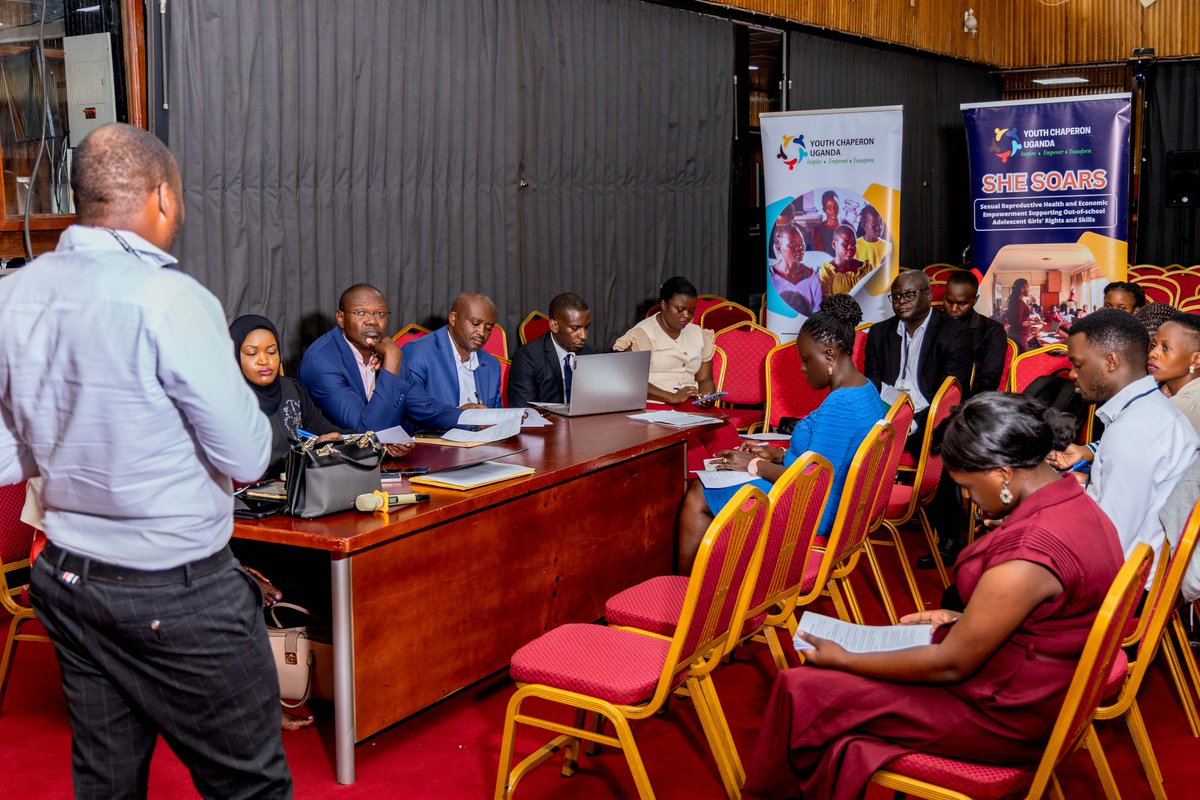
Through the SHE SOARS project, the Centre for Reproductive Rights, together with our Uganda partners @ncduganda@worudet@youthchaperonug and other stakeholders, we engaged the Uganda Parliamentary Forum to End Child Marriage and Teenage Pregnancy to strengthen advocacy for learners’ rights.
Discussions focused on promoting respectful pregnancy testing procedures in schools and reviewing school re-entry guidelines to ensure pregnant learners can continue their education without unnecessary barriers.
We remain committed to working with parliamentarians and other stakeholders to advance policies and practices that uphold learners’ dignity and rights and ensure pregnancy does not become a barrier to education.
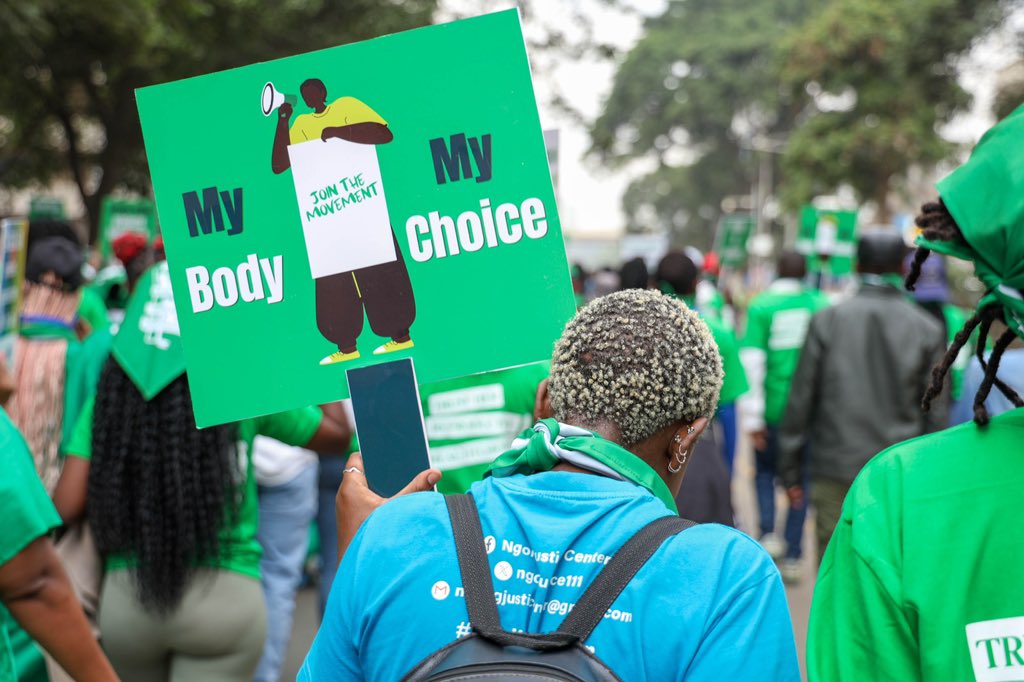
Bodily autonomy means having the freedom to make decisions about your own body, reproductive choices and future. 💚
Every voice matters in the movement for reproductive rights. Together, we can challenge stigma, defend choice and advance access to safe, respectful reproductive healthcare.
Across Africa, many adolescents face barriers to the information, services and choices they need to make informed decisions about their sexual and reproductive health and rights.
Through the SHE SOARS project, girls and boys are speaking up about their needs, and healthcare providers are listening. Across Kenya, Uganda and Zambia, efforts to make health services more youth-friendly are helping challenge stigma and improve access to SRHR care.
At the Center for Reproductive Rights, we believe every young person deserves the right and accurate information, support and freedom to make decisions about their health and future.
#shesoars #reproductiverights
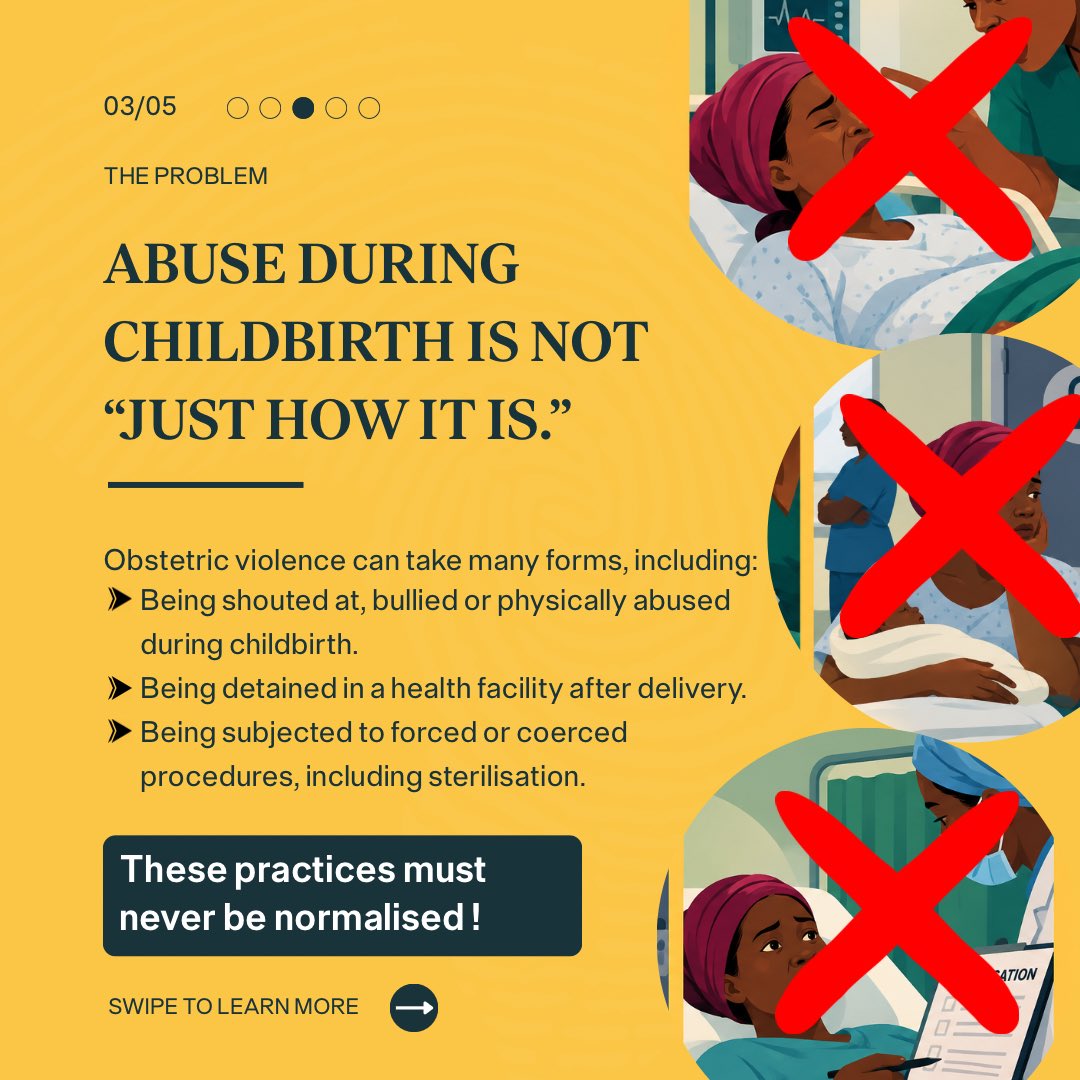
Obstetric violence remains a critical concern for women’s rights and respectful maternal healthcare across Africa.
During the 89th Ordinary Session of the ACHPR, stakeholders convened to review the draft Guidelines on the Elimination of Obstetric Violence and the Promotion of Respectful Maternal Healthcare in Africa, sharing perspectives and recommendations to strengthen protections for women during pregnancy and childbirth.
The goal: maternal healthcare that upholds dignity, respects autonomy and protects human rights.
Childbirth should never cost a woman her dignity.
Obstetric violence, from abuse during childbirth to non-consensual procedures and detention in health facilities, undermines women’s rights and dignity.
The African Commission’s Resolution 625 of 2025 called for guidelines to eliminate obstetric violence and promote respectful maternal healthcare across Africa.
Every woman deserves care that upholds her dignity, respects her choices and protects her rights.
Follow us for more updates.
During the 89th Ordinary Session of the African Commission on Human and Peoples’ Rights (ACHPR), the Center for Reproductive Rights (CRR) delivered an oral statement commending the Commission’s progress in implementing Resolution 625 of 2025 and their work towards developing guidelines for the elimination of obstetric violence and the promotion of respectful maternal health.
The Center also urged the Commission to call on States Parties to ensure legal coherence between national frameworks governing access to abortion and Article 14 of the Maputo Protocol, fully implement its provisions and remove legal, policy, financial and administrative barriers to contraception.
Read the statement: https://t.co/CSgvkLZAHm
"If you remember one thing from me today, let it be this: Implementation is not an event. It is a habit, and National Human Rights Institutions can be the reminder that never switches off."
@timothy_thondu
Legal Adviser, Africa - Center for Reproductive Rights
How can regional human rights decisions translate into meaningful change for children at the national level?
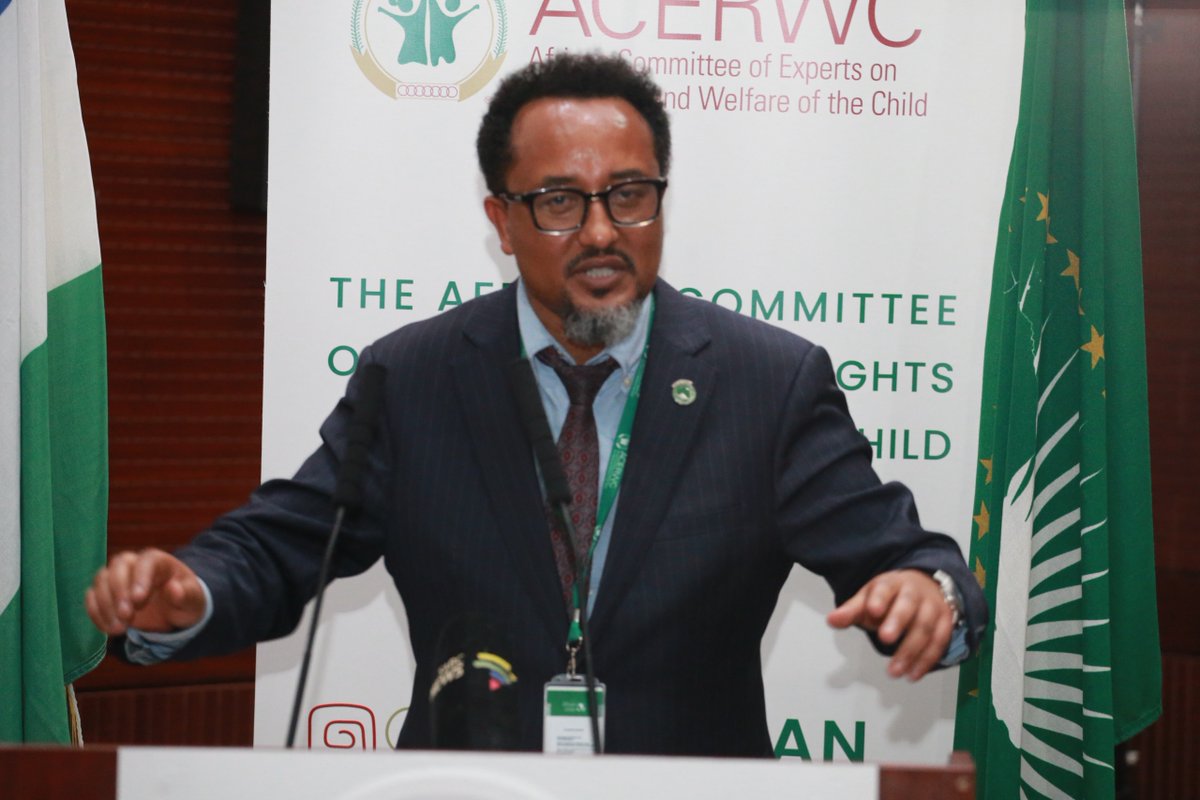
During a side event organized by the Network of African National Human Rights Institutions @NANHRI40 and the @RWallenbergInst (RWI), held on the margins of the 48th Ordinary Session of the African Committee of Experts on the Rights and Welfare of the Child @acerwc in Maseru, Lesotho, @timothy_thondu , Legal Adviser at the Centre for Reproductive Rights, joined fellow panelists to discuss progress, challenges and opportunities in implementing the Committee’s decisions.
The discussion highlighted the importance of strengthening national follow up, institutional accountability and collaboration to ensure that decisions and recommendations translate into tangible protections for children’s rights across Africa.