Octobre Rose se présente comme une campagne de prévention, mais elle vous invite surtout à vous faire dépister.
Son histoire explique pourquoi : le mois de sensibilisation au cancer du sein a été cofondé en 1985 par la branche pharmaceutique d’Imperial Chemical Industries, qui vendait le principal médicament contre ce cancer tout en produisant des organochlorés comme le DDT et des pesticides comme le paraquat, avant de devenir AstraZeneca puis de donner naissance à Syngenta. En France, la campagne a été lancée par Estée Lauder et reste coordonnée par une association présidée par le président d’Estée Lauder France.
Un dépistage ne prévient pas un cancer, il le trouve quand il est déjà là, avec son lot de faux positifs et de surdiagnostics. La vraie prévention passe aussi par les causes environnementales, perturbateurs endocriniens, pollution de l’air et pesticides, et c’est aux pouvoirs publics d’agir, alors même que le Parlement vient de réintroduire un insecticide interdit en France.
Sources : Breast Cancer Action, Santé publique France (étude Esteban), Centre Léon Bérard (étude XENAIR), Inserm (expertise collective sur les pesticides, 2021), Ruban Rose, Cour de justice de l’Ontario (13 janvier 2026).
Cervical Smears
Did you know they’re not actually necessary for most people? The painful but I mean.
The first step in a cervical cancer check is to look for active HPV virus 🦠
This can be done at home, with a simple swab - no invasive procedure. You can buy test kits online.
@HealthwatchE It has nothing to do with men's views. It has everything to do with the specificity and sensitivity of the test, and the risk of overdiagnosis and underdiagnosis. If the test isn't fit for purpose, it will end up causing harm. Both physical and psychological.
📣 Smash a Melon, NOT My Boob! is a social media challenge questioning the status quo of breast cancer screening.
🍈 Join us in the Smash a Melon! It’s time to smash the myths, not the women. #SmashAMelon
💥 Learn more at https://t.co/NQUMiuG6Ef
@MichaelBaum11 Yet another article on screening that doesn't mention cervical screening; a test that isn't even looking for cancer, but rather "abnormal cells" that might, one day, perhaps, become cancerous. May as well flay us all to avoid skin cancer!
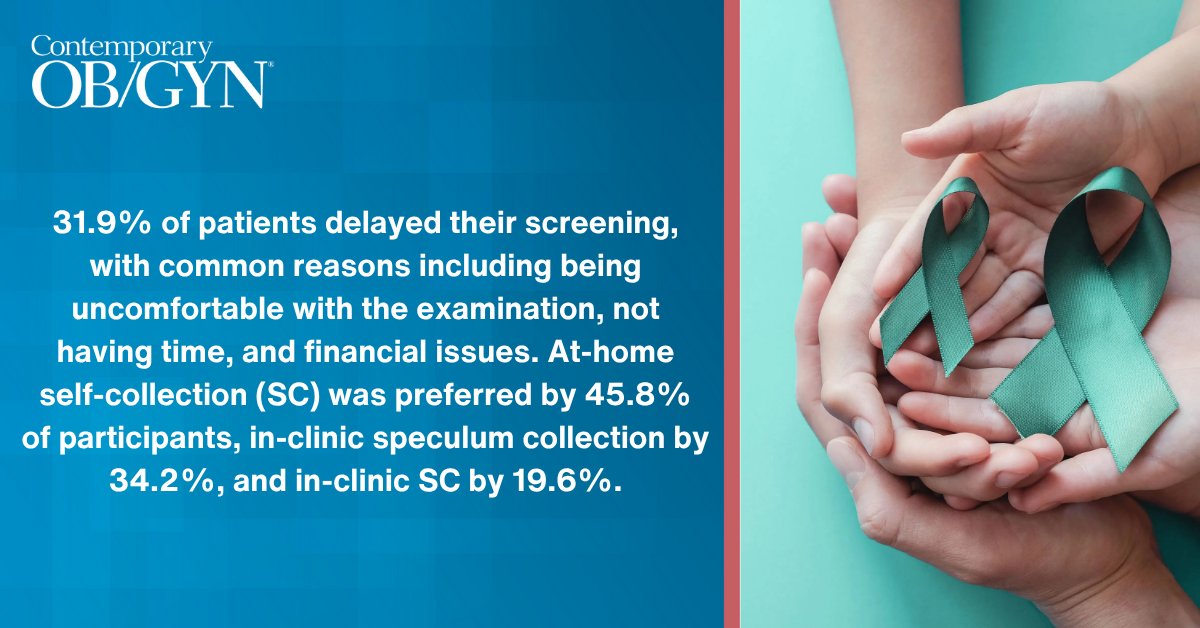
A new study shows that a self-collected #cervicalcancer screening device is highly accurate, easy to use, and preferred over clinician collection. https://t.co/g0k1p0ycUR
More women lose a breast when they go to screening than if not. And they don’t live longer. So dear women, skip screening and leave your breasts where they are. This was a draft frontpage for my freely available 2024 book I didn’t use. The British use cups to cover the butter.
@NorthernCancer So 10% of results are abnormal, yet the LIFETIME risk of developing cervical cancer is ~0.7%. Overdiagnosis and overtreatment are rife.
Women with in-depth understanding of harms of overdiagnosis & overRx confidently decline breast screening & it adds to their dissatisfaction with the way NHSBSP present info. Good. Stop bullying us! @mgtmccartney@BreastCancerNow@trishgreenhalgh@pash22 https://t.co/wEQZTdl1dz
@NHSEngland There has never been an RCT that shows that cervical screening reduces deaths from cervical cancer. More info here: https://t.co/R7Ylp3E2j4