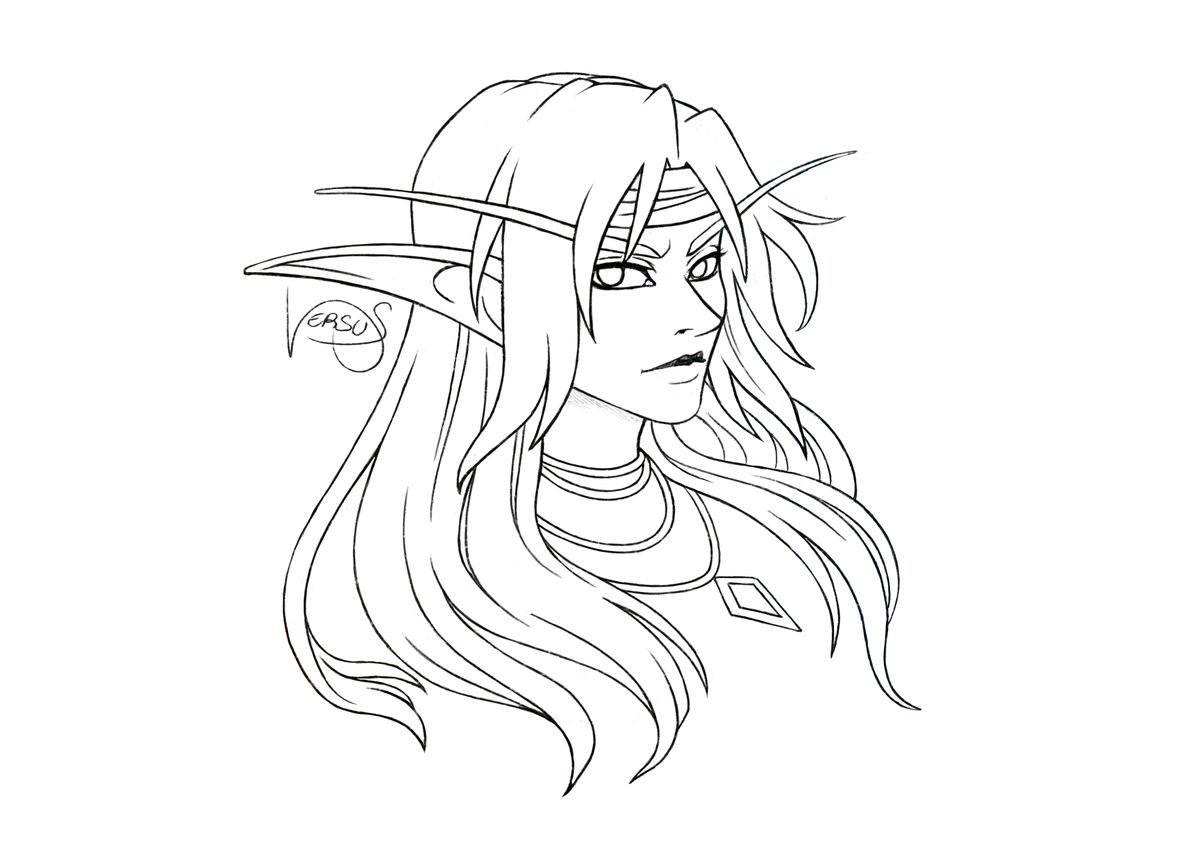
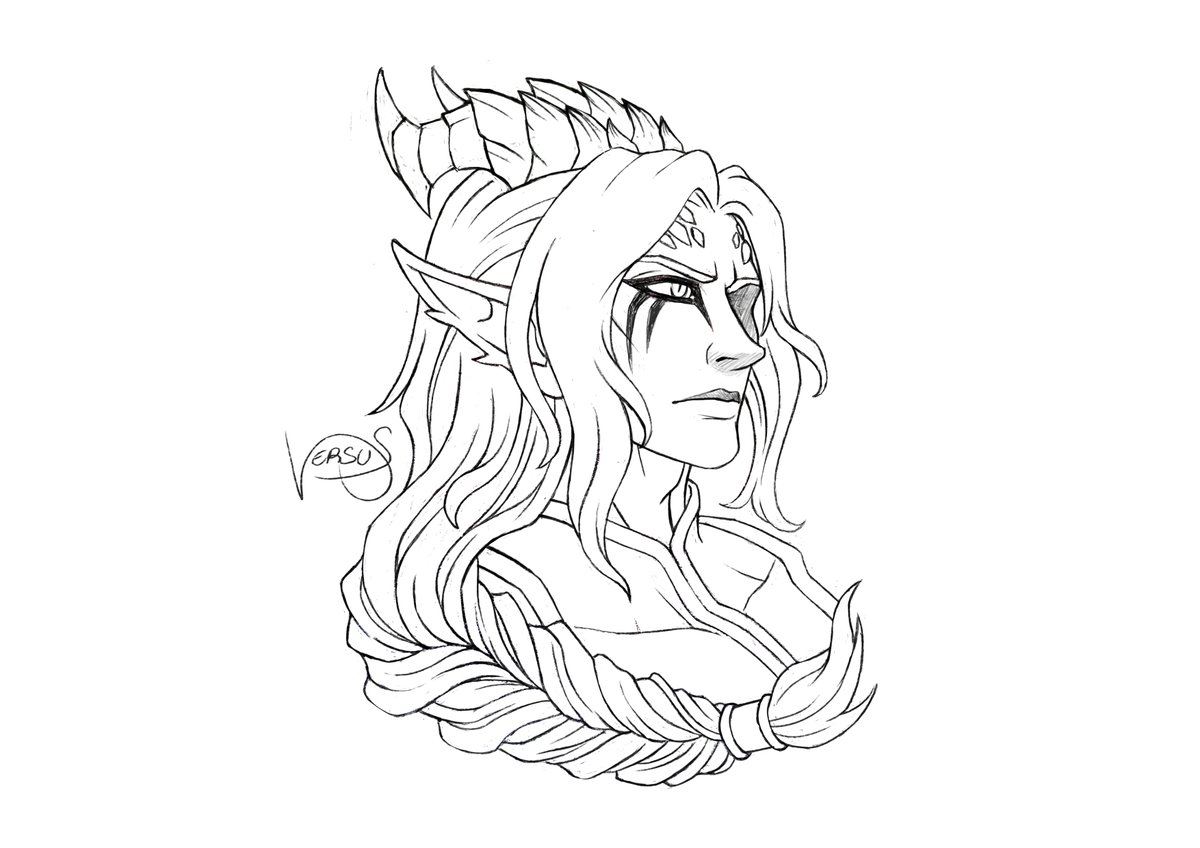
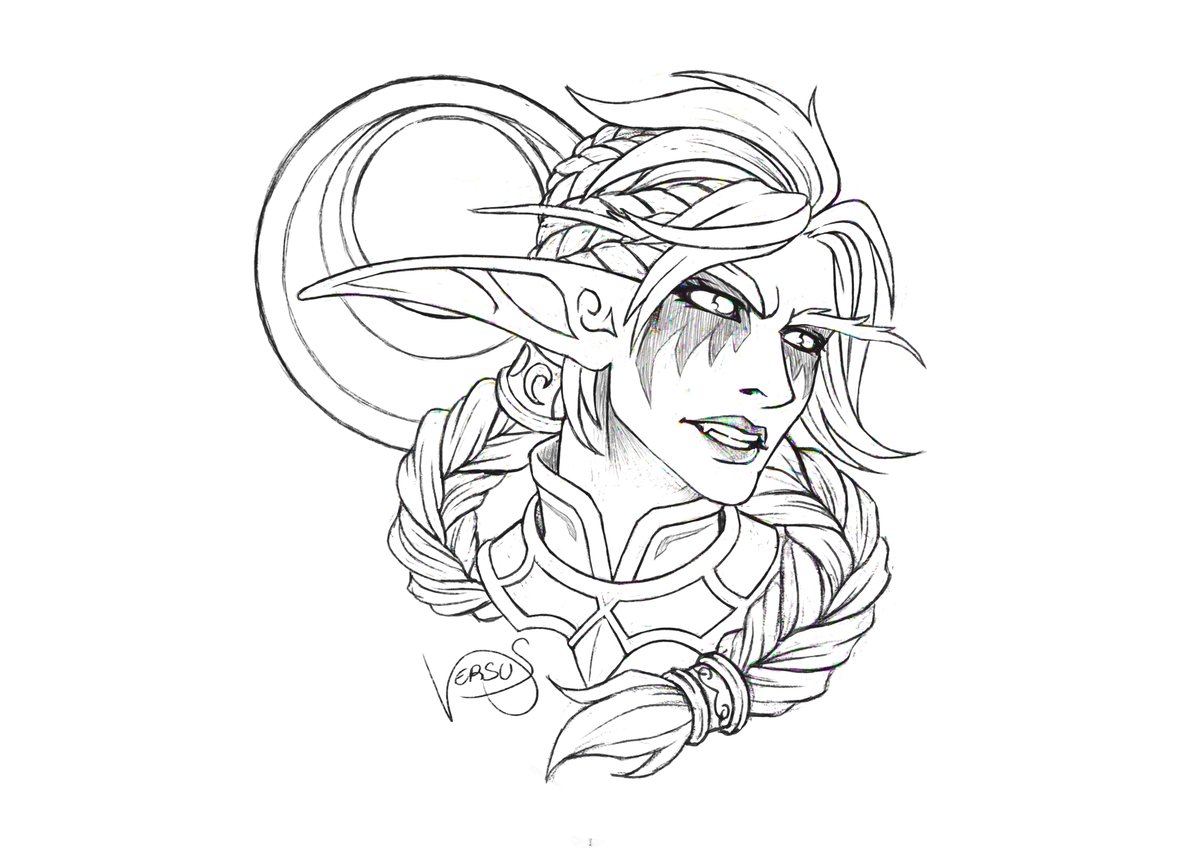
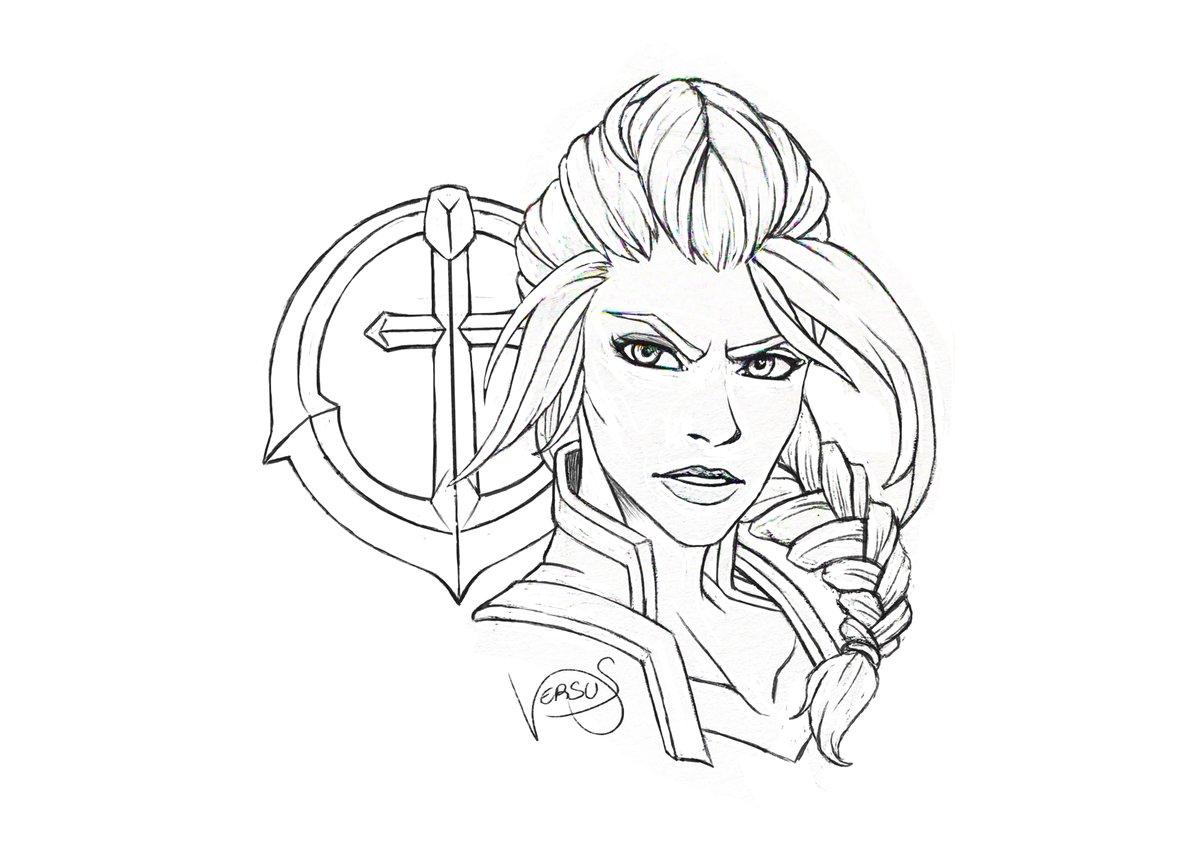
Salut à tous, je ressors du saloir pour vous annoncer que j'ai terminé deux mods pour le jeu The Curious Expedition
Vous trouverez dans ce fil les liens vers leurs page sur le steam workshop ainsi que pour télécharger les archives
(1/4)
Since I assume you are not familiar with game development, it is understandable that this may be difficult to grasp. Let me break this down a little and add some context to my previous post. (Though I would appreciate a little more reading comprehension as well.)
(1) The restructuring happened a year ago. That does not mean that this particular update took an entire year to develop.
(2) Even though I said that work on this update began last year, that does not mean it started exactly one year ago. As I mentioned before, this update is simply one of many updates and pieces of additional content that Nakatsu and Nakabayashi had been continuously working on in parallel. Some of them may have started as early as November or December of last year, while others likely began development in January or February of this year.
(3) Some people looked at the timing of Nakatsu’s and Nakabayashi’s departures and started making the rather strange assumption that “Nakatsu (or Nakabayashi) had nothing to do with this update.” So I added a clarification that they did, in fact, work on the final update before leaving the company. (That wasn’t the only point I was making, but it was one of them.)
(4) More importantly, some people seem eager to pick out individual developers by name and build narratives, assumptions, or judgments around them. That is not really the right way to look at game development. Games are made by teams. Rather than focusing on specific individuals, I would appreciate it if people evaluated the team as a whole.
(5) I also pointed out that many of the assumptions and conclusions people reach are, frankly, quite far off the mark. Depending on the topic, a surprising amount of the speculation I see is simply inaccurate. Before posting conclusions based on assumptions, it is worth taking a moment to think them through.
That is essentially what my previous post was explaining.
Having broken it down this far, I hope the point is now clear.
Besoin de votre soutien !🙏
J'ai ouvert un second compte pour mes production SFW @ArtofAgitwo ⬅️
Je sais qu'ici ça risque de beaucoup moins vous intéresser mais je pense que je vais beaucoup plus m'y amuser qu'ici 😅
Je pense que vous trouverez mon vrai potentiel en dessin 💪
Rather than clearly defined “rules,” Japan has a strong culture of unwritten expectations — manners, morals, and the overall atmosphere of a place.
For example, if you talk on the phone inside a train, people around you will look at you as if to say, “Seriously…?” It is also true that many tourists are confused by this.
Also, for example, I have visited more than 60 countries so far, and I still travel around quite a lot these days. Based on my own experience, in most countries, taxi drivers may talk to someone on the phone, or they may listen to or play music they like. But I have never seen a taxi driver in Japan driving while talking on the phone with family, a partner, or a friend. Music is generally not playing either. At most, you might occasionally find an elderly independent taxi driver playing the radio, but basically, unless the passenger requests something, the inside of the taxi is a quiet space. Well, taxi drivers from Kansai, such as Osaka or Nara where I was born and raised, may casually start talking to you, though.
In any case, it is true that Japan has many unwritten manners and Japanese-standard moral expectations depending on the place or space: don’t be noisy, stay quiet, line up properly, wait your turn, take off your shoes, arrange them neatly, take your trash home, and so on.
However, I think the idea of “when in Rome, do as the Romans do” exists to some extent in every country.
I go to the USA very often, and when a complete stranger gets into an elevator, that person may give me a light smile or casually say “Hi” to me. That happens, right?
Back when I was not used to that kind of culture yet — when I was in my teens or twenties — this was very confusing to me.
I asked my online gaming friends in the USA what the correct reaction was supposed to be, and they told me:
“We do that to show other people, basically without even consciously thinking about it, that ‘I’m not your enemy.’ It’s better than standing there silently with your arms crossed and an angry-looking face. It’s a way to avoid trouble.”
That conversation made me start trying, whenever I made eye contact with someone in a confined space, to raise my eyebrows a little and give a slight smile with my mouth. Though, to be honest, I often still fail to react in time.
Then, with that habit, I would return to Japan. When I made eye contact with a stranger entering an elevator and raised my eyebrows with a slight smile, they would look at me with a very suspicious expression, as if to say, “Uh… what is this guy doing?” Then I would suddenly remember, “Oh no, this is Japan!” After that, whether in elevators, hallways, or trains, I would switch back into a mode of either having no expression or pretending to be completely indifferent (Although, in Osaka, random older ladies and men around town may casually talk to you, so I switch into Osaka mode there. In other words, even within Japan, it may depend on the place).
I don’t think either side wants more and more rules to be created. But in the sense of treating each other with respect, I do think it is necessary for people to respect each other’s cultural customs.
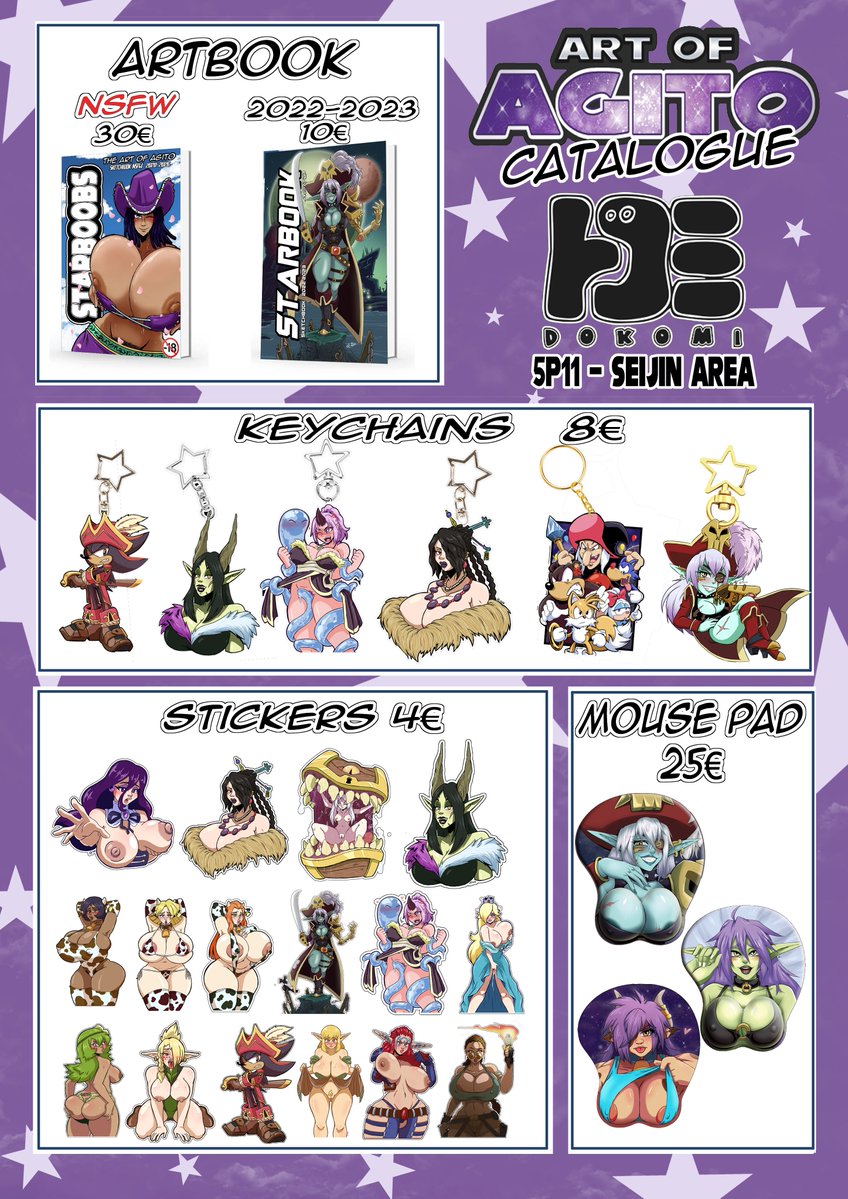
La #Dokomi2026 c'est Vendredi !!
Je vous laisse un dernier récapitulatif des infos de où me trouver et ce que vous pourrez trouver sur mon stand !
Un peu de stresse car je n'ai jamais fais de convention a l'étranger mais ça va le faire ! 😤
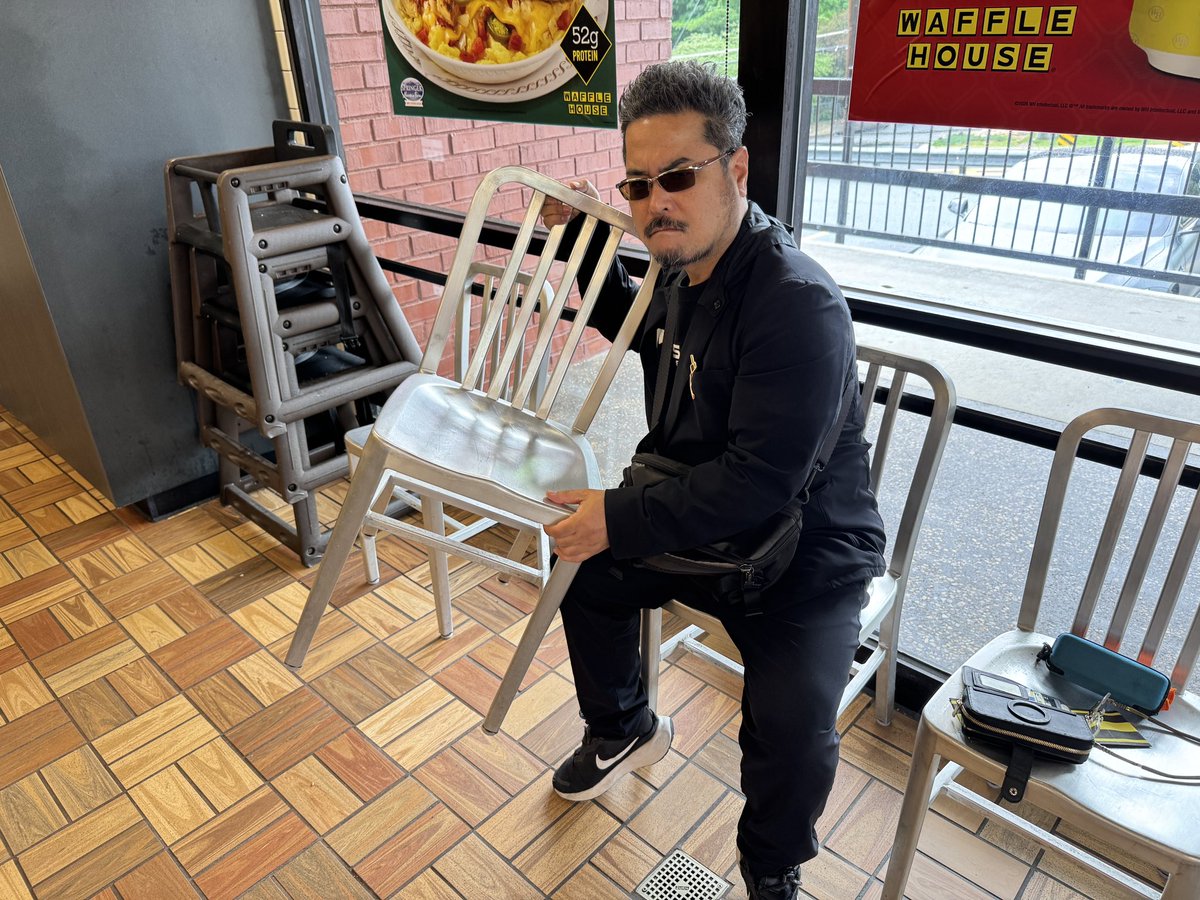
I finally made it to WAFFLE HOUSE.
The staff are always friendly, and when I asked if they would sell me a menu, they sold me one for $5.
Next time, I’ll be back at 3 a.m. for fight time.
#WAFFLEHOUSE