ד''ר ראובן בן דוד - אורולוג אונקולוג מנתח , המרכז הרפואי תל אביב (איכילוב)
Former SUO fellow - Icahn School of Medicine at Mount Sinai, NY
🏃♂️,🪁+🏄♂️,🏂, 🎿
Thanks to 400 registrants and great lectures by @RoyManoMD@ReubenBenDavid1 @hagailigumsky @yasminnatanoz @davidsarid and @dalitschneider for organizing a national conference for #bladdercancer awareness month (May)
https://t.co/g0yodhORR8
🔥@UrolOncol May issue!
Therapeutic efficacy of Gemcitabine/Docetaxel maintenance in patients with non-muscle-invasive bladder cancer receiving initial Bacillus Calmette-Guérin induction by @Kaushik_Prabhav and @DrJohnSfakianos et al
🔗https://t.co/iN3LKm4cLK
Debate 6 at the @IBCG_BladderCA@AmerUrological#BladderCancer Forum 🔔 May 17 | 2-5pm | #AUA2026#AUA26
Systemic therapy in MIBC: follow the protocol or use risk-adapted therapy?
@AndreaNecchi : Sandwich therapy is the standard. Niagara and KN-905 have spoken.
@DrFelixGuerrero-Ramos: Risk-adapted adjuvant therapy is smarter. Treating everyone the same is overtreating some. ctDNA enters the chat.
@shilpaonc moderates. 🧬 #MIBC #Immunotherapy
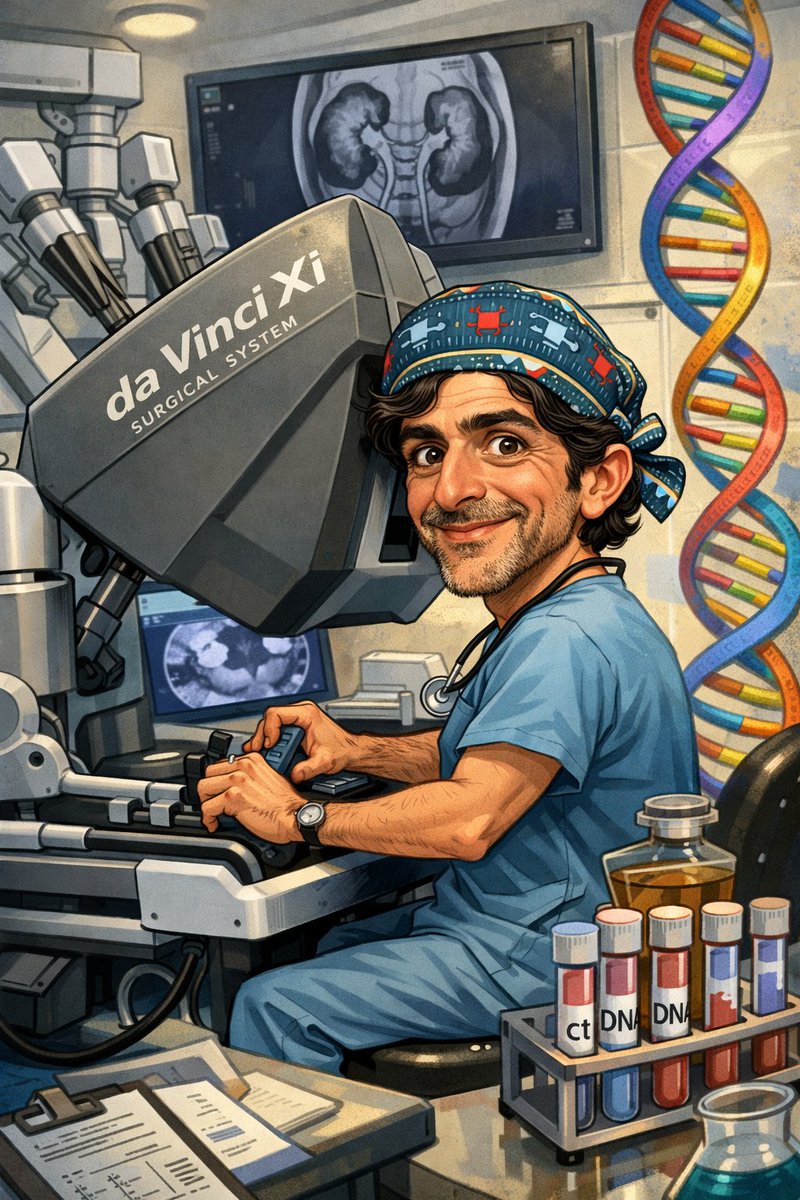
Les équipes médicales de l’hôpital Ichilov ont accompli une prouesse remarquable en chirurgie oncologique en réalisant, pour la première fois, une intervention robotisée d’une extrême complexité sans recourir à l’ouverture de la cavité abdominale. S’appuyant sur le système « da Vinci », elles ont mené à bien une opération rare consistant en l’exérèse du rein et de l’uretère, associée à celle de la vessie et de la prostate, tout en procédant à une dérivation urinaire par voie intestinale, le tout avec une précision millimétrique et au moyen de micro-incisions exclusivement.
Admis dans un état critique engageant son pronostic vital, le patient a bénéficié d’une évolution clinique remarquable : aucune transfusion sanguine n’a été requise, l’hémostase a été parfaitement maîtrisée, et la récupération post-opératoire s’est avérée particulièrement rapide, lui permettant une remise en déambulation en quelques jours et un retour précoce à domicile.
L’intervention a été conduite par le Dr Raanan Ben David, en étroite collaboration avec le service d’urologie dirigé par le professeur Ofer Yossepowitch. Ils soulignent que la chirurgie robotique offre une précision opératoire supérieure et une réduction significative des complications par rapport aux approches conventionnelles. Cette avancée majeure constitue un jalon déterminant dans l’évolution des pratiques chirurgicales et témoigne de l’excellence et du dynamisme de l’innovation médicale en Israël.
#InnovationMédicale #ChirurgieRobotique
@ichilov_tlv
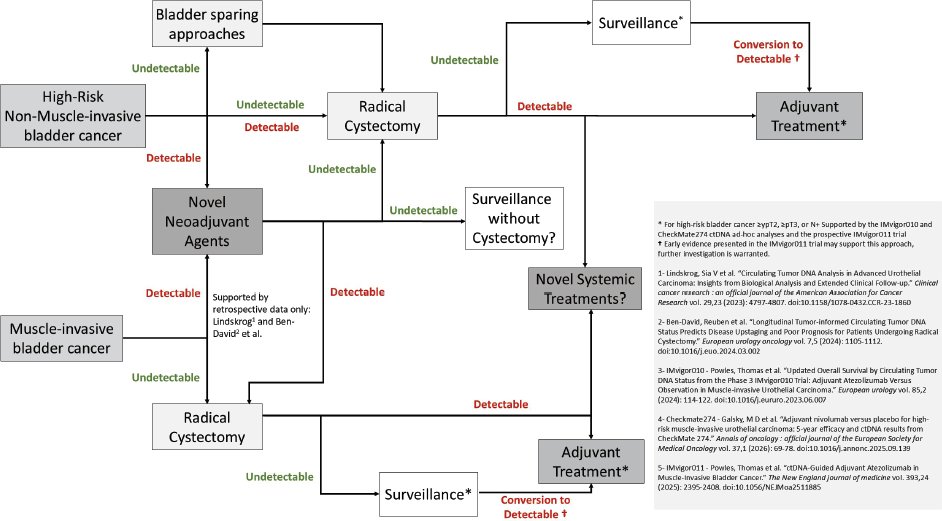
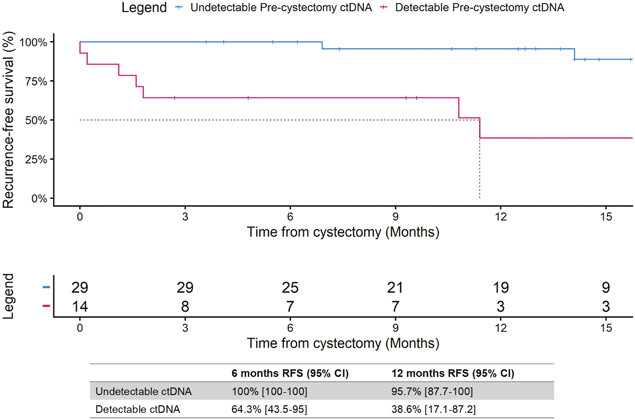
Our take @DrJohnSfakianos on where we at currently with tumor-informed ctDNA in bladder cancer and where we might be heading in the future.
Exciting news for bladder cancer patients!
https://t.co/eAvHZ7Ro4J
@alirezaghoreifi@UrolOncol@DrChrisHoimes@hannahdzmd@michaelabern@AnkeetShahMD Great work, Alireza! In my personal experience, quite a substantial number of patients are on high-dose steroids due to AE related to this combination. Do you have any experience regarding tapering before surgery or increased complication rate, specifically among these patients?
@RicBertolo@DrSpratticus Radiation oncologists are trying to intelctualize on data while we see these patients weekly in the department. The question is, what treatment would you recommend to your father? The side effects and secondary malignancies associated with XRT are unpredictable and underreported.
Thank you @GUOncologyNow for highlighting our ctDNA study in RCC and for @MehrazinMD who is spearheading this investigation
#SUO25
Preoperative, Postoperative Detectable ctDNA Predicts Worse Prognosis in Patients with Renal Masses Suspicious for RCC https://t.co/T6AJvTzsUY
@ahmederaky Congrats! You have put a lot of effort and thought into this paper, on its own it may transform the way we use imaging protocols after cystectomy in patients with undetectable ctDNA. Well deserved!
@urotoday@IcahnMountSinai@zklaassen_md@GACancerCenter@UroOnc Integration of ctDNA use in the management of NMIBC is showing promise. Patients with detectable ctDNA are not advised to undergo local bladder preserving therapies and some should be even considered for neoadjuvant therapy, even at this early stage.
❗️A study by @ReubenBenDavid1 and colleagues presented at #SUO25 has found that in patients with localized non-metastatic #RCC, the presence of detectable pre-nephrectomy ctDNA and anytime post-nephrectomy ctDNA had worse RFS: https://t.co/e3lblfdtZI