Engineering reuse requires more than repositories
In our past webinar, we explored how AI-powered semantic technologies help teams identify reusable assets, maintain consistency, and reduce repeated effort
Watch the recording and download the slides:
https://t.co/kNgWkV0SRc
A requirement changes. Do you know what design elements, tests, risks, and deliverables are affected?
Our new blog explores why Traceability Matrices remain critical especially as spreadsheet-based traceability becomes harder to maintain at scale
https://t.co/FCllEHeOI5
You already have more reusable engineering knowledge than you think!
The problem is that across complex tool ecosystems, it becomes difficult to discover, connect, and confidently reuse
See how AI-powered semantic technologies and our approac change that
https://t.co/kNgWkV0l1E
Engineering teams often recreate knowledge that already exists fragmented and forgotten across tools and teams
Join us May 28 to see how you can enable interoperability, reduce rework, and build a connected engineering ecosystem powered by reuse
https://t.co/kNgWkV0l1E
This webinar sparked a bigger conversation than we expected!
Although it brings speed, teams are now facing the harder part about AI: maintaining control, traceability, consistency, and quality once AI enters the workflow
Recording + slides now available:
https://t.co/2dvTwgyLtt
Manual trace links = fragile traceability. One change lands… and impact analysis can miss connections
Demo: 2 Teamcenter docs (System → Control), Derives/Allocates, traceability matrix + semantic trace suggestions
Take a look at our tool in action!
https://t.co/ziAifV6q8r
GenAI can speed up requirements, but speed alone isn’t enough...
Validation, consistency, traceability, and context are critical
Join our upcoming webinar to see how structured practices + AI make requirements more reliable and controlled
https://t.co/2dvTwgydDV
GenAI introduces speed into requirements engineering Structure ensures it remains reliable
Join us to learn how to combine AI-assisted authoring with quality rules, traceability, and engineering practices to maintain control across the lifecycle!
https://t.co/2dvTwgydDV
Version 23.6 is here! LLM-powered traceability discovery, AI-based classification, built-in chat for model interaction, enhanced JIRA traceability + improvements across connectors (DOORS, JIRA, Cameo, Rhapsody, Capella) and interoperability
Full notes: https://t.co/MPnqVvYW5e
A Model Library means:
– No more rebuilding models
– Stronger traceability
– Faster development
– Fewer errors
– Better interoperability
See how to implement it in SES ENGINEERING Studio with our newest blogpost!
https://t.co/MQ6tFAUqxW
You can have well-written requirements.
But are you on top of their impact and connections?
See what changes when you:
• trace
• understand connections
• analyze impact
All in one web-based workflow.
Grab the webinar slides and recording https://t.co/Zbz13KljR7
This week: see how requirements move from writing to impact.
A step-by-step, web-based workflow where you:
write and improve requirements
connect them to needs and architecture
analyze impact and gaps
Using JIRA with RAT Online and SES Online.
https://t.co/Zbz13KlRGF
Traceability usually breaks after the requirement is written.
See how to keep it connected:
write → trace → analyze all in the same web workflow with JIRA + RAT Online → SES Online
Join our upcoming webinar!
https://t.co/Zbz13KljR7
#DigitalThread#RequirementsManagement
Behind every great system? A quality process that actually holds up.
We’re excited to share that we've achieved ISO 9001 certification after an independent audit by OCA Global
Read the full article to learn more about what this certification represents!
https://t.co/IrAP8cFHIC
Write → connect → analyze.
Most teams do this in separate steps.
What if it was one workflow?
See how requirements move from JIRA → traceability → impact analysis in one continuous flow. RAT Online + SES Online
https://t.co/Zbz13KljR7
Meet Hubertus Tummescheit at OMG Q1 2026 (Reston, attending Mar 24–26)
If you're working in systems engineering or MBSE, Let’s chat to compare how teams are solving:
• requirements ↔ models alignment
• traceability across tools
• making data reusable
In Reston? Let’s connect
Export → Reformat → Import → Validate
If your engineers are still exporting and reformatting data… you don’t have interoperability.
With SES ENGINEERING Studio, sync tools in seconds:
- No rewriting
- Instant updates
- Up to 40% faster
https://t.co/71OHSk5qGt
Digital engineering in defence is accelerating. But the real challenge isn’t in adopting new tools
It’s keeping engineering data:
-Consistent
-Connected
-Usable across teams, tools & the lifecycle
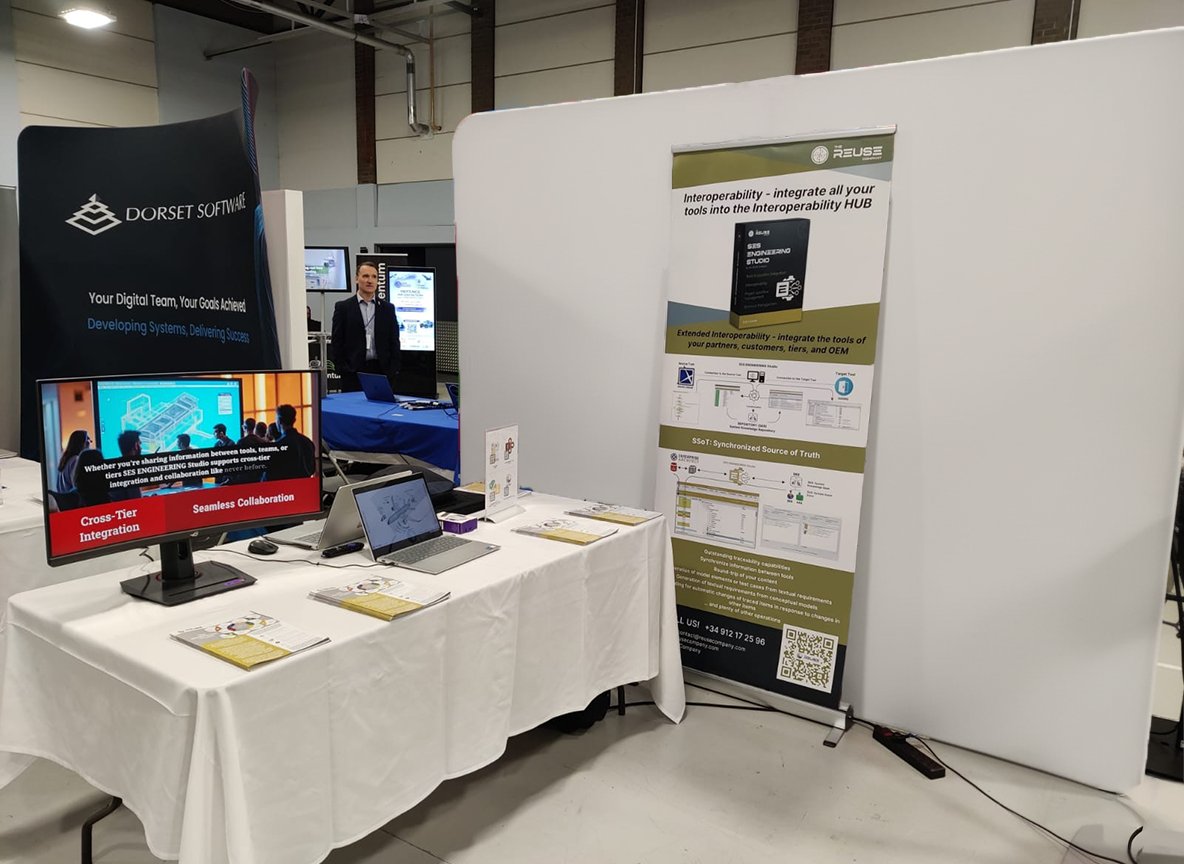
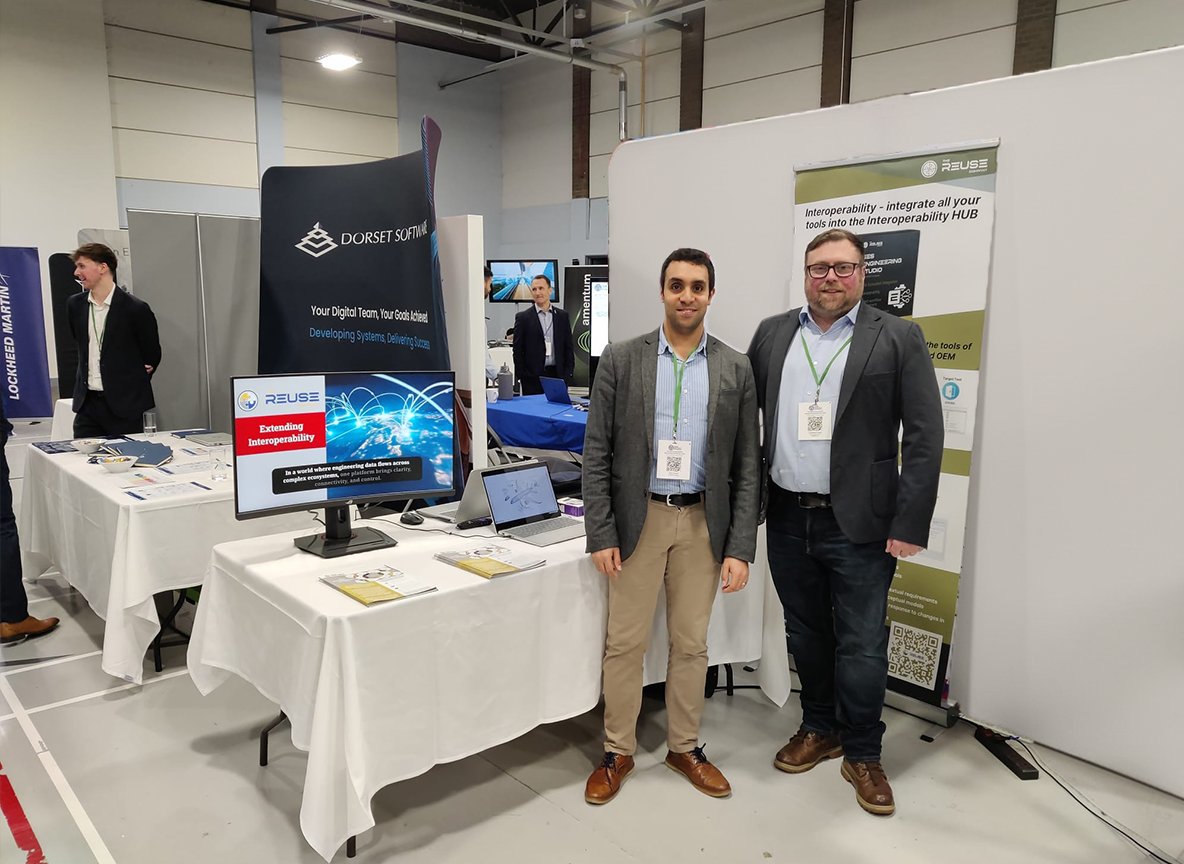
Great discussions at the NAD Group Digital Engineering Conference in Bristol!
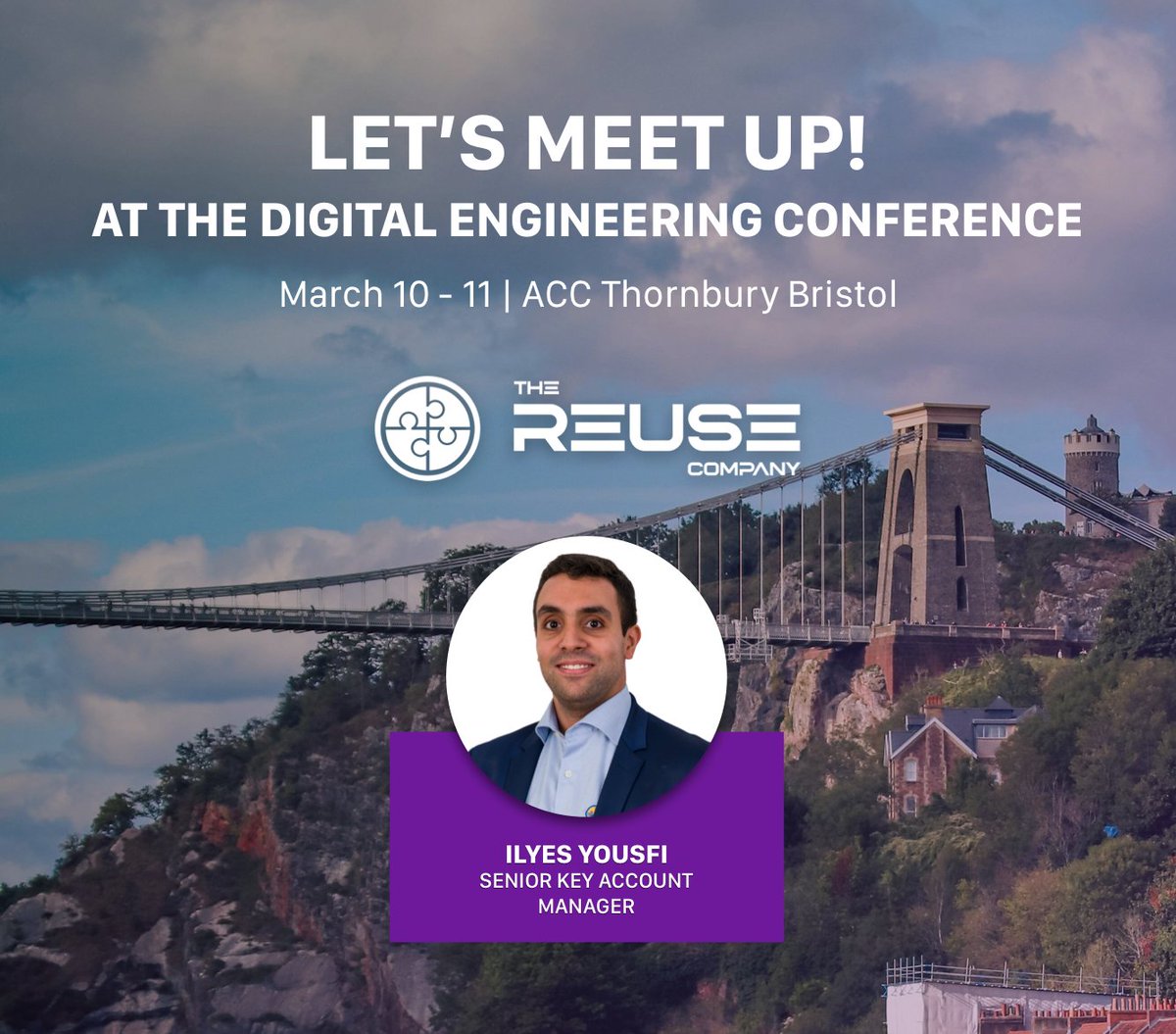
Catch Ilyes Yousfi at the Digital Engineering Conference in Bristol 10–11 March 2026
Let’s talk lifecycle data consistency, scalable MBSEm and born-digital requirements that stay usable through life!
Let's meet!
More details on our website:
https://t.co/FU9iH07we0
Document-based workflows can be structured and ISO-aligned!
See how SES ENGINEERING Studio enables traceability, baselining & governance across Word, Excel & PDF while supporting ISO 15288 & 29110
Grab the webinar recording and presentation slides!
https://t.co/WawDWeXloZ