https://t.co/TFNMlyNOdY
Pls donate if can, any donations will be massive big or small to help with treatment funding and finding new pathways abroad.
Brain cancer is the biggest killer of people under 40 in children and young adults and needs more recognition here in the uk.
In 2022, Verity Phillips was told she might have just 12 to 18 months to live after being diagnosed with glioblastoma. 💛 She went through two brain surgeries, radiotherapy and chemotherapy. Now, more than two years later, her scans remain stable.
But Verity knows how devastating a brain tumour diagnosis can be. “I've got four children. Why has this happened to me?”
That’s why she and her family have raised more than £7,000 for Brain Tumour Research, helping to support our Nottingham Centre of Excellence, where researchers are working to improve diagnosis and treatment for people with glioblastoma.
And now, we’ll be taking Verity’s story to the streets of Nottingham. On Sunday, Verity will be running the Robin Hood Half Marathon, helping raise vital funds for research at the very centre that means so much to Verity and her family.
Support Verity here: https://t.co/NtyISP6C6Q
Our team will be taking on the Robin Hood Half Marathon @RobinHoodHalf and Mini Marathon alongside our ambassador Anthony Bryan, helping raise vital funds for research right here in Nottingham.
If you’re in Nottingham this Sunday, why not come along, cheer us on and help us raise awareness of brain tumours? Every cheer, every conversation and every bit of support helps shine a light on this devastating disease.
#RobinHoodHalfMarathon #BrainTumourResearch #TogetherWeWillFindACure
“Every step forward has the potential to make a difference” 💛
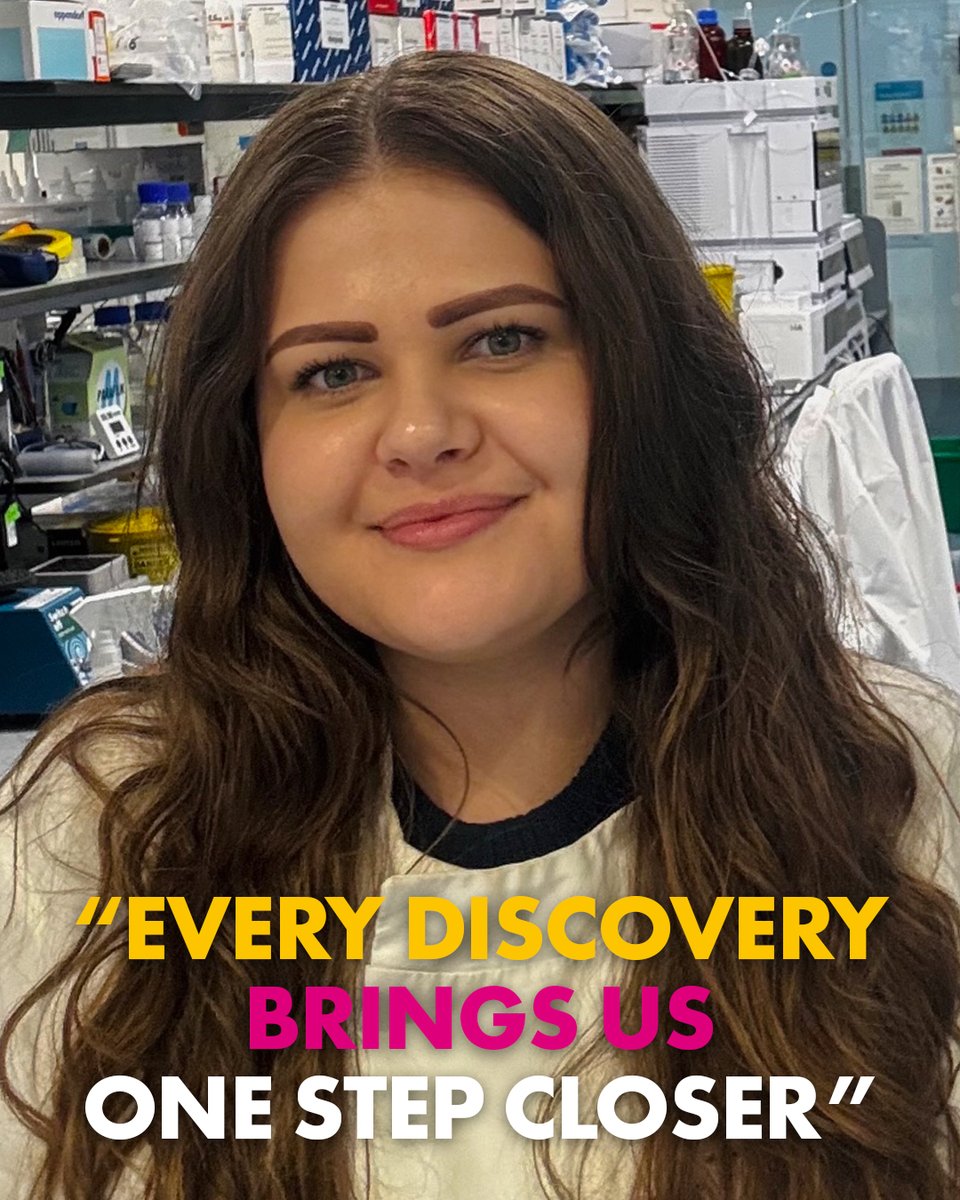
Researcher Ellie Lambri began pursuing a PhD after her dad was diagnosed with a brain tumour.
Her work focuses on medulloblastoma, the most common high-grade brain tumour in children, and she hopes it will “help more children not only survive but thrive after treatment”.
She is one of the researchers supported by Brain Tumour Research at our Centre of Excellence at @QMUL.
Ellie says meeting patients, families and supporters who visit the lab is “incredibly motivating and reinforces the importance of the work we do every day.”
“Scientific progress takes time, but every discovery brings us one step closer to more effective treatments with fewer long-term side effects,” she adds.
🔗 Donate to support research like Ellie's this Childhood Cancer Awareness month: https://t.co/pO1w0BJVl1
#BrainTumourResearch #TogetherWeWillFindACure #ChildhoodCancerAwarenessMonth
Clan McKie held a Walk of Hope for Brain Tumour Research in memory of Graham, who passed away 20 years ago aged 32.
He was diagnosed with a glioblastoma in January and died in August, just weeks after he was told a second tumour had been found. His parents, Don and Rachel, said they hope the funds they raise “could prevent other families from experiencing the pain we continue to feel”.
Clan McKie has raised more than £60,000 for Brain Tumour Research over the years, with their latest Walk of Hope raising over £3,400.
Click here to register your own walk and help fund vital research into brain tumours: https://t.co/khmD9hYBLg 💛
#WalkOfHope #TogetherWeWillFindACure #BrainTumourResearch
A third of children who die of cancer are killed by a brain tumour.
We know this needs to change, which is why scientists at our Centre of Excellence at @QMUL are working hard to develop more effective, kinder treatments to beat these tumours.
Donate now to help fund their vital research and give more children a chance of a future: https://t.co/HqaZuk7Tcf 💛
#BrainTumourResearch #ChildhoodCancerAwarenessMonth #TogetherWeWillFindACure
Brain tumours must be a specific priority in the National Cancer Plan for Wales.
Overall cancer deaths decreased by 20% between 2002 and 2025 in the nation, but no improvement was seen for brain cancer.
Joshua Smith, who has a glioblastoma, and our campaigns manager @SamBromiley spoke to Liz Clements on BBC Wales Today about the vital need for change.
At the first Cross-Party Group for Brain Tumours in Wales, Joshua, Sam and other supporters made the case for better access to clinical trials, greater investment into research, and access to genome sequencing.
➡️ Go to https://t.co/h22uz53dMr at 10:35 to watch the full package
#BrainTumourResearch #TogetherWeWillFindACure
@BBCWalesNews@BBCNews
"Sometimes it feels like your life doesn't matter"
Clare Smerdon, who was given two years to live after being diagnosed with a high-grade brain tumour, appeared on BBC Spotlight last night.
She told reporters how other cancers have better chances of survival and more treatments on offer. Our Centre of Excellence at the University of Plymouth and stakeholder relations lead Hugh Adams were featured in the package, which explored research efforts and the need for further funding.
Watch the whole item here, starting at 6 minutes and 20 seconds into the programme: https://t.co/Y9etUGVwUk
Or read more on the BBC News website: https://t.co/XyT4wEjEWc
#BrainTumourResearch #TogetherWeWillFindACure
@BBCSpotlight@BBCNews@PlymUniDigital@hugh1eadams
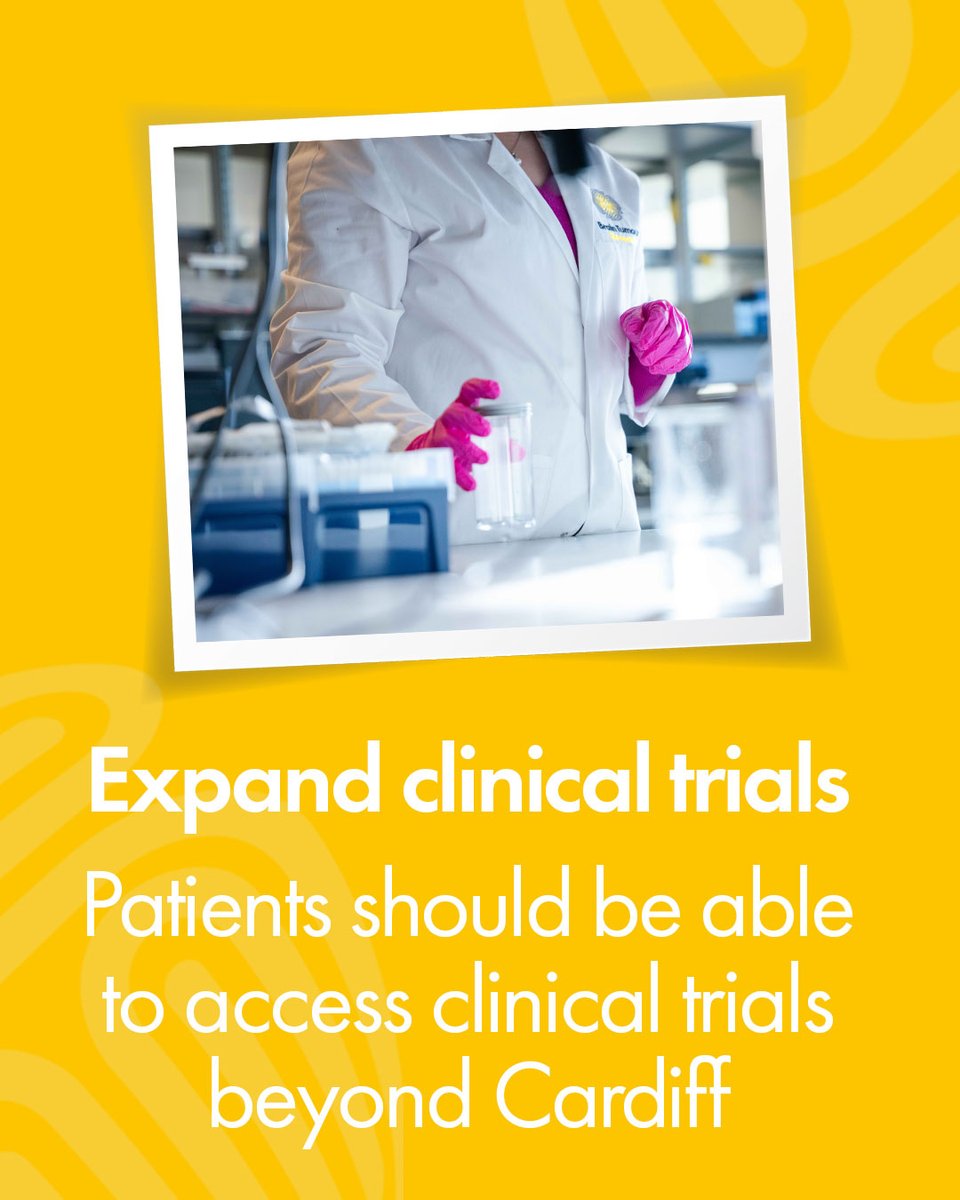
We are calling on the Welsh government to make brain tumours a specific priority in its National Cancer Plan.
Survival rates remain devastatingly low in the nation, with only 13% of people surviving five years from diagnosis. This rate has not improved since 2002.
Ahead of the first ever Cross-Party Group on Brain Tumours in Wales, we are urging the government to commit to three practical actions to ensure Welsh patients are not left behind.
The meeting on the 16th September will bring together members of the Senedd across the political spectrum to examine how research, diagnosis, treatment and trial access can be improved.
More detail on our three recommendations can be found in our manifesto, "Time to do Things Differently: A Plan for Change in Wales".
Read more: https://t.co/2MVCRTpVHf
#TogetherWeWillFindACure #BrainTumourResearch
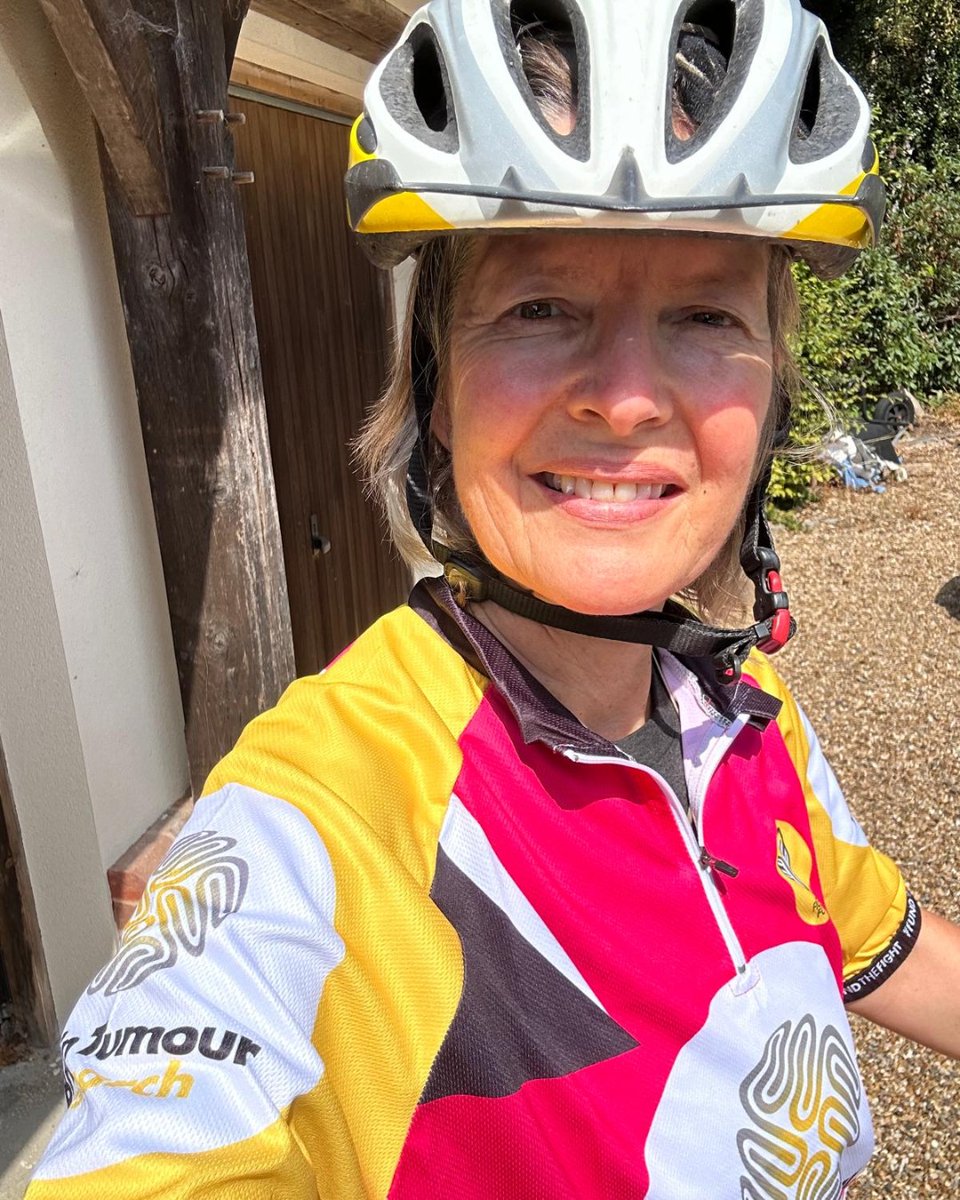
Today, Cal’s mum Lucy is cycling from London to Brighton for Brain Tumour Research. 💛🚴
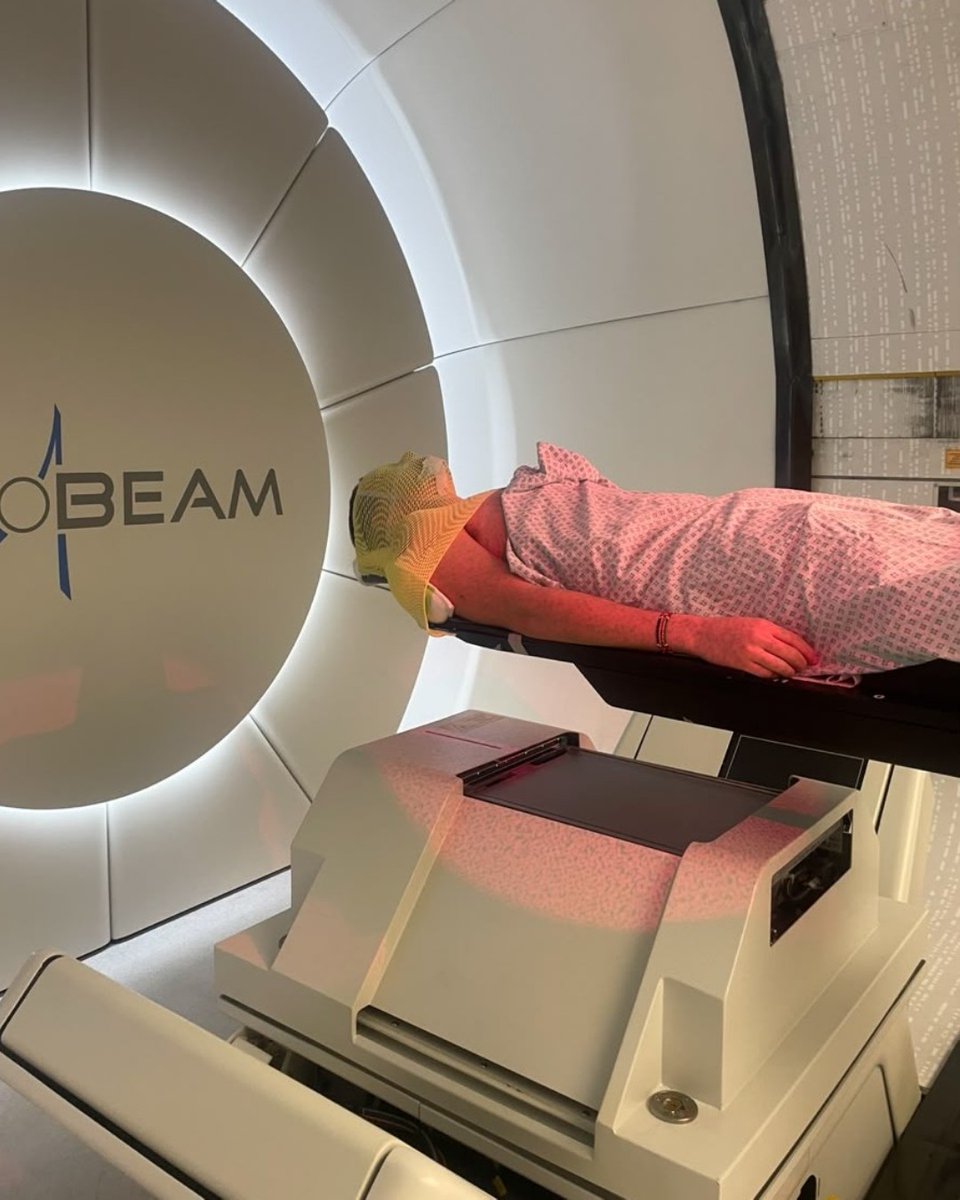
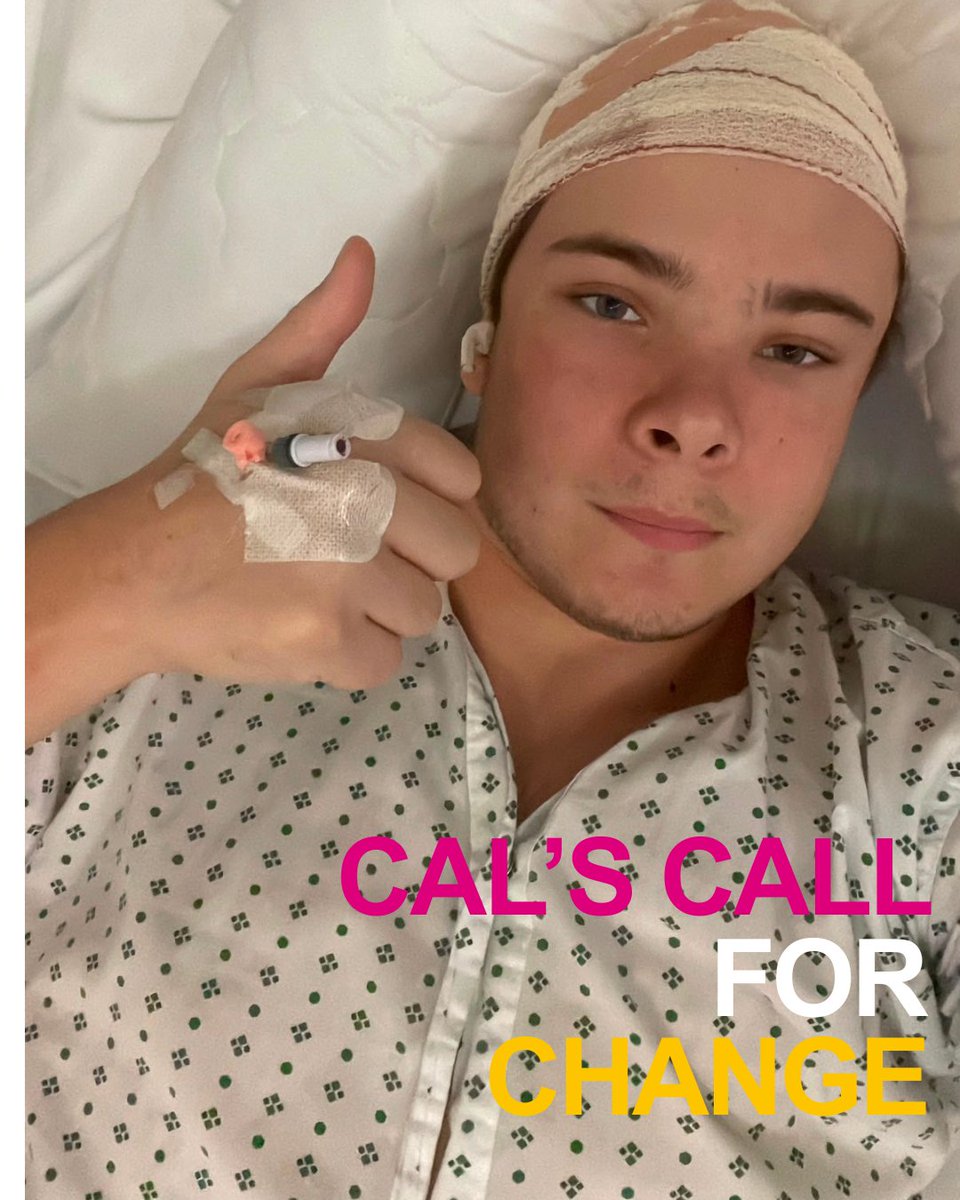
At just 23, Cal was diagnosed with a rare Grade 4 pineoblastoma after an intense week-long headache turned out to be caused by a brain tumour. After two operations and six weeks of proton beam therapy, Cal is now undergoing chemotherapy. His tumour is currently stable. Now, he’s calling for greater investment in research to give people like him more answers and more treatment options.
And today, his mum is doing her bit to help make that happen. “She really is my hero.”
Good luck, Lucy! Every mile matters.
Support Lucy & Cal here: https://t.co/KY6HcWJUt9
#LondonToBrighton #BrainTumourResearch #TogetherWeWillFindACure
Good luck, Chris! 🏃
This weekend, Chris Heighway will take on the Great North Run for Brain Tumour Research, inspired by his son Seth. Seth was just six when he was diagnosed with a brain tumour on his brainstem. During treatment, he developed serious breathing difficulties, needed an emergency tracheotomy and spent around three weeks on a ventilator in intensive care.
Now 10, Seth’s tumour is stable and his bravery continues to inspire his dad every day. “If Seth can go through everything he has been through, I can get through this.”
Good luck to Chris and all our incredible supporters taking on the Great North Run and our team of little stars also taking on the mini and junior events! 💛 Every mile brings us closer to better, kinder treatments for children like Seth.
If you'd like to support our runners you can donate here: https://t.co/91XTh70ale
#GreatNorthRun #GreatNorthRun2026 #BrainTumourResearch #TogetherWeWillFindACure
Around a quarter children diagnosed with a brain tumour will die within five years of their diagnosis. 💛
Behind this statistic are children and families who desperately need better, kinder treatments.
At our Centre of Excellence at The Institute of Cancer Research, scientists are developing new drugs and treatment strategies to beat paediatric brain tumours.
With more research, we can give more children a chance of a future. Will you donate today to help us fund vital research and find a cure for all types of brain tumours?
https://t.co/fYW4qBmZpS
#BrainTumourResearch #PaediatricBrainTumours #ChildhoodCancerAwarenessMonth #TogetherWeWillFindACure
This is Annie. She was diagnosed with stage four cancer after falling ill while pregnant.
Annie was first diagnosed with triple negative breast cancer at the age of just 32 after finding a lump in her left breast.
She underwent a gruelling course of treatment including chemotherapy, surgery and radiotherapy.
Despite a setback during treatment, when she developed sepsis, she was eventually given the all-clear.
Before the treatment, Annie made the decision to freeze her eggs after being told her fertility could be affected.
But in 2024, she and her husband Daniel were delighted to find out that they had conceived naturally.
Then at 35 weeks, Annie became very unwell again while on holiday in France.
The couple cut their trip short and travelled back to the UK, reaching her sister's home in Berkshire before she was admitted to hospital.
There, she received the devastating news that her cancer had returned and was now stage four.
Doctors found a 3.5cm tumour on the back of her brain and a trace on her left lung.
An emergency caesarean section was carried out to deliver the couple's son Francis four weeks early.
Annie then underwent a seven-hour operation to remove the tumours followed by a course of radiotherapy.
However tragically, again, at the end of last year, the cancer returned for a second time in her liver and brain. Annie was then also diagnosed with leptomeningeal disease, a serious complication in which cancer cells spread to the tissues and fluid surrounding the brain and spinal cord.
She underwent even more surgery to remove half of her liver followed by chemotherapy. Annie was forced to take medical retirement from her career.
After months of gruelling treatment, Annie gradually began to feel more like herself. She then received the incredible 'miracle' news that her most recent full-body scans showed no evidence of cancer 👏
“I hope we can all be more Bella.” 💛
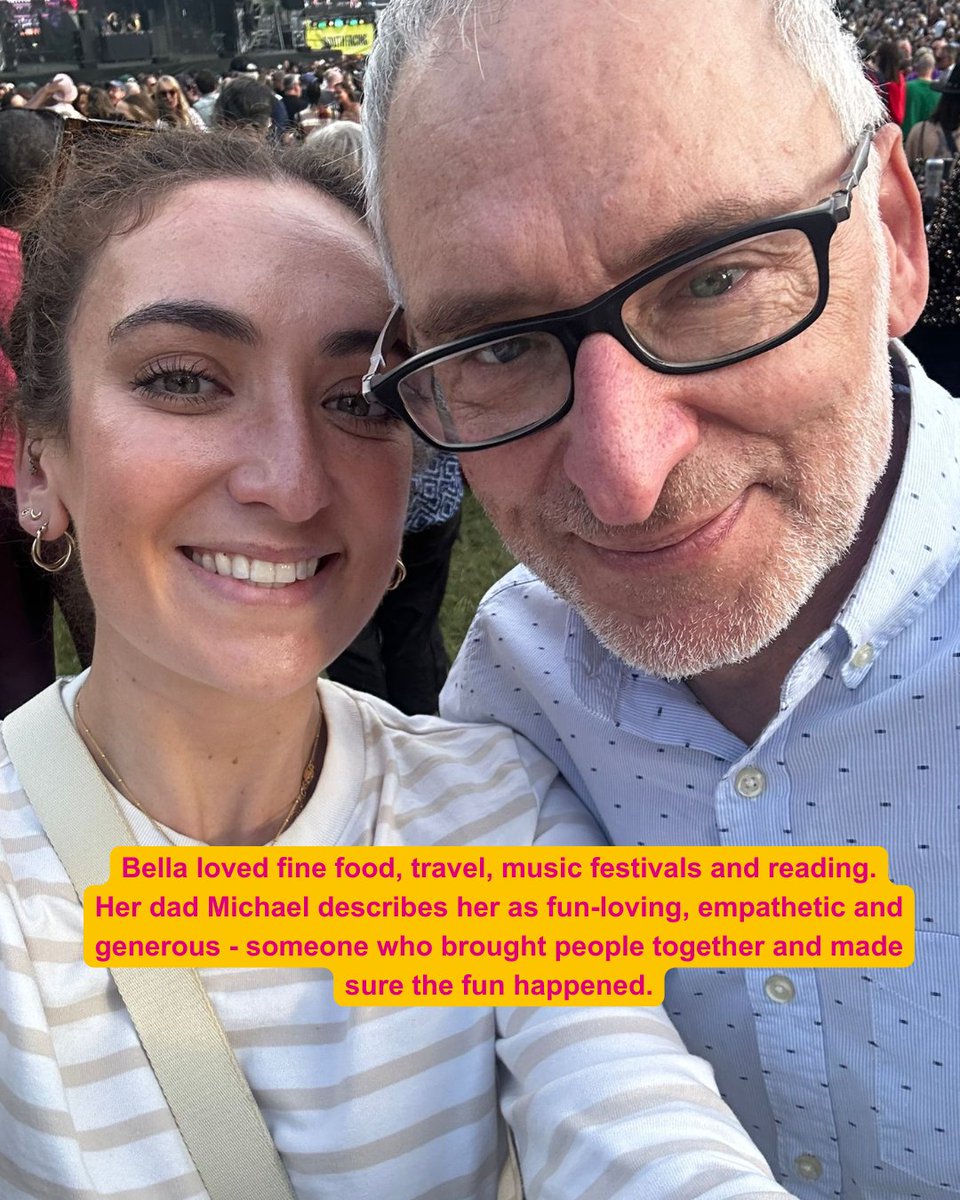
Bella Depreli was just 31 when she died from a brain tumour in May 2026. A seizure in August 2025 led to her diagnosis. Yet even while undergoing intensive radiotherapy and chemotherapy, Bella was determined to make a difference for others affected by brain tumours.
She took part in our 99 Miles in November challenge, raising more than £11,000 for Brain Tumour Research. Bella’s dad Michael said she was passionate about raising awareness and money for research because brain tumours receive disproportionately little funding compared with their devastating impact.
Now, her legacy of hope continues. A tribute page in Bella’s memory has raised £5,000, and Bella also left a £10,000 gift in her will to Brain Tumour Research. Her generosity will help fund vital research to improve treatments and ultimately a cure.
Michael takes comfort in the memories shared by Bella’s loved ones and the positive impact she had on so many people.
As Bella’s half-brother Leon said at the end of his eulogy:
“I hope we can all be more Bella.”
This Remember A Charity Week, we’re asking you to consider what difference a gift in your will could make, sustaining and transforming the future of research into brain tumours.
To find out more, including how you can have a simple will written for free, or to request a free Gifts in Wills pack, click here: https://t.co/i05LnLYwe0
#BrainTumourResearch #TogetherWeWillFindACure #LeaveALegacy #RememberACharityWeek
Brain tumours are the biggest cancer killer of children. 💛
Hugh Adams, our head of stakeholder relations, explains what we are doing to change the story, and how your support is helping us get there.
Researchers at our Centre of Excellence at the Institute of Cancer Research are working hard to find better, kinder treatments for young patients with diffuse high-grade gliomas, but we know more needs to be done.
This Childhood Cancer Awareness Month, we are shining a light on the need for more research, more treatment options and more hope for children and their families.
Donate today and support vital research ➡️ https://t.co/isB4lsH0IL
#ChildhoodCancerAwarenessMonth #BrainTumourResearch #TogetherWeWillFindACure
Every child with a brain tumour deserves better, kinder treatments. 💛
Brain tumours kill more children in the UK than leukaemia, yet research into the disease remains critically underfunded.
And for children who survive, the impact can last a lifetime. Around 62% experience lasting physical, cognitive or emotional effects from their tumour and treatment.
That’s why we’re investing in research to change the story for children and young people affected by brain tumours.
Dr Rebecca Rogers, a researcher in the glioma team at the Institute of Cancer Research, explains more about the research she’s working on and why it matters.
From developing new treatments for some of the deadliest childhood brain tumours, to understanding what drives tumour growth and exploring innovative ways to target tumour cells, our researchers are working to turn discoveries into new, kinder treatments.
Read our latest blog to discover four ways we’re tackling paediatric brain tumours and how your support can help drive progress.
👉 Read more: https://t.co/trfAIV6Wn1
#ChildhoodCancerAwarenessMonth #BrainTumourResearch #TogetherWeWillFindACure
“There is so much more we need to do on brain cancer."
Those are the words of the prime minster after Lee Barron, MP for Corby & East Northamptonshire, raised the issue in parliament this week.
Barron told the house that Max Hall, who was diagnosed with an incurable brain tumour last year, had passed away during parliament’s summer recess. “He will forever be 14,” he said.
PM Andy Burnham said a government minister would meet with Max’s family and asked Barron to pass on his sympathies, describing the news of his passing as "devastating".
“There is encouraging research being done. We need to see a breakthrough,” he added.
At Brain Tumour Research, we are pleased to hear the prime minister agree that more needs to be done. Momentum is building. Millions of pounds unlocked by government for clinical research, the National Cancer Plan and Rare Cancers Act all mean that there is more focus on improving outcomes for brain tumour patients than ever before.
But we will continue to campaign for the national investment in research to be increased to at least £45 million per year, and invest our Centres of Excellence, where researchers are working tirelessly on understanding and developing potential treatments for brain tumours.
Find out how you can support our mission on our website: https://t.co/LyIgmnCbWD
#ChildhoodCancerAwarenessMonth #TogetherWeWillFindACure
Today marks the start of Childhood Cancer Awareness Month. 💛
Around 420 children are diagnosed with a brain tumour every year in the UK. One in three children who die from cancer is killed by a brain tumour.
Behind these statistics are children and families whose lives are changed forever by a diagnosis. This month, we’re raising awareness of the urgent need for more research into childhood brain tumours, to develop kinder, more effective treatments and give more children the chance to grow up.
Help us change the story for children affected by brain tumours. Please donate today to support vital research. https://t.co/akY80jpClC
#ChildhoodCancerAwarenessMonth #BrainTumourResearch #TogetherWeWillFindACure
At just 28, Jaimee is facing an aggressive and incurable brain tumour diagnosis, with no way of knowing how much time she has left.
This is the reality for far too many people. We urgently need better treatments and more research. 💛
#BrainTumourResearch #TogetherWeWillFindACure