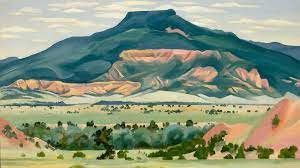
Pedernal, the Mountain near Georgia O'Keeffe's New Mexico home
"God told me if I painted that mountain enough, I could have it."
I LOVE O'KEEFFE 💕💕💕💕💕🎩
PLEASE COME HOME!
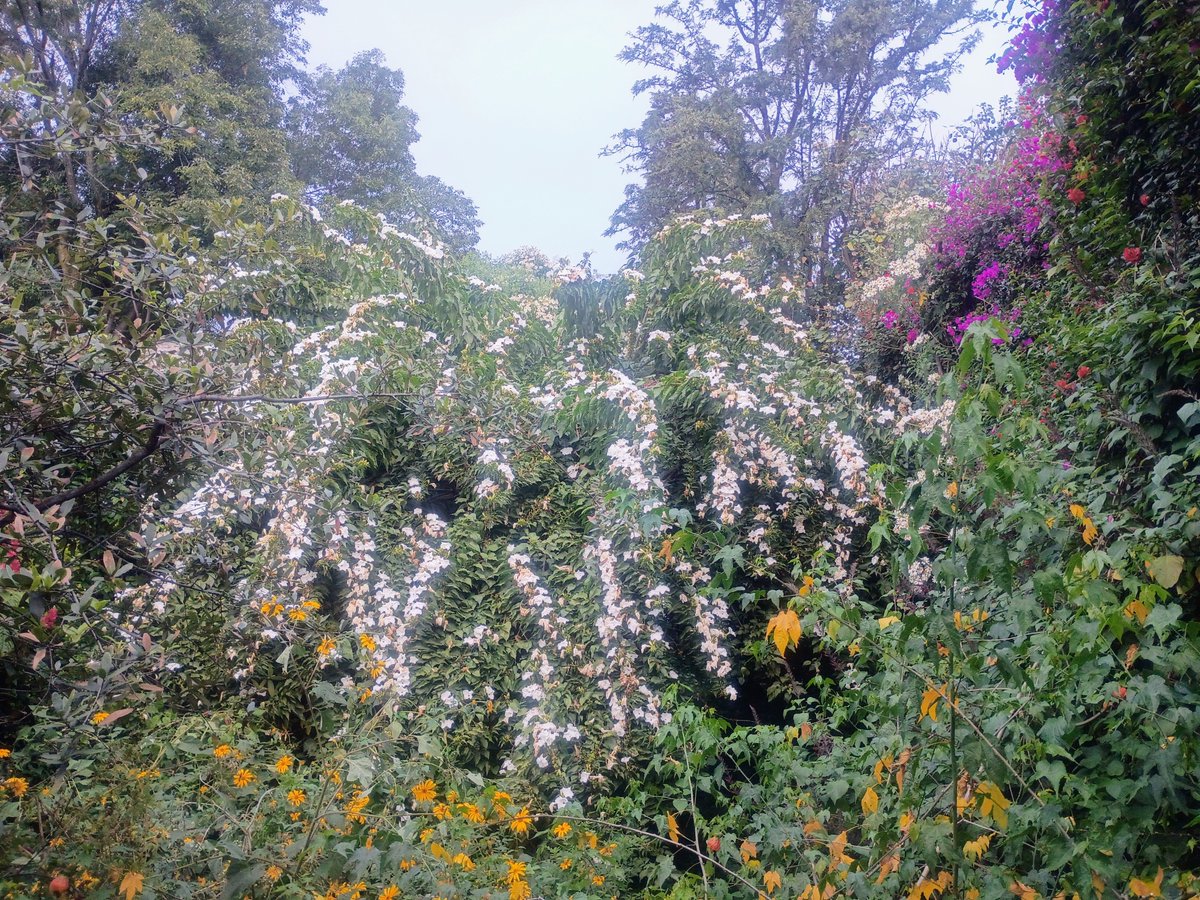
Así luce el cazahuate de la JunglaUrbana esta mañana. Es sin duda uno de los árboles mexicanos más hermosos. Seguirá floreciendo sin parar hasta el próximo mayo, alimentando con sus flores colibríes, murciélagos, abejas nativas, escarabajos, picochuecos y calandrias... 🤯
🌋 Kīlauea’s Episode 55 began Oct. 17, with north vent fountains reaching 700 ft (213 m) and an eruptive plume rising to 25,000 ft (7.6 km).
🎥 Credit: USGS Volcanoes🌋
#Kilauea#Geology
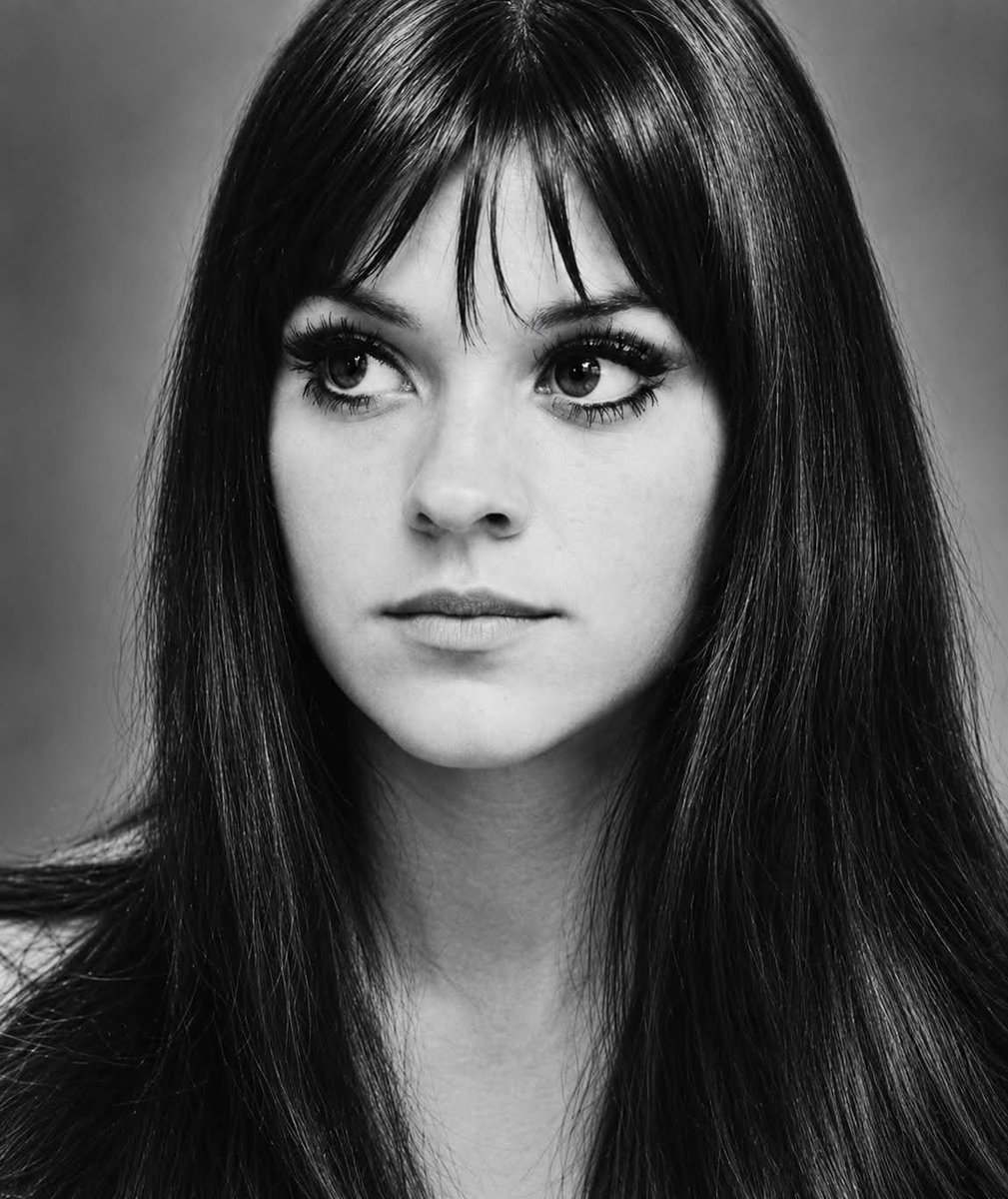
In August 1969, twenty-two-year-old Melanie Safka sat in her mother’s car on the way to what she thought was a small festival. Then she saw a helicopter and a hillside covered in people. She had arrived at Woodstock.
Melanie wasn’t even scheduled to perform. Her label had sent her with no guaranteed place on the bill. Backstage she waited alone in a small tent. Her nerves became so intense that she developed a violent cough and feared she might not be able to sing. Joan Baez noticed and sent over tea and honey.
When rain hit the stage and another act refused to play, the organizers turned to the unknown young woman in the tent. Melanie walked out alone with her guitar. No band, no backup. She sat on a metal folding chair and began to sing. Members of the Hog Farm had been handing out candles. As she performed, first a few flames appeared, then hundreds, then thousands. The muddy hillside filled with light.
The sight stayed with her. She wrote “Lay Down (Candles in the Rain).” It became a Top Ten hit and helped start a tradition that later became phone lights at concerts. The industry still didn’t know where to put her. Too gentle for rock, too independent for the image they wanted. She left Columbia when they tried to reshape her and resisted being packaged as the “cute hippie girl.”
In 1971 she and her husband founded Neighborhood Records, making her one of the first women to own an independent rock label. Her first release on her own terms was “Brand New Key.” It reached number one and sold more than three million copies. She continued recording for decades, released more than thirty albums, remained popular in Europe, and performed into her seventies.
Melanie Safka died on January 23, 2024, at seventy-six, still working on her thirty-second album. After her death her children asked fans to light a candle in her memory. On that night in 1969 she had been a frightened twenty-two-year-old with no guaranteed slot and a cough that threatened her voice. She walked out anyway. People have been holding up their lights ever since.
History remembers Catherine Parr as the wife who "survived" Henry VIII, but she was so much more. A brilliant scholar, patron of the arts, and key reconciler of the Tudor family, she became the first woman in England to publish an original book in English under her own name.
I am completely mesmerized by this view! The monumental "Guardians of Traffic" on the Cleveland bridge (dating back to 1932!) combine mythology, Art Deco craftsmanship, and transportation history, while powerful modern glass skyscrapers rise in the background. I just love these visual contrasts—this isn't just a city photo, but a living lesson in how handcraft and tradition blend seamlessly with the cold elegance and progress of the modern era.