An aerospace nerd, car nut, and computer geek who just so happens to work on rockets. No, I probably don’t want to hear your opinion on what I might work on.
Kyle won so much it pissed me off, always found a way if he wasn’t dominating. Never doubted his talent, maybe just wished for a rival to root for. Wanted to see one last win before bowing out gracefully. Gonna be weird not seeing him in the field on Sunday for once
Rest Easy KFB
"My kids asked, ‘How good was Kyle Busch?’ I was like, ‘You don’t understand.' He dominated for almost two decades. Two hundred thirty-four national series wins, and that doesn’t even count all the short track wins and stuff he had throughout that time frame — it’s unbelievable."
https://t.co/0OkKn9cfiz
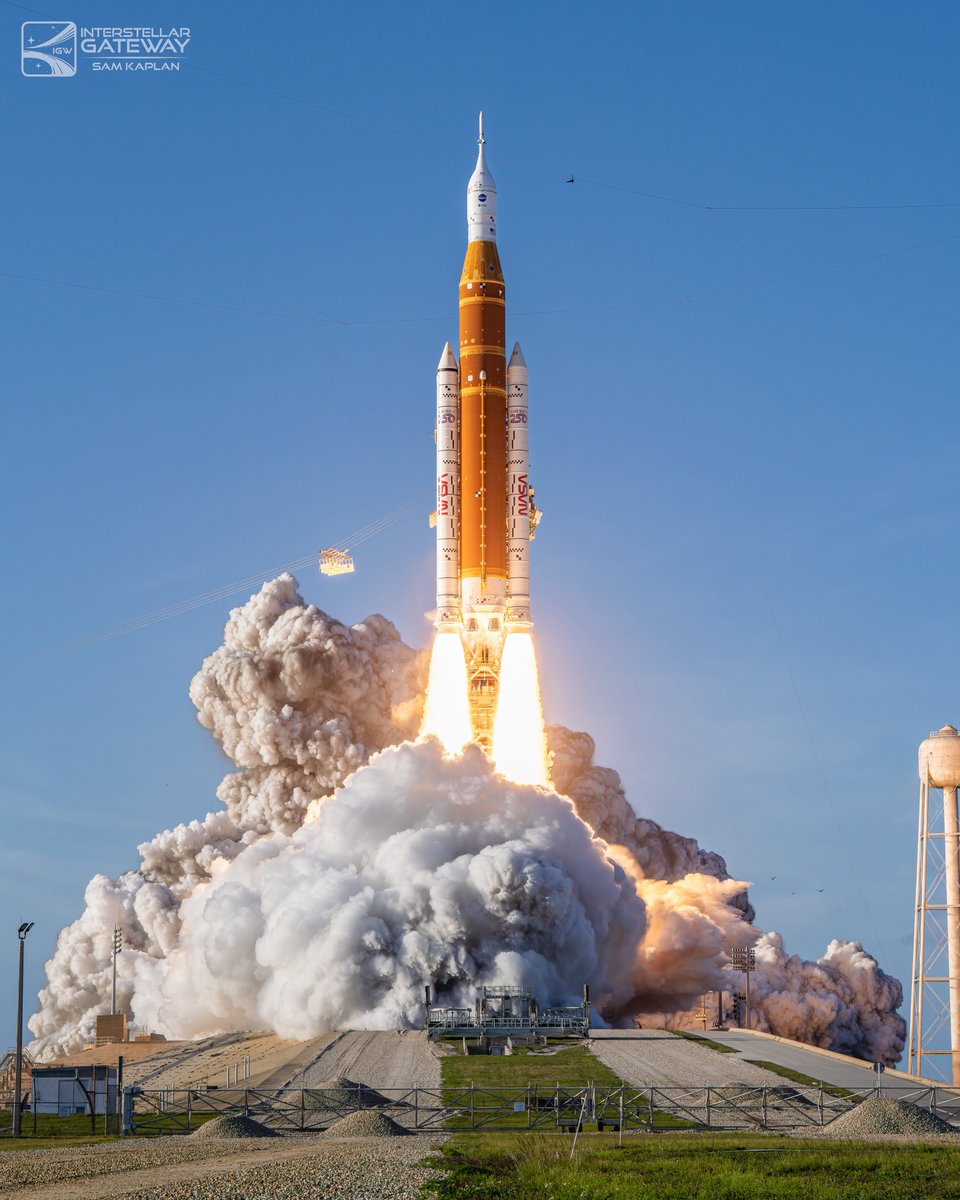
Curious how this will happen. There is only one more flight LVSA, ICPS, and OSA. Repurpose STAs? Make an “all up” spacer between CS and Orion?
Depending on how they do this, we could save a lot of time between stacking, internal access, and TPS/closeouts.
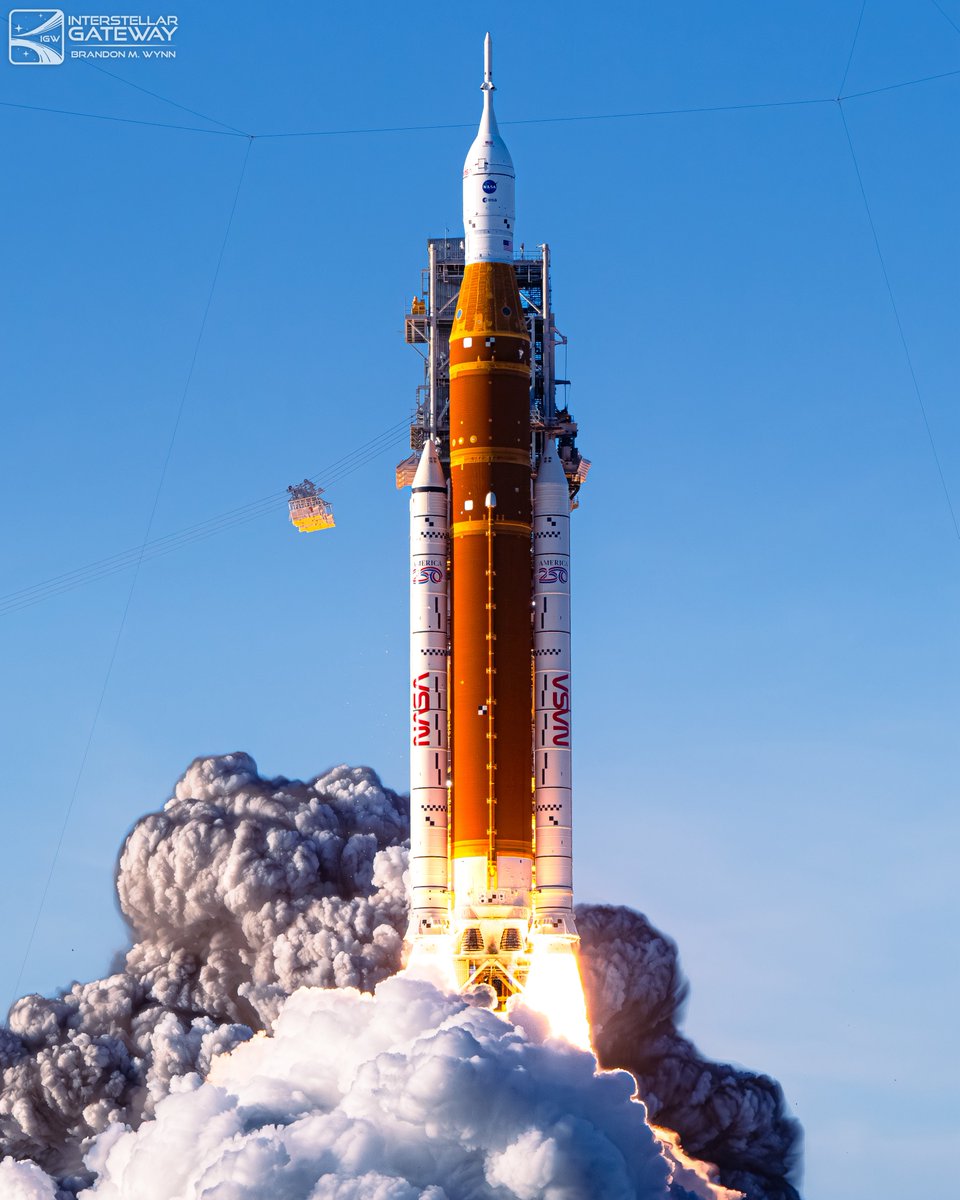
NASA has confirmed that Artemis III will orbit in low Earth orbit (LEO) and will not use an ICPS. They havn’t specified what the spacer used on Artemis III would look like just yet.
Currently, there are two possible options. The most likely one is NASA building a dummy ICPS and LVSA and manufacturing another OSA.
The less likely but, in my opinion, better option is to reuse the Universal Stage Adapter structural test article with a spacer.
I would like to add that, regardless of the outcome, this should be called “Block 0,” referring to the old concept of a SLS without an upper stage.
I was able to ask my super nerdy questions at this event :D
Lori Glaze says NASA will have an announcement about whether an upper stage will be on Artemis 3 in the coming weeks
@AeroBigMike Rumor has it there’s a composite replacement of the same size as the current steel cases in the works. BOLE was larger and would’ve needed much more GSE modifications and possibly even CS changes.
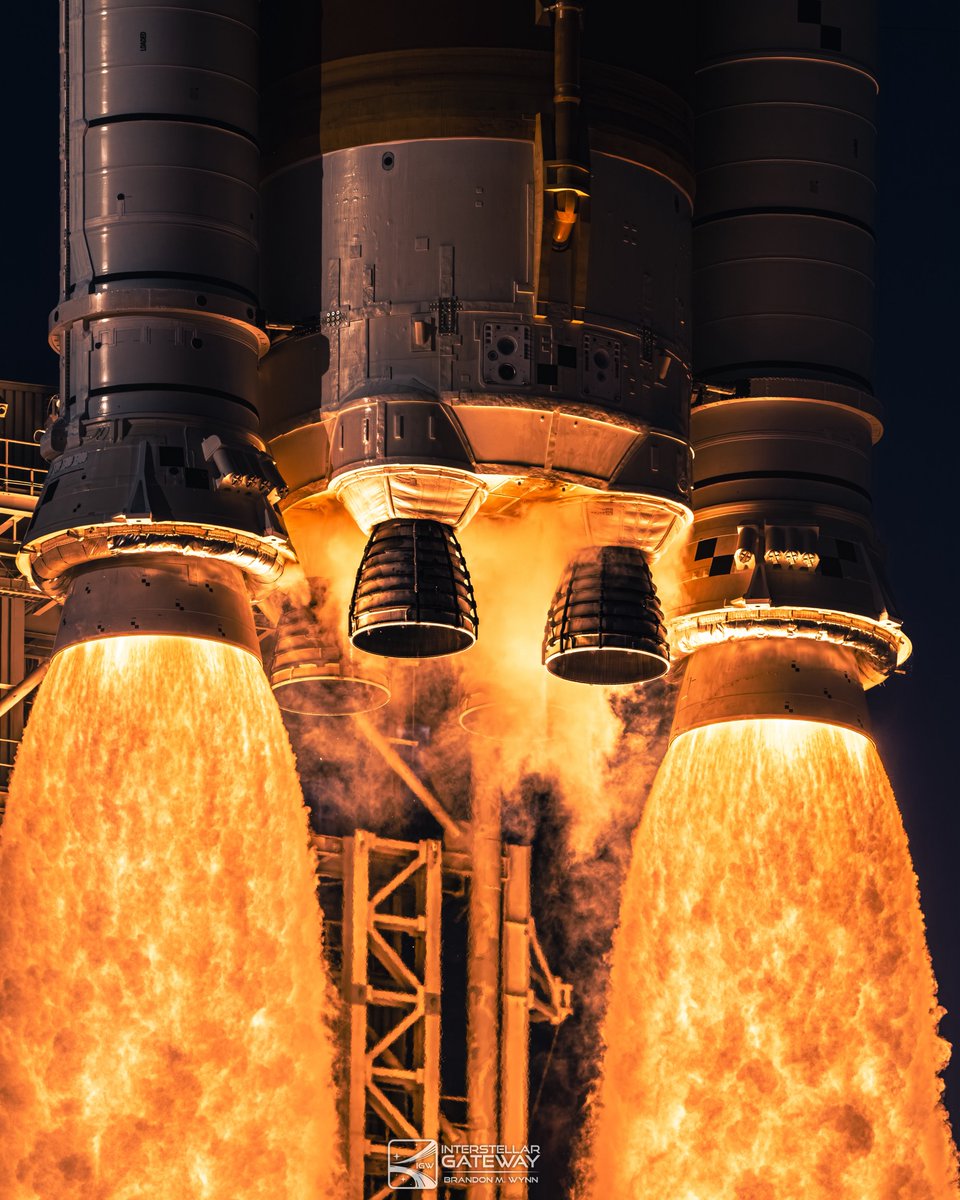
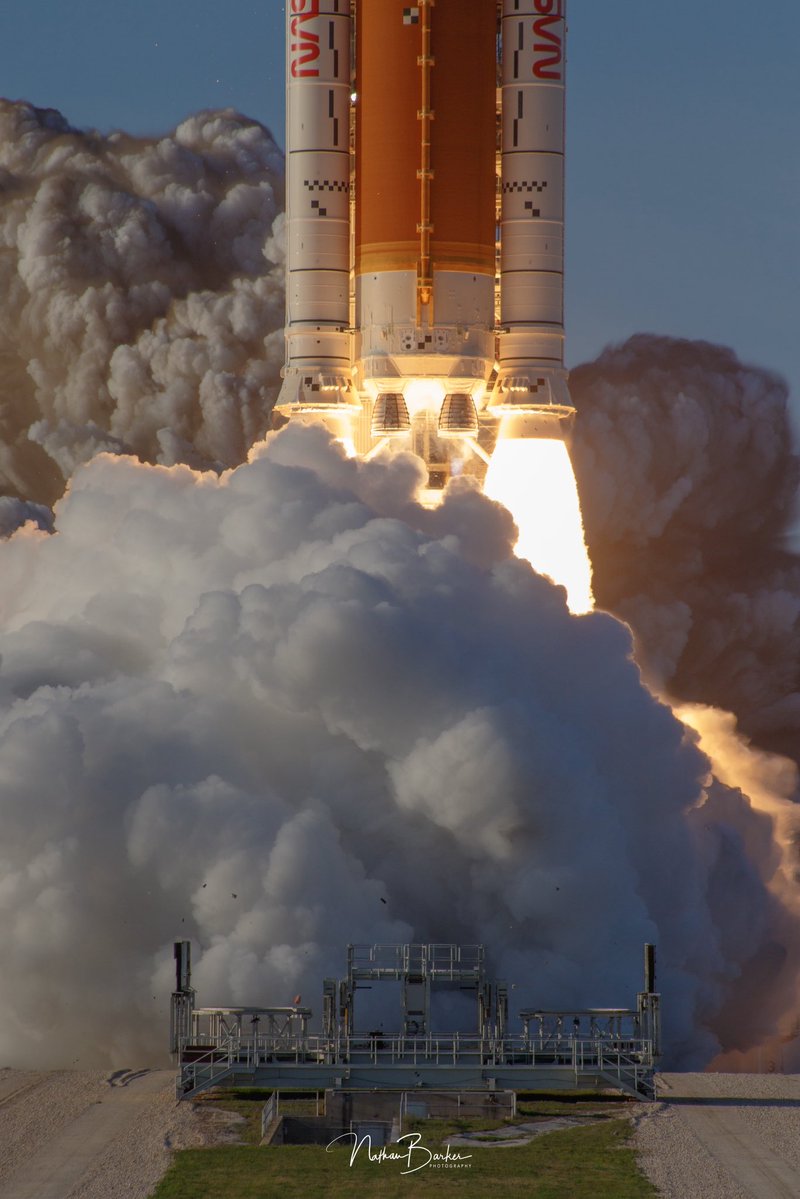
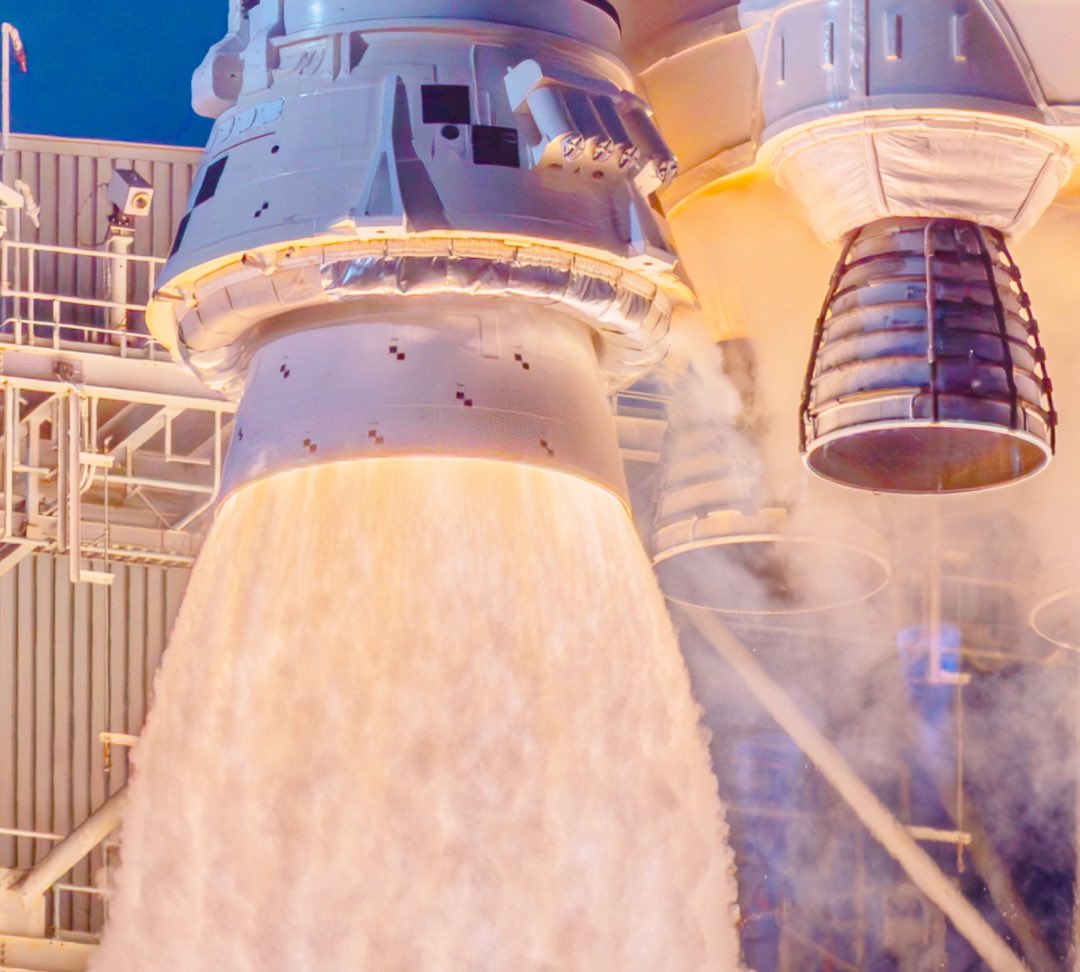
Incroyable vidéo du décollage d'Artemis II filmée avec une caméra à haute cadence par @NatGeo, et ralentie ici 66x par rapport à la vitesse réelle.
Pour vous donner un ordre de grandeur, les gaz sortent à environ 2,4 km/s des boosters.