It's voting day in the UK 🗳️ Let's make sure nature is on the agenda and vote to make tangible progress to solving the dual biodiversity and climate crises. Our future depends on it! 🐜 🦔 🌱
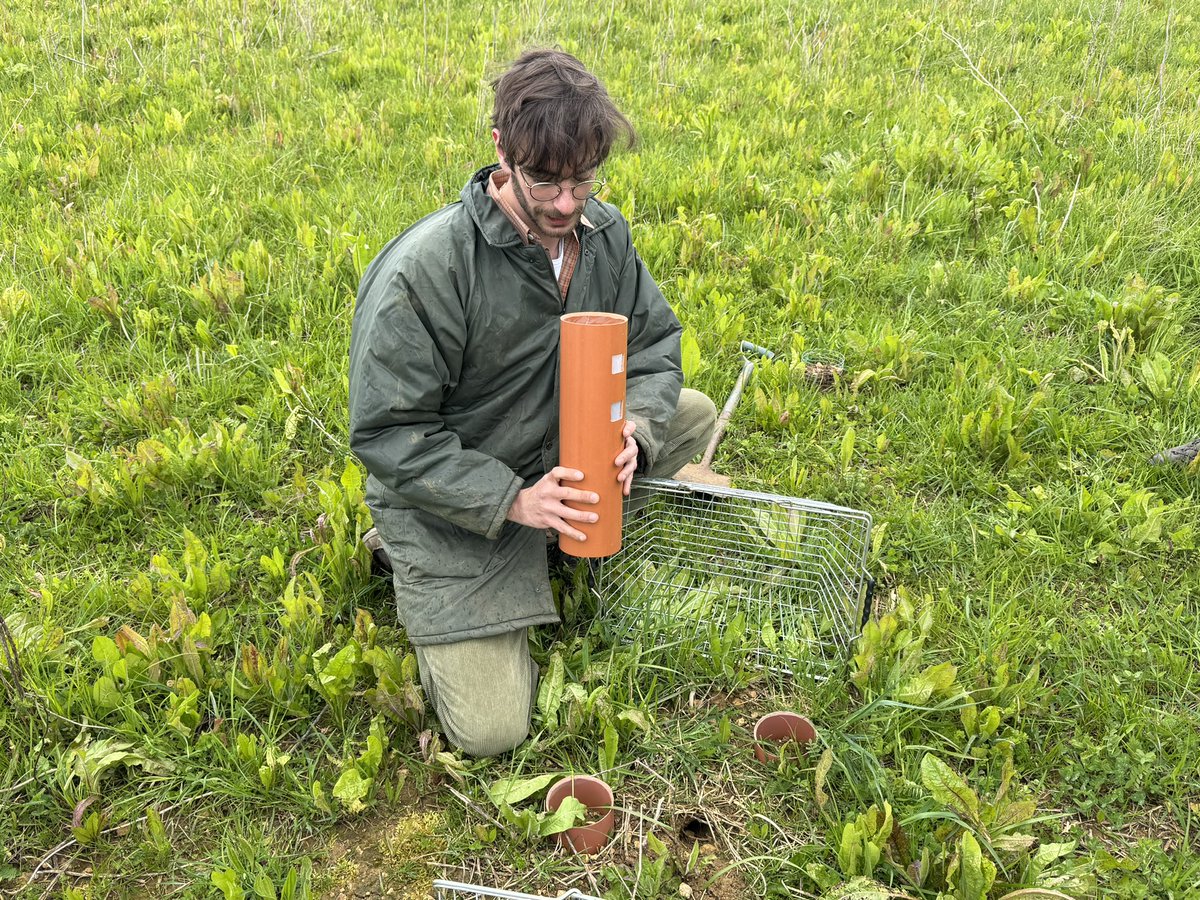
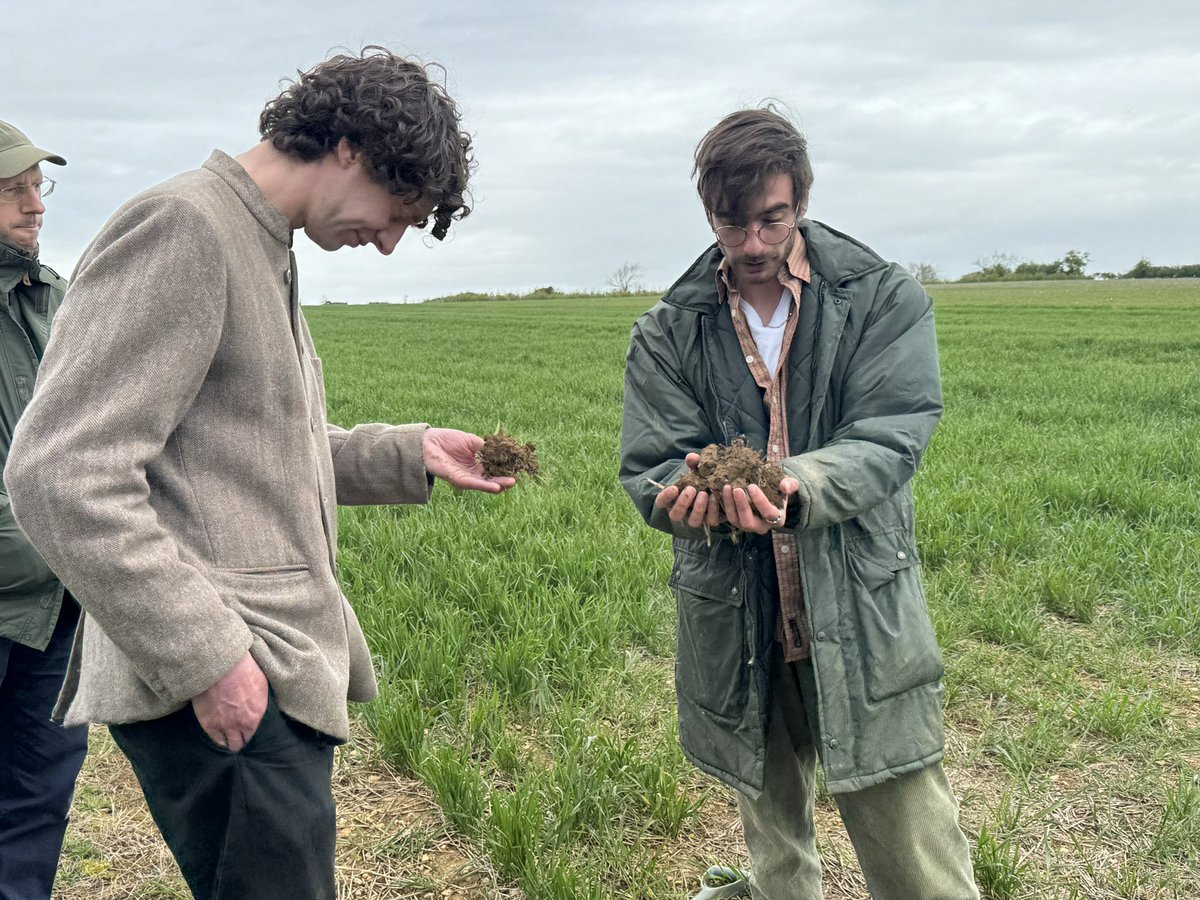
It was a real pleasure to show @MerlinSheldrake our work to uncover the key ecological actors that drive carbon dynamics in the regen farming system - including how we plan to specifically measure the energy mediated through mycorrhizae! Hopefully more to come soon!
Do you want to inspire the next generation ecologists? 🪱🌱 Take a look at our video and learning pack. It's a great resource for parents and schools alike.
https://t.co/8VRFrX5PW3
@RewildingJed@ecioxford@BiodivOxford
If you treat your dog or cat or rabbit with a 'spot-on' flea treatment, please read this... & please retweet to spread the word. https://t.co/25WnDC5mI4
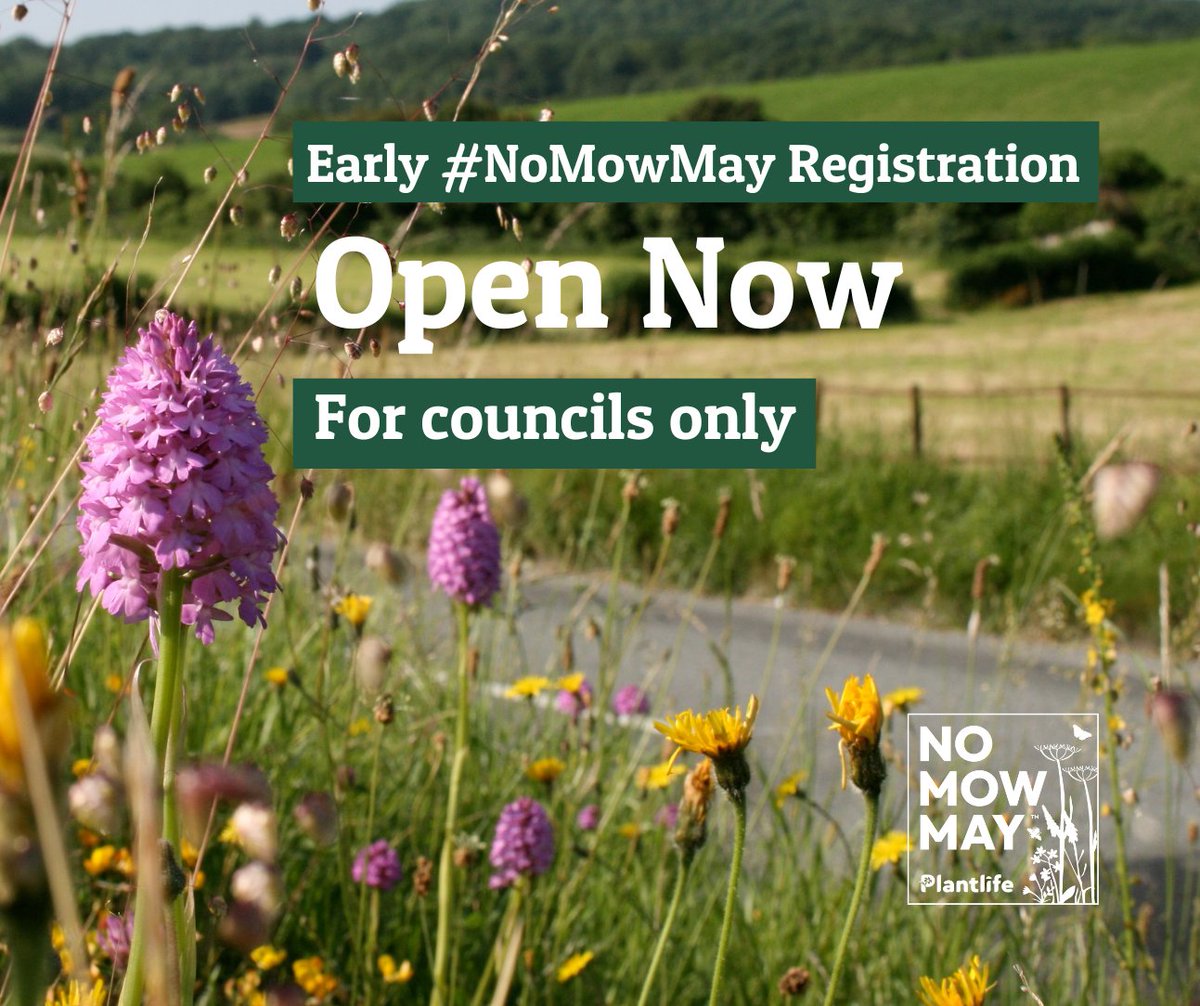
Calling all councils 📢
🌱This #NoMowMay we want to help you celebrate your local natural heritage and its role as a stepping stone to a year-long approach to managing verges and green spaces for nature.
🔗https://t.co/KcS2X5Cf0i
1/3🧵
East Anglia, and especially Lincolnshire, is where much of our food is produced. Like the rest of Britain, the landscape is becoming overwhelmed by deer which are wrecking crops. The return of native lynx and wolves would be the ideal solution. Seriously, why not?
This was a captivating talk that I had the pleasure of hosting on @EdithCHammer work recording and visualising the behaviour and decision making of soil biodiversity - not one to miss, watch below!
Our work on #ashdieback 🌿 in @WythamWoods was covered by @BBCSouthNews. The frequency and severity of tree diseases is on the rise. It is therefore increasingly important to understand how they impact on ecosystems and how they function. @ecioxford@BiodivOxford@yadv
Join us at @oxfordgeography or online (below) for what will be a fascinating talk - Edith and her lab have developed 'Soil Chips' that allow for real time video capture of microbial behaviour and decision making - absolutely not one to miss!!
Check out our latest BNG pre-print! 🌱 🏡
In this paper, we detail some of the ways in which #BiodiversityNetGain as it is currently implemented may not have positive outcomes for invertebrates and how this can be addressed 🦋 🐛 🐝 🕷
https://t.co/ocILlAALgy 🧵1/
Join our team! We're seeking a Field Assistant for bioacoustics monitoring across our three sites in Oxfordshire. Gain hands-on experience programming & installing audiomoths. Send me a DM before 26th Feb to be considered. @BiodivOxford@NatureRecovery
https://t.co/tqIQbA0kTy
Come and join us for an exciting, pioneering project that could help us unlock a way to assess future nature recovery - please send me a message if you're interested! 🌍👨🌾
Passionate about regenerative farming? Join our Oxford Uni team at FarmED! We're looking for dedicated Field Assistants to help our dynamic team for a week starting on 19th Feb. Dive into the heart of sustainable agriculture & gain hands-on experience. @BiodivOxford@RewildingJed
Highly confusing move by @UKLabour on dropping a highly popular investment policy that is URGENTLY needed to respond to the biodiversity and climate crises - not like we've just had the first full 12 months >1.5C above average temps...oh wait https://t.co/EbigcFegNE
As Labour set to ditch £28bn figure on the Green prosperity plan tomorrow, expect Labour to pin this on 1/ economic uncertainty due to what they say is Tory mismanagement of econ 2/ Will prob also say finalising manifesto details this week & the figure (see 1/) didn’t make cut
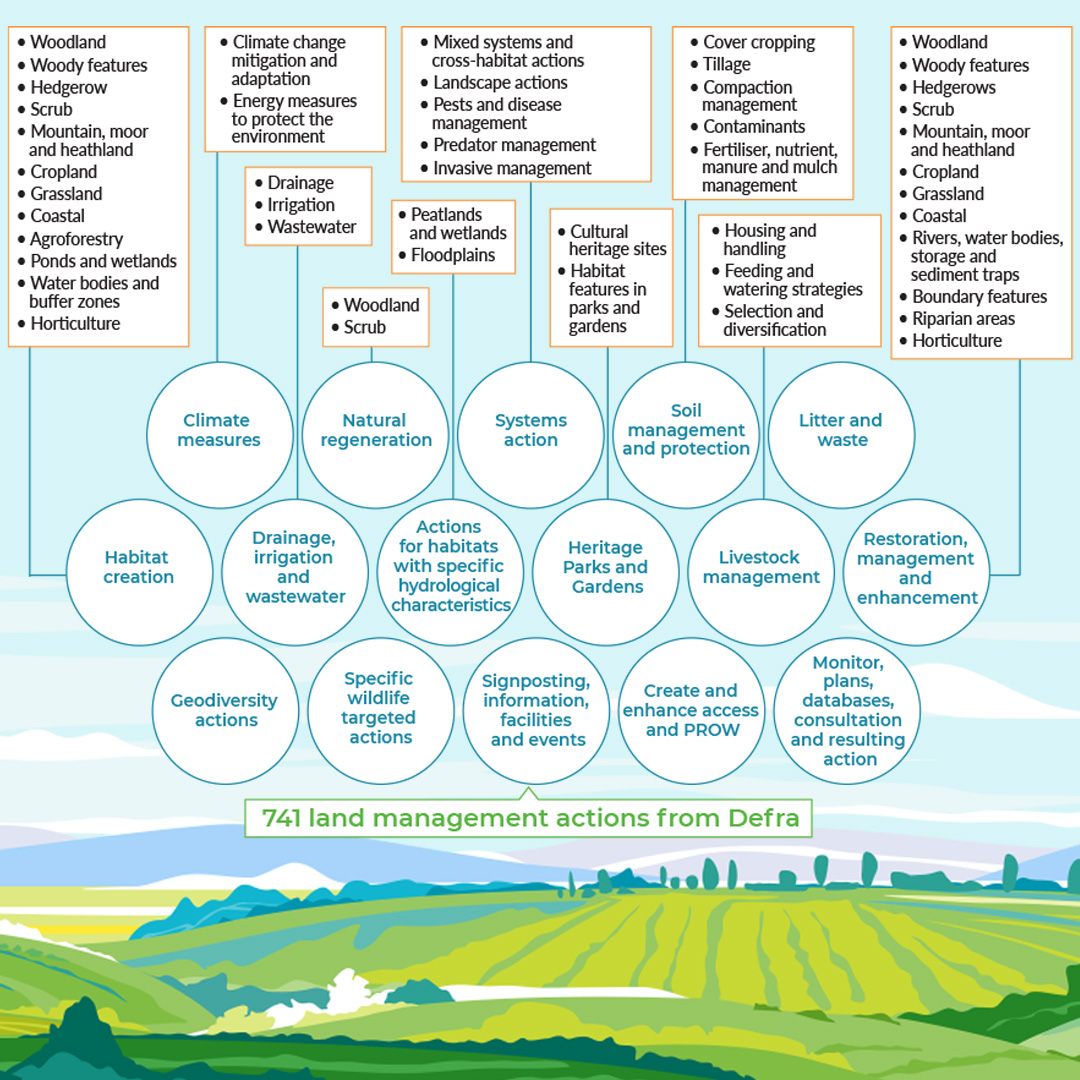
NEW: Expert scientific evidence rating the effects of 740+ land management actions for their impact on ecosystem services has been published today
The evidence is being used to shape @DefraGovUK ELM schemes in England 🌱
Read more: https://t.co/SMPkErswUz
#SustainableFarming
You can sequence your archived soils! New paper from a great group of collaborators where we found minimal differences in microbiome composition between air-dried and frozen samples after 8 years (!!) of storage
https://t.co/t4VXvnstYu
To produce 1.5 million tonnes of salmon the Norwegian salmon farming industry needs 2 million tonnes of wild fish, nearly all caught off west Africa. That’s enough to feed 33 million people. The immorality of it is just breathtaking. https://t.co/oSpwSwf39r
Our new research finds that spot-on flea treatments on pets are a major source of river contamination with potent insecticides. Also, owners hands are continually contaminated by contact with treated pets. Pls RT (1/2)
https://t.co/3pGslve68u @roseofgoodhope @PAN_UK