Book of the Day, March 14th – Non-Fiction
Available for only $2.99 on Amazon Kindle (Free on Kindle Unlimited)!
Get your copy now at:
https://t.co/wsmwr7L88a
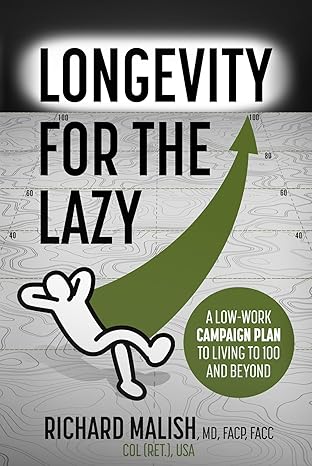
“Longevity for the Lazy” by Richard Malish
Follow the author: @RichardMalish
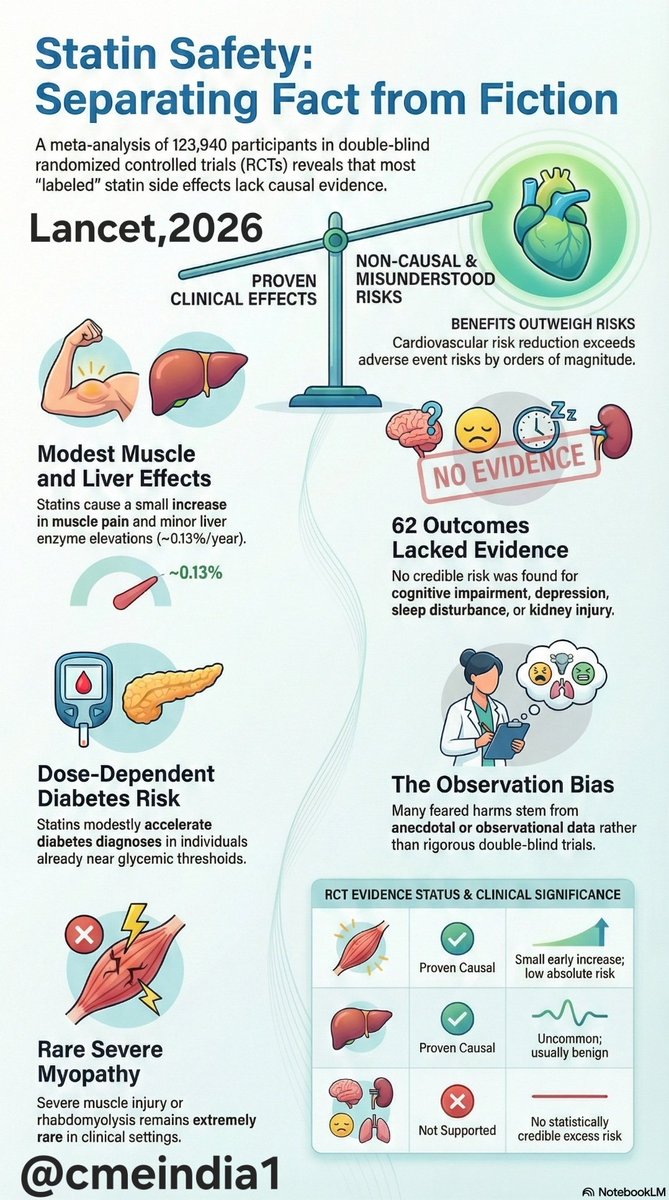
Statin Safety: What 123,940 Double-Blind RCT Participants Really Show, Lancet, 5th February,2026
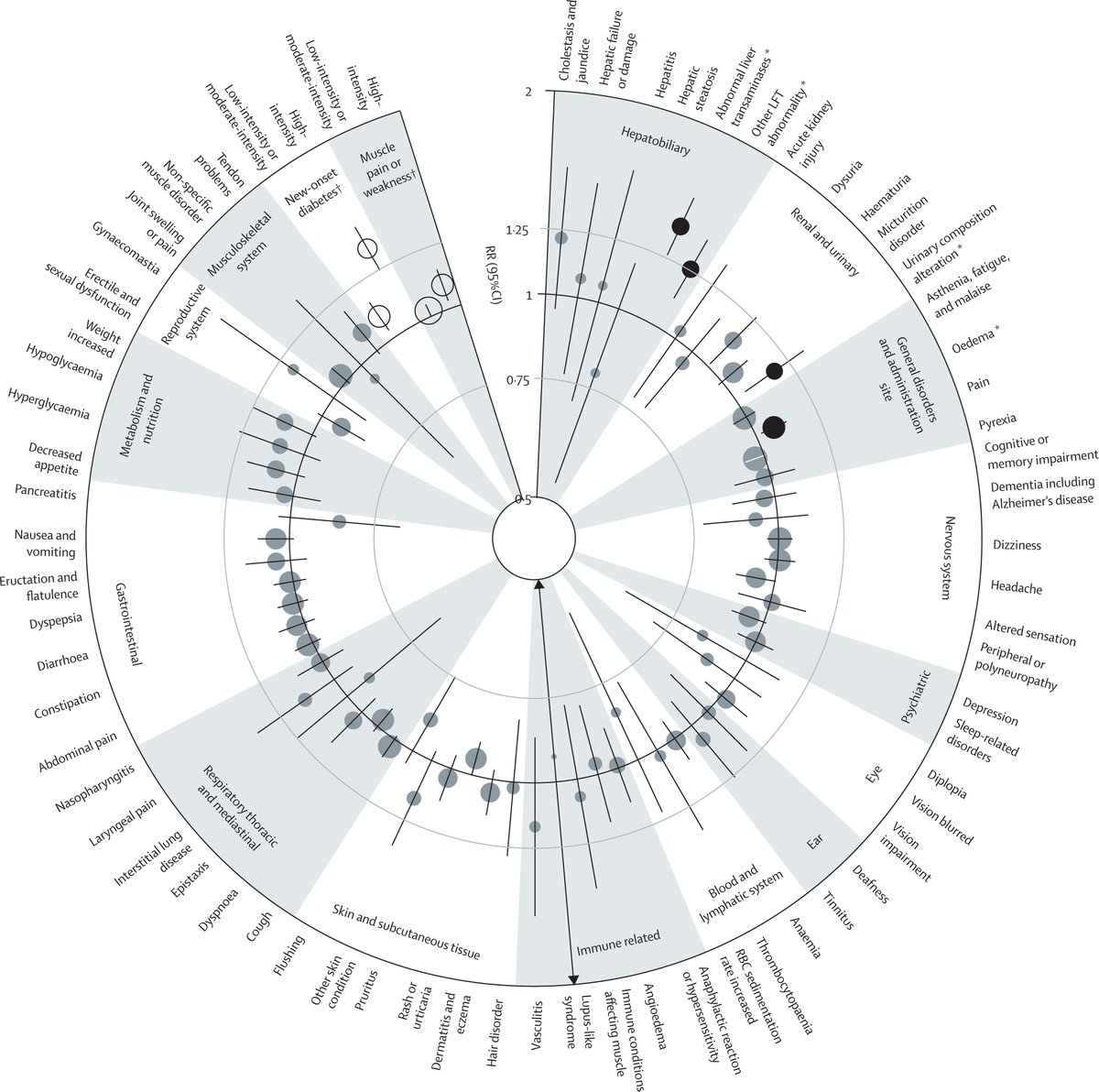
Statins remain among the most rigorously evaluated drug classes in cardiovascular medicine. This individual-participant data meta-analysis from the Cholesterol Treatment Trialists’ Collaboration examined adverse outcomes listed in statin product labels using only large, double-blind randomised trials — the highest level of safety evidence. The findings substantially refine the true risk profile.
🔹 Muscle effects are real but modest.
Statins cause a small, mainly early increase in muscle pain/weakness. Severe myopathy or rhabdomyolysis is rare and biochemically defined. Absolute risk is low relative to cardiovascular benefit.
🔹 New-onset diabetes occurs — dose dependent.
Statins modestly increase diabetes diagnoses, predominantly in individuals already near glycaemic thresholds. This represents metabolic acceleration rather than de novo disease.
🔹 Liver enzyme elevations are uncommon and usually benign.
Statins increase abnormal liver biochemistry slightly. The absolute excess is ~0.13% per year, with dose dependence. Clinically meaningful liver injury is extremely rare.
🔹 Most labelled adverse effects are not causally supported.
Across 62 prespecified outcomes — including cognitive impairment, depression, sleep disturbance, neuropathy, erectile dysfunction, acute kidney injury, and lung disease — no statistically credible excess risk was detected after rigorous false-discovery correction.
🔹 Minor signals of uncertain clinical relevance.
Small increases were seen in urinary composition changes and oedema, without evidence of serious downstream harm.
🔹 Bias matters.
Many historical statin safety concerns arose from observational or case-report data. Double-blind RCT evidence shows that true drug-attributable harms are far fewer than label lists suggest.
🔹 Benefit–risk ratio remains overwhelmingly favourable.
Absolute cardiovascular risk reduction from statins exceeds adverse event risk by orders of magnitude, especially in secondary prevention.
Clinical Bottom Line
Statins cause small, predictable metabolic and muscle effects and very rare biochemical liver abnormalities. Beyond these, most feared harms lack randomised evidence. Statin labels likely overstate risk, and clinicians should counsel patients using high-quality trial data rather than anecdotal concerns.
https://t.co/HzR9T7e3ad
Almost all side effects on statin labels not caused by statins, finds major meta-analysis; authors call for labels to be updated.
Find out more 👉 https://t.co/y4Vrhm8VZR
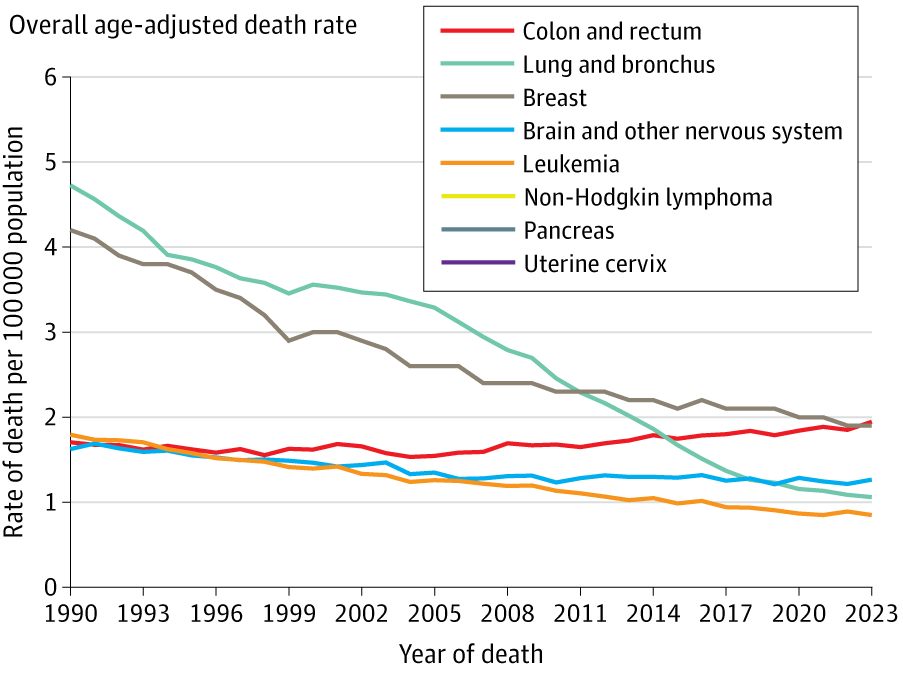
The incidence of young onset cancers (<50 years) continues to rise but what about mortality?
New research from @AmericanCancer shows reduction in mortality for most cancers (lung, breast, leukemia) with one exception - #ColorectalCancer.
https://t.co/NeOx4OI38G
@OncoAlert
Analysis of US mortality data indicates breast cancer, lung cancer, and leukemia deaths decreased in people younger than 50, while #ColorectalCancer mortality rose to become the leading cancer death by 2023.
https://t.co/sqVaKfk7jP
#ColorectalCancer is now the leading cause of cancer death in females and males younger than 50 years combined in the US, surpassing other cancer types over the past three decades.
️ 📽️ Watch the video and read the full article: https://t.co/o6XqkcAlO0
Peppered with #humor and chock full of practical #advice, Longevity for the Lazy offers readers scientifically researched strategies for extending their lives without a significant and time-consuming overhaul.
#health#wellness
https://t.co/5CPaTE6avF
To celebrate the official release of Longevity for the Lazy, you can get the ebook version for 99 cents for a limited time! https://t.co/ypFJrH4ycS
Please consider the book as a gift for loved ones this holiday season.
Most fish oil supplements make unsupported heart health claims, finds new study. Here's why experts say most people can skip them. https://t.co/VOD1oSMgMf via @Yahoo