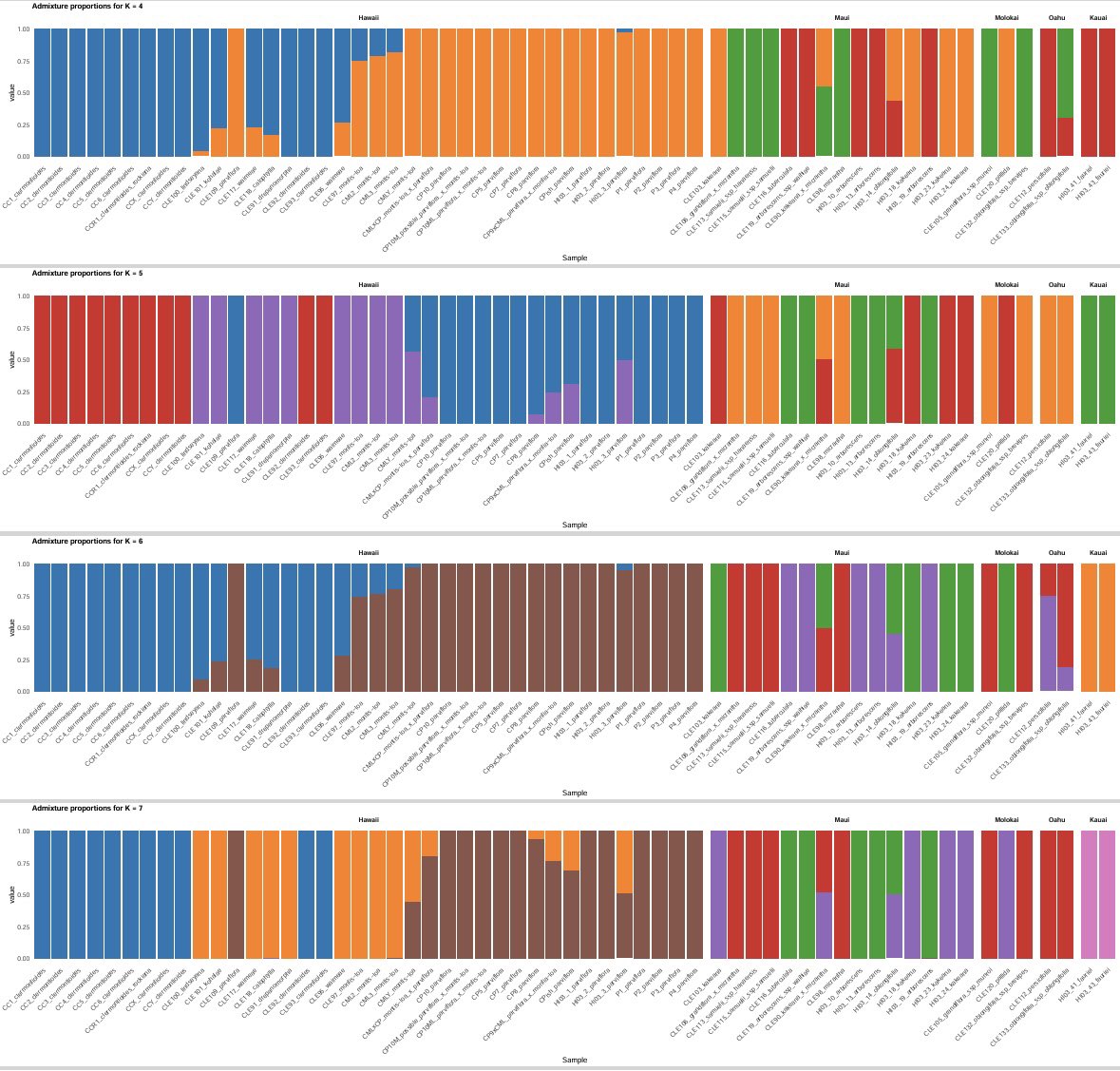
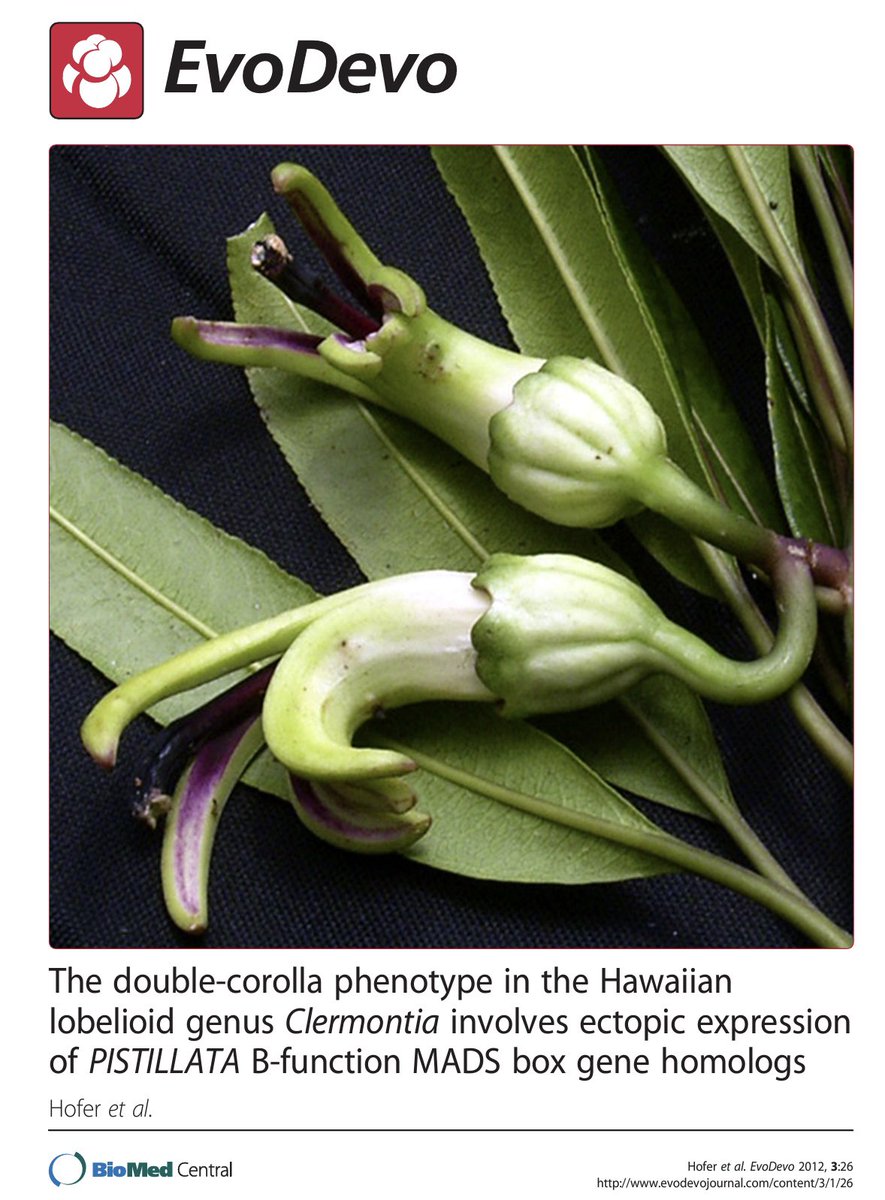
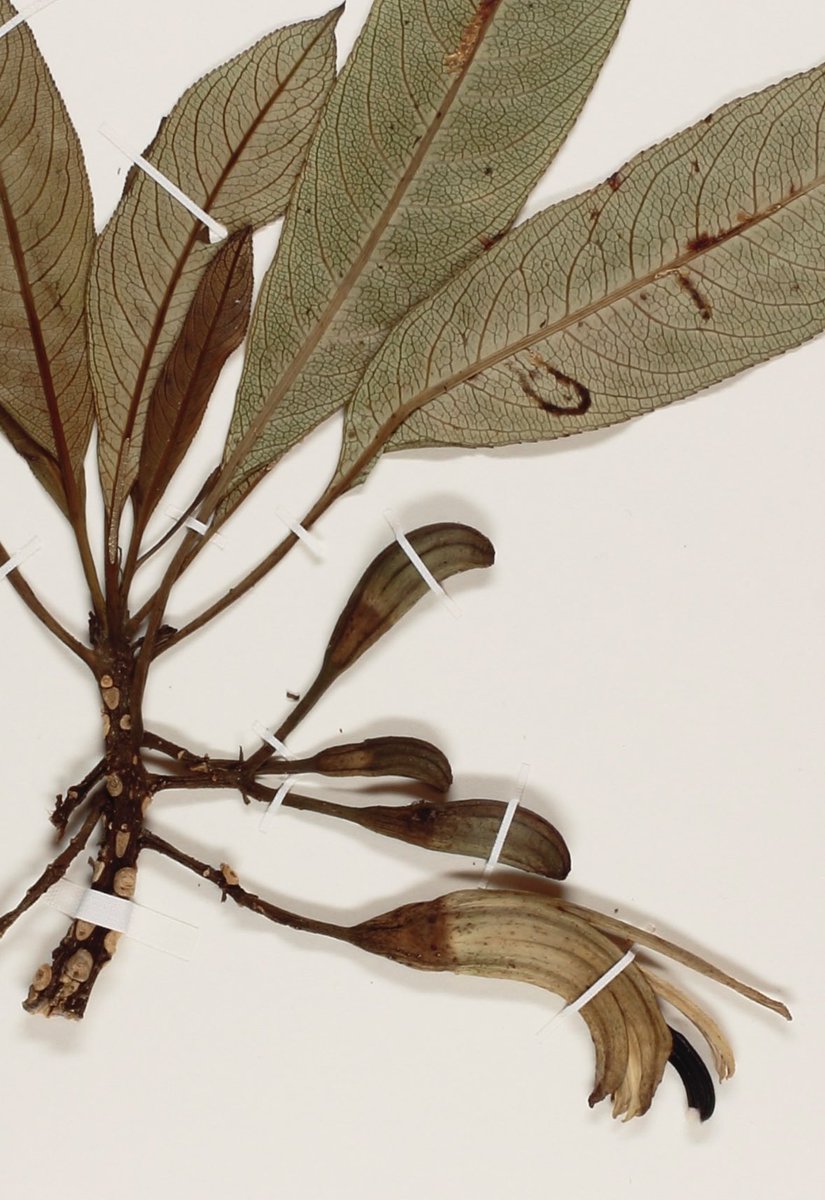
Clermontia research update - SNPs seem to confirm that C. oblongifolia subsp. mauiensis is a hybrid of C. arborescens and C. kakeana - maybe needs to be be removed from the federal endangered species list .. Here’s an ADMIXTURE analysis .. (1/2)
Accepted by Molecular Biology and Evolution - congratulations @kalle_leppala @RichterMichaela @flavioascoelho @clindqvist1:)
Five-leaf generalizations of the D-statistic reveal the directionality of admixture https://t.co/TwzHL7RUOv
Brown bear - polar bear hybridization has been principally bidirectional over time, but with different preponderant directions; ancient being brown—>polar, more recent, polar—>brown. Read our work and new method, delta-statistics, led by Kalle Leppälä https://t.co/t8H1gsTkna
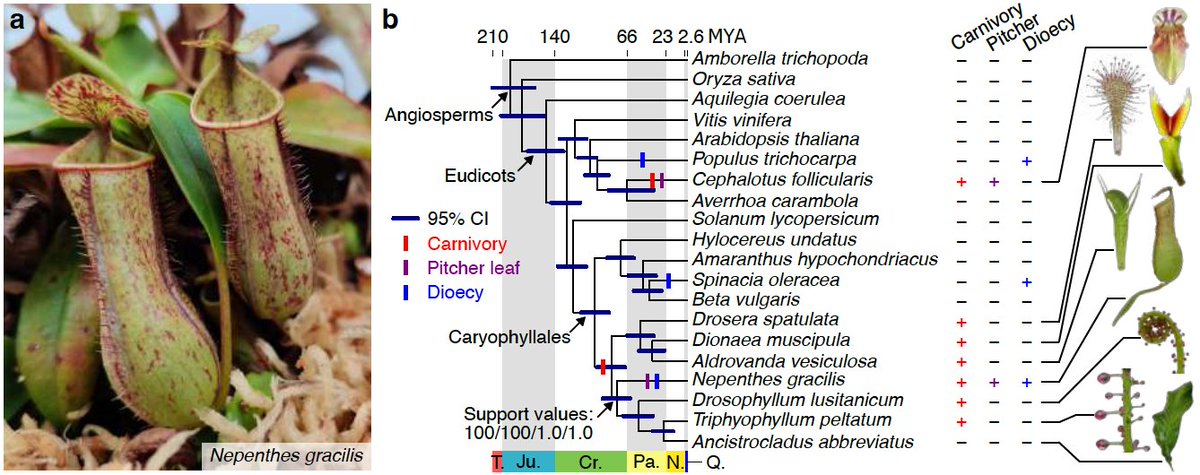
Our Nepenthes genome paper is now formally published! We report how genes related to their novel traits, such as dioecy and the trapping pitcher, evolved within the decaploid genome of this iconic carnivorous plant lineage.
https://t.co/dvkzrz3xwN
The genome and population genomics of allopolyploid Coffea arabica reveal the diversification history of modern coffee cultivars https://t.co/FZ6k0iSXvR
Our preprint on the Nepenthes genome has been posted on bioRxiv! We've been exploring how the decaploid (!) genome structure links to the evolution of novel traits in this carnivorous pitcher plant with dioecy. (1/8)
https://t.co/yjay3D9ZZC
I had the pleasure of speaking with @UBuffalo's @clindqvist1 to congratulate her on her $2.9 million grant from @NSF. Her groundbreaking research on the impacts of climate change prioritizes STEM training and preparing the next generation of diverse scientists. Congrats!👏🏽
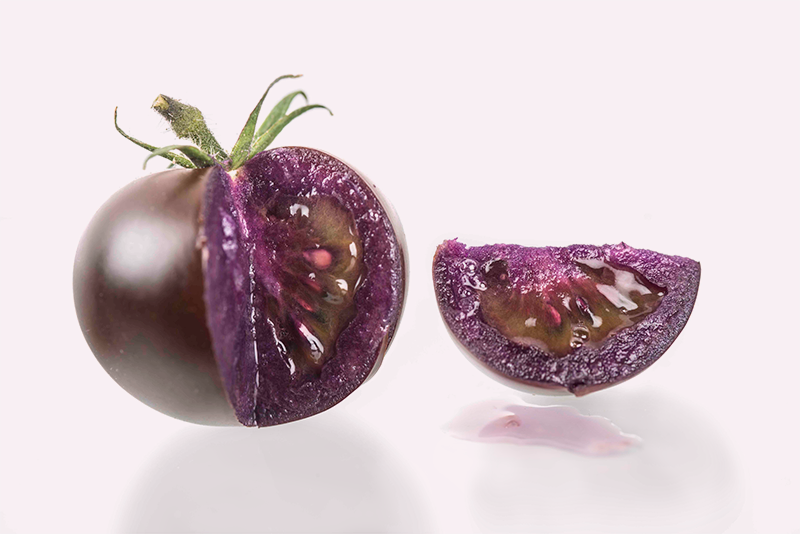
Yesterday was a historic day in plant biotech: a purple tomato engineered with high antioxidants was approved by @USDA@BigPurpleTomato helps prevent cardiovascular disease and fight cancer in humans.
This approval under new regulation ushers in a new era for plant synbio!
Our paper is out!
Insights into bear evolution from a Pleistocene polar bear genome | Proceedings of the National Academy of Sciences https://t.co/EEae6nYgqf
.@UBBiology's Victor Albert talks w/ @KnowableMag about how carnivorous plants became predators: “Evolution is sneaky and flexible. It takes advantage of preexisting tools. It’s simpler in evolution to repurpose something than make something new.” https://t.co/KaKeP9Uxoj
How did #dogs get to the Americas? The discovery of an ancient bone fragment in Southeast Alaska holds clues. 🧬🐕🦴 Let's talk about this study led by @UBBiology's Charlotte Lindqvist! First authors include Flavio Augusto da Silva Coelho (@freivs1). https://t.co/jrUqycpzND
An early dog from southeast Alaska supports a coastal route for the first dog migration into the Americas #ProcB https://t.co/fsK5sRAoC0
@UBScience@UBBiology#openaccess
Research led by @CpgSthlm uses million-year-old DNA to explore the evolution of mammoths. 🧬🦣@UBBiology's Charlotte Lindqvist and Vincent Lynch (@DevoEvoMed) — who were not involved in the study — talk to @ScienceNews about this fascinating work: https://t.co/pxPEPfJp9U