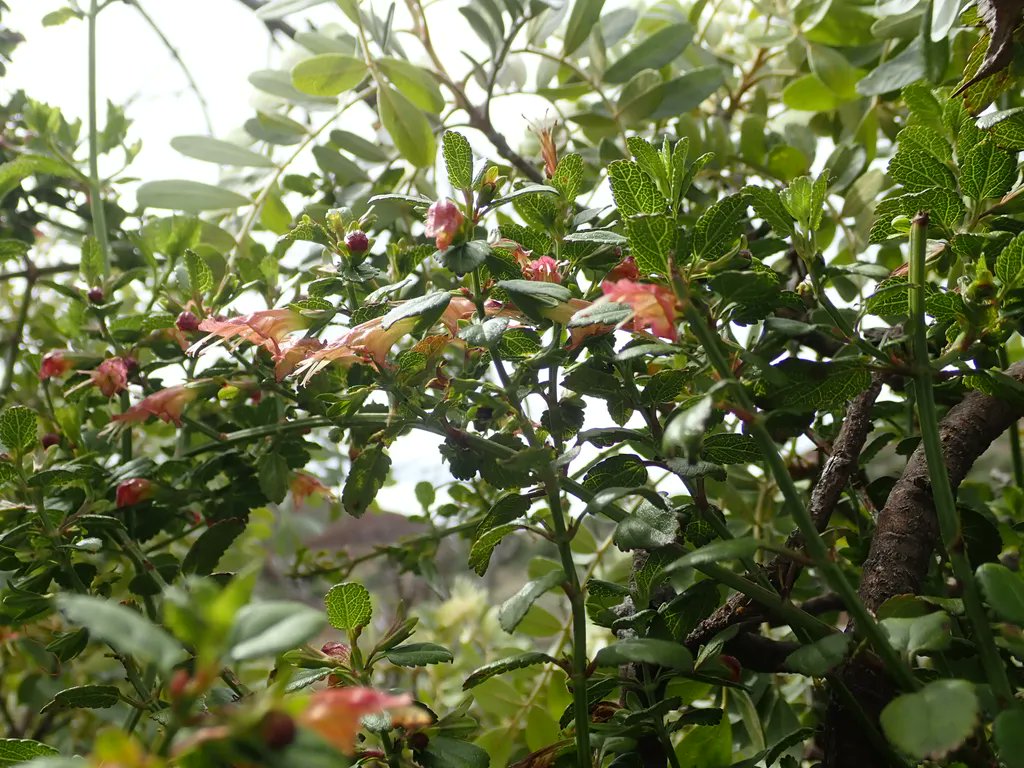
#Maunakea is home to two native mint species known as Mā‘ohi‘ohi, Stenogyne microphylla and S. rugosa. Hawaiian mints are unusual in that they have lost the distinctive fragrance from which mints get their name due to the lack of Hawaiian herbivores. #NativePlants
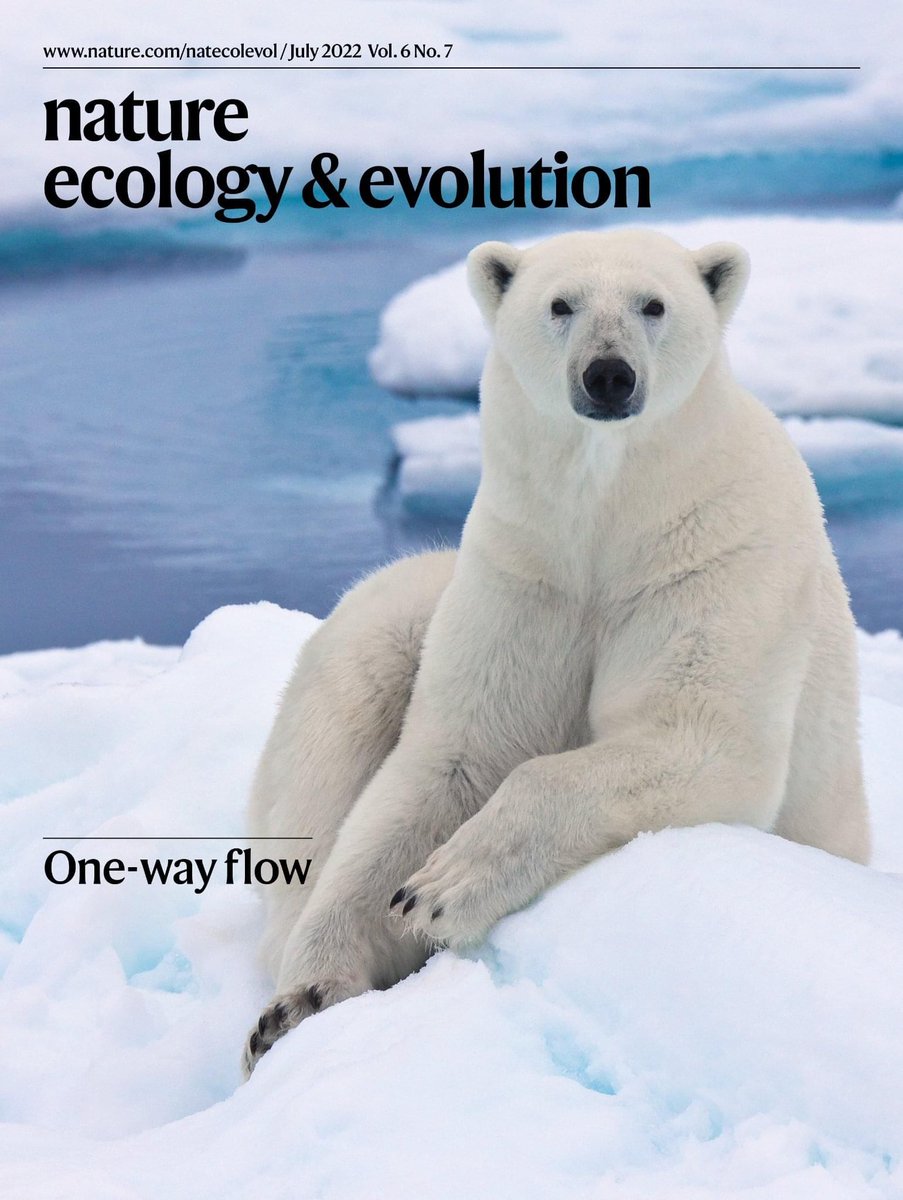
Using either ancient polar bear (shown here) or a modern one, older gene flow shows a brown—>polar bias, whereas more recently there was a polar—>brown bias… but clearly bidirectional at both times
Brown bear - polar bear hybridization has been principally bidirectional over time, but with different preponderant directions; ancient being brown—>polar, more recent, polar—>brown. Read our work and new method, delta-statistics, led by Kalle Leppälä https://t.co/t8H1gsTkna
The proof is in the bones 🦴 #UBuffalo archaeological research suggests some Alaskan #natives live EXACTLY where their #ancestors did 3,000 years ago ⬇️ @NSF https://t.co/1XGacgbB8r
I had the pleasure of speaking with @UBuffalo's @clindqvist1 to congratulate her on her $2.9 million grant from @NSF. Her groundbreaking research on the impacts of climate change prioritizes STEM training and preparing the next generation of diverse scientists. Congrats!👏🏽
The thesis chapter is now published 😊 I have learned so much from this work alone from everyone involved! Genomic insights into rapid speciation within the world’s largest tree genus #Syzygium (or the #clove genus of the myrtle family #Myrtaceae) https://t.co/GUm4hghxho
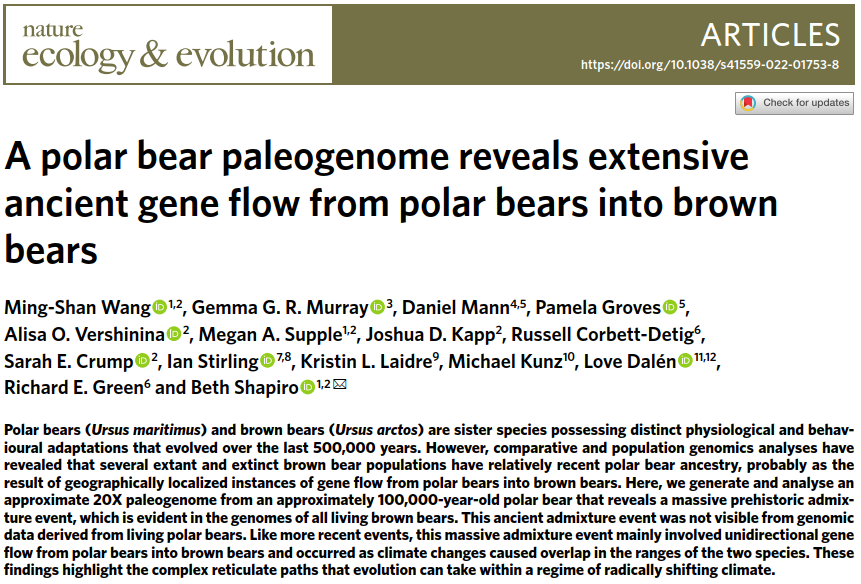
So, less than two weeks after we published our ancient polar bear paper with @clindqvist1@ThomasMailund and many others, another paper came out declaring results quite different from ours. Not trying to debate but maybe this kind of contradiction warrants an acknowledgement.
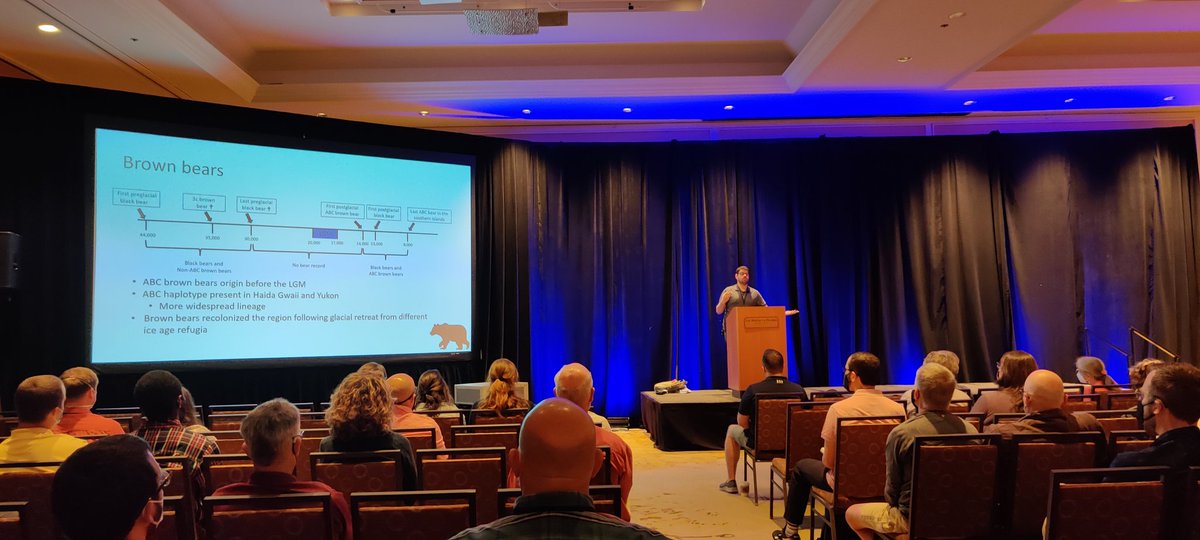
Detailed overview of the timeline of coastal BC black and brown bear distributions over the last glaciation by
@flavioascoelho -- isotopes and paleo-mtgenomes have many stories to tell!
@ #asmtucson
Our paper is out!
Insights into bear evolution from a Pleistocene polar bear genome | Proceedings of the National Academy of Sciences https://t.co/EEae6nYgqf
Why don't big, long-lived animals get cancer more often? A team led by @UBBiology's Vincent Lynch (@DevoEvoMed) is studying this question in elephants, tortoises and more. 🧪🐘🐢🦇🧬🔬 UBNow story by @UBChemistry medical chemistry student Alexis Nicholson! https://t.co/yfwR1YMJKD