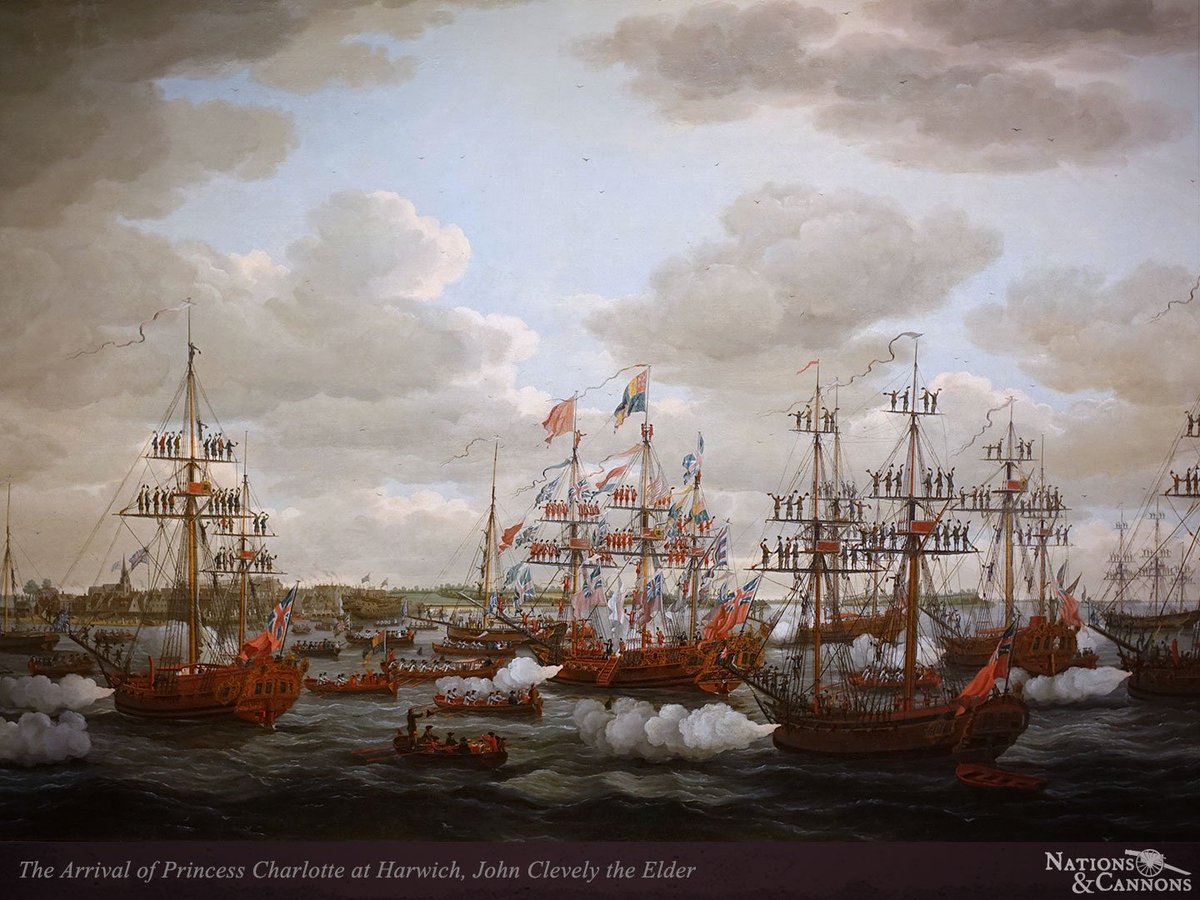
250 years ago today, on June 29, 1776, New Yorkers looked out at the water and saw a nightmare on the horizon. The British fleet had arrived, and so many ships filled the bay that witnesses said the masts looked like "a forest of pine trees" growing out of the sea. The timing could not have been more brutal.
This was the empire's answer to the rebellion, and it was overwhelming. The first wave of around 45 warships and transports dropped anchor off Sandy Hook and Staten Island carrying General William Howe and roughly 10,000 troops. Within days it kept growing. Then his brother Admiral Richard Howe arrived with more. It would eventually swell into one of the largest seaborne invasion forces of the entire 18th century, hundreds of ships and tens of thousands of professional soldiers and German mercenaries, aimed at one city.
Now sit with the timing. While that forest of masts was filling the harbor, delegates down in Philadelphia were in the final days of debating whether to declare independence. They voted for it on July 2 and signed off on the wording on July 4. So at the exact moment America was being born on paper, the most powerful military on earth was already anchored off its coast, getting ready to strangle it in the cradle.
The people of New York understood exactly what they were seeing. Alarm bells rang, panic spread through the streets, and soldiers sprinted to their posts to stare at a force they had almost no hope of matching. Washington's army was outnumbered, outgunned, and about to get badly beaten in the battles for New York that followed.
That's the part that gets lost in the fireworks every Fourth of July. Independence wasn't declared from a position of strength. It was declared with an enemy armada already sitting on the doorstep, knowing full well what was coming. They signed their names anyway.
Before the world went digital, we had Saturday mall runs, the smell of fresh wool, and nowhere else to be. Some things you just had to experience for yourself.