Taking off into 2021 like.... 🚀 🐦
RCF’s 2021 season is looking to be just as busy as our banding table! Full of tools, bands, books, gear, and of course birds! This Black-headed Grosbeak was banded by the team this past season as part of RCF's Monument Ridge project.
Did you know that we partner with universities for research in the GYE? Last week RCF staff assisted researchers from @CUDenver and @YellowstoneNPS staff with Clark’s Nutcracker surveys to develop a monitoring protocol and as part of a habitat use study #corvidresearch
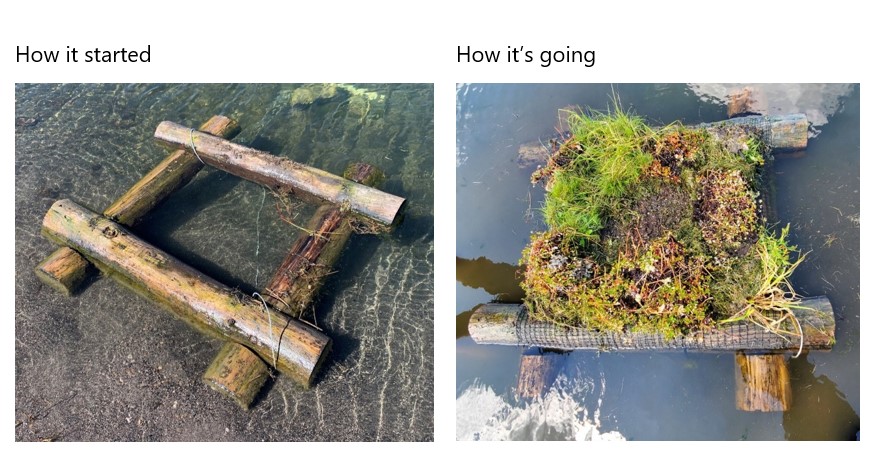
It takes a lot of work to build, deploy, vegetate, and maintain loon nest rafts! Over time, we encourage vegetation to take root and grow to mimic the loon's natural nest sites as well as minimizing our annual maintenance. #howitstartedvshowitsgoing#wildlifemanagement
In September, our founder Joe Ricketts and his family participated in the release of eight captive-raised cygnets in @YellowstoneNPS. Check out the press release below to learn more about Trumpeter Swan conservation in the park! https://t.co/t8xt9VRrDB
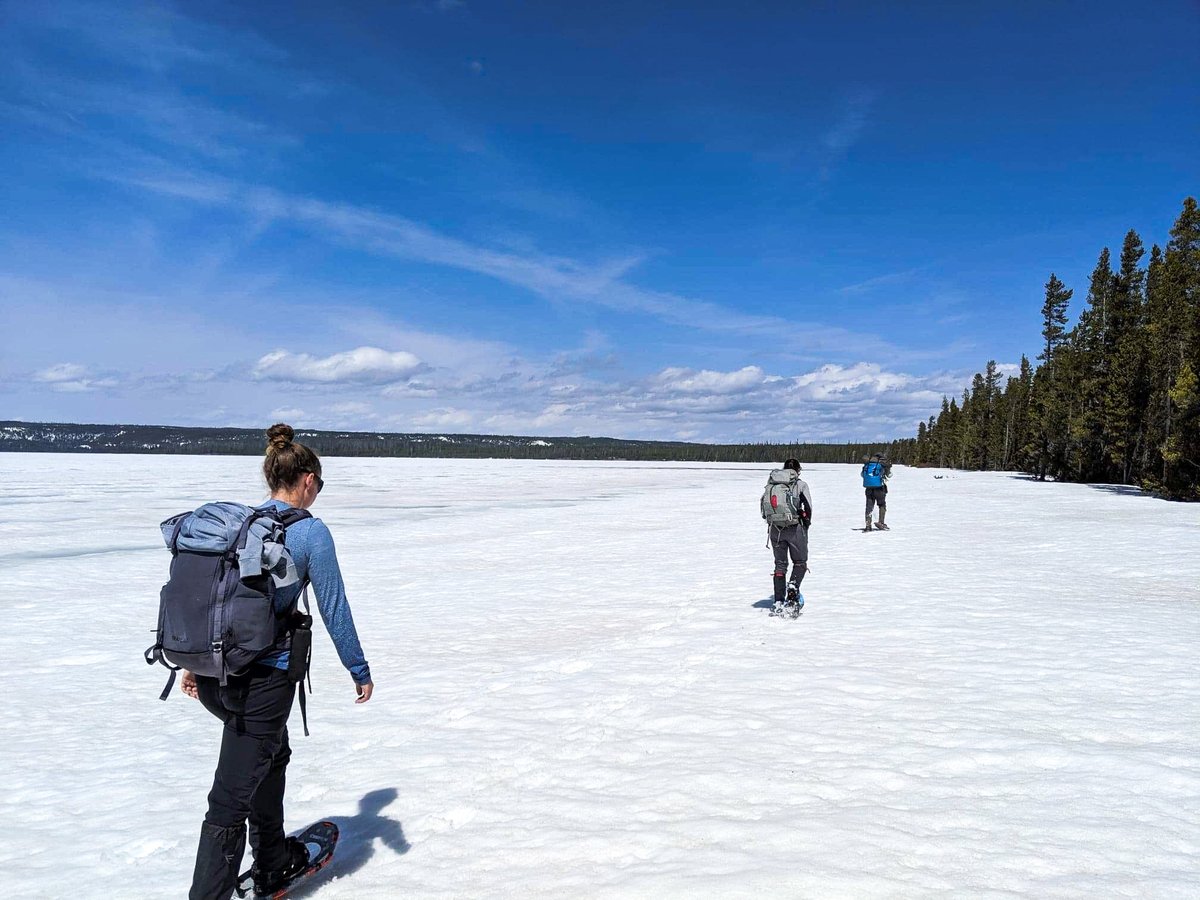
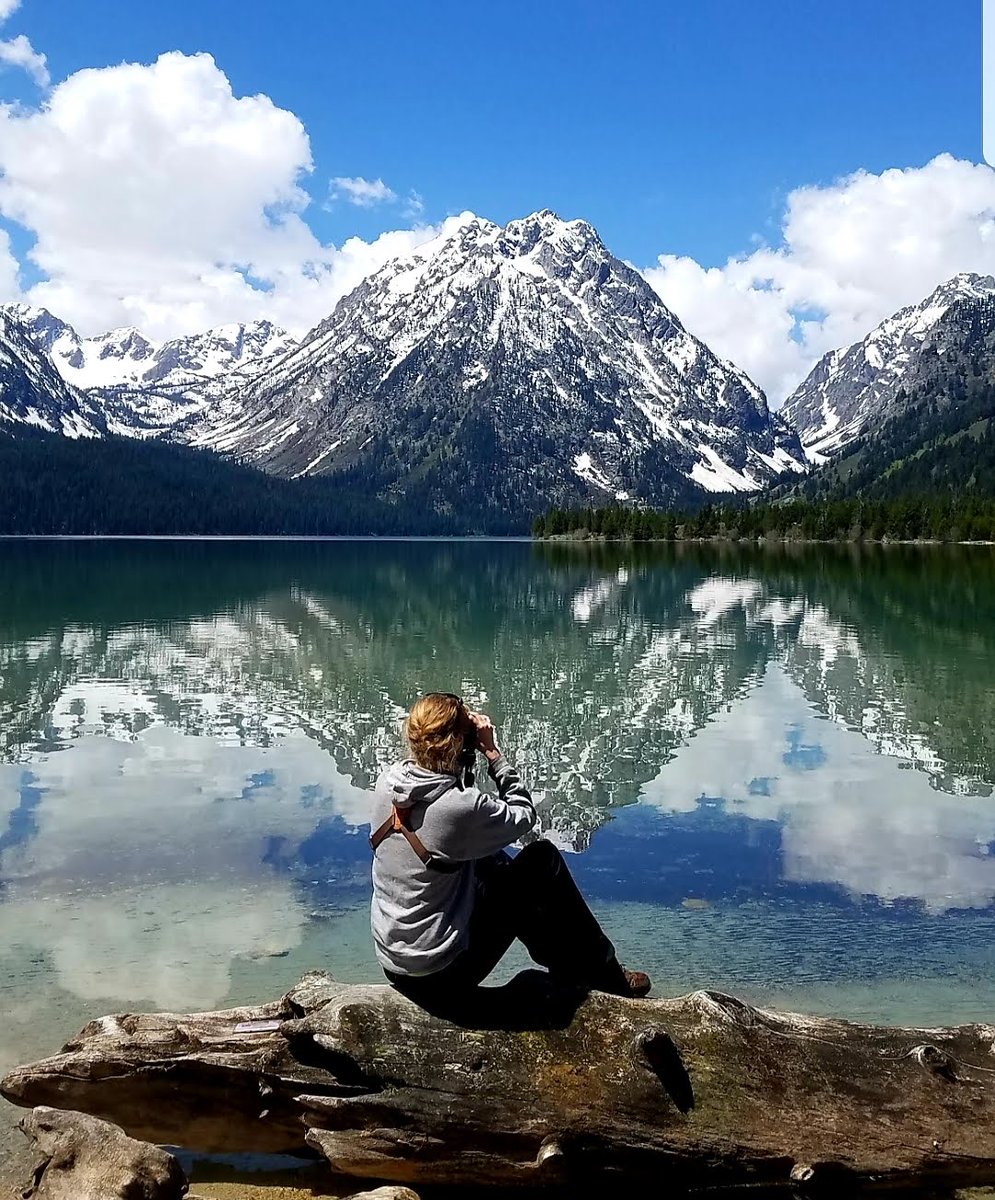
RCF conducted the 2nd annual Teton Loon Blitz to survey for loons in the park. Our hope is to detect as soon as loon pairs return to the park. We’re grateful for the work we get to do with our agency partners— especially in as beautiful a landscape as @grandtetonnps!
#LoonLessons Loons are incredibly territorial birds! When one loon intrudes on another’s territory, fights can turn vicious. Loons often stab and bite with their dagger-like bills from below—no loon (like the one pictured here) wants to be last on the surface!
📸: Kevin K Pepper
Ever wonder how buoys are set in lakes? Nesting loons in highly disturbed areas often rely on GYE agency closures to protect them during this sensitive period—RCF’s loon crew partners with the National Park Service to make it happen!
Sandhill Cranes come together in massive flocks (tens of thousands of birds strong!) on their wintering grounds and during migration. We’re lucky to see Sandhills on Jackson Fork Ranch as they migrate and make their way to breeding grounds in Western Wyoming or further north!
On this 50th anniversary of Earth Day, we at RCF are grateful for the spectacular creatures and places we get to study and help protect. Stay tuned for #earthweek staff favorite photos! 🌎 https://t.co/tf8lynKGGJ
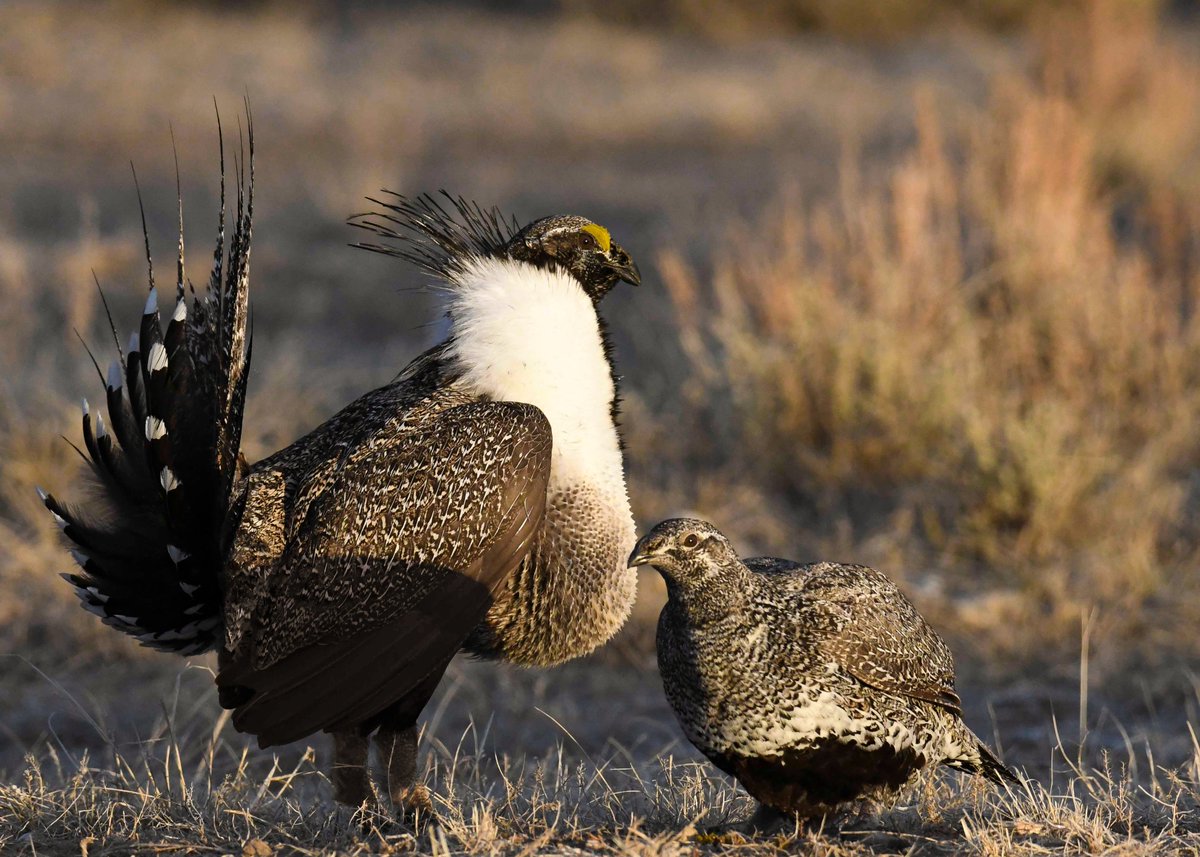
Social distancing and single digit temps haven’t stopped these Greater Sage Grouse from dressing up for a fun date!
Spring in Wyoming means the return of their dance-like leks!
https://t.co/cLAVdXoH82 #sagegrouse#conservation
Bring all 2,500 square feet of our visitor center's “Wall of Birds” mural into your living room! (Don't worry, it'll fit.) Explore all 243 beautifully detailed paintings—and learn about 375 million years of avian history. #BetterWithBirds https://t.co/fLvutVKkGA
Don’t forget the charismatic minifauna! Deer mice like this are just one of many small mammal species found in the GYE 🐭At Jackson Fork Ranch, we’re studying small mammal species and how their distribution changes in areas that have experienced wildfires.
https://t.co/8dqeabKO0V
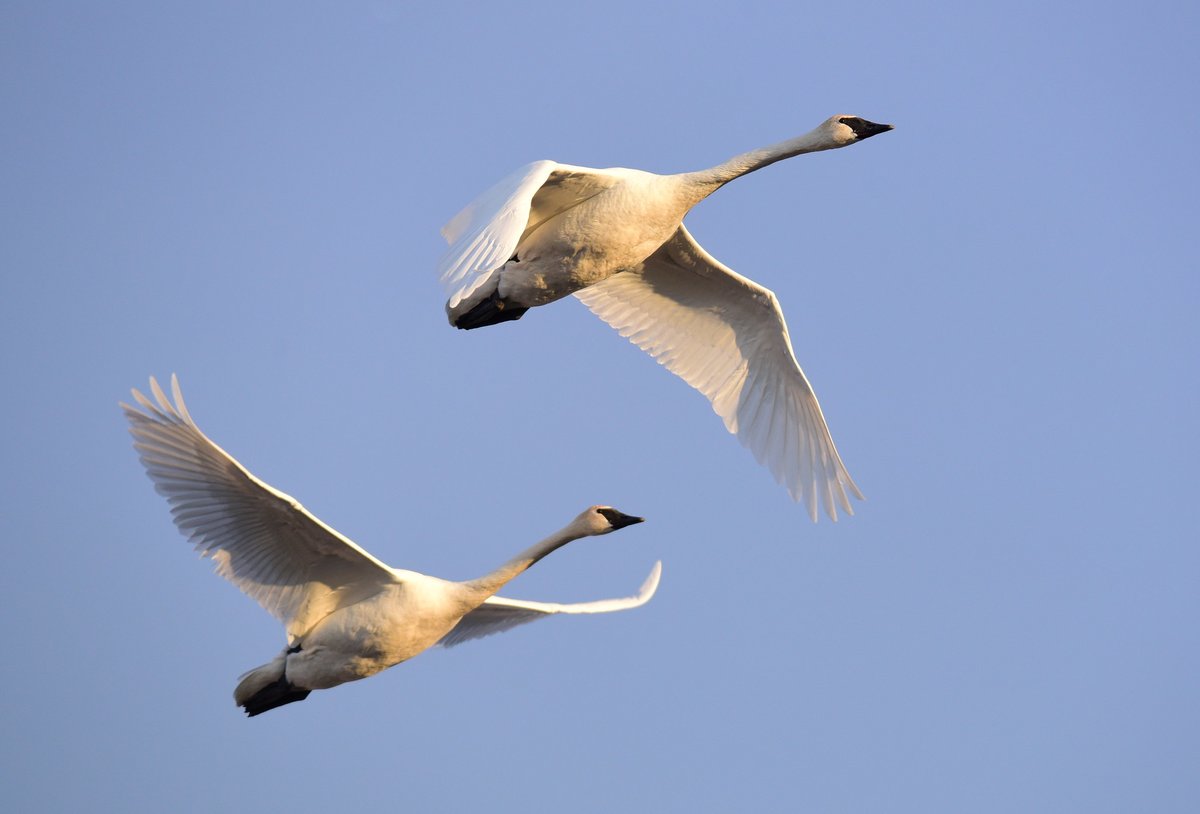
Male and female trumpeter swans looks very similar, but males are slightly larger and heavier. However, they do have different names! A female is called a “pen”, but what is a male called? Photo:@USFWS
A. Bro
B. Cob
C. Drake