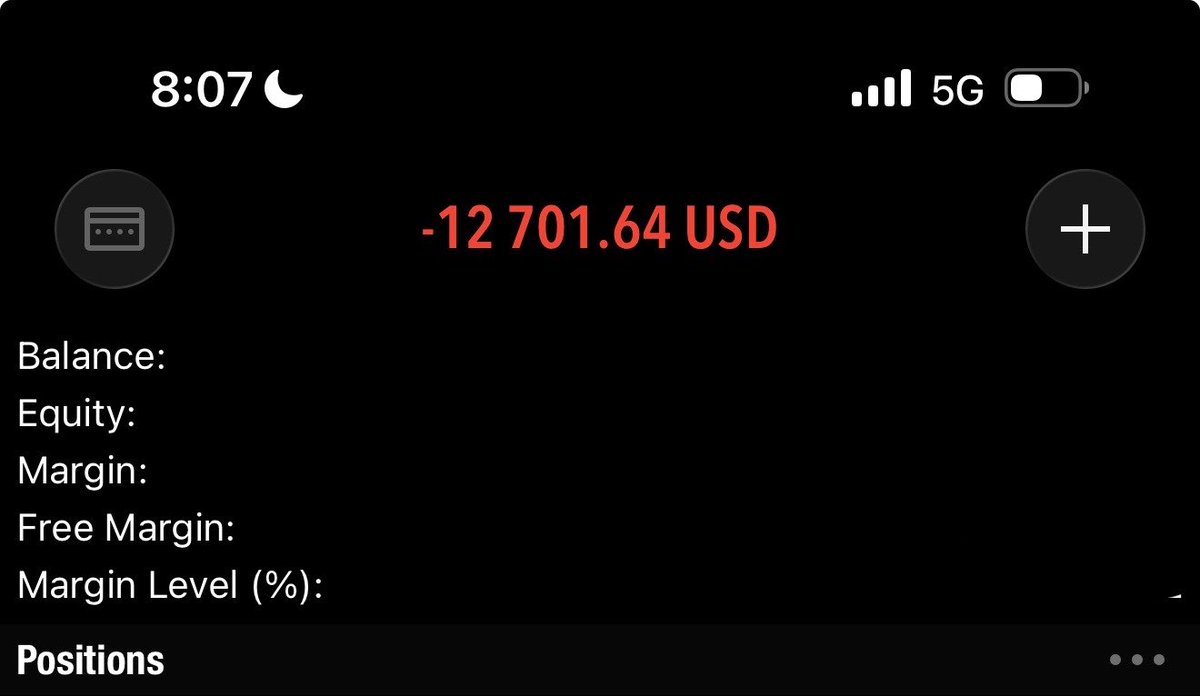
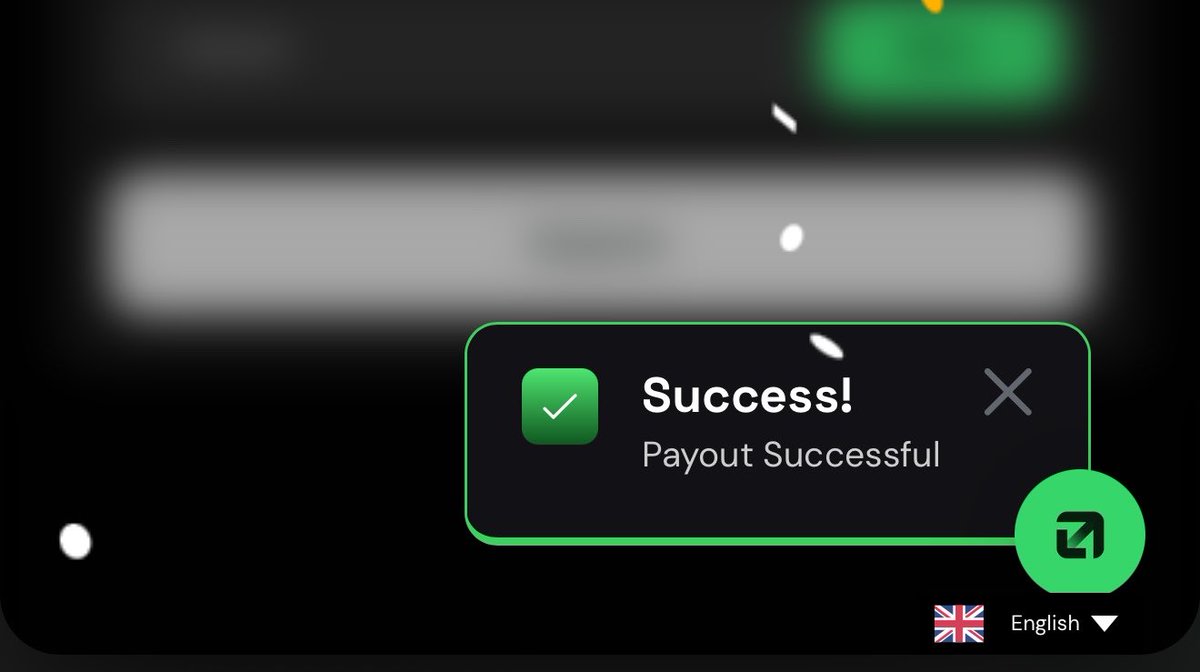
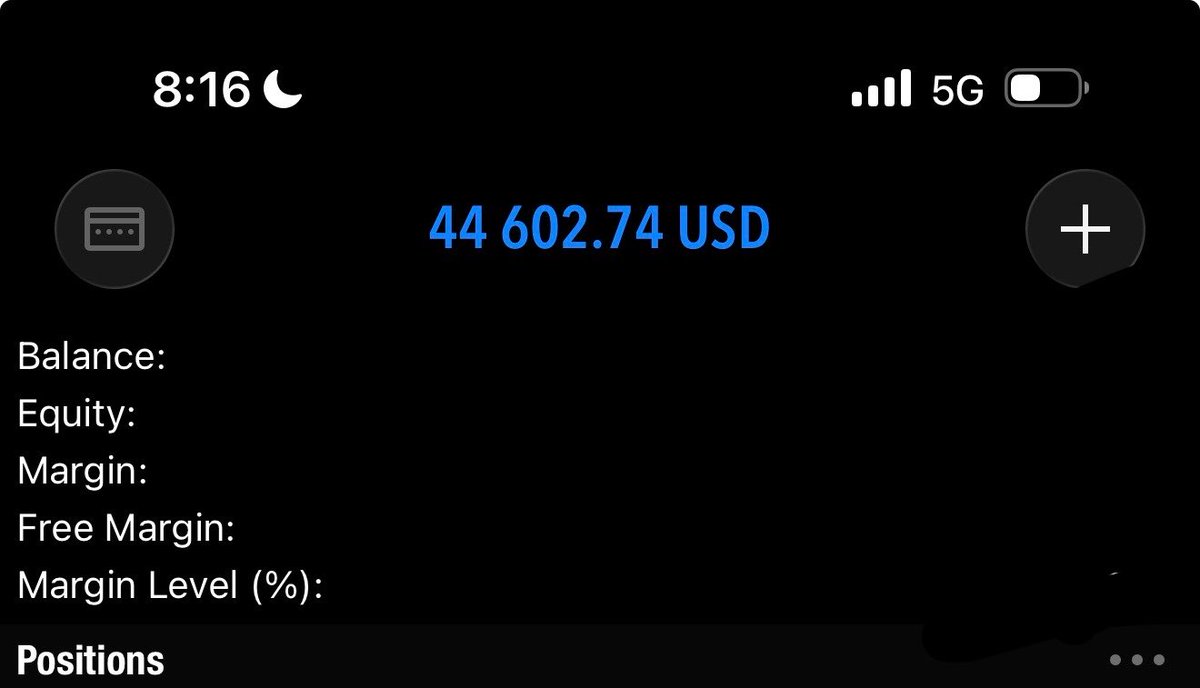
Another $23,000 withdrawal, 14 days after my last withdrawal. 🦅
While everyone has been complaining about how terrible the market has been lately, I’ve still been consistently pulling money out of it.
I didn’t sit around waiting for the market to get better.
I adapted.
And one of the biggest changes I made was the pairs I trade.
I stopped forcing my usual watchlist and started actively looking for pairs with better volume, liquidity and price action.
So if you’ve been struggling with the current market conditions, here’s a practical guide you can use to start picking better pairs too. 🧵👇🏽
✰ 1. Start with liquidity and participation.
I want to know:
Is there enough activity in this market?
Is there enough liquidity?
Is price actually moving?
A pair can be volatile and still give you horrible trading conditions.
So I’m not simply looking for movement.
I’m looking for:
Liquidity + participation + clean price action.
✰ 2. Compare the pairs on your radar.
Don’t look at each pair in isolation.
If I have EURUSD, GBPUSD and USDJPY on my radar, I compare them.
Which one is moving better?
Which has the cleanest structure?
Which is showing stronger displacement?
Which is respecting key levels?
Which is giving better follow-through?
I’m not trying to trade everything.
I’m trying to find the best setup available.
This is probably one of the reasons I took only 8 trades in August, even though I did far more analysis.
More analysis doesn’t mean more trades.
It means more opportunities to be selective.
✰ 3. Consider WHEN the pair moves.
This is important.
A pair might have excellent liquidity overall but still be a poor choice during your trading window.
Ask yourself:
“Is this pair actually active during the time I trade?”
If the answer is no, you’re potentially setting yourself up for slow movement, chop and poor follow-through.
When building my watchlist, I pay close attention to how each market behaves during my trading sessions (London + New York).
I want to know where the real movement is happening when I’m actually available to trade.
✰ 4. Don’t mistake volatility for quality.
A market moving aggressively doesn’t automatically make it a good market to trade.
Huge candles.
Long wicks.
Random expansions.
No follow-through.
That can be just as problematic as a dead market.
I want movement my strategy can actually exploit and one of the most important things I look for is clear market structure.
If I can’t clearly understand what price is doing, I don’t care how much the pair is moving.
✰ 5. Stop treating your watchlist like a fixed list.
I used to be very strict with mine.
If a pair wasn’t on my watchlist, I simply wasn’t trading it.
But market conditions change and when they do, your watchlist should be able to change with them.
Trade the conditions, not your attachment to the pair.
✰ Simply put: build your watchlist around CURRENT conditions.
Before adding a pair to your watchlist, ask:
→ What’s moving?
→ What’s liquid?
→ What’s clean?
→ What’s respecting structure?
→ What’s active during my trading session?
→ What’s giving me my A+ setups?
When the market changes, don’t immediately assume your strategy has stopped working.
Sometimes your strategy is fine.
Your pair selection is the problem.
You can have a profitable strategy and still struggle if you keep applying it to poor conditions.
The market changes so your selection process should change with it.
This adjustment won’t magically make you profitable but it can stop you from forcing trades on pairs that simply aren’t giving your strategy what it needs.
Remember to apply, not just bookmark.
Repost this to save someone from blowing an account.
Follow me, @Starr_gael, and turn on post notifications so you don’t miss my next post.
You’ll find trade documentaries, breakdowns, insights, results, and my personal trading thoughts on my WhatsApp.
Click the link below to connect. 👇
https://t.co/HOc1mv5KrZ