Today we’re the daily cover of Forbes… which is honestly pretty surreal. 😵💫😮
But with that came a big headline:
Why did we turn down a major podcasting deal and choose to stay independent?
So I thought I’d share the honest answer.
Last year, we were offered an undisclosed podcasting deal – the kind many of my peers whom I respect in this space have taken. And for good reason. These deals can be life-changing.
But for us, in our specific situation, it just didn’t feel like the right path.
There’s no “right or wrong” here. Everyone’s circumstances are different. This is just what aligned with our values, our audience, and our long-term vision.
🧠 Why we turned it down:
🚩 It would’ve meant *at least* 300% more ads on The Diary Of A CEO.
And honestly, our listeners have been clear – they want fewer, better ads. We hear that, and we agree.
Personally, I also believe there are smarter ways to monetise than just piling on more ads. Equity partnerships, long-term integrations and creating your own products, membership options… are more innovative options that keep the listener experience intact.
🚩 We would’ve had less control over where the show appears.
With these deals, you’re often contractually incentivised to focus on certain platforms – and sometimes, that means removing your show from others altogether. For a show that’s always been built on independence and accessibility everywhere, that felt like a step back.
I really think one of the beautiful things about podcasting is that it can appear on all platforms at once - and the viewer gets to decide where and when they watch it.
🚩 The numbers you see in the headlines don't tell the full story.
You don’t sign a $100 million deal and get the cash up front. These are usually multi-year deals, spread out over time, tied to performance targets, and come with significant obligations.
To put it in perspective:
- A “$125m deal” might be $25m/year for 5 years, and that money will only be paid if you meet certain performance targets.
That difference matters. Especially when you’re thinking about opportunity cost and long-term creative freedom.
For full transparency: we were offered two deals. The most significant was over a 3-year term. The fee remains undisclosed.
✅ When our Chief Revenue Officer, Christiana Brenton, modelled the numbers, she and her team believed we could actually do better on our own – without flooding the show with ads. By thinking differently about monetisation, we could retain creative freedom and beat the offer over the next 3 years.
✅ We’ve now got nearly 100 full-time people building our media company, Flight Story (which is home to The Diary Of A CEO) led by Georgie Holt. In my view, they’re the best in the business. We’ve built every capability in-house – strategy, data, production, creative, partnerships, ecom, social, marketing, newsletters and more – and we believe in betting on ourselves!
Time will tell if we were right 🤷🏽♂️
But betting on myself and my team is a decision I can live with – and truthfully, one I wish I’d made more often when I was starting out in my career.
Hopefully this gives some clarity on why we chose to stay independent.
We’re still learning, still building, and still listening.
Thanks for being on the journey with us.
❤️🚀👊🏾
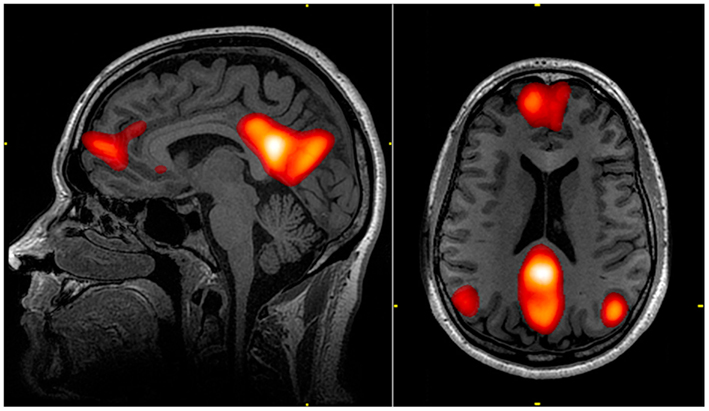
MIT just solved humanity's biggest weakness:
In 2025 the average attention span lasts no longer than 12 seconds.
But fortunately scientists discovered a 3-step method that fixes this.
Here's the protocol to rewire your brain:
I wrote a 20,000 word Notion guide on Personal Finance for Startup Founders
Covers equity, fundraising, how to set up cap table, raising money, taxes, hiring & compensating your team, running finance, selling secondaries & exiting
RT or Comment this post & I'll DM you a copy