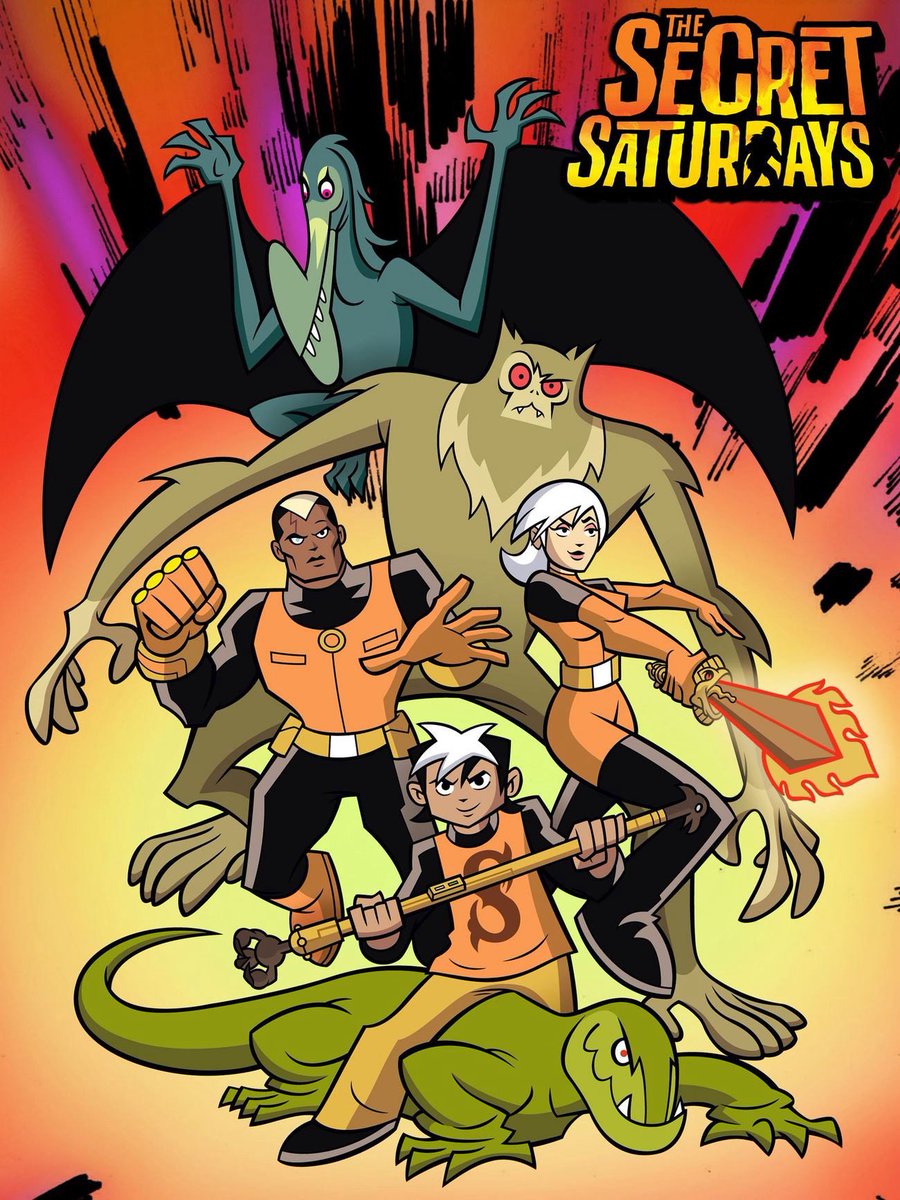
Ms Marvel in Secret Invasion 4
Flying back to warn heroes in NYC of the Skrull invasion to discover the Skrulls had already invaded there too… and Nick Fury alive?
Bendis | Leinel Francis Yu
(1/7)
I created multiple accounts with the same email through the use of aliases. I didn't realize this was against the rules. I've waited a month to try and create a new account with the base email address. Since I can't appeal for the ban to be lifted, what do I do?
@UbisoftSupport
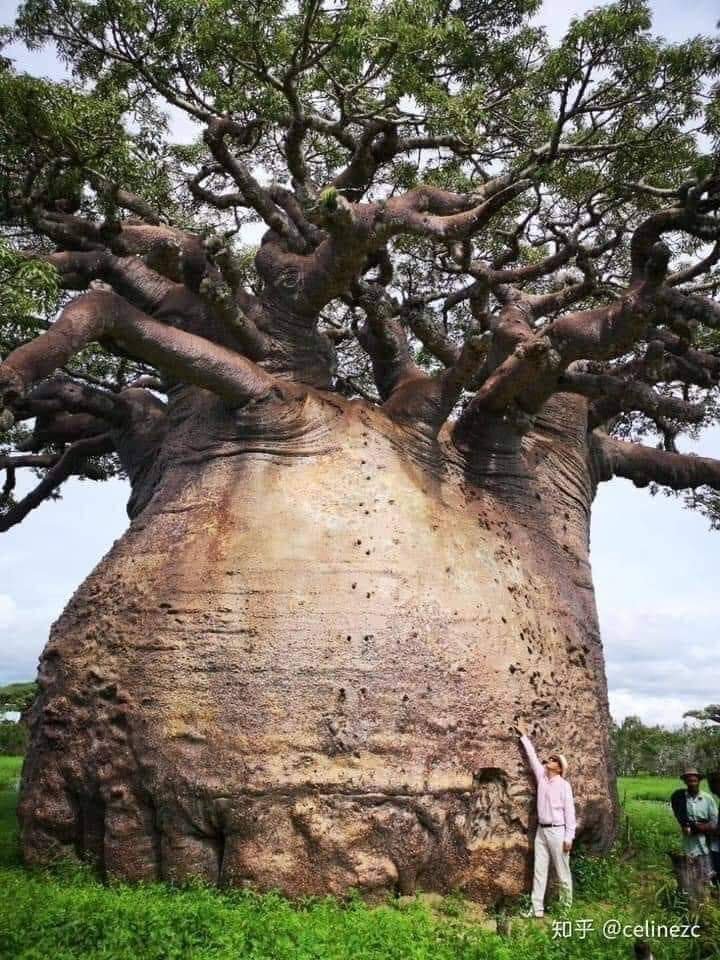
The sacred Tsitakakantsa, a massive and ancient Grandidier's baobab (Adansonia grandidieri) located near Andombiry in Madagascar 🇲🇬.... This giant specimen is estimated to be around 1200 years old and has a massive trunk circumference of nearly 29m. Known locally as the "mother of the forest" or "mother of all trees," it is considered a sacred and protected landmark....
Baobab, a prehistoric species which predates both mankind and splitting of continents over 200 million years ago. Baobabs (Adansonia) are distinctive trees with incredibly large trunks. They can store tremendous amounts of water, as their trunks noticeably swell during the rainy season.
Tree is native to African savannah, where climate is extremely dry and arid, it is a symbol of life and positivity in a landscape where little else can thrive. African baobab (A. digitata) has a vast range throughout the arid parts of Africa; six additional species are native to the Indian Ocean island of Madagascar, off south-east Africa; and an eighth species is native to north-west Australia. The largest known living baobab is the Sagole Big Tree, a specimen of A. digitata located in Masisi, Vhembe, South Africa, near the border with Zimbabwe. Based on its most recent measurements, Sagole has an extremely large base that covers 60.6m², a height of 19.8m and a total wood and bark volume of 414m³. Its aboveground dry mass is estimated to be 54 tonnes.
Baobab trees grow in 32 African countries. Tree known for its longevity and some specimens in Africa have been dated to between 1100-2500 years old and reach up to 30m high and up to an enormous 50m in circumference. Baobab trees can provide shelter, food and water for animals and humans, many savannah communities made their homes near Baobab trees. Baobab also looms among ancient mounds and remains scattered around them are invariably early medieval or Portuguese.
Until 2018, the largest living baobab was sacred Tsitakakoike Baobab, a specimen of the endangered species Adansonia grandidieri, which grew near Andombiro in the Ambiky Forest of south-west Madagascar. The incredibly stout and compact tree had a cylindrical trunk with a base that covered 59.6m², a height of 14.6m and a total volume of 455m³ - 380m³ of which was trunk and 75m³ of which was canopy. It partially broke and collapsed in February 2018 leaving about 40% of the tree still standing, but this was expected to also collapse soon after.
An even larger African baobab tree (A. digitata) alive during 21st Century was the Platland/Sunland Tree of Modjadjiskloof, South Africa, with a base of 67.9m², height of 18.9m and a total wood and bark volume of 448m³. Unfortunately, a large portion of the Platland Tree collapsed and died in 2016, leaving the Sagole Big Tree to claim the top spot.
Baobabs have among the lightest wood for any tree. Balsa wood is well known to model aeroplane makers as one of the lightest and softest woods with a wood density that averages around 0.15g/cm³, yet baobab wood is even lighter, averaging 0.13 g/cm³. As a result, the aboveground dry mass of the Platland baobab was estimated at only 58 tonnes and about 59 tonnes for Tsitakakoike. In terms of mass, giant gum trees (Eucalyptus) of Australia are the largest hardwood trees.
The Sagole Big Tree has been carbon-dated to 800 years old, the Platland Tree to 1100 years and Tsitakakoike to 1270 years.
#archaeohistories
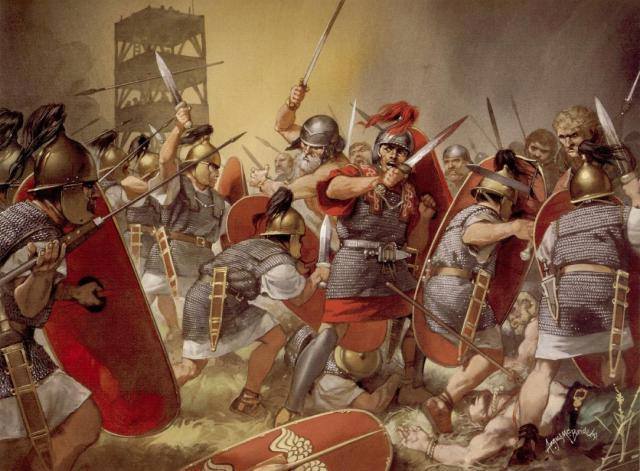
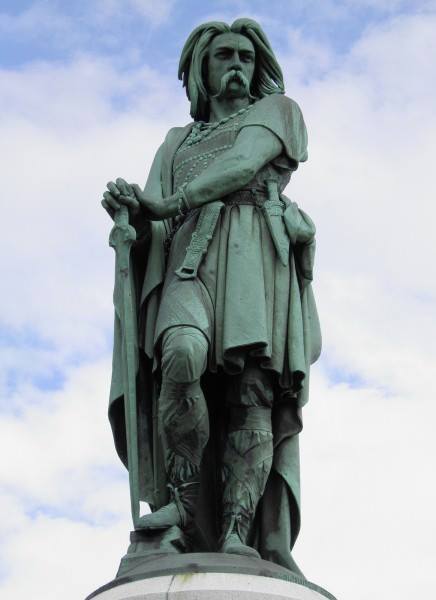
Today 52BC the battle of Alesia ended with the utter defeat of the Gallic Forces. The Roman victory established the Roman hegemony over Gaul which continued for more than 500 years (till 486 A.D.). The Battle of Alesia or Siege of Alesia took place in September, 52 BC around the Gallic Oppidum of Alesia, a major town centre and hill fort of the Mandubii tribe.This battle completed Roman conquest of Gaul during the Gallic War of 58-51 BC. Julius Caesar surrounded the Gaulish hill fort on Mont Auxois near modern day Djion in France with 11 miles of his own fortifications and an outer ring of defense works 14 miles long, aiding both his attack on the Gaul stronghold and protecting his forces from any Gaul relief force. The Gaul leader Vercingetorix managed to get cavalry out to ask for help from the other tribes but when this relief force was defeated by the Romans, and repeated attempts to break out had failed he was forced to surrender when the food supplies ran out. Numbers are far from exact but the Romans were supposed to have had 60,000 men under Julius Caesar, facing 80,000 men within the fortress and a relief army of 100,000
Today 52BC Vercingetorix, leader of the Gauls, surrenders to the Romans under Julius Caesar, ending the siege and battle of Alesia. Vercingetorix was imprisoned for 6 years before being publicly displayed during Caesar's triumph in 46BC & then strangled to death
The original STAR WARS (1977) poster art by the Brothers Hildebrandt.
This is actually a fascinating piece of STAR WARS history. The Hildebrandts created their version of the artwork for early newspaper advertising and retail posters, while Tom Jung’s more famous composition became the official U.S. Style A one-sheet.
The Hildebrandt artwork helped shape the visual identity of STAR WARS before the film had even become the cultural phenomenon it would eventually be.