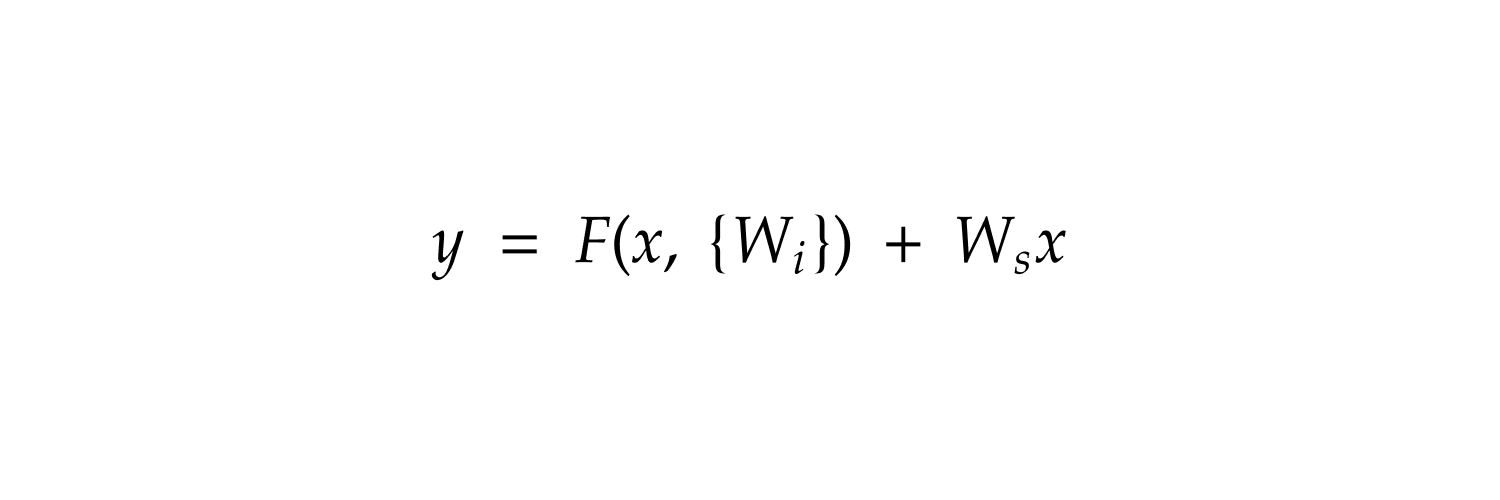
Had the honor to present diffusion transformers at CS25, Stanford. The place is truly magical.
Slides: https://t.co/Npm3NCmbtm
Recording: https://t.co/8Q9Mcrjxlq
Thanks to @stevenyfeng for making it happen!
Cool writeup on implementing turbo diffusion models step-by-step.
It trains one 9.79M DiT on MNIST and walks 1000-step DDPM -> DDIM/DPM-Solver/UniPC -> rectified flow -> 1-step methods (CT, CD, MeanFlow, DMD2).
On this setup, 1000 to 5 calls cost almost nothing visible, with no retraining. At only 2-3 steps, rectified flow already gives cleaner outputs, while v-pred DDPM still shows haziness.
The 1-step version needs a new objective: a denoiser predicts the average clean image for its input. From pure noise, that's the average '3', a blur. Many steps get past this by narrowing down step by step. CT, CD, MeanFlow, and DMD2 change the training target instead.
https://t.co/rk73wIRdob
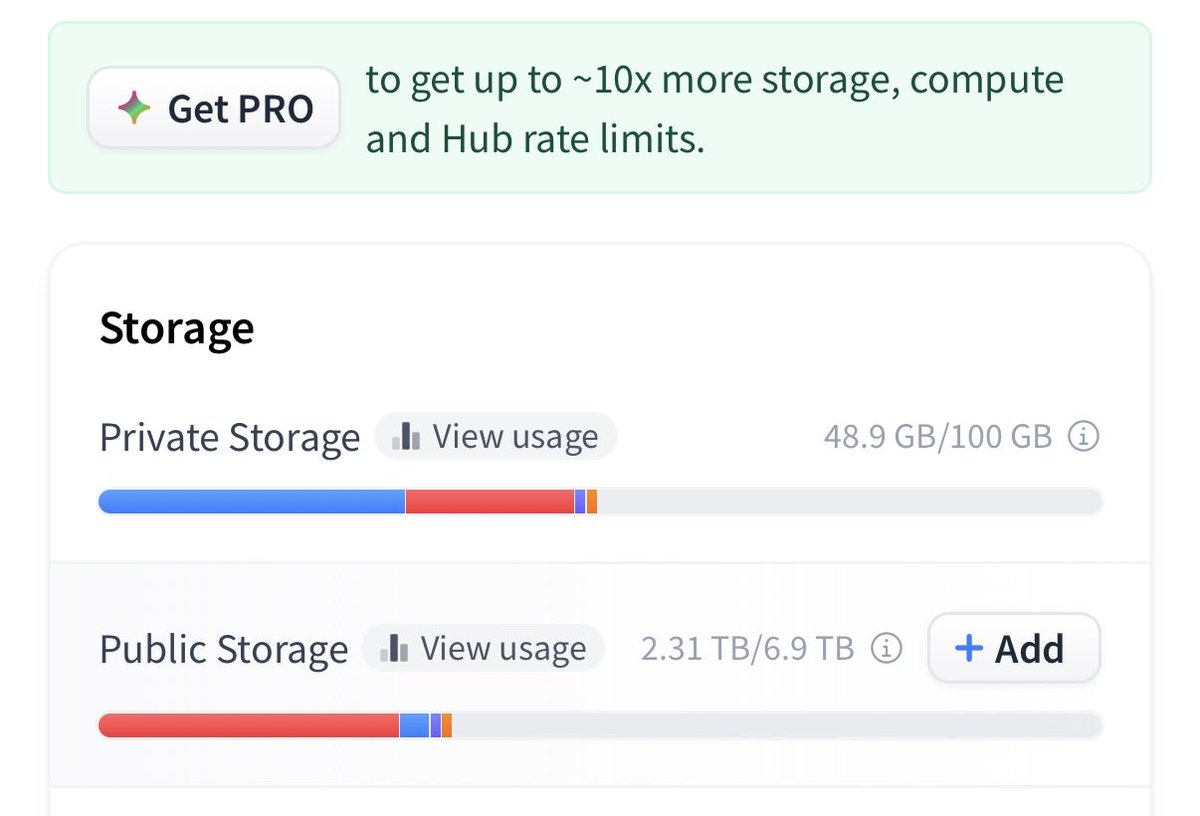
HF commitment to open source is embedded deep inside the nitty-gritty details.
You want private storage? Sure, here you get 100 GB.
Want more storage? Sure, open your data and you get a MASSIVE 7TB in your face.
Absolutely love the incentive.
. @OzzyGT wrote a guide on adding a model to Modular Diffusers without waiting for an official integration. The example is IDOL: one image to a 3D Gaussian splat, loaded with a few lines 🔥
You stay in one environment, and you get the same offloading, torch.compile, and attention backends as any other Diffusers model.
This is for running and sharing a model, not a substitute for an official PR. It uses `trust_remote_code`, so only load repos you trust.
This is going to be useful, so be sure to bookmark!
https://t.co/25cx40JcnR
PyBot: No weights. No training.
A chatbot built with only simple rules and no AI, entirely written in 600k lines of Python code. PyBot matches Smollm with 360M parameters!
How? A swarm of 1,000 DeepSeek Flash agents wrote the whole code in just a week.
https://t.co/Du5GVvvLb5
i asked claude to implement trellis.2 fully in cuda c++, and it is 5.3x faster than the original pytorch implementation 🚀
surprisingly, the glb-export function was the bottleneck, not the neural net itself. moving exporting to the gpu gave more gains than anything else.
- zero python runtime, all in c++ ⚡️
- cost 💵 ? ~$7 on claude and ~$60 on compute for testing on h200s through @huggingface jobs
- it still gave 2.2x better perf while being bitwise identical 🎯
the code is open-sourced for use here -- https://t.co/YDxMFveRnC
use it as a source for your agent to optimize your models, or utilize it directly. happy hacking! 🤗