@RenoDrew@DrJMarine Myelopathy is around 100. I am open to being wrong as I haven’t looked into the primary literature in quite a while, and didn’t dive too deeply into them. ARR with these numbers should be around 30% and 1% respectively since the vaccine is 100% effective.
@RenoDrew@DrJMarine It’s been a while since I dug into the data but I believe the IM polio vaccine is 99.9% effective at preventing infection. I believe naive human hosts have a rate of illness around 30% and the rate of myelopathy is like 1%. So NNT to prevent infection is around 3, and to prevent
ICU Facts:
In my experience, in any decent size ICU (~15 beds), at any point in time there is at least 1 patient with unequal pupils (anisocoria). People are often freaking out & rush to get a CT brain to rule out intracranial bleeding. Just think hard before reflexively do this
@AnilMakam I usually follow that with talking about how there is no good evidence that any lifestyle changes slow or prevent progression of disease. I then also tell them to not spend a lot of money on unproven therapies haha.
@AnilMakam Daily,families of patients with dementia (or people that worry they’ll develop it) ask me what lifestyle changes, or exercises,vitamins, etc they can do/take to slow or prevent. My approach is “do things that you enjoy, that make you happy. Be active. Be with friends and family.”
I absolutely LOVE this @Sensible__Med guest post today.
It’s utterly sensible.
The master clinician must master the art of doing nothing! Which is no small thing, these days.
https://t.co/xO3NV9LWQX
the entirety of the evidence is compelling against any meaningful benefit and now with serious harm signal
I know it sucks and we want treatments
but let's not disguise it as gold
My dean in medical school told us that the best thing you can do when asked to give a lecture or talk is to end five minutes early. Always makes the audience happy at the end no matter how well or poorly you've done. The opposite is also true: run over ten minutes and you'll get scowls regardless of anything you've said.
Lecture 1 of our 9 part series is out now on @Sensible__Med
All the other parts will come every other week and available to subscribers
This is the best course on critical appraisal you will ever see
@adamcifu@drjohnm
Subscribe now!
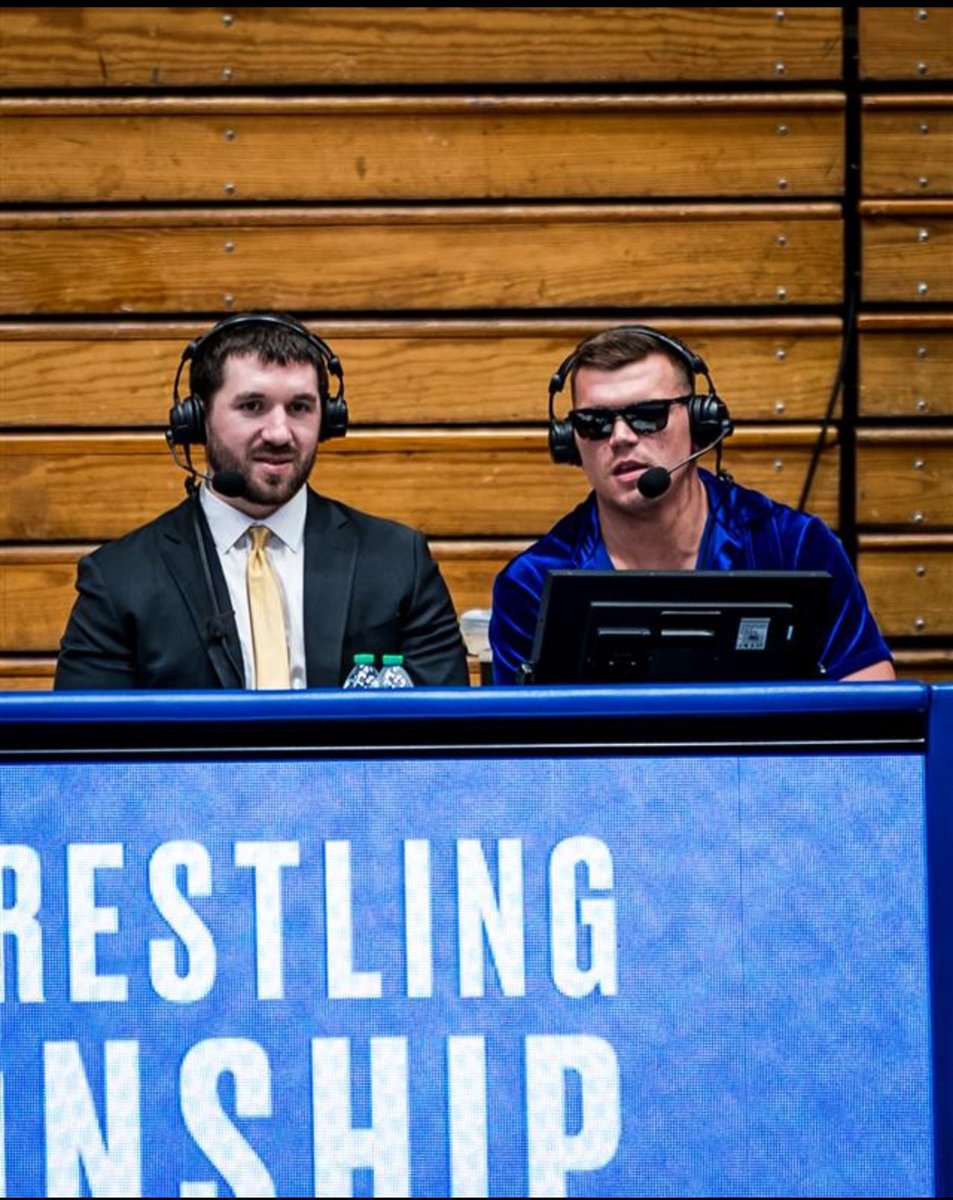
Dylan Ryan, MD ('15) highlights his time with @DukeWRES, his move to medicine, and his recent opportunity commentating matches for @DukeATHLETICS in our Neurology Faculty Spotlight.
https://t.co/fNGxxexFPO
Credentials) a couple months later. PCP says it’s not Parkinson’s and then orders a bunch of blood work to see if it’s “something else.” They ordered CMP, CBC, B12, CK, liver enzymes. It’s fine to have a differential but I’m confused as to the thought process here. #neurology
~ 80 year old patient with 6-8 months of resting tremor, shuffling gait, and hypophonia. Also some increasing pre-syncopal symptoms. I diagnose #parkinsons by bedside exam. She opts to not take treatment since symptoms are mild. She goes to see PCP (not sure their training/
The problem here is who decides what is misinformation?
Almost every Noble-worthy discovery was rejected by contemporary experts when the new ideas were proposed. If we limit information by allowing experts to control it-scientific advances will stop.
Looking back on the pandemic, we now know that most of what we were told by experts was not true. Do we lock those wrong ideas in place byu not allowing discussion of dissenting opinion?
The best solution is to maintain compeltely free speech and allow people to derive their own conclusions from data presented. We, as scientists, need to educate and convince the public with data and not maxims of what we call the 'truth'.
Language such as 'climate denier' needs to go away. Dataless ad hominem criticisms like these have no role in scientific debate. In real science, alternate ideas are considered and the truth determined via experimentation and convincing others with data.