‘Marsh Harrier male, Arnold’s Marsh’
acrylic, 44 x 34 cms.
A male Marsh Harrier flies over Arnold’s Marsh, mobbed by some of the resident Avocets and Lapwings. The Marsh lies between the villages of Cley-next-the Sea and Salthouse on the North Norfolk coast.
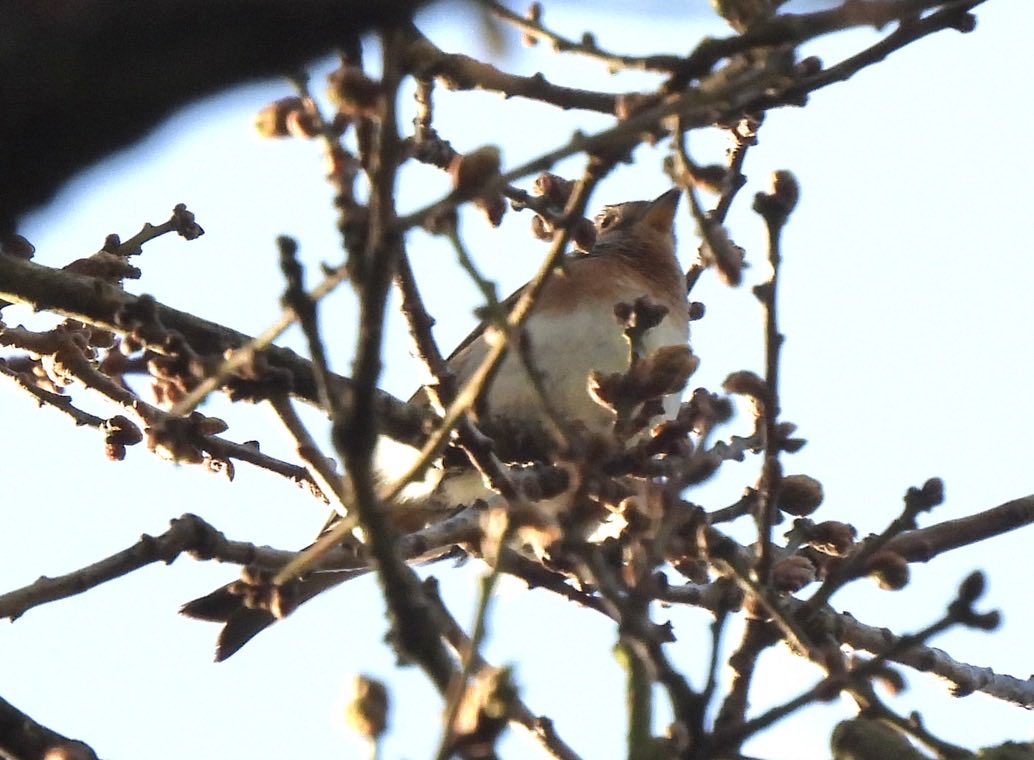
Many thanks to Rob Andrews for your tour around Rushmere Country Park. 33 species in total with Firecrest,Treecreeper and elusive Spotted Flycatchers as highlights. More fabulous Bucks habitat for us to explore. On to Greenham next week!
A striking thing about Team Forest City is that it attracts very charming and delightful people.
(Oh, and they switch off comments and RT’s or block you)
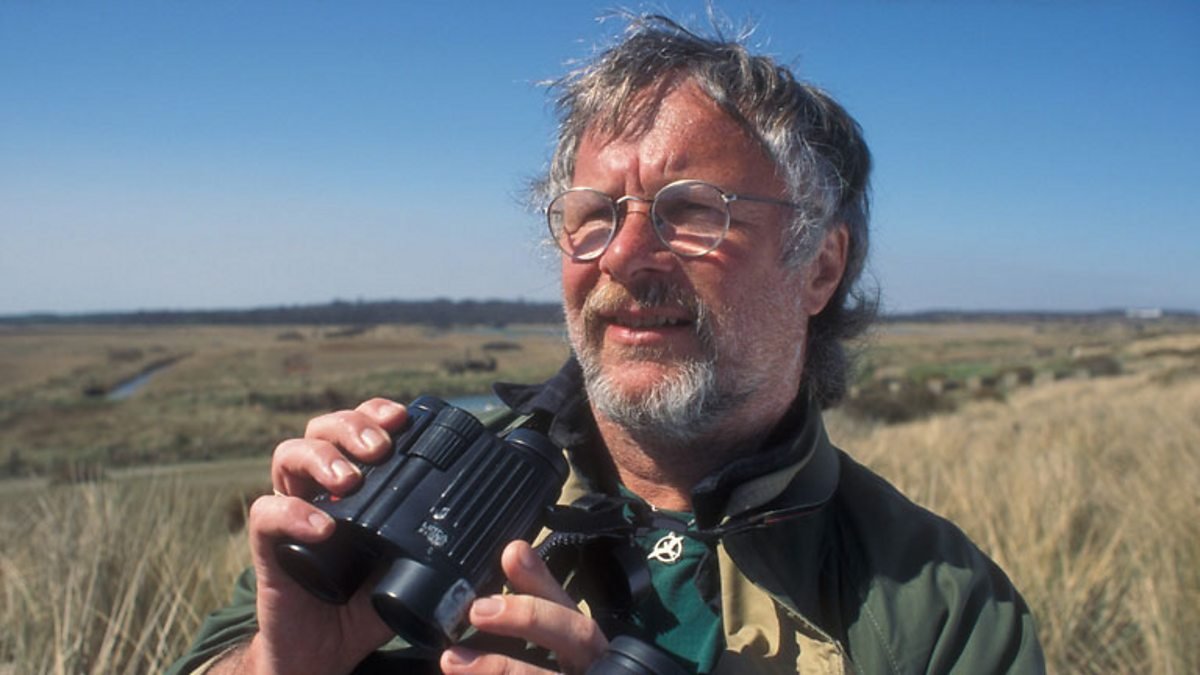
Thirty years ago this week, @BillOddie and I went to @RSPBMinsmere to film the first episode of Birding with Bill Oddie. Watching @exitthelemming and @AdrianEdmondson on @channel5_tv Sam and Ade Go Birding brought it all back. Congratulations on a wonderful series, guys!
This weekend is the Big Bucks Bird Weekend.
The idea is for everyone to get out and about, or watch their gardens and record all sightings into https://t.co/0KHZEvKvyM
So please do get birding and let's see what we can do.
Looking forward to a bumper weekend of birds !
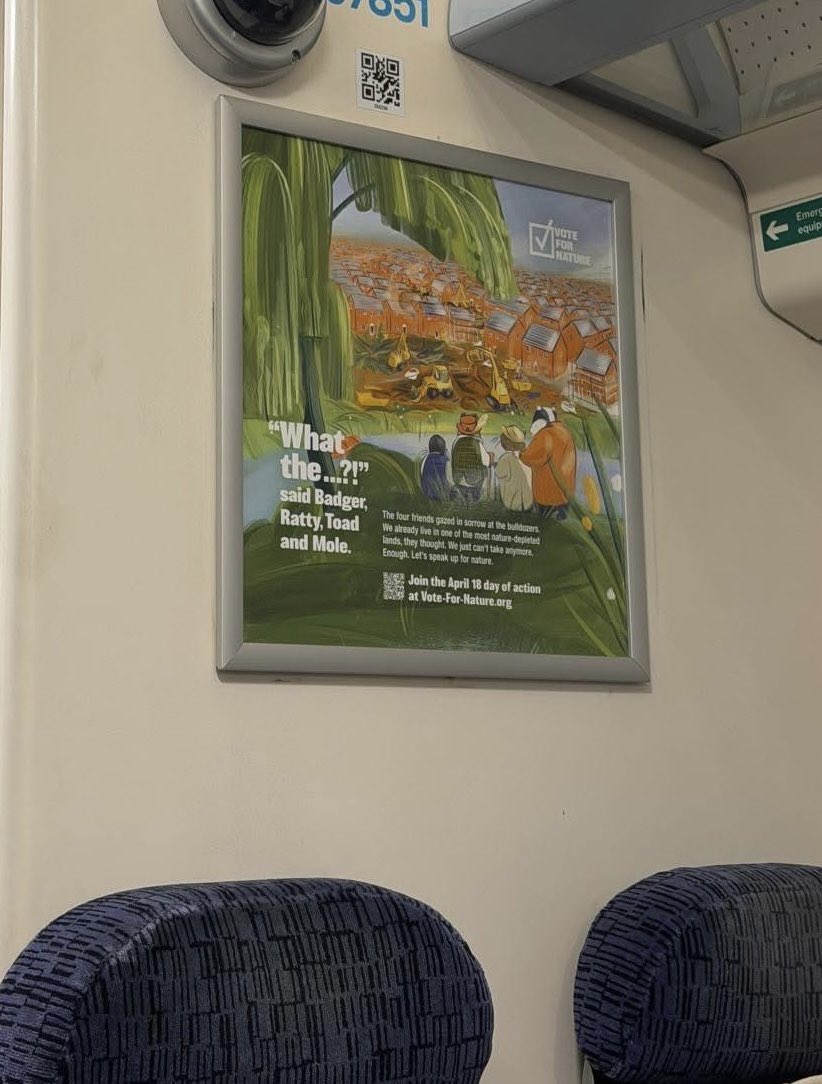
It wasn’t just rural communities protesting yesterday & it wasn’t just about greenbelt developments. The national day of action for nature was also about weakening environmental protections & urban nature reserves at risk. We were out dancing for nature in Bristol! #VoteForNature
Today was the National Day Of Action For Nature!
I was with Save @MinsterMarshes in Kent, showing my documentary ‘Minster Marshes’ throughout the day. Thank you to everyone who came, with over 300 attendees!!!
There was also an amazing talk by Nik Mitchell (@mitchellsnik), forest bathing with Vanessa Culliford and a great talk from Bird Wise East Kent!
I also went on one of Keith Ross’s tours of the abandoned hoverport, which is the first time I visited it. His knowledge of the hoverport is awesome!
It was so great to see so many people I worked on the documentary with: George Cooper, Becky Wing, Keith Ross, Nik Mitchell (who I got to meet for the first time, he’s incredible!), Sarah Bailey, Peter Lorenzo, Karen McKenzie, Vanessa Culliford, Angela Cressey, Caroline Pope and Sydney Jury!
Sir Roger Gale also came along, he was all across Thanet the entire day with Save Our Fields, then judging a scarecrow competition to highlight the threat to farmland and finally with Save Minster Marshes! The amount of work he does for his constituency (and beyond!), is truly astonishing.
Photos taken by Nik Mitchell, George Cooper and Sir Roger Gale.
#saveminstermarshes #rethinksealink #theplanetwecallhome #documentary #wildlife
A video - shot a few years ago - of a female Eurasian bittern (Botaurus stellaris) flying and calling above the territory of a male, who then joins her in the air; they then fly a short distance before landing, and then shortly afterwards, mating. https://t.co/G0E0XpHIPW Rarely-seen behaviour (and even more rarely captured on film) #bittern #birding #birdwatching #RSPBotmoor @RSPBEngland@_BTO@BBOWT@OOSbirding@BBCSpringwatch #phonescoping #digiscoping
These managers are lying about the Curlew population on Fenns and Whixall Moss NNR, falsely claiming they have increased the Curlew population. I advised them that killing Crows (they killed 191 in 2023), would be counter-productive.
I am the only person who has studied the Curlew population in depth, and 99.9% of the time I have been out on the Moss, there has not been a single other person there.
Before they started killing Crows, there were about 5-15 Carrion Crows engaged in nest predation behaviour. The same number there are, now. However, until they started killing Crows, most of the Crows were resident, and drove other Crows, and avian nest predators away. I never one saw Ravens, Common Buzzards, Red Kites, Marsh Harriers, Lesser Black-backed gulls etc, engaged in nest predation behaviour. Because they got mobbed by the Crows
As there are no territorial Crows left, just non-breeding Crows that come onto the Moss, just for nest predation, they no longer drive these other nest predators away. Meaning I regularly in one day, will see several Ravens, Common Buzzards, Red Kites and Marsh Harriers, and Lesser Black-backed Gulls, engaged in nest predation.
Of course the NNR managers never see any of this, because they are hardly ever out on the Moss as they only work office hours. I advised them of all this before I did it. They know I'm a graduate in ecology, and none of them have any ecological knowledge or qualifications.
No one disputes that it would be better if predators did not predate Curlew nests. However, killing Crows and Foxes does not necessarily reduce their population density, or predation activity, and can increase it. You don't have to take my word for it, when the RSPB did trial predator control, it made no difference to the Curlew breeding success. I forecast this, before this peer reviewed paper was published.
When I sent the NNR mangers this @Natures_Voice research to the managers they failed to respond, or read it. 18 months after I sent the NNR Manager, in charge of the Curlew project this peer reviewed research, I asked him if he'd read it, to discuss it with him, and he admitted he had not read it. When I tried to discuss population ecology with him, he got angry, and clearly did not understand the basics of ecology.
This is a vanity project, to make @NaturalEngland and the NNR managers look good. They don't give a flying shit about conservation or Curlews. It is all about appearances.
https://t.co/cjHOJnUUia
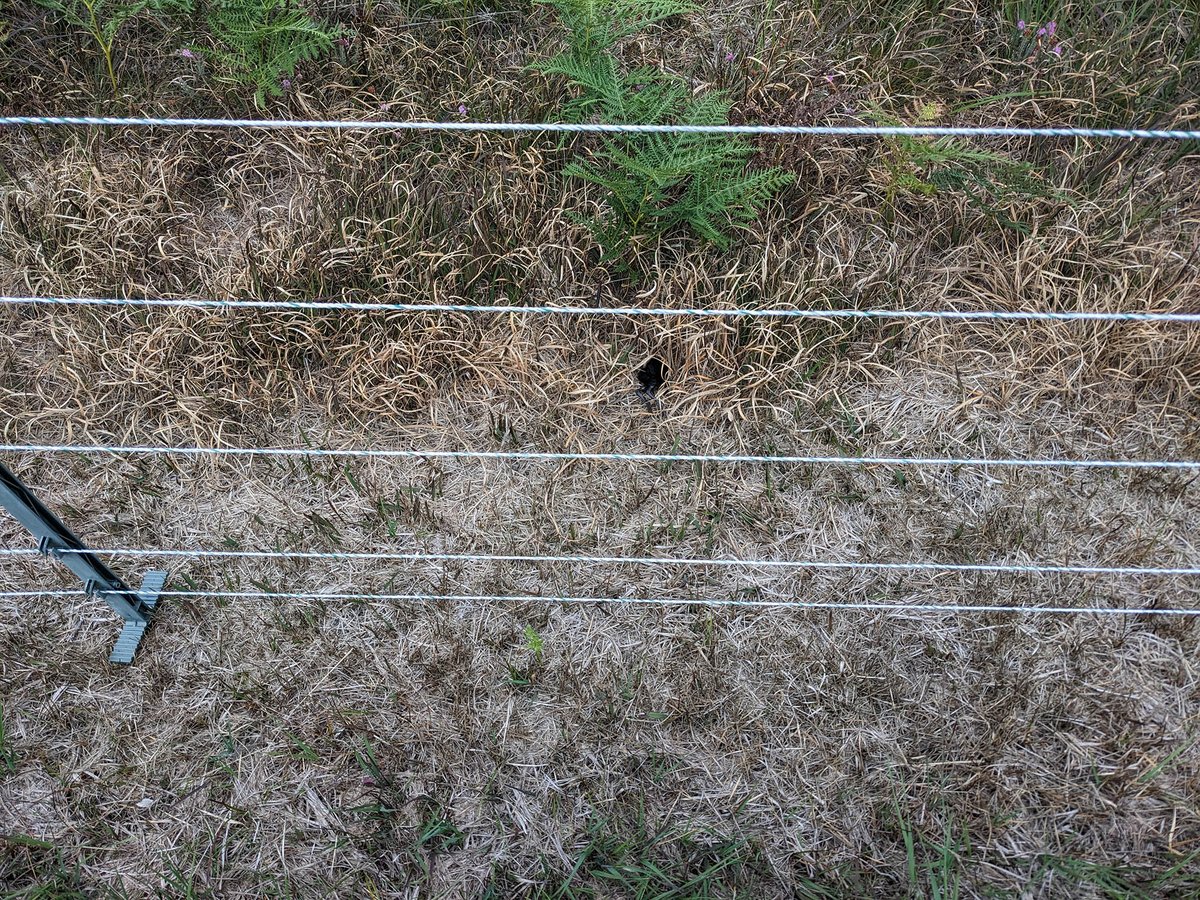
@TonyJuniper You will soon be able to read my blog about how the @NaturalEngland managers on Fenns and Whixall Moss NNR have reduced the Curlew population to half of what it was, only 3 years ago, and their electric fences are killing wader chicks, like these Water Rail chicks.
A BTO-tagged Common Cuckoo has smashed records by crossing the Sahara in record time and arriving in Europe at the earliest date: https://t.co/XPUkb7lojB
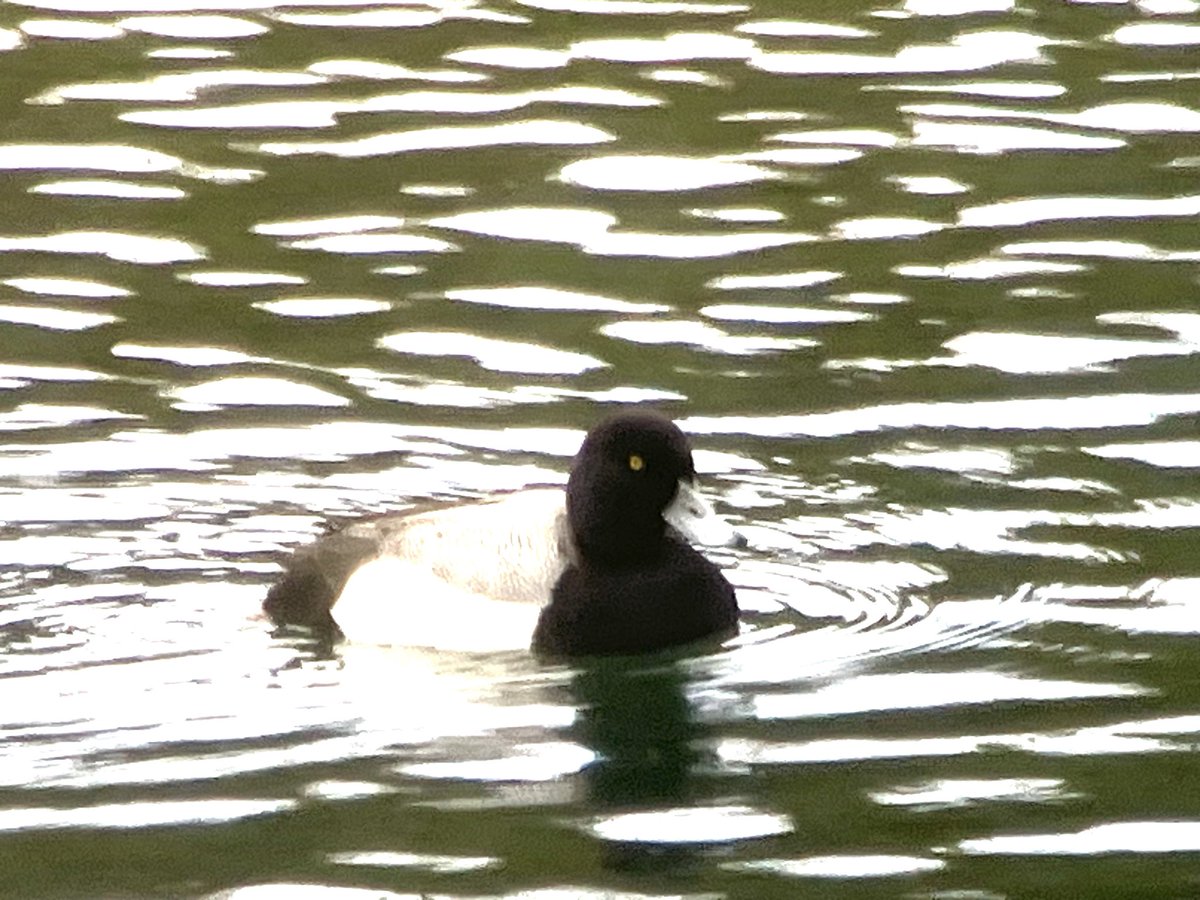
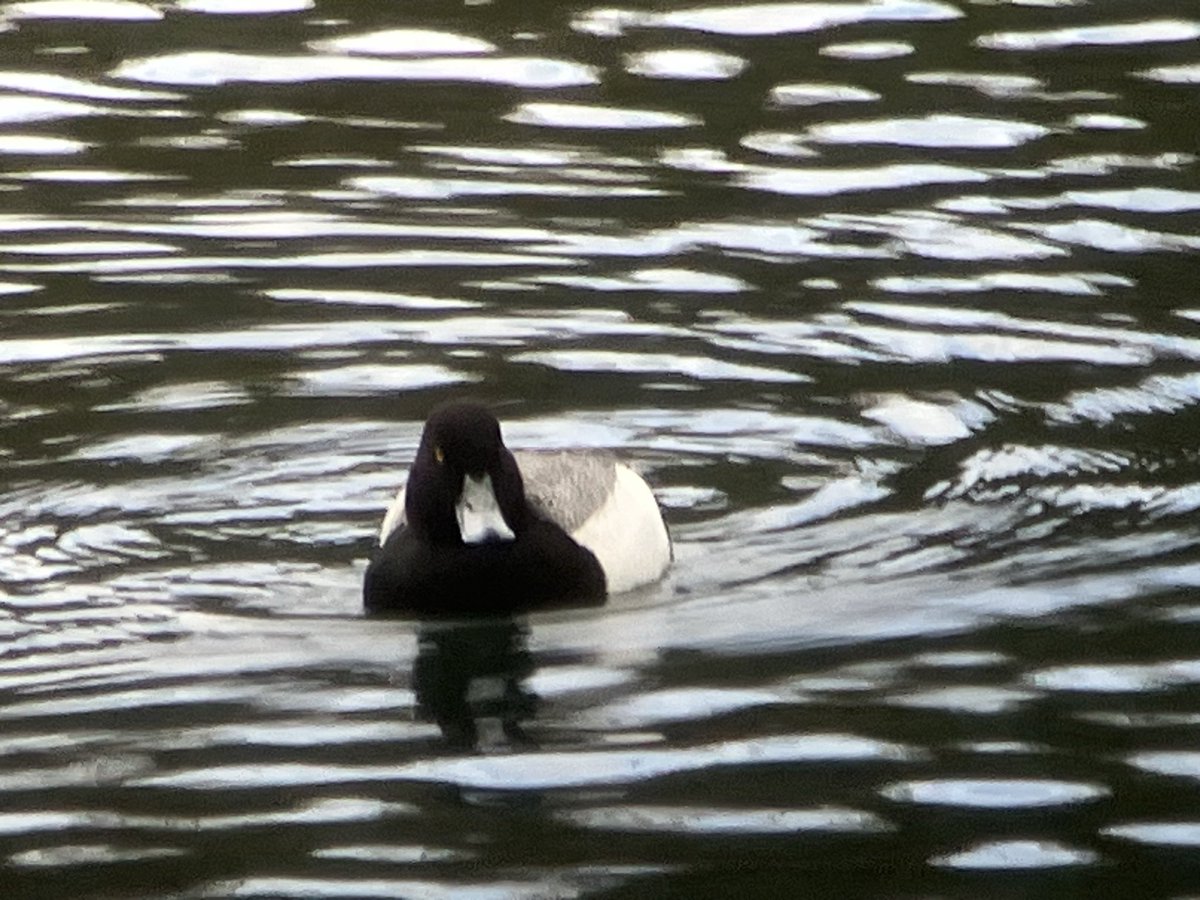
Fantastic male Leaser Scaup at College Lake, Bucks today. After seeing my first in Herts in 1996 I didn’t think it would be another 30 years before the first one appeared in Bucks!
A big day in Bucks today with @college_lake hosting the first Lesser Scaup for the county. He’s been showing well all day between Fitter and Castle hides, and is hanging round with the local Tufties. Should be a good chance of him staying for a couple more days.
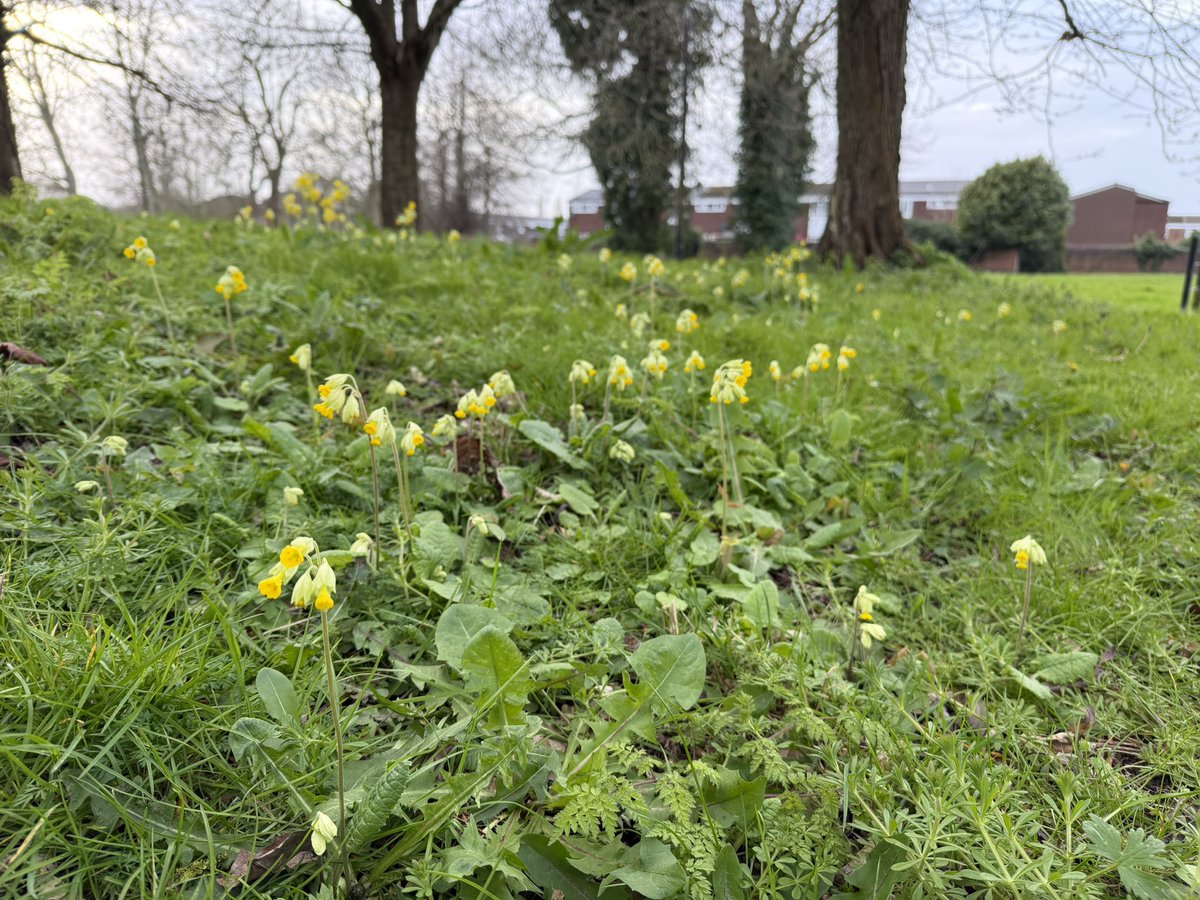
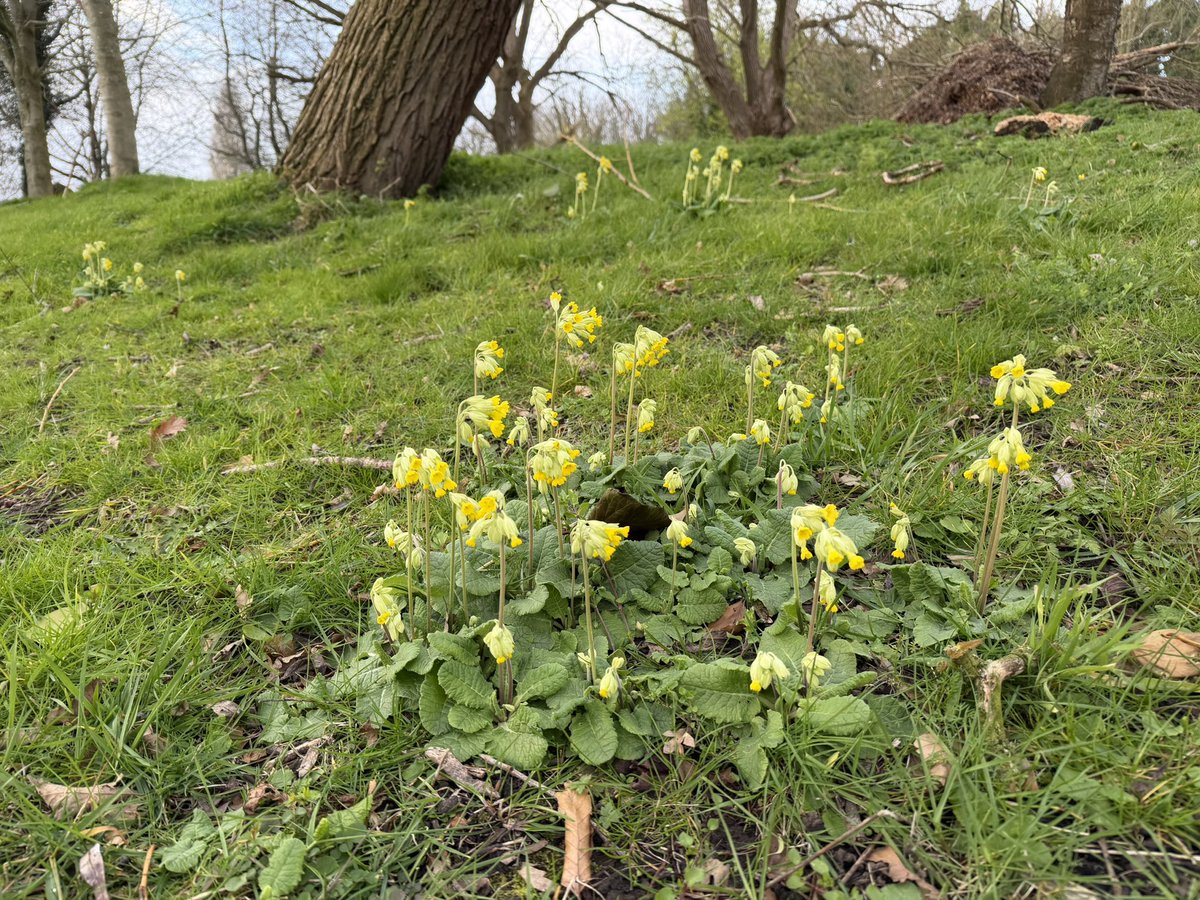
From a population of just 12 in 2021 just clinging on to life, this population of cowslips (Primula veris) has BOOMED since @lpoolcouncil let me manage this lil wildflower grassland.
From 12, there are now thousands of plants with hundreds in flower alongside so much more!🌱❤️