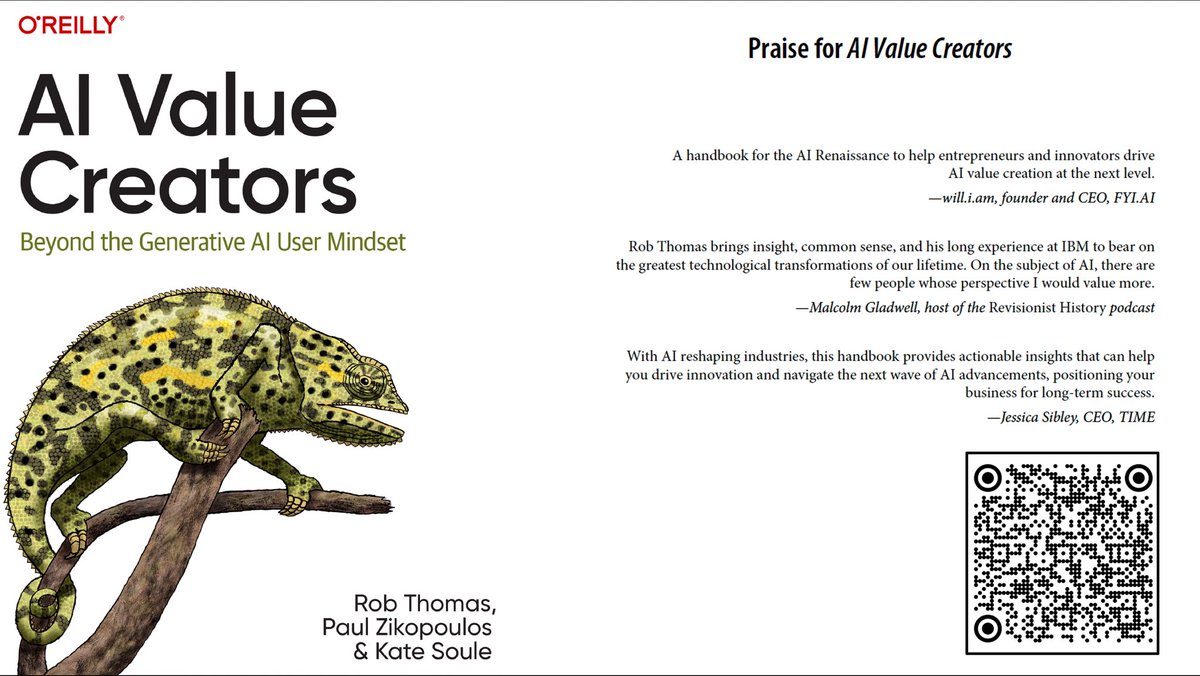
Our new book is out! Special thanks to @gladwell@iamwill and @jsibo for previewing!
This is a blueprint for incorporating AI into your business: real-life success stories and the lessons learned along the way.
Open source has evolved from a developer-led software movement into one of the most important enterprise technology strategies of the last thirty years. Linux proved that community developed software could become mission critical infrastructure, and IBM and Red Hat helped turn open source from an alternative development model into a commercially supported foundation for enterprise computing.
Today, open source is no longer limited to operating systems or middleware. It shapes cloud, containers, data platforms, AI, automation, and the application supply chains every enterprise depends on.
IBM and Red Hat helped define this history once before. Now, as AI accelerates software creation and increases supply-chain risk, IBM and Red Hat are defining the next chapter: trusted, secure, commercially supported open source at global scale, with Project Lightwell.
Introducing Project Lightwell from IBM and @RedHat, a new initiative to strengthen security across the enterprise open source stack.
See how Project Lightwell brings together agentic security techniques with the expertise of 20K engineers to address AI threats: https://t.co/19WRGN3g49
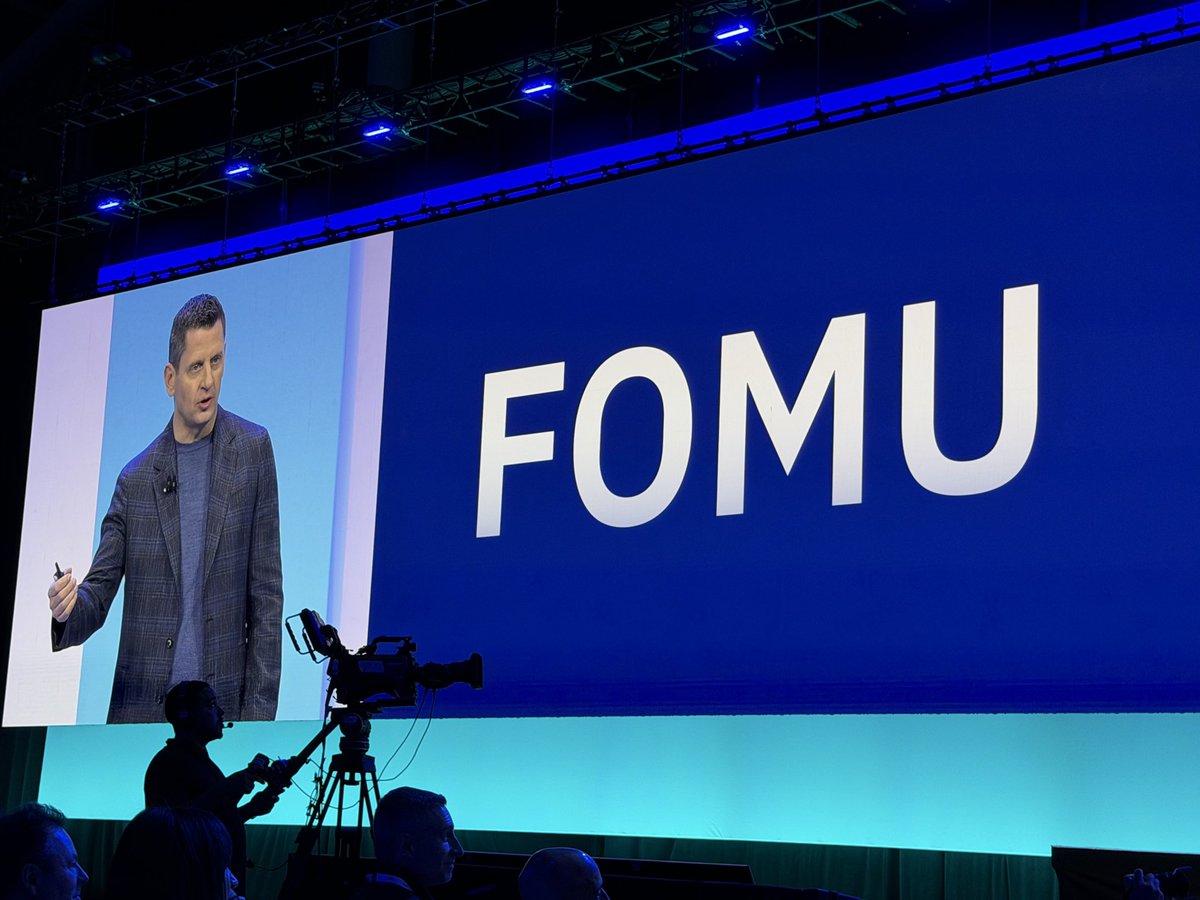
‘Fear of messing up’, #FOMU is keeping many technology leaders and practitioners at bay, when it comes to leveraging AI for advancing their causes. @robdthomas made that point well during this @IBM Think keynote this week.
#IBMThink#Think#Think2026
Devs better keep up. Basic code completion is dead.
@IBM just dropped IBM Bob. Nope, not another AI assistant—it’s a scaled-up engineering powerhouse designed to manage the entire lifecycle from ideation to deployment.
The game has changed. 👇
IBM just launched Bob globally. it is an AI partner that handles planning, coding, testing, and deployment.
they tested this internally with 80,000 employees before dropping it today.
they are seeing a 45% productivity gain across the board.
the wild part? Bob uses multi-model orchestration.
it routes simple tasks to fast models and heavy reasoning to Claude or Granite.
Meet IBM Bob. 👋
Now generally available, Bob is an agentic SDLC partner designed to move teams from isolated AI tools to coordinated delivery. Dive deeper into what’s possible with IBM Bob: https://t.co/BJvqDolvdW
hot take :) The biggest and most productive people in the AI era are the folks who are already good at their jobs. AI as a multiplier, not an equalizer/democratizer
Over the past 5 years, IBM (+79%) has actually outperformed Microsoft (+45%) and Amazon (+40%).
The $218B tech company made three smart AI-related moves in recent years:
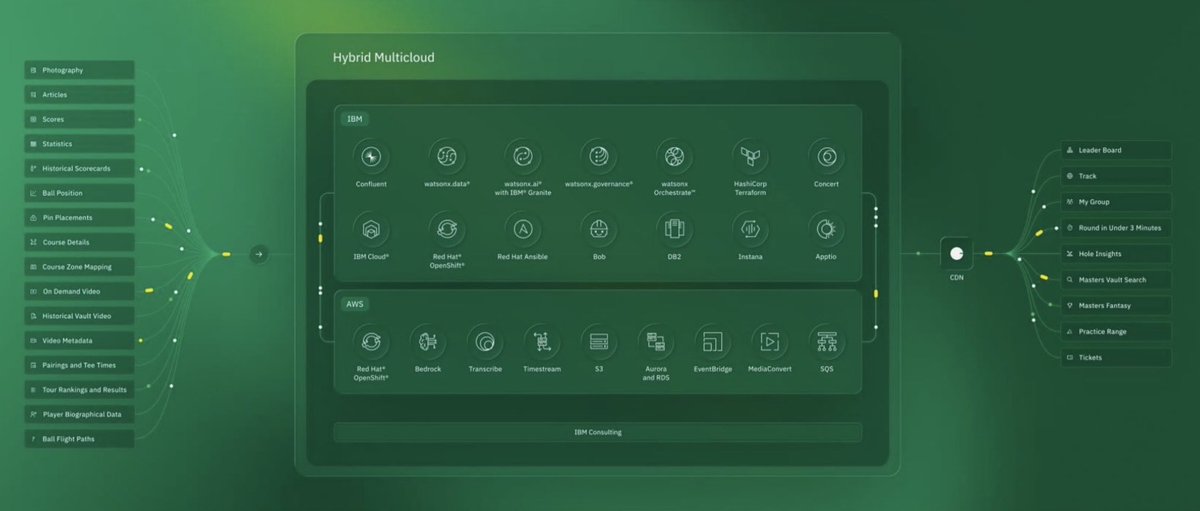
▫️ focus on helping companies manage hybrid and multiclouds (Red Hat acquisition)
▫️develop niche small custom AI models
▫️trim down its consulting services division to focus on AI engagements
I think everyone is substantially underestimating the total demand for software and automation in areas that don’t feel like “software”. Not talking about software that’s another app on your phone.
Software that just automates things for companies all day long. Most companies have not been able to bring automation to most areas of work because it’s been too complex or costly to do so. Outside of tech or maybe large banks, companies don’t have an unlimited supply of engineers. They have to ration resources very selectively, which means most things don’t get funded.
Further, there are many projects that never got done simply because the technology wasn’t there to solve the problem. Basically anything even remotely touching unstructured data was impossible to automate before AI, or connecting data flows between systems that deal with significant variability, for instance.
This is where all the new software and automation will be applied. It will be in CPG and retail connecting marketing stacks. Pharma research is about to explode because we can automate far more tests and simulations. Bankers and investors are going to run 10X the amount of analyses on every scenario. Healthcare providers will bring automation to the every step of the process.
Now that agents bring down the cost of doing this work, and because many parts of it are now possible, companies will light these projects up. This is why there demand will continue for anyone technical enough to execute this work, and why the jobs arguments will be wrong.