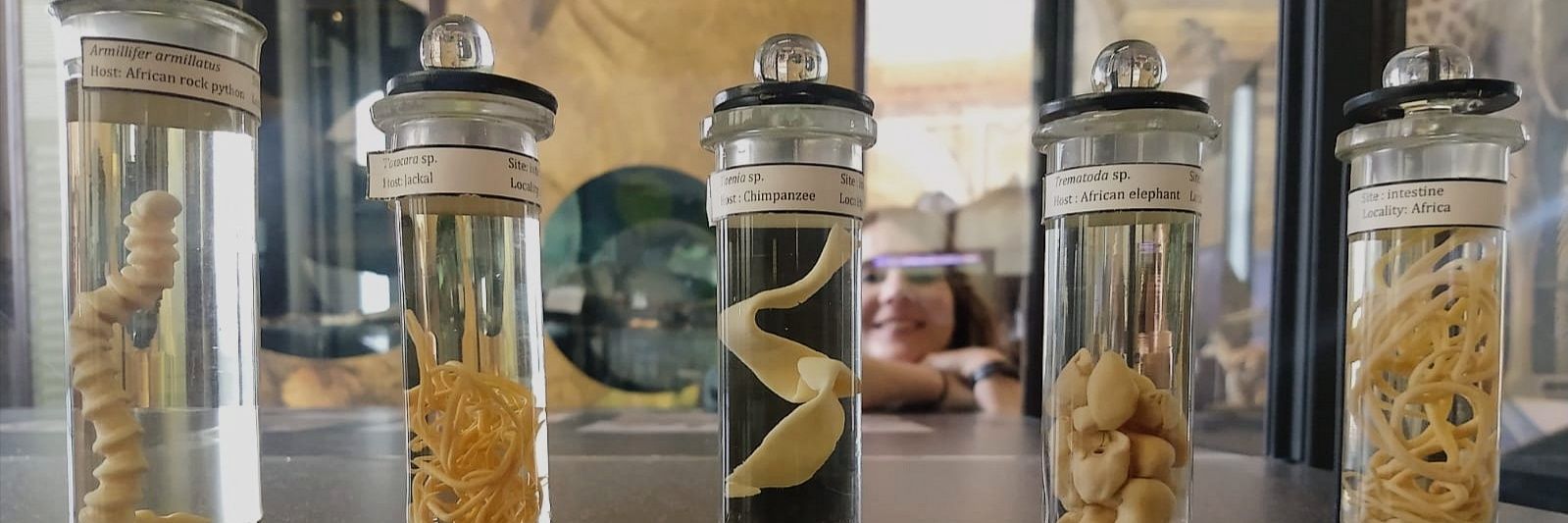
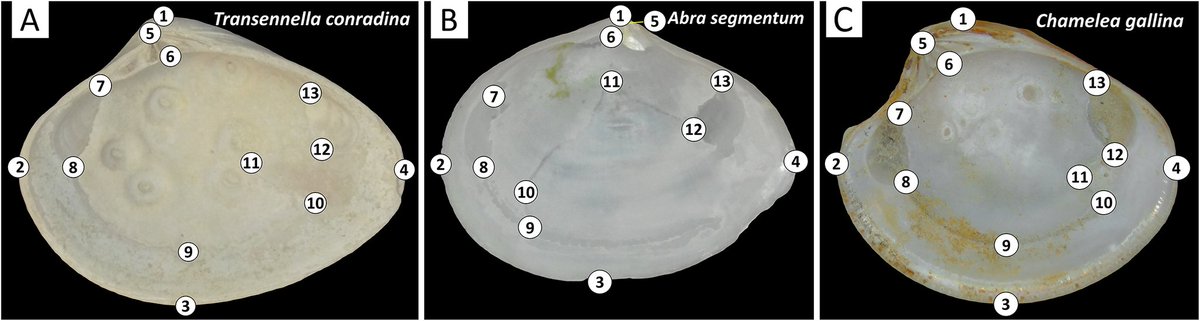
Implications of trematod (flatworms) parasitic infestation on bivalve shells🦠, traced in the fossil record of Florida 🇺🇸 (through observable pits and scars).
In Paleobiology👏
https://t.co/MjAkseZVjD
Just out!
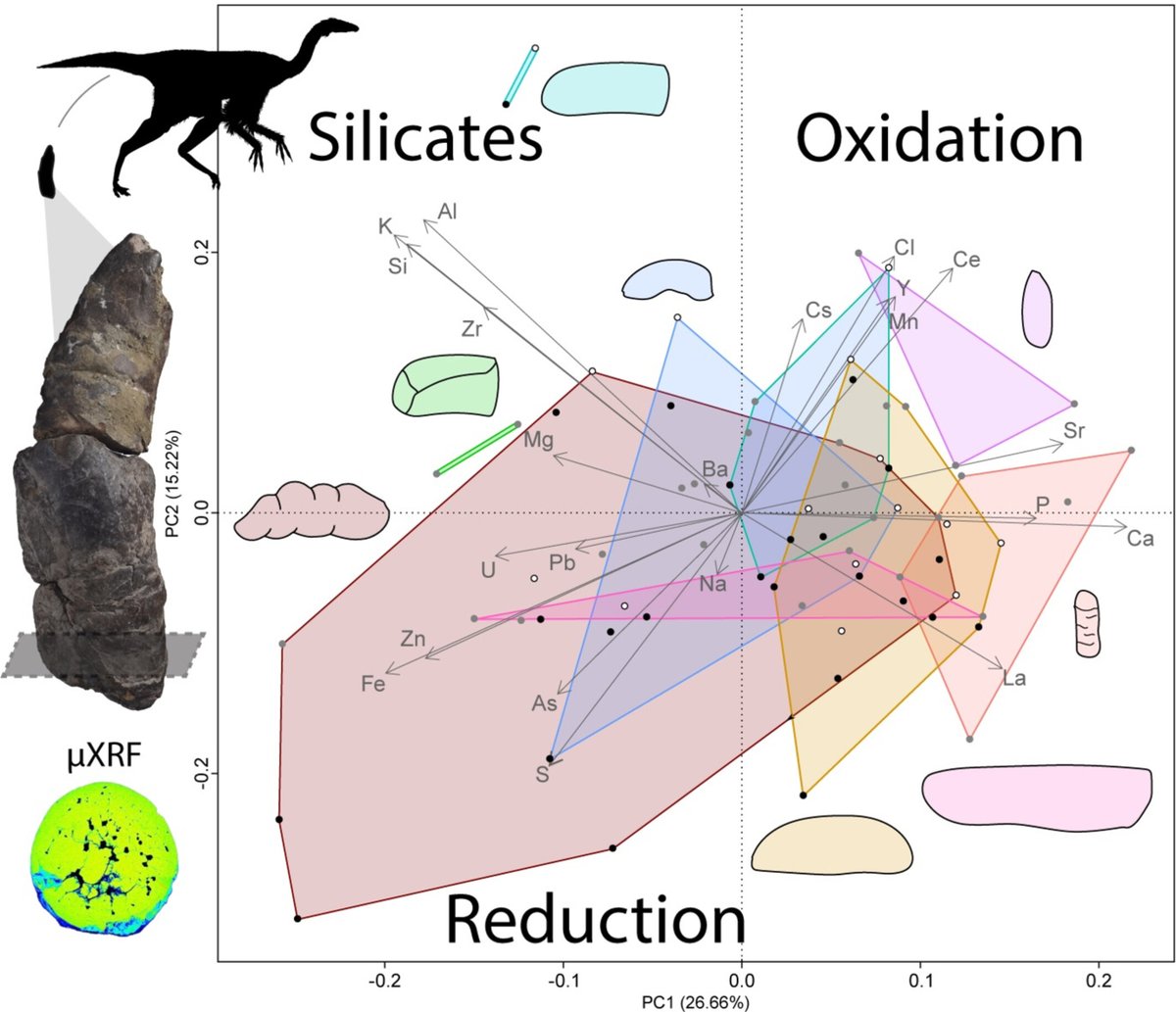
We wondered what information is retained in the elemental chemistry of an animal poop💩that has fossilized - can it be used as a proxy, and of what?
🦎🐊🦖🐢Answer is here 👇
https://t.co/S2oxzUqvJK
@AMGC_VUB@nat_sciences_be@OSURennes@le_CR2P@UMONSnews@belspo 🇧🇪
Herbivorous terrestrial microsaurs from the late carboniferous reveal this diet was ancestral to the divergence of amniotes 🌱🌿🌱(article with the late Hans Dieter Sues from the Smithsonian, how sad)
https://t.co/7XXAcAS3og
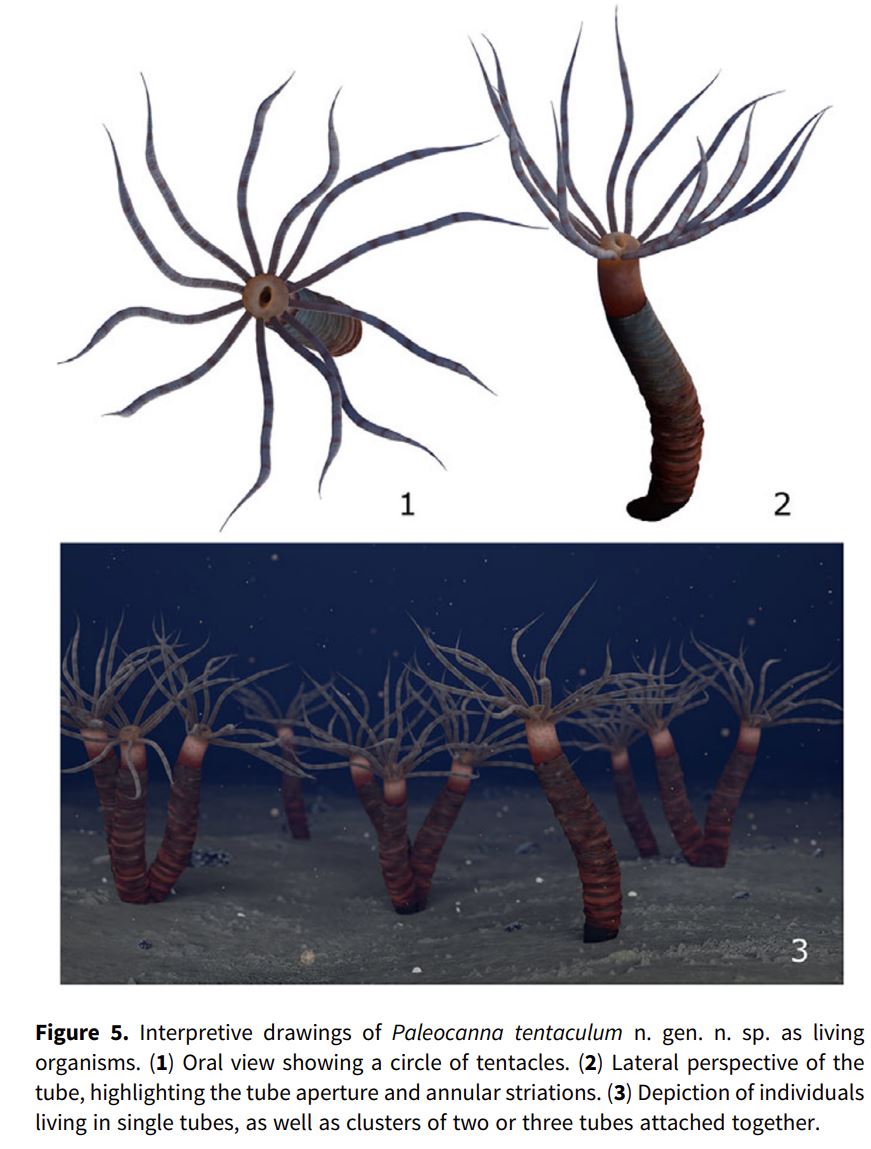
New stem-medusozoan semicolonial Paleocanna (deriving later than conulariids) from the Upper Ordovician of Quebec 🪼🇨🇦
#paleontology#cnidaria#softtissues
https://t.co/EcnqxwNNMt
A paper on Early Permian scale impressions (of bolosaurian reptiles). It is difficult to interpret the origin of a tissue from imprints; but it is most likely dermal indeed🦎 #paleontology#fossilskin#softtissues#ichnology#footprints#scales
https://t.co/JmxbKpGQOy
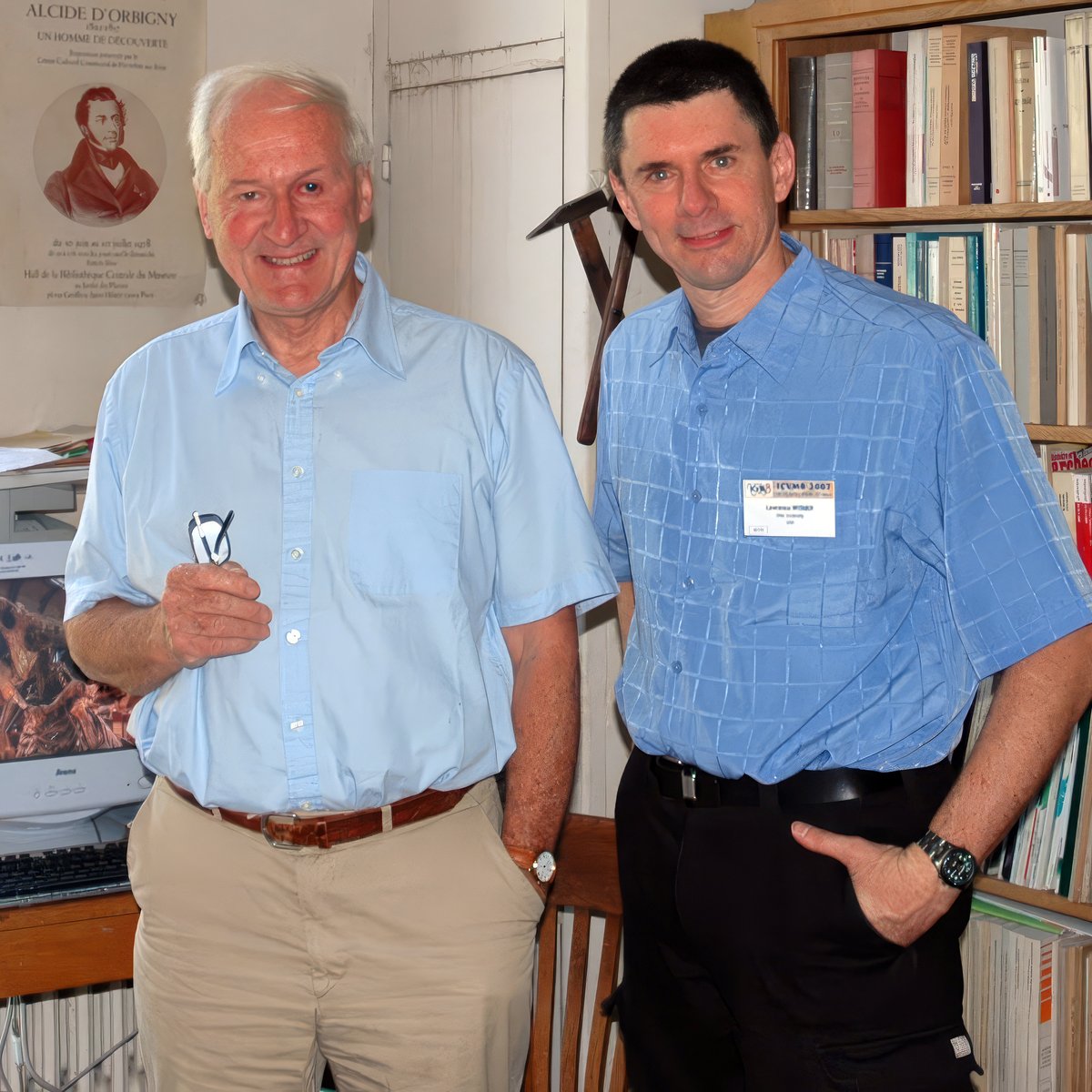
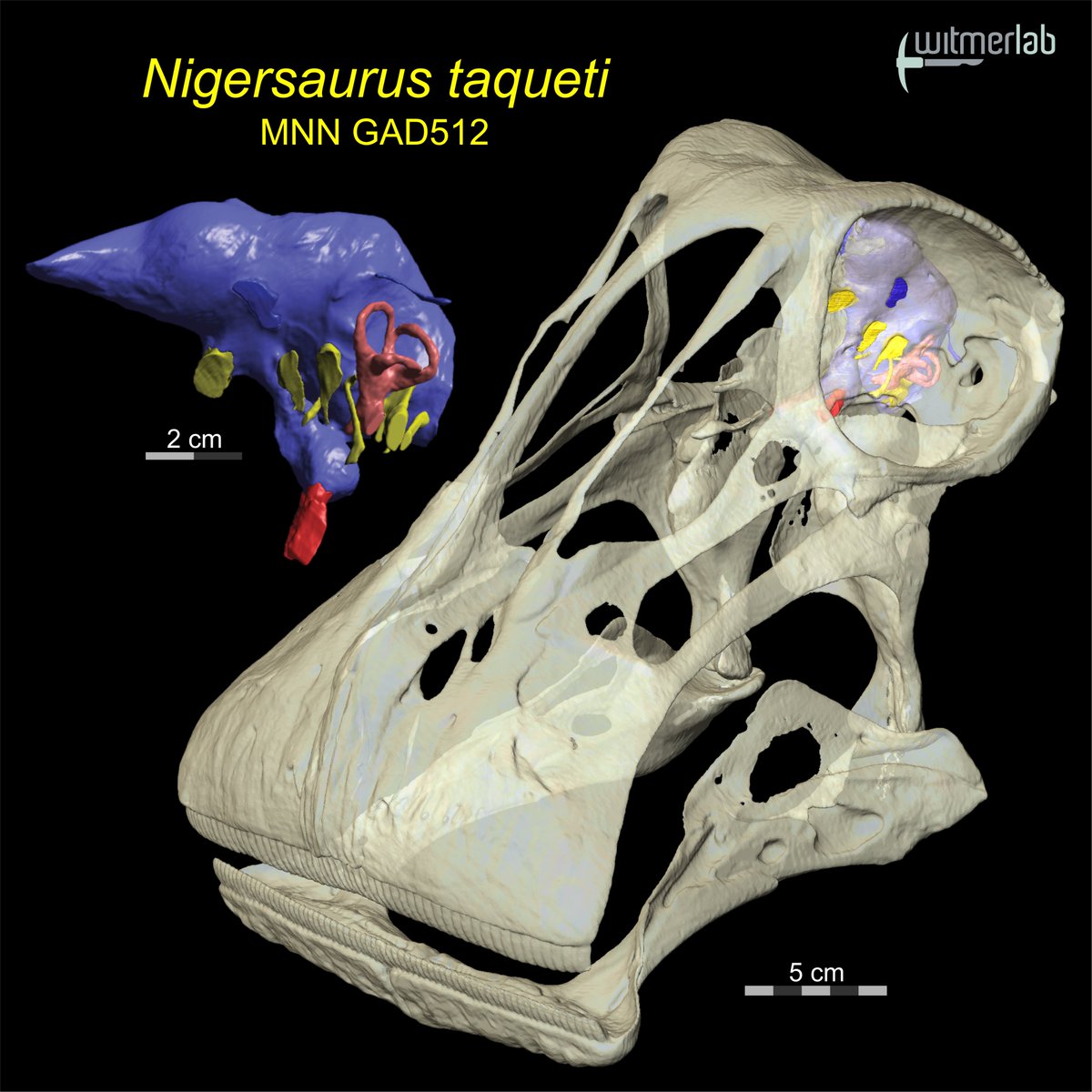
The paleo community is mourning the passing of giant. Philippe Taquet passed away on Sunday at 85. I was honored to meet him in his Paris office in 2007. Later that year, we published on a sauropod from his beloved Gadoufaoua in Niger & named for him: https://t.co/sZAYsqF7Qn
2001 - In my kidbed, reading in his book "L'empreinte des dinosaures" that studying fossils sometimes also offers the chance to travel far abroad and thus to meet people from all over the world.
Meaningly grateful that I was able to try 🙏
😢
https://t.co/ErDsBD1KIS
Out in IScience: "A 480 million year old parasitic spionid annelid"....or so many other type of extant or extinct annelid? I find this one moderately convincing (though interesting ofc !) 🪱
#parasitism#fossil#annelids#Fezouata 🇲🇦
https://t.co/3olKNqy7jw
BIG DAY TODAY FOR PARASITOLOGY 🪱
The first leech body fossil (previous occurences being triassic cocoons 🥚) - recovered as a stem-Hirudinida from the Silurian period (>435 ma). 🥳
Out in https://t.co/kC3C2HehFf
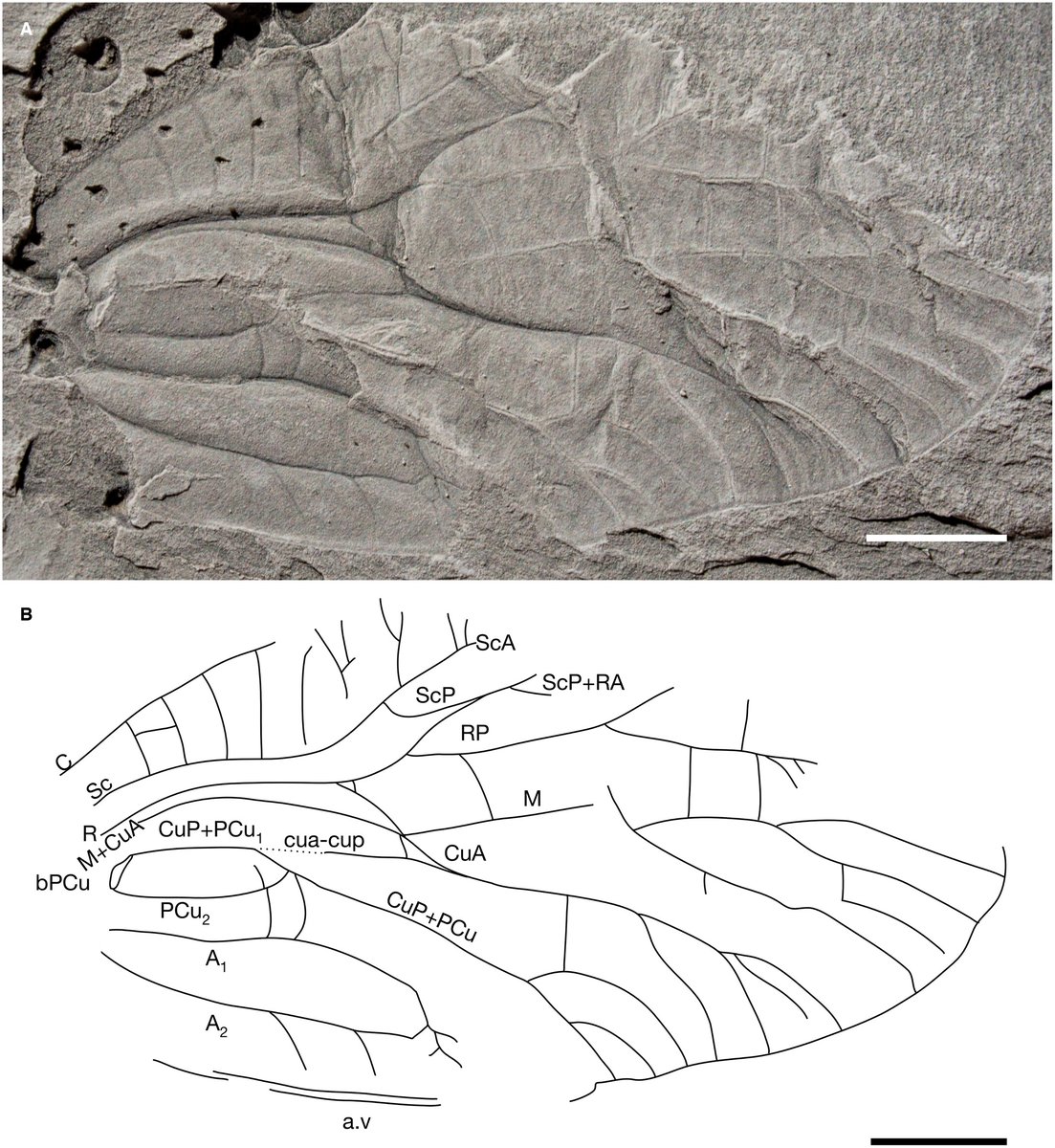
Tilia pollen identified on bumble bees from the Oligocene of Western Germany 🐝🌳! - 24 million years of pollination interaction between European linden flowers and bumble bees https://t.co/co9oLreEkm
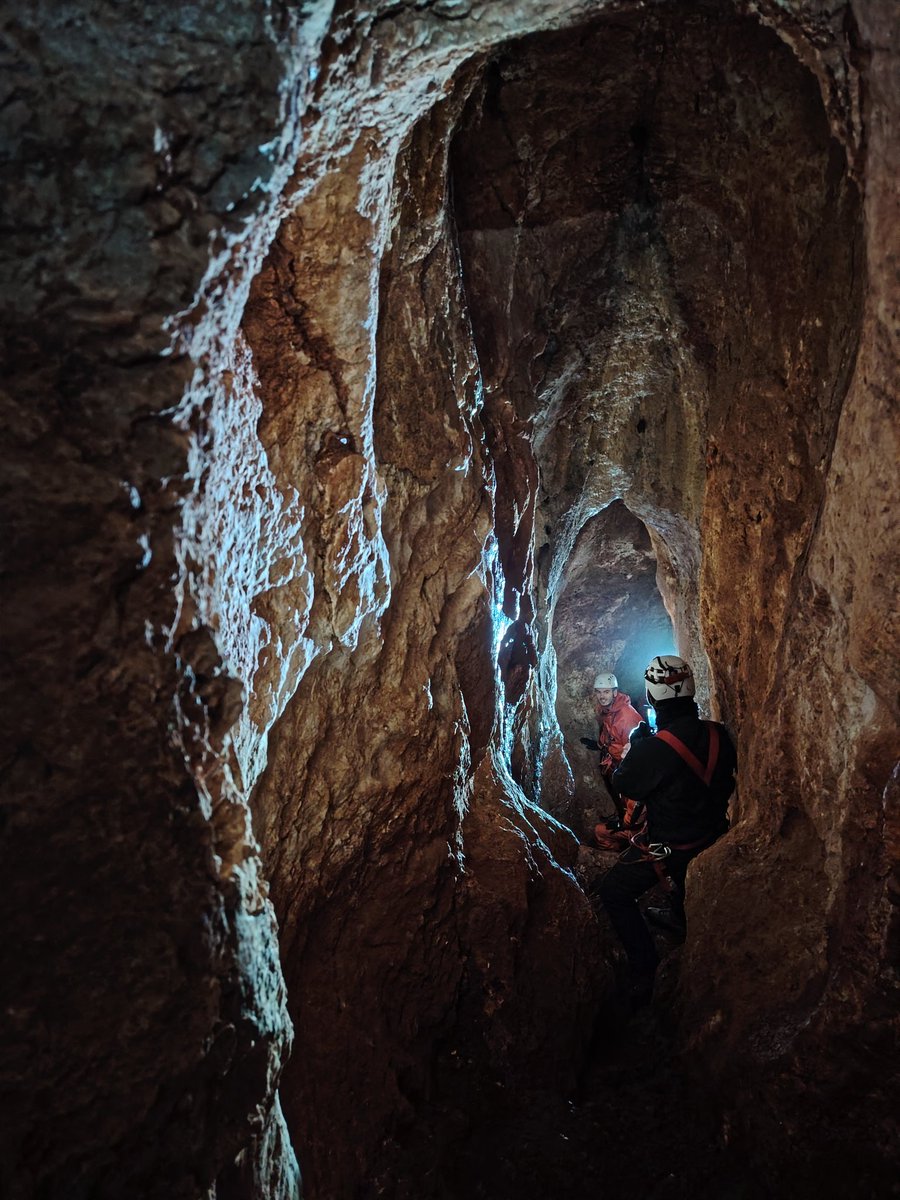
The only thing I really expect from academia is to have fun. 🎉
This paper is pure fun: it started with a BBQ brainstorming, turned into a project with friends, and ended with a super-talented friend making the cover photo. What a combo! 🔥📚📸
https://t.co/pjsEieZPQ9