“Normal people” and “strange times” are the key terms #massobservation writers used to describe those first days of #COVID-19 pandemic. What is your memory of the time? #fiveyearson
Stuart Hall Foundation University of Sussex Studentship (2025) for Black British students
-maintenance allowance for 4 years (currently £19,237)
-UK PhD fees for 4 years, or 1 yr Masters + 3 yrs PhD
-Up to £3000 in research costs
https://t.co/eAYt6eIySS
Delighted with the way @ICL2024 received of our research led by @RobertaPiazzaSx on “Oppositions in the narrative accounts of #migrants in the UK during #Covid-19’
Prof. @gabidurrant , Director of @NCRMUK highlighted research by Concept Analytics Lab in her concluding remarks @ #MethodsCon2024
She praised the interdisciplinary and practical applications of the methods developed by the lab. We are delighted to have received this recognition
Concept Analytics Lab is calling all #translators#interpreters and #editors to complete their survey on the future of language professions in the context of #AI. It is anonymous and takes about 10-15 minutes to complete. Please complete and share too
https://t.co/lBwnA3MCEp
Today, Sandra Young is presenting her research on contrasting narratives on #AI and #human in the language professions of the future at the Language in the Human-Machine Era (#LITHME) workshop in Joensuu
@novaramedia Does the Labour Party support lobbying groups? That’s precisely what we have analysed and the results are just published here @CALresearchteam . @novaramedia
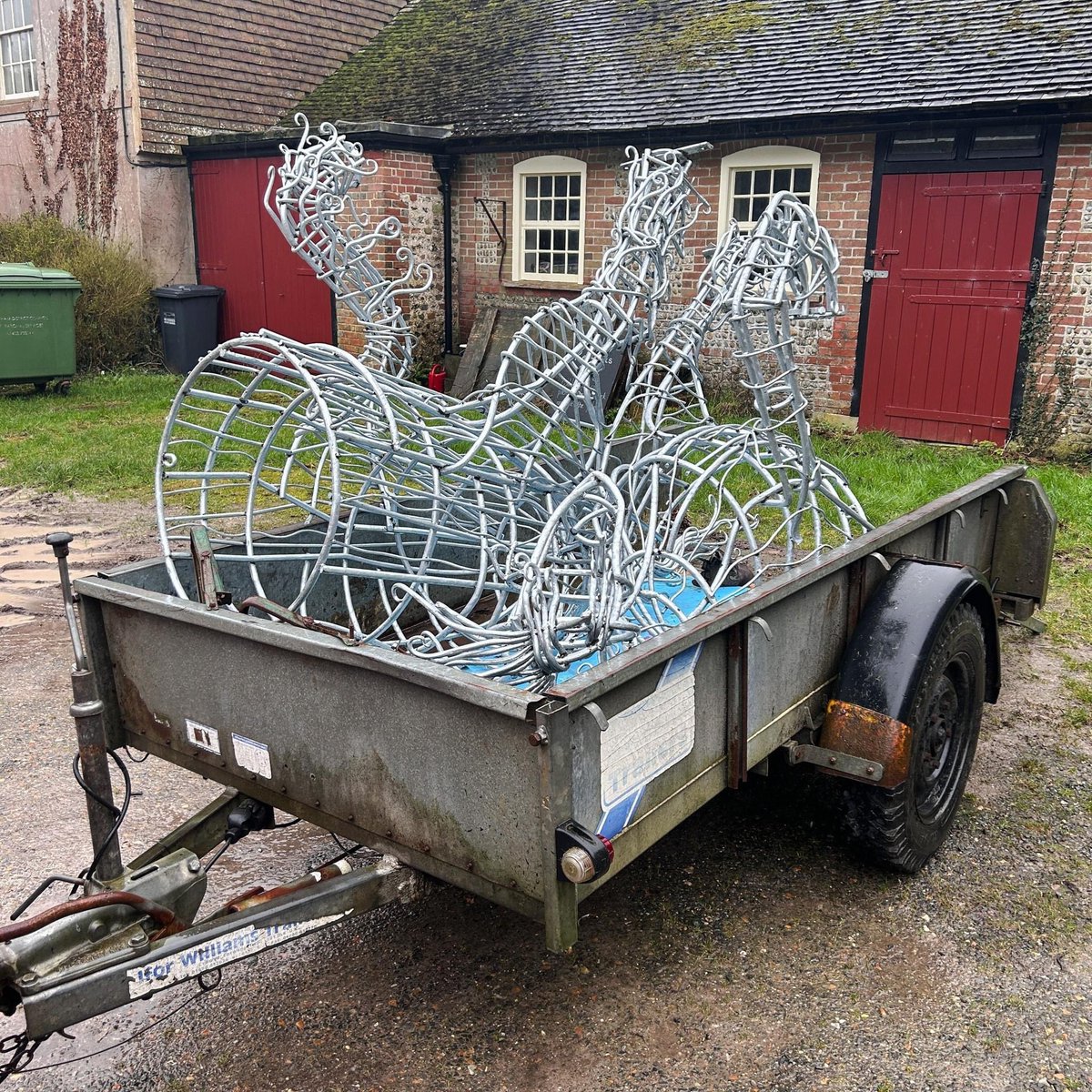
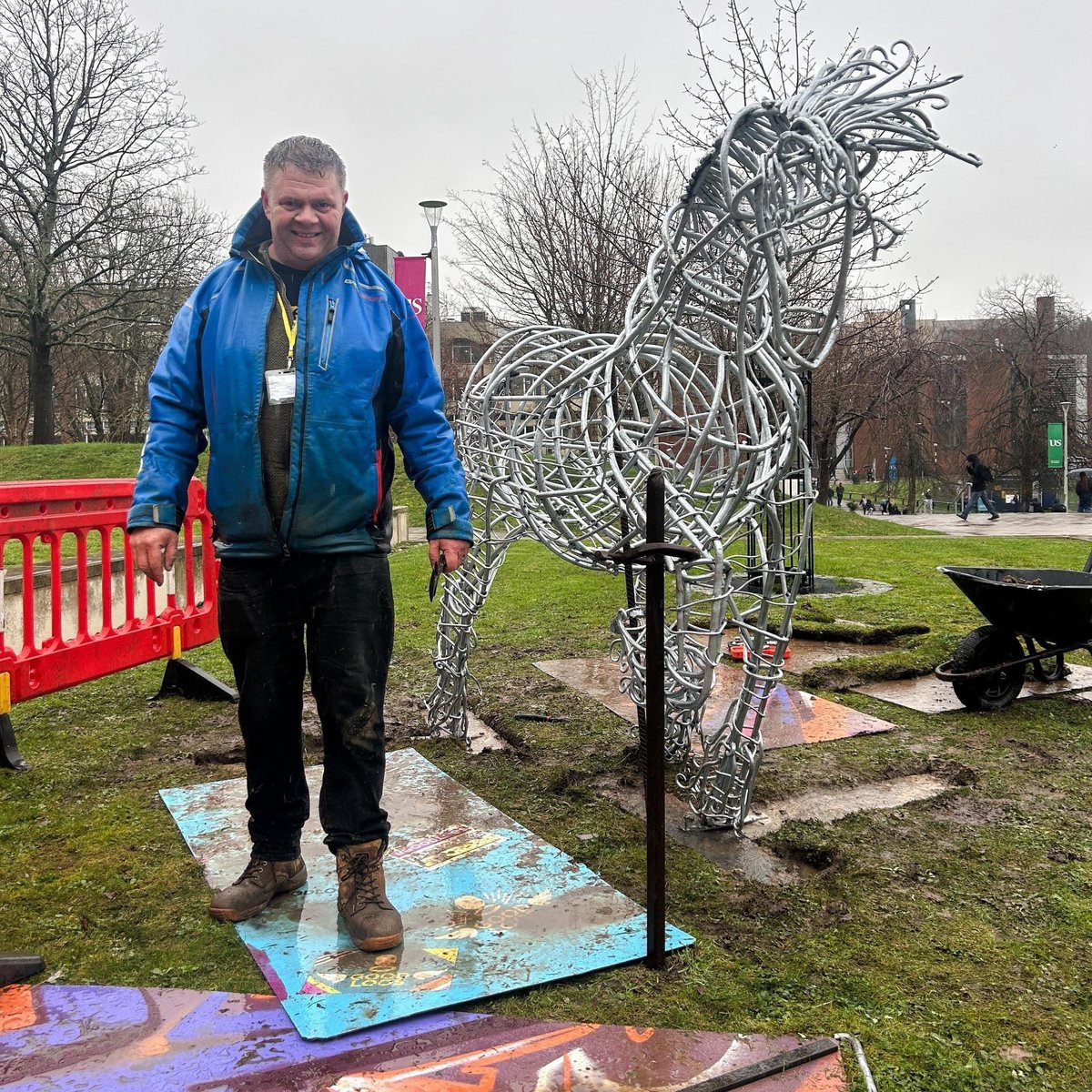
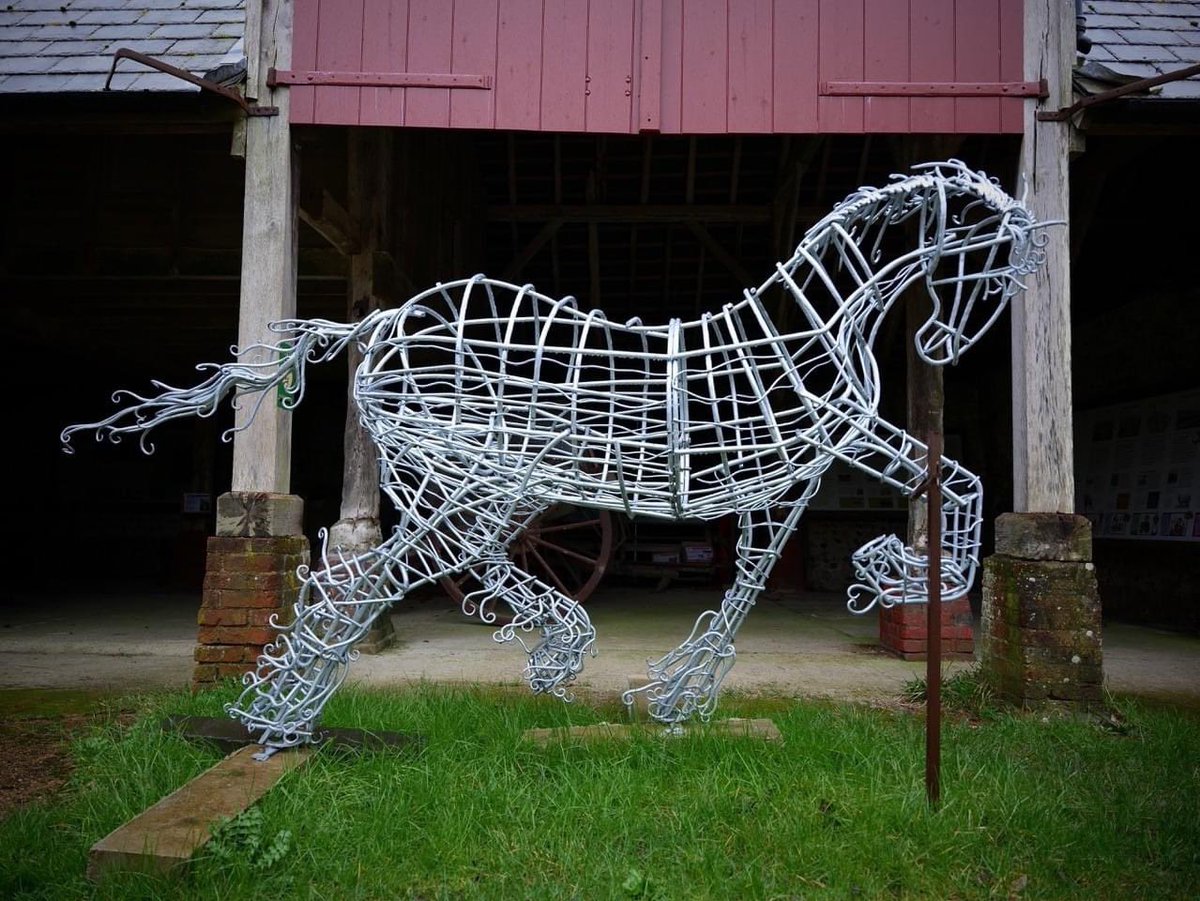
Moving Priscilla Queen of the South from the @nationaltrust to @SussexUni ahead of @Drive2Survive3’s symposium on the representation of Gypsy, Roma and Travellers as an environmental problem on Friday
We're so excited to present our research 'Conceptual variation in COVID Mass Observation diaries' as part of the @MassObsArchive 85th Anniversary Series.
Join us! Weds 26th, 2-4pm, admission is free! https://t.co/FNlMC20Vc2
@JWGrieve@sandow_linguist @Linguischick @AdamCSchembri From my experience of working in lexical variation there is far more acceptance of this research from historical linguists and cognitive linguists than sociolinguists